v2.webp)
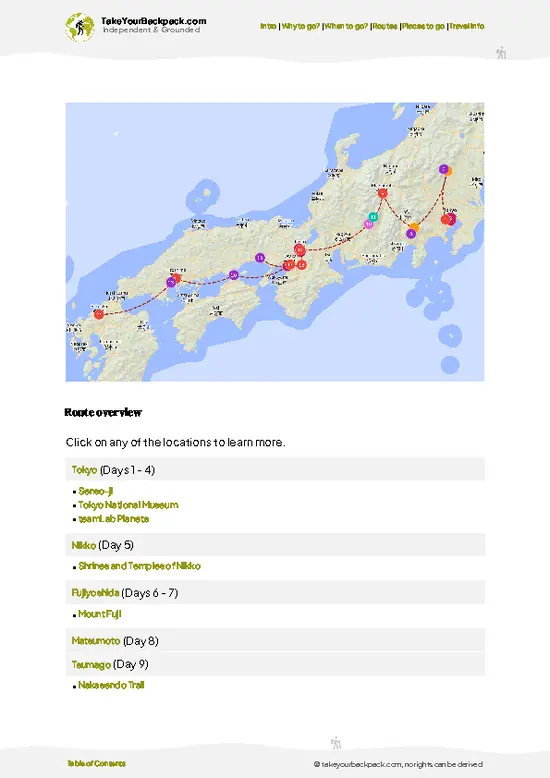
1. The Hypocenter Exhibit
This is the ground zero of the unimaginable. You stand above the exact spot where the bomb detonated. The display is blunt: a simple black pillar, surrounded by artifacts twisted by heat and force. No filters, no softening. It’s a punch to the gut, and that’s the point. You feel the weight of history in your bones.
2. The Ruined Artifacts Gallery
Here’s where the Instagram crowd thins out. Charred lunchboxes, melted bottles, a tricycle fused by the blast—these aren’t just objects, they’re stories. Each item is tagged with the name and age of its owner. It’s not about spectacle; it’s about empathy. You see the scale of loss in the smallest details.
3. Survivor Testimonies (Video Booths)
Skip the urge to rush. Sit and listen. Real survivors, real voices, no melodrama. … read more 👉
This is the ground zero of the unimaginable. You stand above the exact spot where the bomb detonated. The display is blunt: a simple black pillar, surrounded by artifacts twisted by heat and force. No filters, no softening. It’s a punch to the gut, and that’s the point. You feel the weight of history in your bones.
2. The Ruined Artifacts Gallery
Here’s where the Instagram crowd thins out. Charred lunchboxes, melted bottles, a tricycle fused by the blast—these aren’t just objects, they’re stories. Each item is tagged with the name and age of its owner. It’s not about spectacle; it’s about empathy. You see the scale of loss in the smallest details.
3. Survivor Testimonies (Video Booths)
Skip the urge to rush. Sit and listen. Real survivors, real voices, no melodrama. … read more 👉
1. The Hypocenter Exhibit
This is the ground zero of the unimaginable. You stand above the exact spot where the bomb detonated. The display is blunt: a simple black pillar, surrounded by artifacts twisted by heat and force. No filters, no softening. It’s a punch to the gut, and that’s the point. You feel the weight of history in your bones.
2. The Ruined Artifacts Gallery
Here’s where the Instagram crowd thins out. Charred lunchboxes, melted bottles, a tricycle fused by the blast—these aren’t just objects, they’re stories. Each item is tagged with the name and age of its owner. It’s not about spectacle; it’s about empathy. You see the scale of loss in the smallest details.
3. Survivor Testimonies (Video Booths)
Skip the urge to rush. Sit and listen. Real survivors, real voices, no melodrama. The stories are raw, sometimes mundane, always human. This is the museum’s emotional core. If you want to understand Nagasaki beyond statistics, this is where you do it. My personal favorite—because nothing cuts through the noise like a firsthand account.
4. The Peace Symbol Zone
This isn’t your typical “hope for the future” wall. Letters from world leaders, children’s drawings, and peace declarations are displayed with zero irony. It’s a jarring contrast to the devastation elsewhere in the museum. The optimism feels earned, not forced.
5. The Timeline Corridor
A chronological walk-through that doesn’t sugarcoat. You get context: why Nagasaki, how the world got here, and what happened after. The design is sharp—photos, maps, and headlines that force you to connect the dots. It’s not just about the bomb; it’s about choices, consequences, and the world we live in now.
This is the ground zero of the unimaginable. You stand above the exact spot where the bomb detonated. The display is blunt: a simple black pillar, surrounded by artifacts twisted by heat and force. No filters, no softening. It’s a punch to the gut, and that’s the point. You feel the weight of history in your bones.
2. The Ruined Artifacts Gallery
Here’s where the Instagram crowd thins out. Charred lunchboxes, melted bottles, a tricycle fused by the blast—these aren’t just objects, they’re stories. Each item is tagged with the name and age of its owner. It’s not about spectacle; it’s about empathy. You see the scale of loss in the smallest details.
3. Survivor Testimonies (Video Booths)
Skip the urge to rush. Sit and listen. Real survivors, real voices, no melodrama. The stories are raw, sometimes mundane, always human. This is the museum’s emotional core. If you want to understand Nagasaki beyond statistics, this is where you do it. My personal favorite—because nothing cuts through the noise like a firsthand account.
4. The Peace Symbol Zone
This isn’t your typical “hope for the future” wall. Letters from world leaders, children’s drawings, and peace declarations are displayed with zero irony. It’s a jarring contrast to the devastation elsewhere in the museum. The optimism feels earned, not forced.
5. The Timeline Corridor
A chronological walk-through that doesn’t sugarcoat. You get context: why Nagasaki, how the world got here, and what happened after. The design is sharp—photos, maps, and headlines that force you to connect the dots. It’s not just about the bomb; it’s about choices, consequences, and the world we live in now.
Spotted a mistake or missing something? Contact us.

Nagasaki Customized Private Tour in 1 Day with Licensed Guide

Nagasaki Highlights Private Half-Day Tour by Car

Nagasaki Private Tour with a Local – Highlights & Hidden Gems

Nagasaki Top Sites Tour

Nagasaki Highlights Private Full-Day Tour by Tram

Nagasaki Customized Private Tour by Car with Licensed Guide
Nagasaki Highlights Private Half-Day Tour by Tram

Traditional Kimono Experience in Nagasaki DEJIMA

Nagasaki Street Food Adventure: Private Walking Tour with a Local


 Best Backpacking
.jpg) Hi, I’m Johan (Netherlands 🇳🇱), the creator of TakeYourBackpack. Over the past 3 decades, I’ve backpacked through 90+ countries across six continents, gaining extensive experience with independent travel, long-term trips, and overland routes.
Hi, I’m Johan (Netherlands 🇳🇱), the creator of TakeYourBackpack. Over the past 3 decades, I’ve backpacked through 90+ countries across six continents, gaining extensive experience with independent travel, long-term trips, and overland routes.