
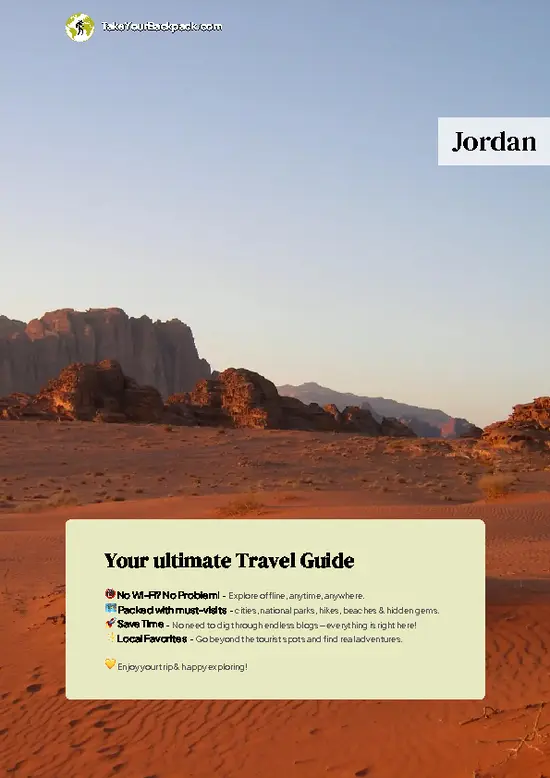
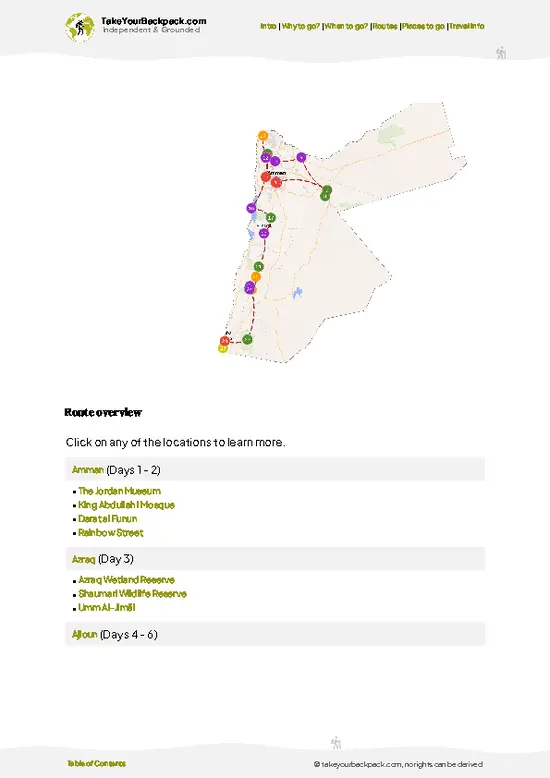

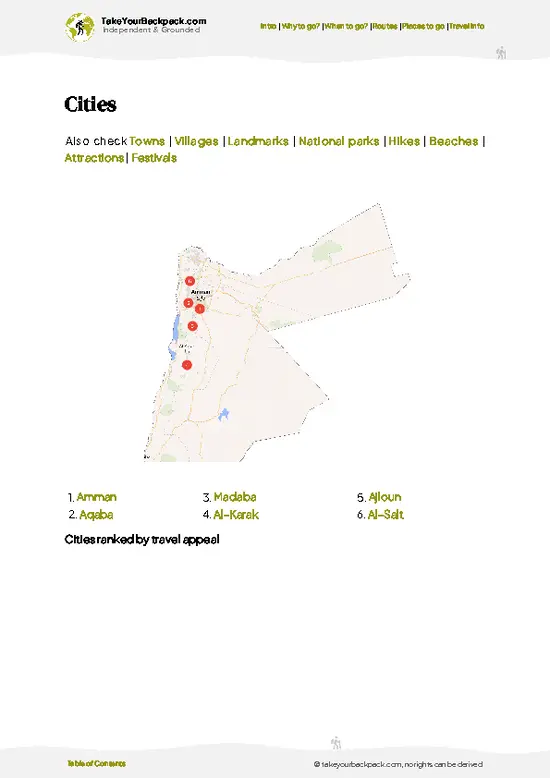
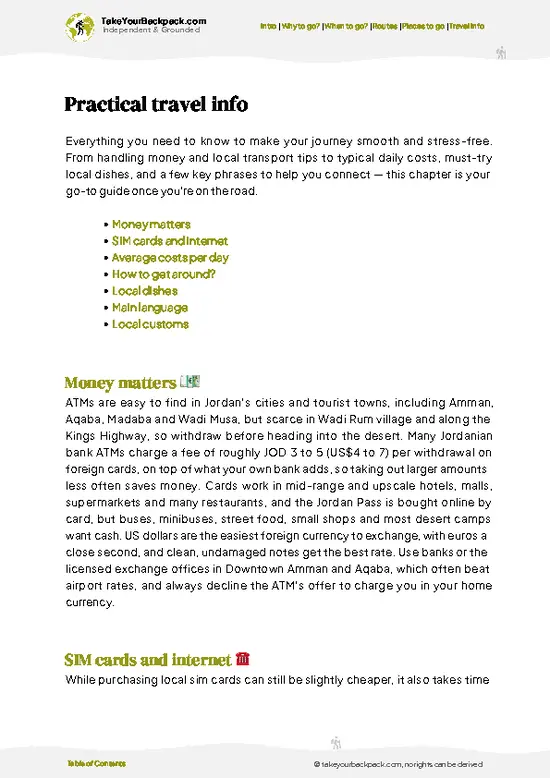
- Baptismal Pools (the core baptism site) — The heart of Al-Maghtas: stone-lined pools and channels where tradition places Jesus’ baptism. Standing on the wooden walkways and looking down at the excavated pools gives a surprisingly intimate sense of continuity — pilgrims have been coming here for centuries. (Personal favorite: it’s a quiet, powerful spot.)
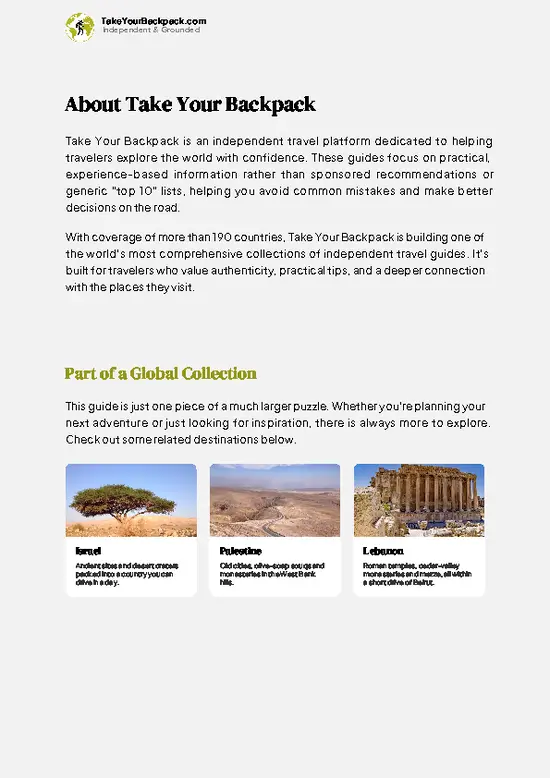
- Roman-Byzantine Churches and Mosaics — Several church foundations and colorful mosaic floors uncovered here show how big a pilgrimage center this was in late antiquity. The mosaics and altar layouts are worth a slow look for both their artistry and the evidence they give of organized worship at the river.
- Monastic Cells and Hermitages — Scattered ruins of monks’ cells and small chapels speak to the ascetic communities that set up camp
- Baptismal Pools (the core baptism site) — The heart of Al-Maghtas: stone-lined pools and channels where tradition places Jesus’ baptism. Standing on the wooden walkways and looking down at the excavated pools gives a surprisingly intimate sense of continuity — pilgrims have been coming here for centuries. (Personal favorite: it’s a quiet, powerful spot.)
- Roman-Byzantine Churches and Mosaics — Several church foundations and colorful mosaic floors uncovered here show how big a pilgrimage center this was in late antiquity. The mosaics and altar layouts are worth a slow look for both their artistry and the evidence they give of organized worship at the river.
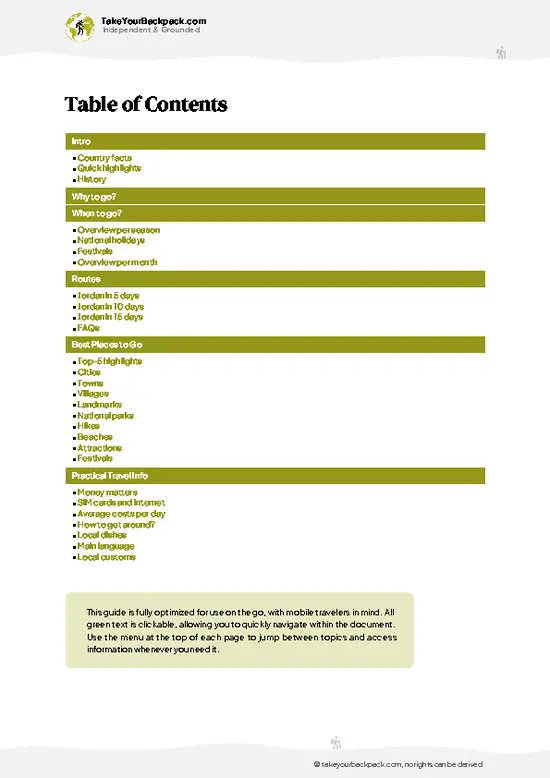
- Monastic Cells and Hermitages — Scattered ruins of monks’ cells and small chapels speak to the ascetic communities that set up camp along the river. These humble stone rooms are great for imagining daily religious life away from cities.
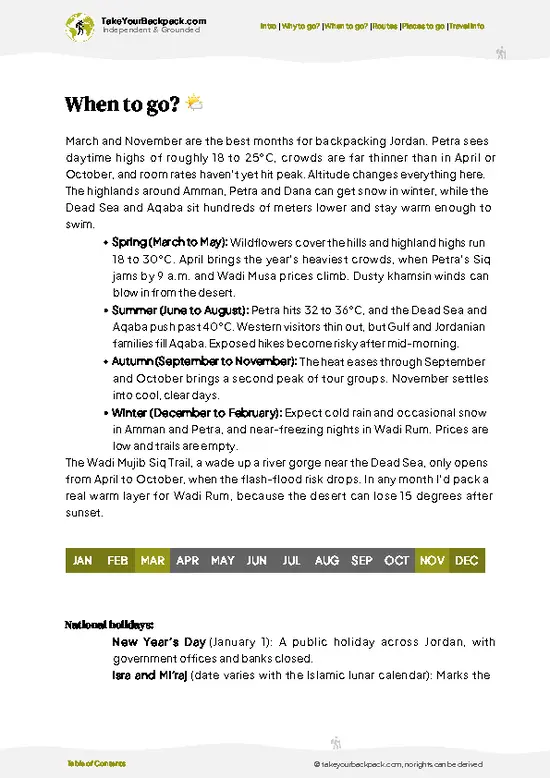
- Watchtower, Fortifications and the Archaeological Tell — Remains of towers and defensive works illustrate Al-Maghtas’ strategic location on ancient routes. Climbing the low tell gives a nice vantage over the site and the Jordan Valley, and helps you visualize the layers of history stacked there.
- The Jordan River Setting and Dead Sea Panorama — The landscape itself is a highlight: the river’s ribbon through an otherwise arid valley and the nearby shimmer of the Dead Sea create a dramatic backdrop. Sunrise or late afternoon light makes the stone and water glow — good for photos or quiet reflection.
- Visitor Centre, Boardwalks and Interpretive Trails — The on-site museum and boardwalk system keep the archaeology protected while making the history easy to follow. Interpretive panels, maps, and the small exhibition help you connect the ruins to the stories — especially useful if you only have a couple of hours.
- Active Excavations and Ongoing Research — Al-Maghtas is still being dug and studied, so you can sometimes see archaeologists at work and newly exposed structures. That sense of “unfinished discovery” is rare at big heritage sites and adds a fresh, real-time feel to the visit.
Spotted a mistake or missing something? Contact us.

Day Tour Madaba, Mount Nebo and Baptism site From Amman

Petra Full-Day Private Tour From Amman

Private Transfer From or To Airport, Petra, Wadi Rum and Dead Sea

Private Transfer From Amman or Dead Sea To Petra and Wadi Rum

Day tour to Jerash and Ajloun Castle

Petra Excursion from Dead Sea

Private Transfer: From Dead Sea to Amman or Airport

Petra Day Tour from Dead Sea

From Dead Sea: Full day Petra with hotel pickup


 Best Backpacking
 Hi, I’m Johan (Netherlands 🇳🇱), the creator of TakeYourBackpack. Over the past 3 decades, I’ve backpacked through 90+ countries across six continents, gaining extensive experience with independent travel, long-term trips, and overland routes.