v2.webp)
The Dead Sea Scrolls Room
Let’s cut through the hype: yes, you’ll see fragments of the Dead Sea Scrolls here, and no, it’s not a dusty afterthought. The lighting is low, the air is cool, and the display is almost reverent—think less “museum case” and more “ancient secret vault.” You’re staring at the oldest biblical texts on earth, written by hands that lived and died before the Roman Empire even had a name. The gravity is real. If you want a selfie, fine, but the real magic is letting the silence hit you. This is the kind of artifact that makes you question what you’re doing with your own life.
The Early Arab Civilizations Gallery
Forget the generic “cradle of civilization” spiel. This gallery actually delivers. You get to see the world’s oldest known human statues—the Ain Ghazal figures—staring … read more 👉
Let’s cut through the hype: yes, you’ll see fragments of the Dead Sea Scrolls here, and no, it’s not a dusty afterthought. The lighting is low, the air is cool, and the display is almost reverent—think less “museum case” and more “ancient secret vault.” You’re staring at the oldest biblical texts on earth, written by hands that lived and died before the Roman Empire even had a name. The gravity is real. If you want a selfie, fine, but the real magic is letting the silence hit you. This is the kind of artifact that makes you question what you’re doing with your own life.
The Early Arab Civilizations Gallery
Forget the generic “cradle of civilization” spiel. This gallery actually delivers. You get to see the world’s oldest known human statues—the Ain Ghazal figures—staring … read more 👉
The Dead Sea Scrolls Room
Let’s cut through the hype: yes, you’ll see fragments of the Dead Sea Scrolls here, and no, it’s not a dusty afterthought. The lighting is low, the air is cool, and the display is almost reverent—think less “museum case” and more “ancient secret vault.” You’re staring at the oldest biblical texts on earth, written by hands that lived and died before the Roman Empire even had a name. The gravity is real. If you want a selfie, fine, but the real magic is letting the silence hit you. This is the kind of artifact that makes you question what you’re doing with your own life.
The Early Arab Civilizations Gallery
Forget the generic “cradle of civilization” spiel. This gallery actually delivers. You get to see the world’s oldest known human statues—the Ain Ghazal figures—staring back at you with chalky, bug-eyed intensity. They’re 9,000 years old and look like they could have inspired a sci-fi villain. The gallery doesn’t just show you relics; it lays out the story of how people here invented farming, writing, and city life while most of Europe was still figuring out fire. It’s humbling, and it’s a crash course in why Jordan is more than just Petra’s neighbor.
The Interactive Children’s Museum Section
Don’t roll your eyes—this isn’t just for kids. The hands-on science and history exhibits are a blast if you’re the type who likes to push buttons and see what happens. It’s a rare spot where you can touch, play, and experiment without getting scolded by a guard. If you’re traveling with family, this is a sanity-saver. If you’re solo, it’s a guilt-free excuse to geek out.
The Jordanian Heritage Hall
This is where the museum ditches the textbook and gets personal. You’ll see everything from Bedouin tents to traditional wedding dresses, and it’s not just for show. The displays are packed with everyday objects—coffee pots, musical instruments, even old radios—that tell you how Jordanians actually live, not just how they want to be remembered. It’s a crash course in the country’s real personality, not the Instagram version.
The Archaeological Timeline Wall
Personal favorite. This isn’t just a wall—it’s a time machine. The entire history of Jordan, from Stone Age to Hashemite Kingdom, is mapped out in a single, sprawling visual. It’s the antidote to museum fatigue: you get context, clarity, and a sense of just how many civilizations have called this patch of earth home. If you want to understand why Jordan matters, this is your cheat sheet. I’ve seen a lot of timeline walls, but this one actually makes you want to linger and trace your finger from era to era.
The Temporary Exhibition Space
Here’s the wildcard. The rotating exhibits are where the museum takes risks—sometimes it’s contemporary Jordanian art, sometimes it’s a deep dive into Nabataean engineering, sometimes it’s a visiting international show. You never know what you’ll get, but it’s always a shot of fresh energy. If you’re lucky, you’ll catch something that makes you rethink what a museum can be.
Let’s cut through the hype: yes, you’ll see fragments of the Dead Sea Scrolls here, and no, it’s not a dusty afterthought. The lighting is low, the air is cool, and the display is almost reverent—think less “museum case” and more “ancient secret vault.” You’re staring at the oldest biblical texts on earth, written by hands that lived and died before the Roman Empire even had a name. The gravity is real. If you want a selfie, fine, but the real magic is letting the silence hit you. This is the kind of artifact that makes you question what you’re doing with your own life.
The Early Arab Civilizations Gallery
Forget the generic “cradle of civilization” spiel. This gallery actually delivers. You get to see the world’s oldest known human statues—the Ain Ghazal figures—staring back at you with chalky, bug-eyed intensity. They’re 9,000 years old and look like they could have inspired a sci-fi villain. The gallery doesn’t just show you relics; it lays out the story of how people here invented farming, writing, and city life while most of Europe was still figuring out fire. It’s humbling, and it’s a crash course in why Jordan is more than just Petra’s neighbor.
The Interactive Children’s Museum Section
Don’t roll your eyes—this isn’t just for kids. The hands-on science and history exhibits are a blast if you’re the type who likes to push buttons and see what happens. It’s a rare spot where you can touch, play, and experiment without getting scolded by a guard. If you’re traveling with family, this is a sanity-saver. If you’re solo, it’s a guilt-free excuse to geek out.
The Jordanian Heritage Hall
This is where the museum ditches the textbook and gets personal. You’ll see everything from Bedouin tents to traditional wedding dresses, and it’s not just for show. The displays are packed with everyday objects—coffee pots, musical instruments, even old radios—that tell you how Jordanians actually live, not just how they want to be remembered. It’s a crash course in the country’s real personality, not the Instagram version.
The Archaeological Timeline Wall
Personal favorite. This isn’t just a wall—it’s a time machine. The entire history of Jordan, from Stone Age to Hashemite Kingdom, is mapped out in a single, sprawling visual. It’s the antidote to museum fatigue: you get context, clarity, and a sense of just how many civilizations have called this patch of earth home. If you want to understand why Jordan matters, this is your cheat sheet. I’ve seen a lot of timeline walls, but this one actually makes you want to linger and trace your finger from era to era.
The Temporary Exhibition Space
Here’s the wildcard. The rotating exhibits are where the museum takes risks—sometimes it’s contemporary Jordanian art, sometimes it’s a deep dive into Nabataean engineering, sometimes it’s a visiting international show. You never know what you’ll get, but it’s always a shot of fresh energy. If you’re lucky, you’ll catch something that makes you rethink what a museum can be.
Spotted a mistake or missing something? Contact us.

Private Flexible Transportation from Amman to Jordan’s Cities .

Private Two Day Tour To Petra, Wadi Rum and Dead Sea from Amman

Petra & Dead Sea - One day Private tour

From Amman: Private Dead Sea, Madaba and Mount Nebo Full day tour

Amman Airport private Transfers From/To multi destinations

Private Transfer from Amman Airport to Amman Hotel

From Amman : 2 days Private Tour Petra, Wadi rum and Dead sea
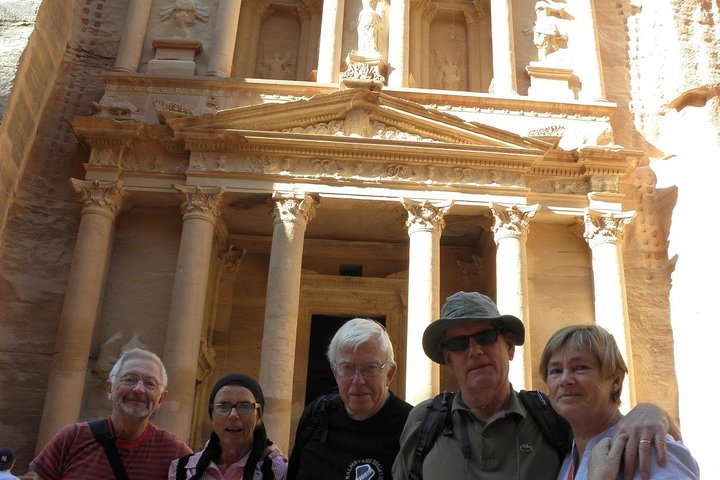
Amman to Petra round trip

3Day Private tour from Amman to Petra Wadi Rum Aqaba Dead Sea






 Best Backpacking
.jpg) Hi, I’m Johan (Netherlands 🇳🇱), the creator of TakeYourBackpack. Over the past decade, I’ve backpacked through 80+ countries across six continents, gaining extensive experience with independent travel, long-term trips, and overland routes.
Hi, I’m Johan (Netherlands 🇳🇱), the creator of TakeYourBackpack. Over the past decade, I’ve backpacked through 80+ countries across six continents, gaining extensive experience with independent travel, long-term trips, and overland routes.