v2.webp)
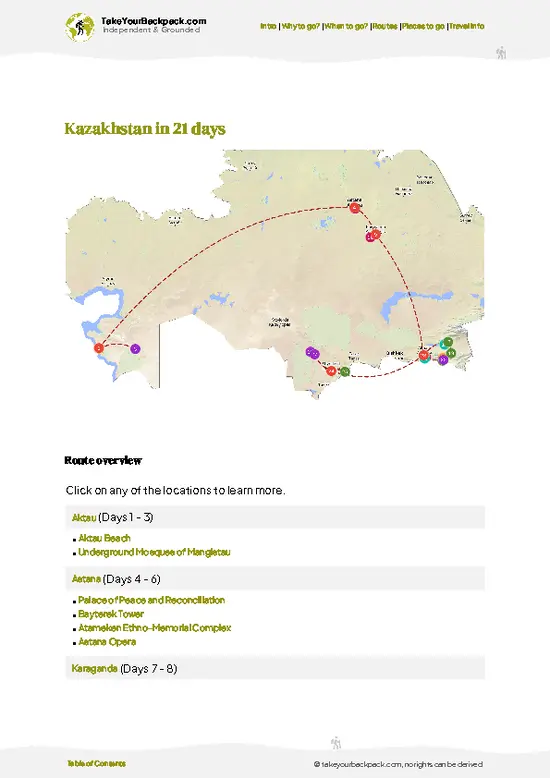
- Timurid monumental scale and brick engineering — Commissioned by Timur at the end of the 14th century, the mausoleum’s sheer size hits you first: vast brick vaults, towering walls and a sense of ambition you don’t expect in a steppe town. It’s one of the best surviving examples of Timurid monumental building in Central Asia.
- Ornate tiled portal (the pishtaq) — The huge arched entrance is covered in glazed tiles and intricate geometric and floral patterns in blues and turquoises. Up close you can see the craftsmanship in the mosaics and muqarnas that frame the doorway—photogenic and historic in equal measure.
- Vast vaulted interior (the winter prayer hall) — Step inside and you’re swallowed by a high, cool hall with massive arches and domes. The scale and the acoustics make it feel more
- Timurid monumental scale and brick engineering — Commissioned by Timur at the end of the 14th century, the mausoleum’s sheer size hits you first: vast brick vaults, towering walls and a sense of ambition you don’t expect in a steppe town. It’s one of the best surviving examples of Timurid monumental building in Central Asia.
- Ornate tiled portal (the pishtaq) — The huge arched entrance is covered in glazed tiles and intricate geometric and floral patterns in blues and turquoises. Up close you can see the craftsmanship in the mosaics and muqarnas that frame the doorway—photogenic and historic in equal measure.
- Vast vaulted interior (the winter prayer hall) — Step inside and you’re swallowed by a high, cool hall with massive arches and domes. The scale and the acoustics make it feel more like a stone cathedral than a typical mausoleum; it’s atmospheric and strangely humbling.
- Khoja Ahmed Yasawi’s tomb and living pilgrimage tradition — The simple cenotaph marks the resting place of a major Sufi poet and saint, and the complex remains a pilgrimage stop for Turkic peoples. The spiritual and cultural continuity here is what makes the site more than just pretty architecture.
- Madrasa, courtyards and residential cells — The complex isn’t just a tomb: there are madrasas, arcaded courtyards and small cells that speak to the educational and communal life of Sufi students and pilgrims. It’s a good spot to imagine daily life here centuries ago.
- Tiles, carving and the story of restoration — Much of what you see today reflects careful conservation and tile-reconstruction work. Observing restored panels next to older fragments tells a physical story of loss, recovery and the living craft traditions behind those tiles.
- UNESCO status, cultural landscape and local life — The mausoleum anchors Turkestan’s historic quarter and is a UNESCO World Heritage site for a reason: it’s both an architectural landmark and a center of local identity. Nearby bazaars, small museums and pilgrimage festivals give the visit real context beyond the stones.
Spotted a mistake or missing something? Contact us.

 Best Backpacking
.jpg) Hi, I’m Johan (Netherlands 🇳🇱), the creator of TakeYourBackpack. Over the past 3 decades, I’ve backpacked through 90+ countries across six continents, gaining extensive experience with independent travel, long-term trips, and overland routes.
Hi, I’m Johan (Netherlands 🇳🇱), the creator of TakeYourBackpack. Over the past 3 decades, I’ve backpacked through 90+ countries across six continents, gaining extensive experience with independent travel, long-term trips, and overland routes.