×

Kosovo🇽🇰 | regionsDukagjin PlainAgricultural fields, Ottoman-era towns, mountain backdrop | things to do and best time to go

Explore Drini i Bardhë National ParkExplore Lake Batllava

Backpacking in Dukagjin Plain
🏆 Top pickregion ranked #1
By Johan Kruseman 🇳🇱 | Updated October 15, 2026

You land in Kosovo and you’ve got a choice: burn your limited days chasing the famous peaks in the north, or “waste” a day or two in the Dukagjin Plain, where nothing looks epic on Instagram but everything feels quietly real. That choice matters, because Dukagjin is where you trade big views for small, human moments.

Dukagjin Plain sits in western Kosovo, around Peja, Gjakova, and Deçan, pressed up toward the Montenegrin and Albanian borders. For backpackers, it’s a slow-burn region: cheap cafés, family guesthouses, and buses that are frequent but never fast. You get dramatic backdrops like Rugova Gorge and the mountains above Deçan, Ottoman-era bazaars in Gjakova, and Peja as your scruffy, energetic base. It’s far less tour-bus-heavy than Prizren or the Accursed Mountains hotspots, but that also means fewer hostels, less English, and more improvising. If you like your trips a bit rough around the edges and very local, Dukagjin quietly wins.

Discover everything you want to know in the 📖 Kosovo Travel Guide.


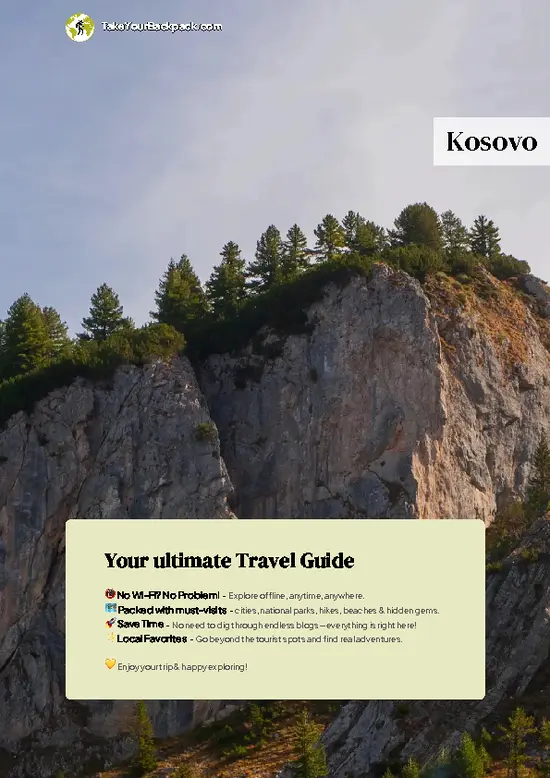
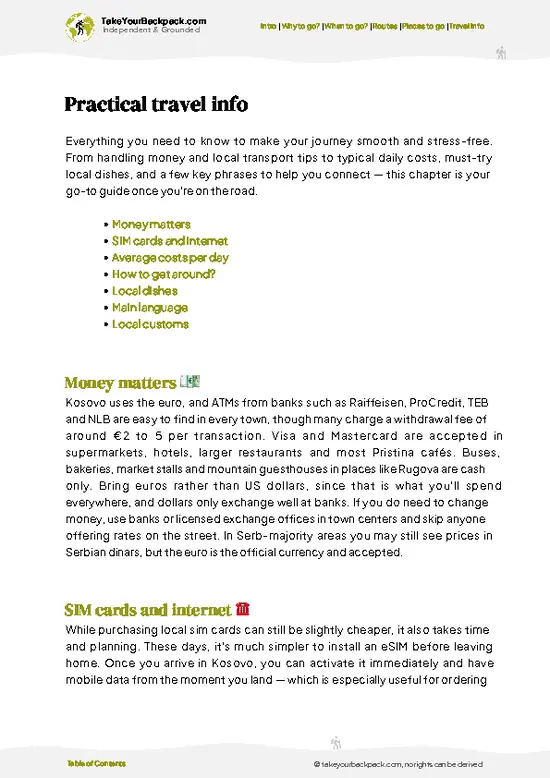
example page 0 from our offline Travel Guide for Kosovo
example page 1 from our offline Travel Guide for Kosovo
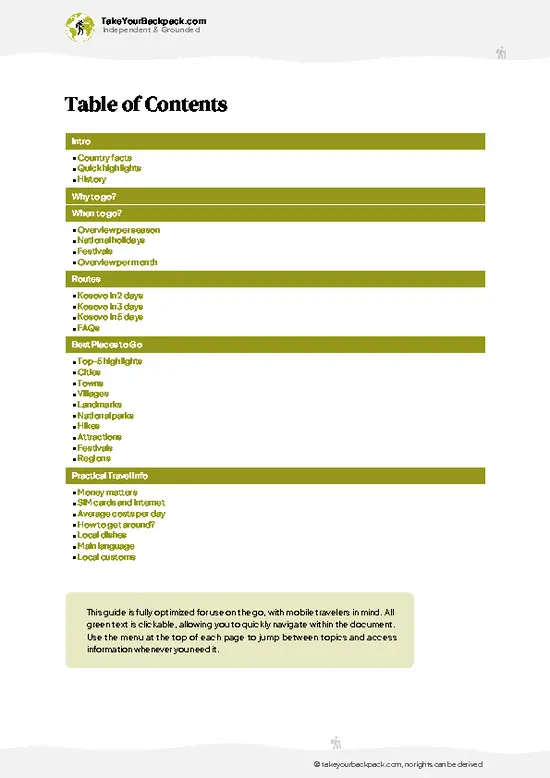
example page 2 from our offline Travel Guide for Kosovo
example page 3 from our offline Travel Guide for Kosovo
example page 4 from our offline Travel Guide for Kosovo
example page 5 from our offline Travel Guide for Kosovo
example page 6 from our offline Travel Guide for Kosovo
example page 7 from our offline Travel Guide for Kosovo
Loading the map 🌍
CLICK TO FILTER
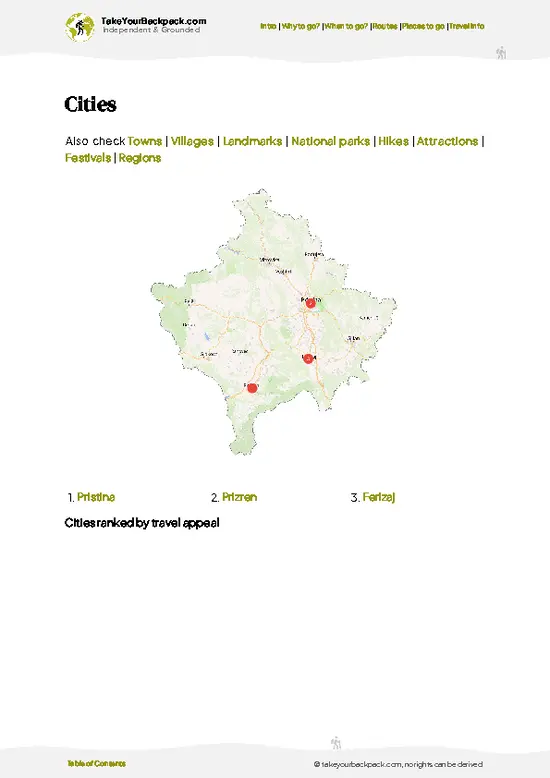
cities
towns
villages
landmarks
national parks
hikes
attractions
festivals
regions
SHOW COUNTRY’S BESTSHOW ALL

✨ Why go?
Ranked #1 region in Kosovo
Why Dukagjin Plain should be on your travel list

The Dukagjin Plain in Kosovo is a backpacker’s playground, and here’s why savvy travelers flock here. First off, the variety of landscapes is mind-blowing. You can hike the rugged mountains, chill by serene lakes, or wander through charming villages, all without the hassle of constant relocation.

This region offers multiple experiences that cater to every mood. Want adrenaline? Hit the trails. Craving culture? Explore local markets and historic sites. The beauty of the Dukagjin is that you can mix and match your adventures, making it easy to dive into both nature and culture seamlessly.

Transport is a breeze, too. With flexible options like buses and shared taxis, you can hop from one spot to another without breaking the bank. Plus, the slower pace of travel here encourages you to soak … read more 👉
The Dukagjin Plain in Kosovo is a backpacker’s playground, and here’s why savvy travelers flock here. First off, the variety of landscapes is mind-blowing. You can hike the rugged mountains, chill by serene lakes, or wander through charming villages, all without the hassle of constant relocation.

This region offers multiple experiences that cater to every mood. Want adrenaline? Hit the trails. Craving culture? Explore local markets and historic sites. The beauty of the Dukagjin is that you can mix and match your adventures, making it easy to dive into both nature and culture seamlessly.

Transport is a breeze, too. With flexible options like buses and shared taxis, you can hop from one spot to another without breaking the bank. Plus, the slower pace of travel here encourages you to soak it all in. You’re not just ticking off boxes; you’re living the experience.

By choosing the Dukagjin Plain, you’re not sacrificing comfort for adventure. Instead, you’re embracing a rich tapestry of experiences that make every moment count. Trust me, this is the kind of place that turns a trip into a story worth telling.

💡 HighlightsWhat this place is best known for

  • Visoki Dečani Monastery (Deçan) — A 14th-century Serbian Orthodox monastery with one of the Balkans’ richest program of medieval frescoes; UNESCO protected so photography rules and respectful dress apply. Go early to beat the minibus crowds and hear the acoustics in near-silence — that’s the moment that makes the visit stick. (Personal favorite.)
  • Patriarchate of Peć (Pejë) — Compact complex of medieval churches that served as the Serbian Orthodox seat for centuries; the painted interiors and layered rebuilds make the site a literal roadmap of regional history. Accessible from Peja town center on foot; allow an hour and dress calmly for an active religious site.
  • Gjakova Old Bazaar (Çarshia e Vjetër) with Hadum Mosque & Hammam — Ottoman bazaar cluster where low stone shops, the Hadum Mosque’s
… read more 👉
  • Visoki Dečani Monastery (Deçan) — A 14th-century Serbian Orthodox monastery with one of the Balkans’ richest program of medieval frescoes; UNESCO protected so photography rules and respectful dress apply. Go early to beat the minibus crowds and hear the acoustics in near-silence — that’s the moment that makes the visit stick. (Personal favorite.)
  • Patriarchate of Peć (Pejë) — Compact complex of medieval churches that served as the Serbian Orthodox seat for centuries; the painted interiors and layered rebuilds make the site a literal roadmap of regional history. Accessible from Peja town center on foot; allow an hour and dress calmly for an active religious site.
  • Gjakova Old Bazaar (Çarshia e Vjetër) with Hadum Mosque & Hammam — Ottoman bazaar cluster where low stone shops, the Hadum Mosque’s courtyard, and an old Turkish bath still shape daily life; the restored hammam now houses cultural exhibits and cafés. Visit late afternoon when artisans reopen and coffee culture fills the alleys.
  • White Drin Waterfall (Ujëvara e Drinit të Bardhë, Radavc) — A short drive from Peja brings you to a broad cascade and picnic terraces on the White Drin river; the path is short but can be slippery after rain, so wear solid shoes. Bring snacks — local vendors sell fresh pita and ayran nearby.
  • Peja Old Bazaar & Sahat Kulla (Clock Tower) — The bazaar quarter around Peja’s clock tower concentrates woodworking shops, small bakeries, and coffee spots where locals trade news; it’s the best place to pick up hand-cut wooden spoons or an affordable wool cap. Arrive midmorning for craftsmen at work.
  • Ethnographic Museum of Peja — Housed in an Ottoman-era building, this museum displays Dukagjin household gear, wedding costumes, and agricultural tools; it’s small, so factor 30-45 minutes. It’s a quick primer on how people here lived before modern migration, which changes how you read the rest of the plain.
  • Kullas — traditional Dukagjin stone tower houses — Scattered across villages around Deçan and Gjakova, these defensive stone family towers are a regional specialty; some are private but a few operate as guesthouses or offer tours through local guides. Seeking one out is the surest way to see authentic village life and domestic architecture up close.
Spotted a mistake or missing something? Contact us.

Things to do near Dukagjin Plain

Ratings based on Tripadvisor reviews. When you book through this link, you support our work at no extra cost to you.

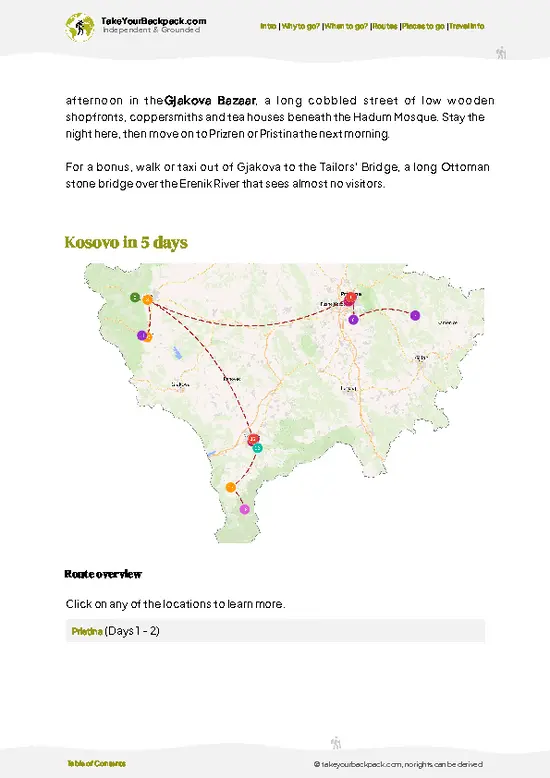
⌛️ 5 days5-day itinerary for Dukagjin Plain

Day 1: Peja
The journey kicks off in Peja, a vibrant town that serves as the gateway to the Dukagjin Plain. Start your day early; the bus system here is reliable but can be crowded. You’ll want to snag a seat for the scenic ride to the Rugova Canyon. This stunning gorge is a must-see, and the early morning light makes the cliffs glow. Spend the afternoon exploring the canyon’s trails, then return to Peja for a hearty dinner. The local cuisine is a treat, and you’ll need the energy for tomorrow.

Day 2: Gjakova
From Peja, take a quick bus ride to Gjakova. This town is a cultural hub, known for its historic bazaar. The transport is straightforward, but don’t rush; the bazaar is best enjoyed at a leisurely pace. Grab a coffee at one of the local cafes and soak in the atmosphere. The Ottoman … read more 👉
Day 1: Peja
The journey kicks off in Peja, a vibrant town that serves as the gateway to the Dukagjin Plain. Start your day early; the bus system here is reliable but can be crowded. You’ll want to snag a seat for the scenic ride to the Rugova Canyon. This stunning gorge is a must-see, and the early morning light makes the cliffs glow. Spend the afternoon exploring the canyon’s trails, then return to Peja for a hearty dinner. The local cuisine is a treat, and you’ll need the energy for tomorrow.

Day 2: Gjakova
From Peja, take a quick bus ride to Gjakova. This town is a cultural hub, known for its historic bazaar. The transport is straightforward, but don’t rush; the bazaar is best enjoyed at a leisurely pace. Grab a coffee at one of the local cafes and soak in the atmosphere. The Ottoman architecture here is a feast for the eyes. In the afternoon, visit the Ethnographic Museum for a deeper dive into Kosovo’s rich history.

Day 3: Decan
Next, head to Decan, a short bus ride away. The highlight here is the Decan Monastery, a UNESCO World Heritage site. The transport is less frequent, so plan your visit accordingly. The monastery is a peaceful retreat, and the frescoes are breathtaking. Spend the night in Decan; the local guesthouses offer a cozy experience.

Day 4: Off-Path Reward: The Bear Sanctuary
Take a detour to the Bear Sanctuary near Mramor. It’s a bit off the main route but worth every minute. The sanctuary rescues bears from captivity, and visiting supports their mission. You’ll get a chance to see these majestic animals up close, and the stories behind their rescue are heartwarming.

Day 5: Back to Peja
Return to Peja for your final day. Use this time to revisit your favorite spots or explore anything you missed. The bus system is efficient, allowing you to maximize your time.

The must-do day? Day 2 in Gjakova. The blend of culture, history, and local life here encapsulates the essence of the Dukagjin Plain. You’ll leave feeling like you’ve truly connected with the heart of Kosovo.

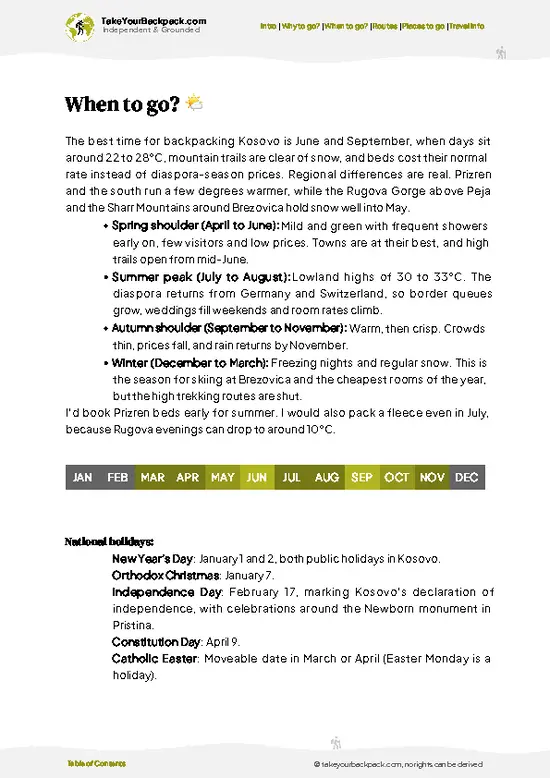
🌤️ When to go?Choosing the right time of year

  • Weather: Spring and early autumn are your sweet spots. Expect mild, dry days perfect for trekking—around 15-22°C (59-72°F). Summers can scorch, hitting 30°C (86°F) or more, which drains your energy fast on the trail.
  • Temperature: Winters dip below freezing, often hovering around 0°C (32°F) or colder at night. Not ideal unless you’re geared for snow and solitude. Late spring and early fall offer comfortable temps that keep you moving without overheating or freezing.
  • Daylight Hours: Peak daylight stretches from May to August, giving you up to 15 hours to explore. In contrast, winter days shrink to about 8 hours, cutting your hiking window drastically.
  • Crowds: The region is off the beaten path, but summer draws local tourists and weekenders. Visit shoulder seasons—April-May or September-October—to
… read more 👉
  • Weather: Spring and early autumn are your sweet spots. Expect mild, dry days perfect for trekking—around 15-22°C (59-72°F). Summers can scorch, hitting 30°C (86°F) or more, which drains your energy fast on the trail.
  • Temperature: Winters dip below freezing, often hovering around 0°C (32°F) or colder at night. Not ideal unless you’re geared for snow and solitude. Late spring and early fall offer comfortable temps that keep you moving without overheating or freezing.
  • Daylight Hours: Peak daylight stretches from May to August, giving you up to 15 hours to explore. In contrast, winter days shrink to about 8 hours, cutting your hiking window drastically.
  • Crowds: The region is off the beaten path, but summer draws local tourists and weekenders. Visit shoulder seasons—April-May or September-October—to enjoy near-empty trails and authentic village life.
  • Seasonal Activities: Late spring brings wildflowers and fresh mountain herbs, while autumn offers harvest festivals and crisp air perfect for campfires. Winter’s quiet is for hardcore adventurers only.
  • Price Fluctuations: Accommodation and local transport costs spike slightly in summer. Shoulder seasons offer better deals and more flexible bookings without sacrificing the experience.
Pro-tip: Aim for early October—cool, quiet, and the landscape shifts to rich autumn hues. You’ll feel like you’ve got the whole Dukagjin Plain to yourself, with the added bonus of local harvest feasts.


source: climatestotravel.comJANJanuary: below average for travelingFEBFebruary: below average for travelingMARMarch: fair for travelingAPRApril: highly recommended for travelingMAYMay: highly recommended for travelingJUNJune: good for travelingJULJuly: fair for travelingAUGAugust: fair for travelingSEPSeptember: highly recommended for travelingOCTOctober: excellent for travelingNOVNovember: good for travelingDECDecember: below average for traveling
kosovo-region-dukagjin-plain
© Google | Gabriel Matis

✈️ The backpacker research shortcutKosovo Travel Guide

An offline-friendly backpacking guide with optimized travel routes, ranked highlights, transport advice, and the best areas to stay.
example page 0 from our offline Travel Guide for Kosovo
example page 1 from our offline Travel Guide for Kosovo
example page 2 from our offline Travel Guide for Kosovo
example page 3 from our offline Travel Guide for Kosovo
example page 4 from our offline Travel Guide for Kosovo
example page 5 from our offline Travel Guide for Kosovo
example page 6 from our offline Travel Guide for Kosovo
example page 7 from our offline Travel Guide for Kosovo
The digital guide (257 pages) contains:
✅ 66 highlights, ranked by travel appeal
✅ Optimized 2, 3 & 5-day travel routes
✅ Cities, national parks, landmarks, beaches
✅ How to get around
✅ Offline-friendly for travel without Wi-Fi
👉 Click to see all 30+ guide features

📅 Plan smarter in minutes, not weeks
✅ Month by month travel advice
✅ Festivals & national holidays
✅ Budget expectations

🗺️ Go to the right places, skip the overrated ones
✅ Honest pros & cons of destinations
✅ Top hikes, parks & viewpoints
✅ Lesser-known places most travelers miss
✅ Clear “worth it vs skip it” guidance

🛏️ Travel smoothly without rookie mistakes
✅ Best areas to stay
✅ Transport systems explained simply
✅ Common scams & safety advice
✅ SIM cards, money & practical tips

🌍 Understand the country, not just visit it
✅ Culture & traditions
✅ 52 Essential phrases & customs
✅ Festivals worth planning around
✅ Traveler-friendly historical context
✅ Insights that make places more meaningful

📱 Built for real travel conditions
✅ Fully downloadable PDF
✅ Works completely offline
✅ Optimized for phone use
✅ Useful in remote areas & buses
✅ Everything in one place
Stop searching, start planning
Get instant access to your full guide. 30‑day money-back guarantee.
+ Add another guide for just

By proceeding you agree to our terms.
Sent to your inbox immediately after payment • 100% Secure Checkout
Best Backpacking Travel Advisor 2025 tourism awardBest Backpacking
Travel Advisor
2025
What others say about Take Your Backpack Guides:
⭐⭐⭐⭐⭐
Fantastic, amazing amount of information!
⭐⭐⭐⭐⭐
My goodness this is amazing, it's what I've been looking for hats off too you!
⭐⭐⭐⭐⭐
I think this is absolutely BRILLIANT
⭐⭐⭐⭐
Very complete and informative. It's still missing places, but I gotta to commend you
⭐⭐⭐⭐⭐
This is truly amazing, thank you, can't wait to explore it with my kids!
⭐⭐⭐⭐⭐
Awesome resource, thank you!
⭐⭐⭐⭐⭐
This is amazing! Can't wait to explore the ones I haven't seen
⭐⭐⭐⭐
I love this! Well done, great idea.
⭐⭐⭐⭐⭐
Thanks for taking the time to make this gem!
⭐⭐⭐⭐⭐
This might be the best website I've ever seen.
⭐⭐⭐⭐⭐
Congratulations, and thank you so much for your work; it's incredibly valuable.
⭐⭐⭐⭐
In all seriousness I think you did a great job pointing out the important spots
⭐⭐⭐⭐⭐
10/10 very good
⭐⭐⭐⭐⭐
As someone who's only just starting to visit regularly this is awesome, thank you.
⭐⭐⭐⭐
Thank you very much! I'm going to visit my dad, it's going to be very useful!
⭐⭐⭐⭐⭐
This is really cool! We'll be travelling for the first time and this definitely come in handy.
⭐⭐⭐⭐⭐
You are now our minister of culture, congratulations 👨‍💼
⭐⭐⭐⭐⭐
Just wanted to tell you that this is a pearl! Going to follow your recommendations.
⭐⭐⭐⭐⭐
This is so cool. I'll definitely be using the resource for my travels soon.
⭐⭐⭐⭐⭐
This is very impressive! Good work.
⭐⭐⭐⭐⭐
This is an amazing and informative site. Very well done!

🛏️ Where to stay?Best areas and accommodation options

In the heart of the Dukagjin Plain, you’ll find a few standout spots that are perfect for backpackers.

Start with Peja. This town is a magnet for travelers. It’s got a lively vibe, especially around the main square where locals gather. You can sip coffee and soak in the atmosphere, or hit up the nearby Rugova Canyon for some stunning hikes. The best part? It’s safe and welcoming, making it ideal for solo adventurers.

Next up is Gjakova. This place has a rich history and a charming old bazaar that feels like stepping back in time. The streets are lined with cafes where you can chat with locals … read more 👉
In the heart of the Dukagjin Plain, you’ll find a few standout spots that are perfect for backpackers.

Start with Peja. This town is a magnet for travelers. It’s got a lively vibe, especially around the main square where locals gather. You can sip coffee and soak in the atmosphere, or hit up the nearby Rugova Canyon for some stunning hikes. The best part? It’s safe and welcoming, making it ideal for solo adventurers.

Next up is Gjakova. This place has a rich history and a charming old bazaar that feels like stepping back in time. The streets are lined with cafes where you can chat with locals or fellow travelers. It’s a smaller town, so you’ll find it easy to connect with others. Plus, the prices are friendly on the wallet.

Don’t overlook Mitrovica. It’s a bit more complex, but that’s where the real stories are. The divide between the north and south offers a unique perspective on Kosovo’s history. Stay in the south for a more relaxed experience, and you’ll find a growing backpacker scene.

Each of these towns offers a different slice of life in Kosovo, balancing safety, social opportunities, and budget-friendly options. Choose wisely, and you’ll walk away with memories that last a lifetime.

🚌 Getting aroundGetting around like a local

The Dukagjin Plain is a wild mix of spontaneity and local charm, where schedules are more like suggestions than hard rules. Picture this: you’re standing at a bustling bus station, the air thick with the aroma of grilled meats and the chatter of locals. Here, time flows like the rivers that carve through the landscape—sometimes fast, sometimes slow, but always with a hint of unpredictability. You’ll find that getting around is less about rigid itineraries and more about embracing the moment. So, whether you’re hopping on a bus or flagging down a taxi, expect a bit of chaos, but also a lot of character.
  • Local Buses: These are your best friends for budget travel. They run frequently, usually from early morning until around 8 PM. A ticket costs about €1-2, and while they might not win any awards
… read more 👉
The Dukagjin Plain is a wild mix of spontaneity and local charm, where schedules are more like suggestions than hard rules. Picture this: you’re standing at a bustling bus station, the air thick with the aroma of grilled meats and the chatter of locals. Here, time flows like the rivers that carve through the landscape—sometimes fast, sometimes slow, but always with a hint of unpredictability. You’ll find that getting around is less about rigid itineraries and more about embracing the moment. So, whether you’re hopping on a bus or flagging down a taxi, expect a bit of chaos, but also a lot of character.
  • Local Buses: These are your best friends for budget travel. They run frequently, usually from early morning until around 8 PM. A ticket costs about €1-2, and while they might not win any awards for comfort, they’re a great way to mingle with locals and soak in the scenery.
  • Shared Taxis (Furgons): Think of these as the regional Uber, but with a twist. They leave when full, so timing is flexible. Fares range from €2-5 depending on the distance. They’re faster than buses and can be a fun way to meet fellow travelers. Just be ready for a cozy ride!
  • Private Taxis: If you’re in a hurry or traveling with a group, splurging on a private taxi can be worth it. Prices vary, but expect around €20-30 for longer distances. They offer comfort and flexibility, picking you up when you want and dropping you off right at your destination.
  • Bicycle Rentals: For the adventurous spirit, renting a bike can be a game-changer. Prices hover around €10 per day. You’ll get to explore at your own pace, and the flat terrain makes it easy to cover ground while enjoying the fresh air.
  • Walking: Don’t underestimate the power of your own two feet. Many towns and villages are compact, making walking a viable option. It’s free, and you’ll stumble upon hidden spots that you’d miss otherwise.

For a tactical tip: always ask locals about bus schedules or shared taxi availability. They often know the best times to travel, helping you avoid long waits and ensuring you catch the right ride. Embrace the flow, and you’ll navigate the Dukagjin Plain like a pro.

🍲 FoodLocal Cuisine & Drinks

In the Dukagjin Plain, food is a celebration of flavors and community. Start with flija, a layered pastry made with flour and milk, cooked slowly over an open flame. Each bite is a warm embrace, often shared among friends. Pair it with tavë kosi, a savory baked dish of lamb and yogurt that’s rich and comforting, perfect after a day of exploring.

For drinks, don’t miss out on rakija, a potent fruit brandy that locals sip with pride. It’s a rite of passage to share a shot with new friends, so embrace the moment. If you’re in the mood for something lighter, try kafa, a strong coffee served in small cups, often accompanied by a sweet treat.

Backpackers will find their best bites at bustling markets. Vendors serve up burek, flaky pastries filled with cheese or meat, perfect for a quick snack … read more 👉
In the Dukagjin Plain, food is a celebration of flavors and community. Start with flija, a layered pastry made with flour and milk, cooked slowly over an open flame. Each bite is a warm embrace, often shared among friends. Pair it with tavë kosi, a savory baked dish of lamb and yogurt that’s rich and comforting, perfect after a day of exploring.

For drinks, don’t miss out on rakija, a potent fruit brandy that locals sip with pride. It’s a rite of passage to share a shot with new friends, so embrace the moment. If you’re in the mood for something lighter, try kafa, a strong coffee served in small cups, often accompanied by a sweet treat.

Backpackers will find their best bites at bustling markets. Vendors serve up burek, flaky pastries filled with cheese or meat, perfect for a quick snack on the go. Street food stalls are your best bet for authentic flavors without breaking the bank.

Dining here is casual and communal. Expect to share tables and stories, and don’t be surprised if your meal comes with a side of laughter. When invited to someone’s home, bring a small gift—like sweets or fruit—as a token of appreciation. It’s all about connection, and the food is just the beginning.

FAQTraveler FAQ

3 to 4 days are sufficient to explore Dukagjin Plain thoroughly. This allows time to visit key towns like Peja and Klina, as well as nearby natural attractions such as the Rugova Canyon. Extra days may be needed for hiking or cultural immersion.
You can get around Dukagjin Plain using local buses and minibuses that connect major towns and villages. Walking and cycling are also practical for short distances, especially in and around Peja. Taxi services are available but can be costly compared to public transport.
Dukagjin Plain is known for its rich cultural heritage and natural beauty, including the Rugova Mountains and the Peja Patriarchate monastery. It is also recognized for traditional Albanian hospitality and vibrant local markets. The area is a gateway to outdoor activities like hiking and rafting.
⚠️ Things can change over time, so always validate details locally before you go.

Other Kosovar regions near Dukagjin Plain

Explore more nearby:

  • Shtupeq—Alpine meadows, karst formations, highland hamlets| 35 km away
  • Gazivoda Lake—Artificial reservoir, remote hills, border landscapes| 43 km away
  • Lake Batllava—Reservoir lake, pine forests, lakeside villages| 64 km away

💡 Not sure where to go next?
Create a personalized itinerary for Kosovo including Dukagjin Plain and the places that fit your trip.

Generate my itinerary

👉 Discover all regions

Or checkout all Kosovo has to offer (think cities, towns, villages, national parks, hikes, beaches, festivals)
Country photo of Kosovo

We 💚 feedbackWhat to keep in mind

The Dukagjin Plain is a treasure trove of authentic experiences. Picture sipping strong coffee with locals who share tales of resilience and culture. It’s a slice of Kosovo that feels untouched by time. But here’s the kicker: infrastructure can be hit or miss. Expect some bumpy roads and limited English, which might test your patience. Embrace it, though. That’s where the real adventure lies. You’ll leave with stories that no guidebook can capture.

✈️ When did I visit Kosovo?
In October 2025 I have walked the Peaks of the Balkans, crossing Albania, Kosovo and Montenegro.

✍️ Help improve this page!
The information on this page is based on my own backpacking experience in Kosovo, supplemented with up-to-date research and feedback from other travelers. Travel details can change, so if you notice anything outdated or incomplete, feel free to let me know.


🙋‍♂️ Give feedback

👋 Meet the founderWho’s Behind Take Your Backpack?

Johan, backpacker and founder of TakeYourBackpackHi, I’m Johan (Netherlands 🇳🇱), the creator of TakeYourBackpack. Over the past 3 decades, I’ve backpacked through 90+ countries across six continents, gaining extensive experience with independent travel, long-term trips, and overland routes.

This site is built on a combination of firsthand travel experience and carefully curated insights from other backpackers. Many guides are based on places I’ve personally visited, while others bring together tips, observations, and practical advice shared by trusted travelers I’ve met along the way.

The goal is to provide realistic, experience-driven guidance — not generic itineraries — so you can explore destinations with better context, clearer expectations, and more confidence.