v2.webp)


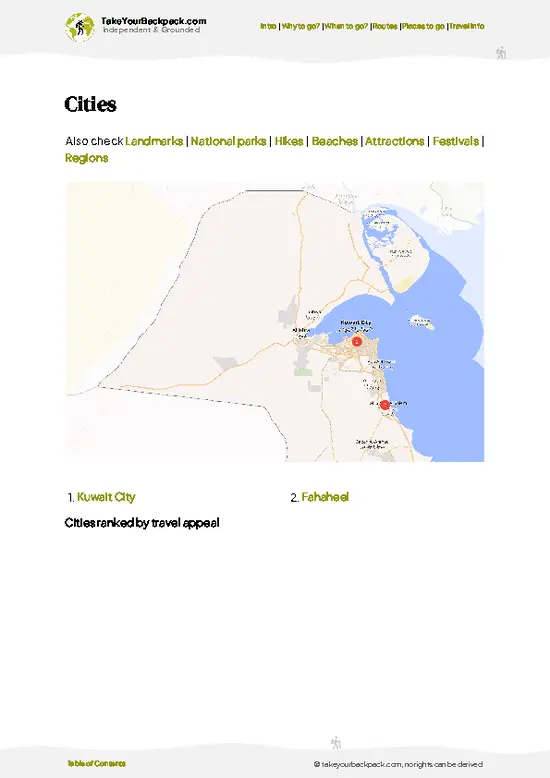
The Bullet-Scarred Villa
Forget the polished, airbrushed museum experience. The villa itself is the exhibit. You walk through rooms where the walls are still pockmarked with bullet holes and shrapnel scars from the 1991 Iraqi siege. No velvet ropes, no glass cases—just raw, physical evidence of a desperate last stand. It’s not pretty, but it’s real, and it hits harder than any curated display ever could.
The Rooftop Machine Gun Nest
Climb the narrow stairs and you’ll find the rooftop position where Kuwaiti resistance fighters made their final stand. The view isn’t about city skylines—it’s about perspective. You see what they saw: a suburban street, eerily ordinary, turned into a battleground. The battered sandbags and rusted weapon mounts are still there. It’s a gut-punch reminder that history … read more 👉
Forget the polished, airbrushed museum experience. The villa itself is the exhibit. You walk through rooms where the walls are still pockmarked with bullet holes and shrapnel scars from the 1991 Iraqi siege. No velvet ropes, no glass cases—just raw, physical evidence of a desperate last stand. It’s not pretty, but it’s real, and it hits harder than any curated display ever could.
The Rooftop Machine Gun Nest
Climb the narrow stairs and you’ll find the rooftop position where Kuwaiti resistance fighters made their final stand. The view isn’t about city skylines—it’s about perspective. You see what they saw: a suburban street, eerily ordinary, turned into a battleground. The battered sandbags and rusted weapon mounts are still there. It’s a gut-punch reminder that history … read more 👉
The Bullet-Scarred Villa
Forget the polished, airbrushed museum experience. The villa itself is the exhibit. You walk through rooms where the walls are still pockmarked with bullet holes and shrapnel scars from the 1991 Iraqi siege. No velvet ropes, no glass cases—just raw, physical evidence of a desperate last stand. It’s not pretty, but it’s real, and it hits harder than any curated display ever could.
The Rooftop Machine Gun Nest
Climb the narrow stairs and you’ll find the rooftop position where Kuwaiti resistance fighters made their final stand. The view isn’t about city skylines—it’s about perspective. You see what they saw: a suburban street, eerily ordinary, turned into a battleground. The battered sandbags and rusted weapon mounts are still there. It’s a gut-punch reminder that history happens in places that look just like your own neighborhood.
The Burned-Out Vehicles
Outside, you’ll find the charred remains of the resistance fighters’ vehicles. These aren’t props. They’re the actual cars used during the siege, left as they were—windows blown out, metal twisted by fire. It’s not subtle, and it’s not sanitized. The wreckage is a stark, physical reminder of the cost of resistance, and it’s more gripping than any plaque or documentary.
The Personal Artifacts
Inside, you’ll see the everyday objects left behind: blood-stained clothing, battered radios, handwritten notes. These aren’t just relics—they’re fragments of real lives, frozen at the moment everything changed. There’s a raw intimacy here that you won’t find in most war museums. It’s uncomfortable, and that’s the point.
The Unfiltered Storytelling
There’s no sugarcoating here. The museum’s displays and signage are blunt, sometimes graphic, and unapologetically local in their perspective. You get the story straight from the source, with all the pain, pride, and anger intact. If you want a glossy, feel-good narrative, look elsewhere. If you want to understand what courage looks like when it’s cornered, this is where you come.
Forget the polished, airbrushed museum experience. The villa itself is the exhibit. You walk through rooms where the walls are still pockmarked with bullet holes and shrapnel scars from the 1991 Iraqi siege. No velvet ropes, no glass cases—just raw, physical evidence of a desperate last stand. It’s not pretty, but it’s real, and it hits harder than any curated display ever could.
The Rooftop Machine Gun Nest
Climb the narrow stairs and you’ll find the rooftop position where Kuwaiti resistance fighters made their final stand. The view isn’t about city skylines—it’s about perspective. You see what they saw: a suburban street, eerily ordinary, turned into a battleground. The battered sandbags and rusted weapon mounts are still there. It’s a gut-punch reminder that history happens in places that look just like your own neighborhood.
The Burned-Out Vehicles
Outside, you’ll find the charred remains of the resistance fighters’ vehicles. These aren’t props. They’re the actual cars used during the siege, left as they were—windows blown out, metal twisted by fire. It’s not subtle, and it’s not sanitized. The wreckage is a stark, physical reminder of the cost of resistance, and it’s more gripping than any plaque or documentary.
The Personal Artifacts
Inside, you’ll see the everyday objects left behind: blood-stained clothing, battered radios, handwritten notes. These aren’t just relics—they’re fragments of real lives, frozen at the moment everything changed. There’s a raw intimacy here that you won’t find in most war museums. It’s uncomfortable, and that’s the point.
The Unfiltered Storytelling
There’s no sugarcoating here. The museum’s displays and signage are blunt, sometimes graphic, and unapologetically local in their perspective. You get the story straight from the source, with all the pain, pride, and anger intact. If you want a glossy, feel-good narrative, look elsewhere. If you want to understand what courage looks like when it’s cornered, this is where you come.
Spotted a mistake or missing something? Contact us.

Half Day licensed Tours in Kuwait City & Desert PickUp & DropOff

Full Day licensed Tours in Kuwait City & Desert PickUp & DropOff

Kuwait: Half-Day City & Desert Tour with Pick-Up & Drop-Off

Discover Bahrain: Authentic Tours with Local Guide.

History Tour of Stories That Shaped Kuwait by Kuwaiti Guide

Full Day Kuwait City Tour

Kuwait City Heritage Souq & Modern Shopping Malls Tour

Full Day Private Kuwait City and Desert Tour with a Local Guide

Kuwait City Oil & Gas Exhibition & Al Qurain Martyrs Museum Tour


 Best Backpacking
.jpg) Hi, I’m Johan (Netherlands 🇳🇱), the creator of TakeYourBackpack. Over the past 3 decades, I’ve backpacked through 90+ countries across six continents, gaining extensive experience with independent travel, long-term trips, and overland routes.
Hi, I’m Johan (Netherlands 🇳🇱), the creator of TakeYourBackpack. Over the past 3 decades, I’ve backpacked through 90+ countries across six continents, gaining extensive experience with independent travel, long-term trips, and overland routes.