v2.webp)


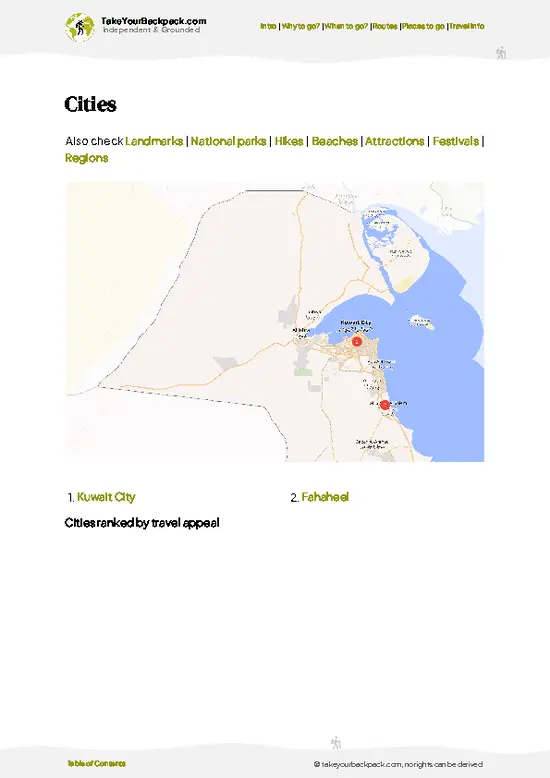
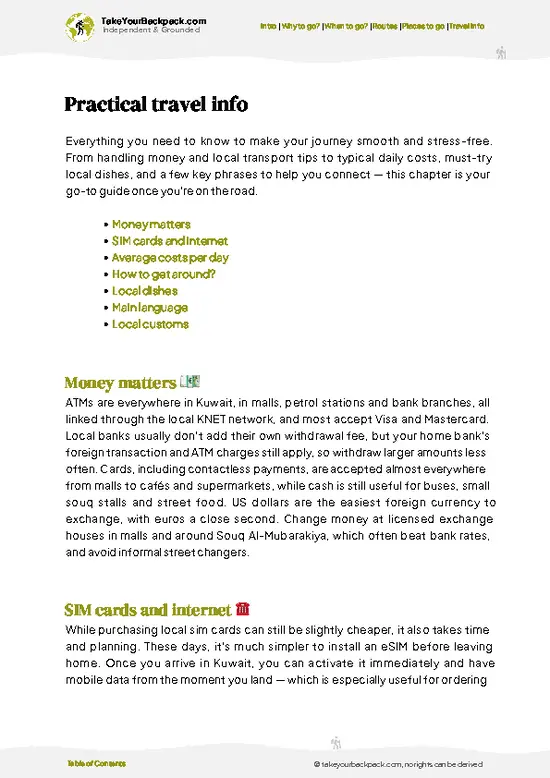
The Main Weaving Hall
Forget the Instagram shots of empty, sun-dappled rooms. Sadu House is rarely empty, and that’s a good thing. The main weaving hall is alive with the click and pull of traditional Bedouin looms. You’re not looking at static museum pieces. You’re watching real artisans—often women whose families have woven for generations—turn raw wool into geometric masterpieces. The patterns aren’t just pretty; they’re a living language, each stripe and diamond telling a story about desert survival and tribal identity. If you want to see craft as culture, not just décor, this is the room that delivers.
Hands-On Weaving Workshops
Here’s where Sadu House breaks the “look but don’t touch” museum mold. Sign up for a workshop and you’ll get your hands on the same tools used by Bedouin weavers. … read more 👉
Forget the Instagram shots of empty, sun-dappled rooms. Sadu House is rarely empty, and that’s a good thing. The main weaving hall is alive with the click and pull of traditional Bedouin looms. You’re not looking at static museum pieces. You’re watching real artisans—often women whose families have woven for generations—turn raw wool into geometric masterpieces. The patterns aren’t just pretty; they’re a living language, each stripe and diamond telling a story about desert survival and tribal identity. If you want to see craft as culture, not just décor, this is the room that delivers.
Hands-On Weaving Workshops
Here’s where Sadu House breaks the “look but don’t touch” museum mold. Sign up for a workshop and you’ll get your hands on the same tools used by Bedouin weavers. … read more 👉
The Main Weaving Hall
Forget the Instagram shots of empty, sun-dappled rooms. Sadu House is rarely empty, and that’s a good thing. The main weaving hall is alive with the click and pull of traditional Bedouin looms. You’re not looking at static museum pieces. You’re watching real artisans—often women whose families have woven for generations—turn raw wool into geometric masterpieces. The patterns aren’t just pretty; they’re a living language, each stripe and diamond telling a story about desert survival and tribal identity. If you want to see craft as culture, not just décor, this is the room that delivers.
Hands-On Weaving Workshops
Here’s where Sadu House breaks the “look but don’t touch” museum mold. Sign up for a workshop and you’ll get your hands on the same tools used by Bedouin weavers. It’s humbling—your first attempt will look like a woolen traffic accident—but the instructors are patient, and the process is oddly meditative. You’ll walk away with a new respect for the skill involved, and maybe a lopsided coaster to prove you tried.
The Courtyard Café
Most visitors miss this, distracted by the looms and textiles. But the shaded courtyard is where Sadu House breathes. Order strong Arabic coffee or mint tea, and you’ll find yourself surrounded by a mix of artists, students, and the occasional camel trader. The vibe is unpretentious and social—this isn’t a place for hushed reverence, but for conversation and people-watching. If you want to feel the pulse of Kuwait’s creative scene, linger here.
Temporary Exhibitions
Sadu House isn’t stuck in the past. The rotating exhibitions showcase everything from contemporary textile art to photography and sculpture, often with a Kuwaiti or regional twist. Some shows are hit-or-miss, but when they land, they spark real debate about tradition versus modernity. If you catch a good one, you’ll leave with your assumptions about “folk art” thoroughly upended.
The Gift Shop (Yes, Really)
Skip the airport souvenirs. The shop here stocks authentic, handwoven pieces—scarves, rugs, bags—that are actually made by the weavers you just watched. Prices aren’t cheap, but you’re paying for real craftsmanship, not factory knockoffs. If you want a souvenir with soul, this is where you find it.
Forget the Instagram shots of empty, sun-dappled rooms. Sadu House is rarely empty, and that’s a good thing. The main weaving hall is alive with the click and pull of traditional Bedouin looms. You’re not looking at static museum pieces. You’re watching real artisans—often women whose families have woven for generations—turn raw wool into geometric masterpieces. The patterns aren’t just pretty; they’re a living language, each stripe and diamond telling a story about desert survival and tribal identity. If you want to see craft as culture, not just décor, this is the room that delivers.
Hands-On Weaving Workshops
Here’s where Sadu House breaks the “look but don’t touch” museum mold. Sign up for a workshop and you’ll get your hands on the same tools used by Bedouin weavers. It’s humbling—your first attempt will look like a woolen traffic accident—but the instructors are patient, and the process is oddly meditative. You’ll walk away with a new respect for the skill involved, and maybe a lopsided coaster to prove you tried.
The Courtyard Café
Most visitors miss this, distracted by the looms and textiles. But the shaded courtyard is where Sadu House breathes. Order strong Arabic coffee or mint tea, and you’ll find yourself surrounded by a mix of artists, students, and the occasional camel trader. The vibe is unpretentious and social—this isn’t a place for hushed reverence, but for conversation and people-watching. If you want to feel the pulse of Kuwait’s creative scene, linger here.
Temporary Exhibitions
Sadu House isn’t stuck in the past. The rotating exhibitions showcase everything from contemporary textile art to photography and sculpture, often with a Kuwaiti or regional twist. Some shows are hit-or-miss, but when they land, they spark real debate about tradition versus modernity. If you catch a good one, you’ll leave with your assumptions about “folk art” thoroughly upended.
The Gift Shop (Yes, Really)
Skip the airport souvenirs. The shop here stocks authentic, handwoven pieces—scarves, rugs, bags—that are actually made by the weavers you just watched. Prices aren’t cheap, but you’re paying for real craftsmanship, not factory knockoffs. If you want a souvenir with soul, this is where you find it.
Spotted a mistake or missing something? Contact us.

Half Day licensed Tours in Kuwait City & Desert PickUp & DropOff

Full Day licensed Tours in Kuwait City & Desert PickUp & DropOff

Kuwait: Half-Day City & Desert Tour with Pick-Up & Drop-Off

Discover Bahrain: Authentic Tours with Local Guide.

History Tour of Stories That Shaped Kuwait by Kuwaiti Guide

Full Day Kuwait City Tour

Kuwait City Heritage Souq & Modern Shopping Malls Tour

Full Day Private Kuwait City and Desert Tour with a Local Guide

Kuwait City Oil & Gas Exhibition & Al Qurain Martyrs Museum Tour


 Best Backpacking
.jpg) Hi, I’m Johan (Netherlands 🇳🇱), the creator of TakeYourBackpack. Over the past 3 decades, I’ve backpacked through 90+ countries across six continents, gaining extensive experience with independent travel, long-term trips, and overland routes.
Hi, I’m Johan (Netherlands 🇳🇱), the creator of TakeYourBackpack. Over the past 3 decades, I’ve backpacked through 90+ countries across six continents, gaining extensive experience with independent travel, long-term trips, and overland routes.