×

Kyrgyzstan🇰🇬 | attractionsBurana Tower and Open-Air Museumancient minaret, Silk Road relics, panoramic steppe views | things to do and best time to go

Explore Chong-KeminExplore Ala-Too Square and State Historical Museum

Backpacking in Burana Tower and Open-Air Museum
🏆 Top pickattraction ranked #2
By Johan Kruseman 🇳🇱 | Updated September 4, 2026

Everyone’s seen the photos: a lone, ancient tower rising from the steppe, with influencers dangling their feet from the top, claiming they’ve “discovered” Silk Road secrets. Here’s the truth—Burana Tower isn’t about the perfect Instagram shot or ticking off another UNESCO-adjacent site. The real magic is standing in the wind, surrounded by centuries-old balbals (grave markers) and realizing you’re in the ghostly footprint of Balasagun, once a powerhouse city. You’ll find Burana Tower and its open-air museum about 80km east of Bishkek, near the village of Tokmok—close enough for a day trip, but far enough to shed the city’s noise. For backpackers, it’s a quick, affordable escape with a punch of history and a dash of adrenaline if you climb the claustrophobic spiral stairs. Yes, tour buses roll in, and the site is compact, but the crowds thin out fast. Compared to Kyrgyzstan’s wild mountains, Burana is less jaw-dropping, but it’s a rare, tactile link to the Silk Road’s real grit.

Discover everything you want to know in the 📖 Kyrgyzstan Travel Guide.
Loading the map 🌍
CLICK TO FILTER
cities
towns
villages
landmarks
national parks
hikes
beaches
attractions
festivals
regions
SHOW COUNTRY’S BESTSHOW ALL

✨ Why go?
Ranked #2 attraction in Kyrgyzstan
Reasons people choose to visit here

Burana Tower and the Open-Air Museum in Kyrgyzstan aren’t just another stop on the Silk Road checklist—they’re a raw, unvarnished slice of Central Asian history that demands your attention. Sure, it’s not a polished tourist trap with crowds elbowing for selfies, but that’s exactly why it’s worth your time. The Burana Tower itself is a towering remnant of the 11th-century Karakhanid Empire, a rare piece of architecture that survived centuries of upheaval and natural wear. Climbing its steep, uneven stairs is a workout, but the payoff is a panoramic view that connects you to the vastness of Kyrgyzstan’s steppe and the echoes of ancient traders who once passed through here.

The Open-Air Museum surrounding the tower is a quiet, contemplative space where you can see original petroglyphs, gravestones, … read more 👉
Burana Tower and the Open-Air Museum in Kyrgyzstan aren’t just another stop on the Silk Road checklist—they’re a raw, unvarnished slice of Central Asian history that demands your attention. Sure, it’s not a polished tourist trap with crowds elbowing for selfies, but that’s exactly why it’s worth your time. The Burana Tower itself is a towering remnant of the 11th-century Karakhanid Empire, a rare piece of architecture that survived centuries of upheaval and natural wear. Climbing its steep, uneven stairs is a workout, but the payoff is a panoramic view that connects you to the vastness of Kyrgyzstan’s steppe and the echoes of ancient traders who once passed through here.

The Open-Air Museum surrounding the tower is a quiet, contemplative space where you can see original petroglyphs, gravestones, and ruins that tell stories no guidebook can fully capture. It’s a cultural milestone on the country’s route, a place where history isn’t just displayed—it’s lived. For backpackers, it’s a moment to pause, reflect, and feel the weight of centuries without the distraction of crowds or commercial gloss. This isn’t about ticking a box; it’s about connecting with a place that’s stubbornly authentic.
Want to include Burana Tower and Open-Air Museum in your Kyrgyzstan route?
Create a personalized Kyrgyzstan itinerary that includes Burana Tower and Open-Air Museum and the places that fit your trip — based on your travel style, budget, and available time. Get your route in seconds.

Generate my trip

💡 HighlightsWhat this place is best known for

Climbing the Burana Tower
Let’s get real: the Burana Tower is not some pristine, untouched relic. It’s battered, patched, and leans a little—like a medieval Pisa that’s seen some things. The climb inside is a tight, spiral staircase that feels more like a medieval boot camp than a tourist stroll. But when you squeeze out at the top, you’re hit with a 360-degree sweep of the Chuy Valley. No glass barriers, no velvet ropes—just wind, sky, and the same view Silk Road traders saw a thousand years ago. If you want a photo, you’ll have to earn it. This is the raw, unfiltered version of “epic view.” (Personal favorite—nothing else at Burana gives you this sense of time travel and accomplishment.)


The Balbals (Ancient Stone Warriors)
Forget the Instagrammed “mystical” captions—these grave markers are … read more 👉
Climbing the Burana Tower
Let’s get real: the Burana Tower is not some pristine, untouched relic. It’s battered, patched, and leans a little—like a medieval Pisa that’s seen some things. The climb inside is a tight, spiral staircase that feels more like a medieval boot camp than a tourist stroll. But when you squeeze out at the top, you’re hit with a 360-degree sweep of the Chuy Valley. No glass barriers, no velvet ropes—just wind, sky, and the same view Silk Road traders saw a thousand years ago. If you want a photo, you’ll have to earn it. This is the raw, unfiltered version of “epic view.” (Personal favorite—nothing else at Burana gives you this sense of time travel and accomplishment.)


The Balbals (Ancient Stone Warriors)
Forget the Instagrammed “mystical” captions—these grave markers are blunt, weathered, and weirdly charismatic. Scattered across the grass, each balbal is carved with a face, sometimes clutching a cup or sword, sometimes just staring you down with centuries-old indifference. They’re not roped off or sanitized. You can walk right up, trace the grooves, and feel the grit. It’s a direct handshake with the past, and the randomness of their arrangement makes it feel more like a field of ghosts than a museum exhibit.


The Open-Air Museum’s Petroglyphs
You’ll find boulders etched with ancient graffiti—ibex, hunters, and cryptic symbols. No glass cases, no explanatory plaques every two meters. Just you, the rocks, and the sun. The best part? You have to hunt for them. It’s a scavenger hunt for grown-ups, and the reward is the thrill of discovery. These carvings are older than most countries, and you’ll probably have them all to yourself.


Silk Road Ruins and Foundations
Don’t expect a Disney-fied “ancient city.” What’s left of Balasagun is mostly low walls and scattered bricks. But if you know what you’re looking at, it’s a rare chance to stand in the footprint of a Silk Road metropolis. The emptiness is the point: you’re not elbowing through crowds, you’re wandering the bones of a forgotten empire. Bring your imagination, and the silence will do the rest.


The On-Site Mini Museum
It’s not flashy, but it’s honest. Inside a squat building, you’ll find pottery, coins, and tools dug up right here. No overproduced videos or interactive screens—just artifacts and faded labels. It’s the kind of place where you can linger without being herded, and every object is a direct link to the people who built, lived, and died at Burana. If you want context, this is where you get it—straight, no chaser.
Spotted a mistake or missing something? Contact us.

Things to do near Burana Tower and Open-Air Museum

Ratings based on Tripadvisor reviews. When you book through this link, you support our work at no extra cost to you.

🌤️ When to go?Choosing the right time of year


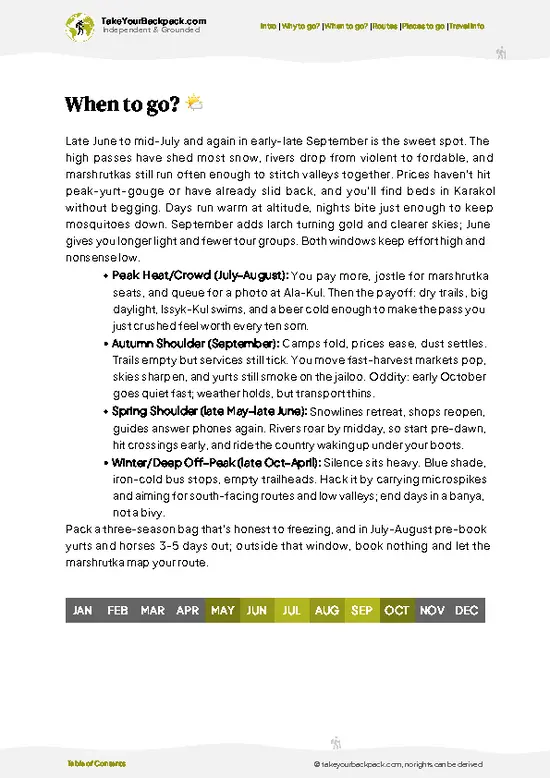
  • Weather: The best weather hits between May and September. Expect warm days from 15°C to 25°C (59°F to 77°F), perfect for wandering without freezing or frying. Winters are brutal, often below -10°C (14°F), making the ruins less accessible and less enjoyable.

  • Temperature: Spring and early autumn offer mild temps, around 10°C to 20°C (50°F to 68°F), ideal for layering. Summer peaks can reach 30°C (86°F), which might drain your energy if you’re hiking around the open-air museum.

  • Daylight Hours: Long summer days stretch up to 15 hours, giving you plenty of daylight to explore. Winter days shrink to about 9 hours, limiting your window for sightseeing and photography.

  • Crowds: June through August draw the most tourists, especially local groups and tour buses. If you want a quieter experience,
read more 👉

  • Weather: The best weather hits between May and September. Expect warm days from 15°C to 25°C (59°F to 77°F), perfect for wandering without freezing or frying. Winters are brutal, often below -10°C (14°F), making the ruins less accessible and less enjoyable.

  • Temperature: Spring and early autumn offer mild temps, around 10°C to 20°C (50°F to 68°F), ideal for layering. Summer peaks can reach 30°C (86°F), which might drain your energy if you’re hiking around the open-air museum.

  • Daylight Hours: Long summer days stretch up to 15 hours, giving you plenty of daylight to explore. Winter days shrink to about 9 hours, limiting your window for sightseeing and photography.

  • Crowds: June through August draw the most tourists, especially local groups and tour buses. If you want a quieter experience, aim for late April or September when the crowds thin but the weather stays decent.

  • Seasonal Activities: Summer hosts local festivals and occasional archaeological tours, adding cultural depth. Outside these months, the site feels more like a ghost town, which some find hauntingly beautiful but others might find dull.

  • Price Fluctuations: Entry fees and local services stay fairly stable year-round, but accommodation and transport costs spike in peak summer months due to increased demand.


Pro-tip: Visit in late spring or early autumn to dodge the heat and crowds, soak in the site’s raw history, and keep your budget intact.


source: climatestotravel.comJANJanuary: below average for travelingFEBFebruary: below average for travelingMARMarch: fair for travelingAPRApril: highly recommended for travelingMAYMay: excellent for travelingJUNJune: excellent for travelingJULJuly: excellent for travelingAUGAugust: excellent for travelingSEPSeptember: highly recommended for travelingOCTOctober: good for travelingNOVNovember: fair for travelingDECDecember: below average for traveling
when-to-go

✈️ The backpacker research shortcutKyrgyzstan Travel Guide

An offline-friendly backpacking guide with optimized travel routes, ranked highlights, transport advice, and the best areas to stay.
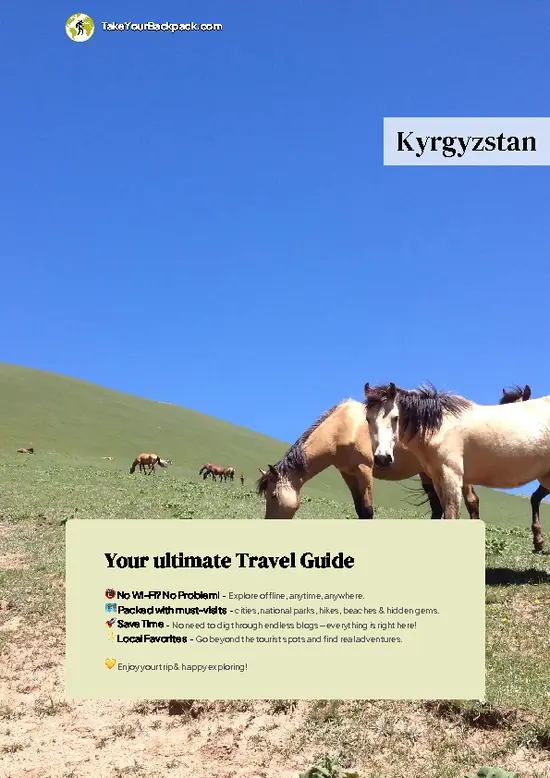
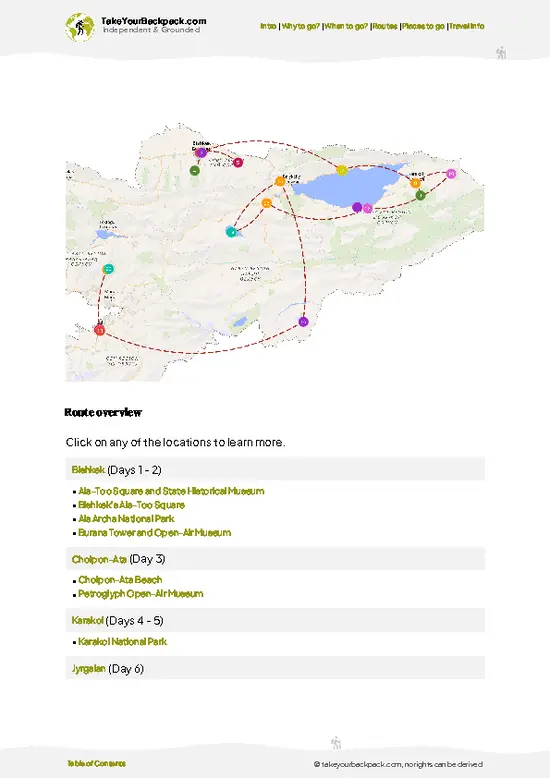
example page 0 from our offline Travel Guide for Kyrgyzstan
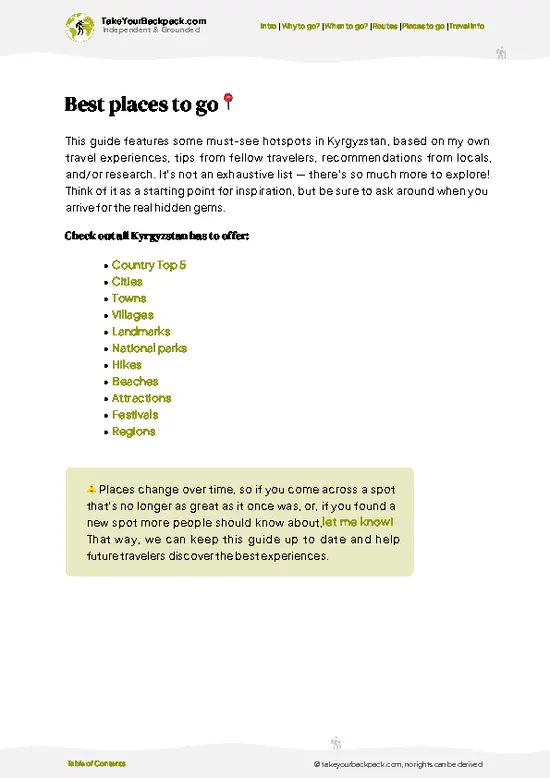
example page 1 from our offline Travel Guide for Kyrgyzstan
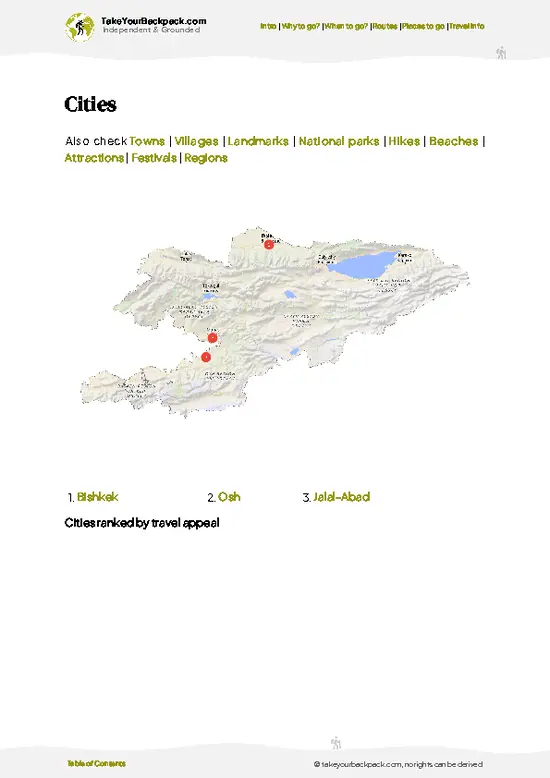
example page 2 from our offline Travel Guide for Kyrgyzstan
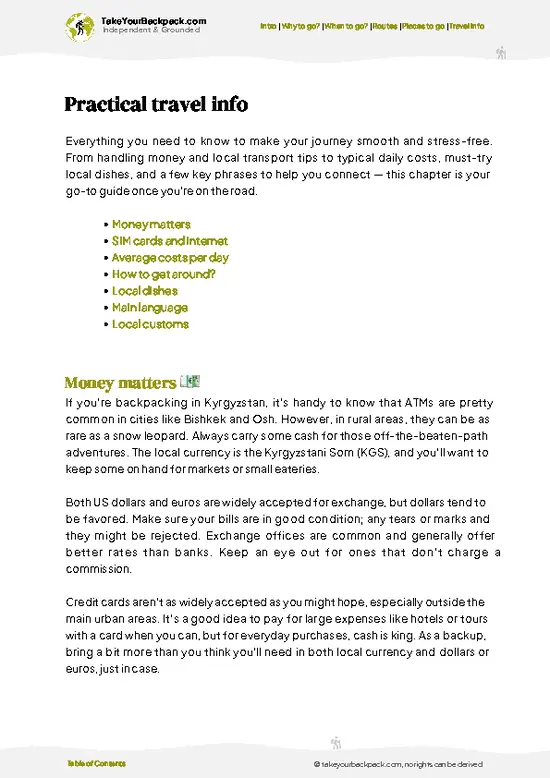
example page 3 from our offline Travel Guide for Kyrgyzstan
example page 4 from our offline Travel Guide for Kyrgyzstan
example page 5 from our offline Travel Guide for Kyrgyzstan
example page 6 from our offline Travel Guide for Kyrgyzstan
example page 7 from our offline Travel Guide for Kyrgyzstan
The digital guide (296 pages) contains:
77 highlights, ranked by travel appeal
Optimized 5, 10 & 15-day travel routes
Cities, national parks, landmarks, beaches
How to get around
Offline-friendly for travel without Wi-Fi
👉 Click to see all 30+ guide features

📅 Plan smarter in minutes, not weeks
Month by month travel advice
Festivals & national holidays
Budget expectations

🗺️ Go to the right places, skip the overrated ones
Honest pros & cons of destinations
Top hikes, parks & viewpoints
Lesser-known places most travelers miss
Clear “worth it vs skip it” guidance

🛏️ Travel smoothly without rookie mistakes
Best areas to stay
Transport systems explained simply
Common scams & safety advice
SIM cards, money & practical tips

🌍 Understand the country, not just visit it
Culture & traditions
52 Essential phrases & customs
Festivals worth planning around
Traveler-friendly historical context
Insights that make places more meaningful

📱 Built for real travel conditions
Fully downloadable PDF
Works completely offline
Optimized for phone use
Useful in remote areas & buses
Everything in one place
Save weeks of stressful planning
Get instant access to your full guide. 30‑day money-back guarantee.
+ Add another guide for just US$7.80

By proceeding you agree to our terms.
Sent to your inbox immediately after payment • 100% Secure Checkout
Best Backpacking Travel Advisor 2025 tourism awardBest Backpacking
Travel Advisor
2025
What others say about Take Your Backpack Guides:
⭐⭐⭐⭐⭐
Fantastic, amazing amount of information!
⭐⭐⭐⭐⭐
My goodness this is amazing, it's what I've been looking for hats off too you!
⭐⭐⭐⭐⭐
I think this is absolutely BRILLIANT
⭐⭐⭐⭐
Very complete and informative. It's still missing places, but I gotta to commend you
⭐⭐⭐⭐⭐
This is truly amazing, thank you, can't wait to explore it with my kids!
⭐⭐⭐⭐⭐
Awesome resource, thank you!
⭐⭐⭐⭐⭐
This is amazing! Can't wait to explore the ones I haven't seen
⭐⭐⭐⭐
I love this! Well done, great idea.
⭐⭐⭐⭐⭐
Thanks for taking the time to make this gem!
⭐⭐⭐⭐⭐
This might be the best website I've ever seen.
⭐⭐⭐⭐⭐
Congratulations, and thank you so much for your work; it's incredibly valuable.
⭐⭐⭐⭐
In all seriousness I think you did a great job pointing out the important spots
⭐⭐⭐⭐⭐
10/10 very good
⭐⭐⭐⭐⭐
As someone who's only just starting to visit regularly this is awesome, thank you.
⭐⭐⭐⭐
Thank you very much! I'm going to visit my dad, it's going to be very useful!
⭐⭐⭐⭐⭐
This is really cool! We'll be travelling for the first time and this definitely come in handy.
⭐⭐⭐⭐⭐
You are now our minister of culture, congratulations 👨‍💼
⭐⭐⭐⭐⭐
Just wanted to tell you that this is a pearl! Going to follow your recommendations.
⭐⭐⭐⭐⭐
This is so cool. I'll definitely be using the resource for my travels soon.
⭐⭐⭐⭐⭐
This is very impressive! Good work.
⭐⭐⭐⭐⭐
This is an amazing and informative site. Very well done!

🛏️ Where to stay?Best areas to stay in Kyrgyzstan

Burana Tower isn’t some postcard-perfect, crowd-free wonderland. It’s a magnet for day-trippers from Bishkek and tour groups, especially in peak season. The site itself is small, and the crowds can feel like a herd. Don’t expect to have the place to yourself or find a quiet corner to soak in the history without bumping into selfie sticks. Entrance fees are modest, but the real cost is time spent navigating the tourist throng.

That said, the real magic happens just outside the immediate tourist bubble. The best spots for backpackers are in the nearby villages and small towns scattered around the … read more 👉
Burana Tower isn’t some postcard-perfect, crowd-free wonderland. It’s a magnet for day-trippers from Bishkek and tour groups, especially in peak season. The site itself is small, and the crowds can feel like a herd. Don’t expect to have the place to yourself or find a quiet corner to soak in the history without bumping into selfie sticks. Entrance fees are modest, but the real cost is time spent navigating the tourist throng.

That said, the real magic happens just outside the immediate tourist bubble. The best spots for backpackers are in the nearby villages and small towns scattered around the Chuy Valley. These places offer a genuine slice of Kyrgyz life—think yurt stays, local homestays, and guesthouses where you can swap stories over homemade kumis or freshly baked bread. Safety isn’t an issue here; locals are welcoming, and the pace is slow, perfect for solo travelers craving connection without the tourist gloss.

Staying in these villages means you’re not just a visitor—you’re part of the rhythm of daily life. You’ll find social hubs in small teahouses and local markets, where language barriers break down over shared meals. It’s rougher around the edges than a polished hostel in Bishkek, but that’s exactly why it’s worth it. This is where the Burana Tower experience deepens beyond the tower itself—into the heart of Kyrgyz culture.

👛 Costs (as of 4 September 2026)Typical daily expenses

As of the most recent estimates, the entrance fee for the Burana Tower and Open-Air Museum in Kyrgyzstan is approximately 60 Kyrgyzstani som (KGS) for the tower and 40 KGS for the museum, totaling around 100 KGS per person. This equates to approximately €1.50 to €2.50, depending on the current exchange rate. ([kyrgyzstantravel.com](https://www.kyrgyzstantravel.com/guide-kyrgyzstan/attraction/burana-minaret?utm_source=openai))

source: kyrgyzstantravel.com
⚠️ Prices can change and everyone travels differently, so take this as a rough guide. Hope it helps you plan your adventure!

FAQCommon questions from travelers

2 to 3 hours is sufficient to visit Burana Tower and the Open-Air Museum, allowing time to climb the tower and explore the surrounding ruins and petroglyphs.
Yes, the entrance fee of around 150 KGS (about 2 USD) is worth it for the historical significance and well-preserved artifacts from the ancient Silk Road era.
You can reach Burana Tower by taking a marshrutka (shared minibus) from Bishkek to Tokmok, then a short taxi ride or a 5 km walk to the site; the total distance from Bishkek is about 80 km.
⚠️ Things can change over time, so always validate details locally before you go.

Other Kyrgyz attractions near Burana Tower and Open-Air Museum

Explore more nearby:


💡 Not sure where to go next?
Create a personalized itinerary for Kyrgyzstan including Burana Tower and Open-Air Museum and the places that fit your trip.

Generate my itinerary

👉 Discover all attractions

Or checkout all Kyrgyzstan has to offer (think cities, towns, villages, national parks, hikes, beaches, festivals)
Country photo of Kyrgyzstan

We 💚 feedbackFinal thoughts on visiting Burana Tower and Open-Air Museum

Burana Tower isn’t some polished postcard spot—it’s rough around the edges, with crowds that swell midday and a ticket price that feels steep for Kyrgyzstan. But here’s the kicker: climbing that ancient minaret, you’re literally stepping into a thousand-year-old story carved in stone and legend. It’s not about flashy tourist traps; it’s about feeling the pulse of Central Asia’s forgotten past, raw and real. That’s why it sticks with you.

✈️ When did I visit Kyrgyzstan?
I started my 1.5 year travel around the world trip in June 2015 in Kyrgyzstan.

✍️ Help improve this page!
The information on this page is based on my own backpacking experience in Kyrgyzstan, supplemented with up-to-date research and feedback from other travelers. Travel details can change, so if you notice anything outdated or incomplete, feel free to let me know.


🙋‍♂️ Give feedback

👋 Meet the founderWho’s Behind Take Your Backpack?

Johan, backpacker and founder of TakeYourBackpackHi, I’m Johan (Netherlands 🇳🇱), the creator of TakeYourBackpack. Over the past decade, I’ve backpacked through 80+ countries across six continents, gaining extensive experience with independent travel, long-term trips, and overland routes.

This site is built on a combination of firsthand travel experience and carefully curated insights from other backpackers. Many guides are based on places I’ve personally visited, while others bring together tips, observations, and practical advice shared by trusted travelers I’ve met along the way.

The goal is to provide realistic, experience-driven guidance — not generic itineraries — so you can explore destinations with better context, clearer expectations, and more confidence.

Get full Kyrgyzstan guide •
Instant download • 77 highlights • Full Offline guide