v2.webp)
- Dawn alms and monk ceremonies — The festival is first and foremost religious, so the early-morning alms and chanting are the real spine of the event. Standing among saffron-robed monks as they move quietly through the crowds, receiving offerings, gives you a raw, unfiltered glimpse of Lao devotion that’s both solemn and surprisingly communal.
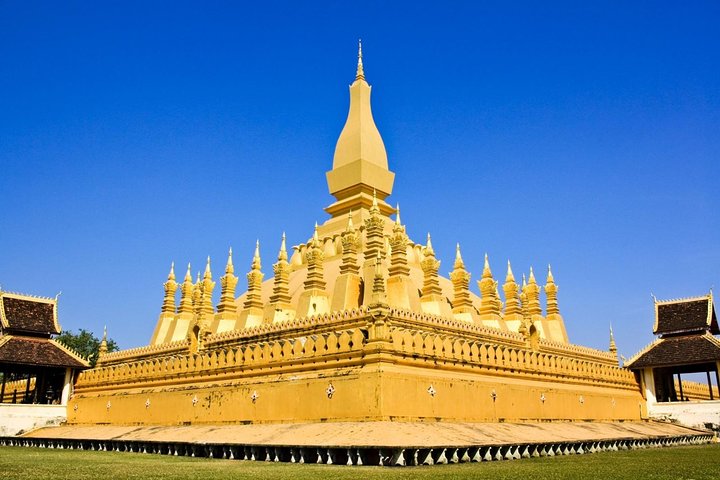
- Candlelit circumambulation around Pha That Luang — At dusk the stupa is ringed by people walking and holding candles or incense, creating a slow, glowing procession. It’s not just photogenic; the rhythm of steps, flutter of candles and murmured prayers build a trance-like atmosphere you won’t get at any ordinary tourist spectacle.
- Colorful parades and traditional floats — Expect elaborate floats, regional costumes and lively pageantry as local communities
- Dawn alms and monk ceremonies — The festival is first and foremost religious, so the early-morning alms and chanting are the real spine of the event. Standing among saffron-robed monks as they move quietly through the crowds, receiving offerings, gives you a raw, unfiltered glimpse of Lao devotion that’s both solemn and surprisingly communal.
- Candlelit circumambulation around Pha That Luang — At dusk the stupa is ringed by people walking and holding candles or incense, creating a slow, glowing procession. It’s not just photogenic; the rhythm of steps, flutter of candles and murmured prayers build a trance-like atmosphere you won’t get at any ordinary tourist spectacle.
- Colorful parades and traditional floats — Expect elaborate floats, regional costumes and lively pageantry as local communities march offerings to the stupa. The mix of lacquered ornaments, woven textiles and brass band music makes the parade a living postcard of Lao identity — loud, messy and utterly joyful.
- Traditional music and dance performances — Stages around the festival showcase classical court dances and folk ensembles playing Lao string and reed instruments. These performances are a good chance to hear local rhythms and see costumes up close, often performed by community troupes rather than polished commercial acts.
- Street food, night market and handicrafts — The festival doubles as a huge local market: sticky rice vendors, grilled fish, noodle stalls and small artisans selling textiles and silver. It’s where you’ll eat the best cheap food, haggle for a handmade souvenir, and observe the everyday side of the celebration when locals relax and socialize after the rituals.
Spotted a mistake or missing something? Contact us.

Vientiane Cultural Tour with Private Guide
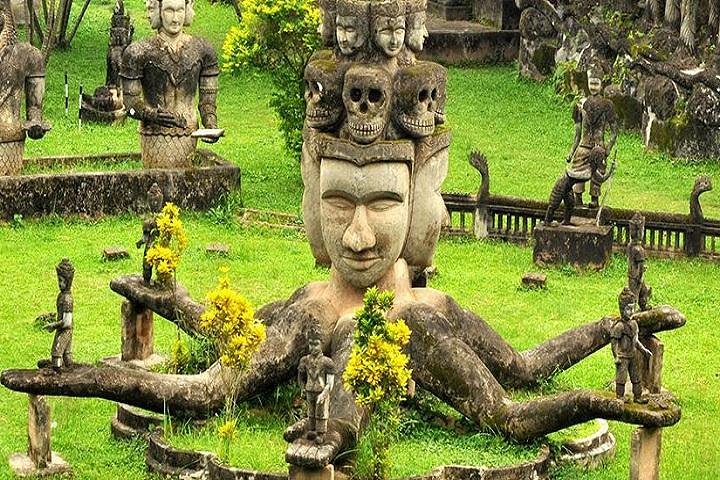
Private Tour: Vientiane City Tour Full Day with Buddha Park
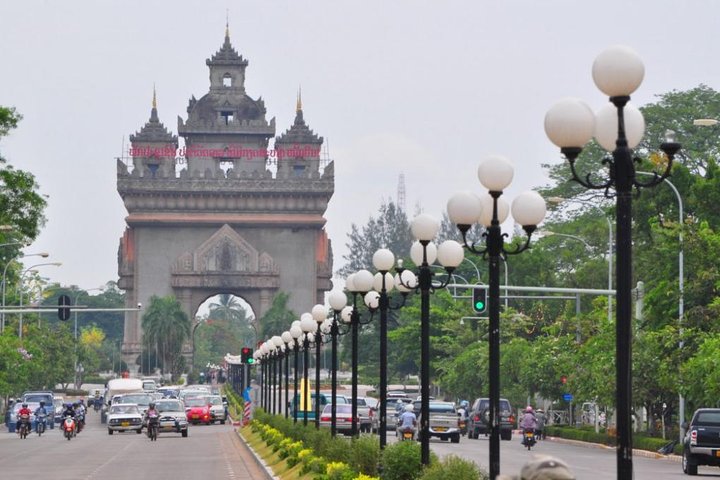
Vientiane Half-Day City Tour

Vientiane Private Full-Day Tour with Buddha Park and Lunch

Vientiane Landmarks and Cultural Immersion Tour

Private Full Day Vientiane City Tour
Vientiane City Day Tour and Buddha Park Visit with Lunch | Laos

Half-Day Vientiane City Bike Tour | Laos

6-Day Best Laos Private Tour with 4-star Hotels, Fully Guided

 Best Backpacking
.jpg) Hi, I’m Johan (Netherlands 🇳🇱), the creator of TakeYourBackpack. Over the past decade, I’ve backpacked through 80+ countries across six continents, gaining extensive experience with independent travel, long-term trips, and overland routes.
Hi, I’m Johan (Netherlands 🇳🇱), the creator of TakeYourBackpack. Over the past decade, I’ve backpacked through 80+ countries across six continents, gaining extensive experience with independent travel, long-term trips, and overland routes.