×

Laos🇱🇦 | national parksPhou Xang He National Protected Areasavanna grasslands, sandstone outcrops, ethnic villages | things to do and best time to go

Explore Phou Phanang National Protected AreaExplore Bolaven Plateau

Backpacking in Phou Xang He National Protected Area
👌 Worth visitingnational park ranked #10
By Johan Kruseman 🇳🇱 | Updated October 15, 2026

Your boots slide on red dust as a gibbon calls somewhere in the trees, and the air feels thick enough to drink. A leech inches up your sock; a village kid laughs and flicks it off like it’s nothing. That’s Phou Xang He National Protected Area, in Savannakhet Province in southern Laos. It’s wilder and rougher than Thakhek’s loop viewpoints or the more visited Dong Phou Vieng: fewer marked trails, basic homestays instead of comfy lodges, almost no crowds, and low entrance fees paid via local guides. The payoff is real forest, real wildlife if you’re patient, and long, sweaty hikes that feel more like an expedition than a park stroll.

Discover everything you want to know in the 📖 Laos Travel Guide.


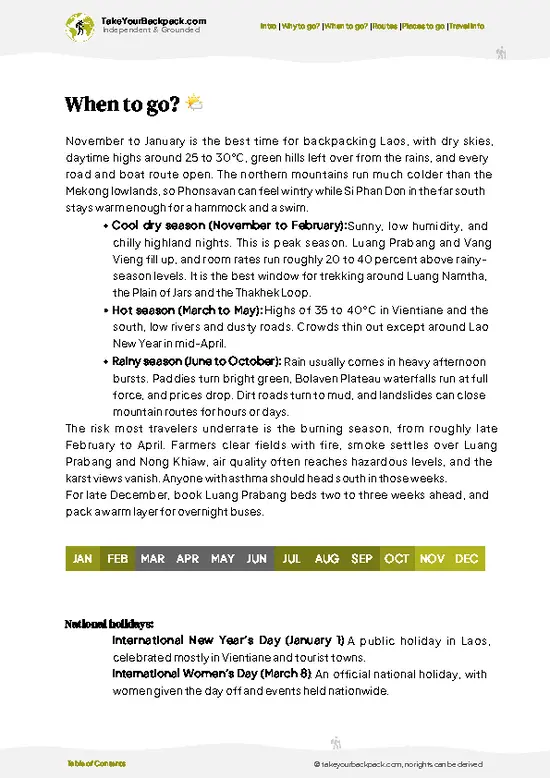
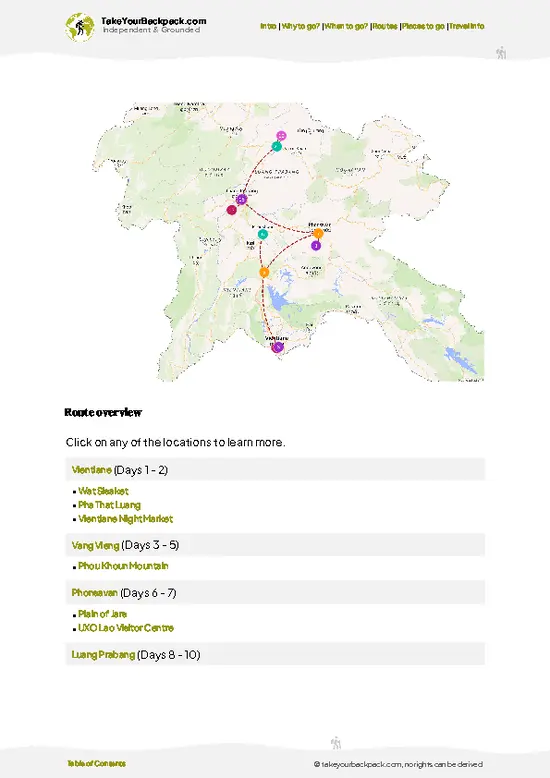
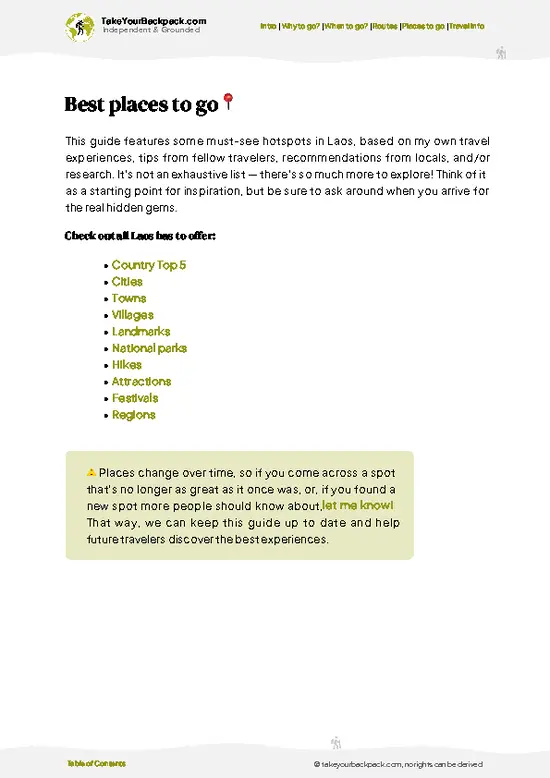
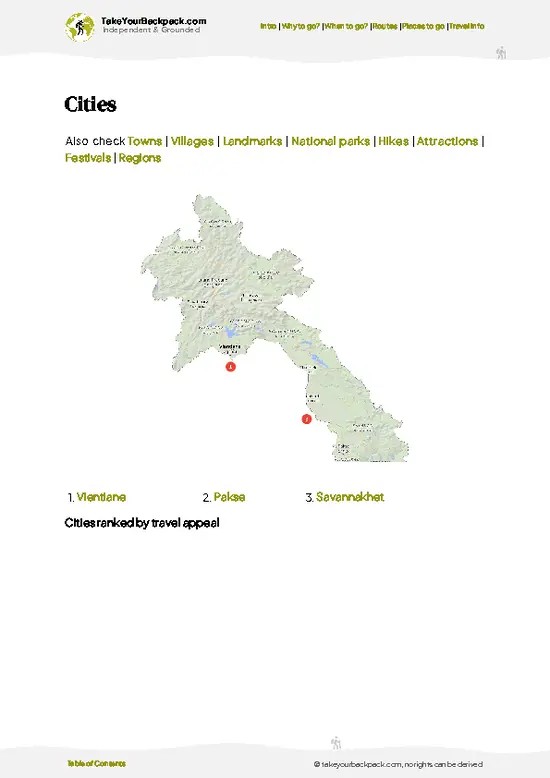
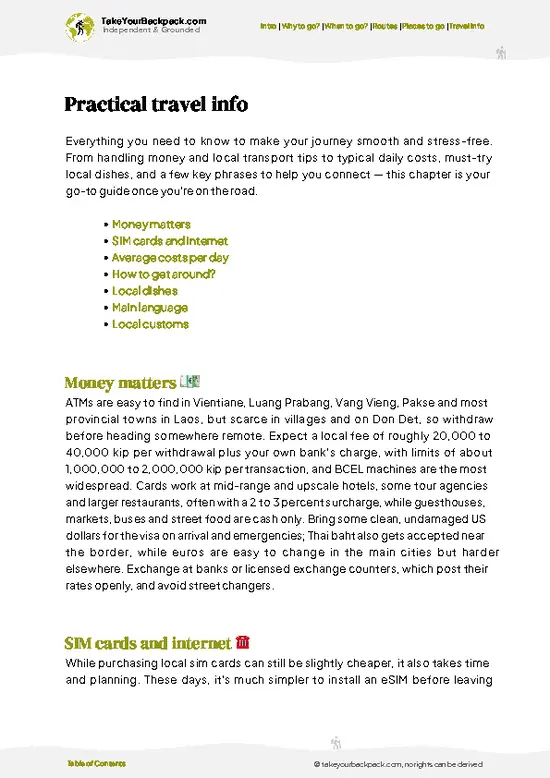
example page 0 from our offline Travel Guide for Laos
example page 1 from our offline Travel Guide for Laos
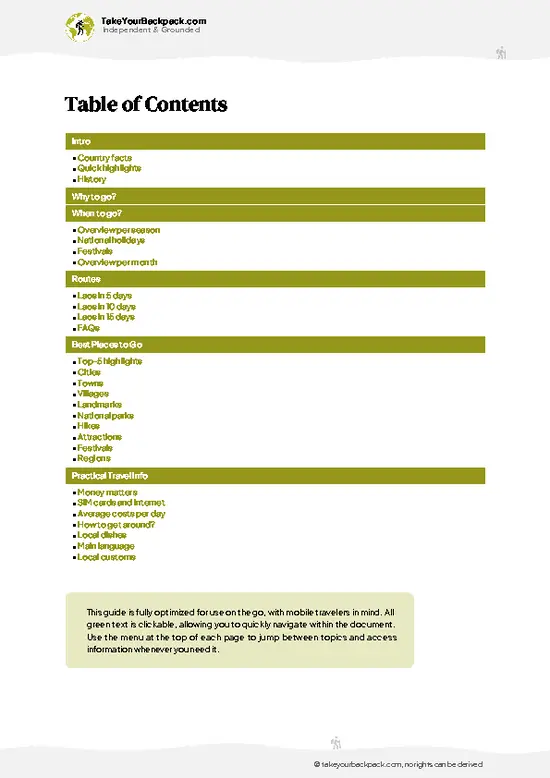
example page 2 from our offline Travel Guide for Laos
example page 3 from our offline Travel Guide for Laos
example page 4 from our offline Travel Guide for Laos
example page 5 from our offline Travel Guide for Laos
example page 6 from our offline Travel Guide for Laos
example page 7 from our offline Travel Guide for Laos
Loading the map 🌍
CLICK TO FILTER
cities
towns
villages
landmarks
national parks
hikes
attractions
festivals
regions
SHOW COUNTRY’S BESTSHOW ALL

✨ Why go?
Ranked #10 national park in Laos
What sets this place apart

Backpackers flock to Phou Xang He National Protected Area for its blend of independent exploration and budget-friendly options. The park offers a variety of trails, from easy walks to challenging hikes, catering to different skill levels. This diversity allows you to tailor your experience based on your energy and time.

Camping is a viable choice here, with several budget campsites and hostels nearby, making it easy to stretch your funds. You can set up camp under the stars or find a cozy spot in a hostel to recharge.

What sets Phou Xang He apart is its suitability for self-guided travelers. While guided tours exist, the well-marked trails and accessible maps empower you to navigate at your own pace. This freedom means you can linger at scenic spots or rush through if time is tight. Just … read more 👉
Backpackers flock to Phou Xang He National Protected Area for its blend of independent exploration and budget-friendly options. The park offers a variety of trails, from easy walks to challenging hikes, catering to different skill levels. This diversity allows you to tailor your experience based on your energy and time.

Camping is a viable choice here, with several budget campsites and hostels nearby, making it easy to stretch your funds. You can set up camp under the stars or find a cozy spot in a hostel to recharge.

What sets Phou Xang He apart is its suitability for self-guided travelers. While guided tours exist, the well-marked trails and accessible maps empower you to navigate at your own pace. This freedom means you can linger at scenic spots or rush through if time is tight. Just be prepared for the occasional unexpected weather or tricky terrain, which can test your resolve but ultimately enrich your adventure.

💡 HighlightsTop highlights of Phou Xang He National Protected Area

  • Ridge-top viewpoints — Sharp ridgelines and summits give those classic panoramic views over layered forest and valley fog; perfect for sunrise or late-afternoon light and far fewer people than the better-known parks.
  • Primary evergreen forest — Big tracts of intact, mixed dipterocarp and montane forest that feel genuinely wild; the scale and density are what make this place feel like real wilderness rather than a manicured trail.
  • Birdwatching hotspot — A rich mix of lowland and hill species means good chances for colorful passerines, bulbuls and hornbills; bring binoculars and a quiet morning schedule and you’ll be rewarded.
  • Signs of large wildlife — Camera-trap studies and tracks show the park supports elusive mammals (primates, deer, and other forest specialists); sightings are rare,
… read more 👉
  • Ridge-top viewpoints — Sharp ridgelines and summits give those classic panoramic views over layered forest and valley fog; perfect for sunrise or late-afternoon light and far fewer people than the better-known parks.
  • Primary evergreen forest — Big tracts of intact, mixed dipterocarp and montane forest that feel genuinely wild; the scale and density are what make this place feel like real wilderness rather than a manicured trail.
  • Birdwatching hotspot — A rich mix of lowland and hill species means good chances for colorful passerines, bulbuls and hornbills; bring binoculars and a quiet morning schedule and you’ll be rewarded.
  • Signs of large wildlife — Camera-trap studies and tracks show the park supports elusive mammals (primates, deer, and other forest specialists); sightings are rare, but the habitat is prime for wildlife enthusiasts who enjoy tracking and patience.
  • Waterfalls and stream valleys — Small cascades tucked into narrow valleys provide cool swimming spots and pleasant picnic stops after a sweaty hike; best after the rains when flows are strongest.
  • Ethnic villages and agroforest mosaics — Small local communities on the park edge offer a chance to see traditional shifting cultivation, forest gardens and simple homestays — a cultural complement to the natural highlights.
  • Multi-day trekking routes — Remote trails that can be linked into 2-4 day circuits reward you with solitude, campable clearings and changing habitat zones; ideal for backpackers who like route-finding and lightweight camping.
Spotted a mistake or missing something? Contact us.

🌤️ When to go?Seasonal considerations and timing

  • Weather: The dry season from November to April is your best bet. Rainfall drops significantly, making trails less slippery and river crossings safer. The wet season (May to October) brings heavy rains that can turn paths into mud traps and swell rivers unpredictably.
  • Temperature: Expect daytime highs around 25-30°C (77-86°F) during the dry season, with cooler nights dipping to 15°C (59°F). The wet season is warmer and more humid, often pushing 30-35°C (86-95°F), which can sap your energy fast.
  • Daylight Hours: Daylight is fairly consistent year-round, roughly 11-12 hours daily. Early starts are crucial to maximize cooler morning hours and avoid afternoon heat or rain.
  • Crowds: Phou Xang He is off the beaten path, so crowds are minimal year-round. However, the dry season sees a slight uptick
… read more 👉
  • Weather: The dry season from November to April is your best bet. Rainfall drops significantly, making trails less slippery and river crossings safer. The wet season (May to October) brings heavy rains that can turn paths into mud traps and swell rivers unpredictably.
  • Temperature: Expect daytime highs around 25-30°C (77-86°F) during the dry season, with cooler nights dipping to 15°C (59°F). The wet season is warmer and more humid, often pushing 30-35°C (86-95°F), which can sap your energy fast.
  • Daylight Hours: Daylight is fairly consistent year-round, roughly 11-12 hours daily. Early starts are crucial to maximize cooler morning hours and avoid afternoon heat or rain.
  • Crowds: Phou Xang He is off the beaten path, so crowds are minimal year-round. However, the dry season sees a slight uptick in visitors, mostly local and regional trekkers, so expect more activity on popular trails.
  • Seasonal Activities: Wildlife spotting peaks in the dry season when animals gather near water sources. The wet season offers lush greenery but less reliable wildlife sightings and more challenging trekking conditions.
  • Price Fluctuations: Accommodation and guide fees remain stable year-round due to low tourist volume. However, transport costs can rise slightly in the dry season as demand increases.
Pro-tip: Plan your trek for the early dry season (November-December) to enjoy cooler temperatures, manageable crowds, and prime wildlife viewing without the peak-season price hikes.


source: climatestotravel.comJANJanuary: excellent for travelingFEBFebruary: excellent for travelingMARMarch: highly recommended for travelingAPRApril: highly recommended for travelingMAYMay: fair for travelingJUNJune: fair for travelingJULJuly: below average for travelingAUGAugust: below average for travelingSEPSeptember: fair for travelingOCTOctober: good for travelingNOVNovember: excellent for travelingDECDecember: excellent for traveling
when-to-go

✈️ The backpacker research shortcutLaos Travel Guide

An offline-friendly backpacking guide with optimized travel routes, ranked highlights, transport advice, and the best areas to stay.
example page 0 from our offline Travel Guide for Laos
example page 1 from our offline Travel Guide for Laos
example page 2 from our offline Travel Guide for Laos
example page 3 from our offline Travel Guide for Laos
example page 4 from our offline Travel Guide for Laos
example page 5 from our offline Travel Guide for Laos
example page 6 from our offline Travel Guide for Laos
example page 7 from our offline Travel Guide for Laos
The digital guide (276 pages) contains:
✅ 73 highlights, ranked by travel appeal
✅ Optimized 5, 10 & 15-day travel routes
✅ Cities, national parks, landmarks, beaches
✅ How to get around
✅ Offline-friendly for travel without Wi-Fi
👉 Click to see all 30+ guide features

📅 Plan smarter in minutes, not weeks
✅ Month by month travel advice
✅ Festivals & national holidays
✅ Budget expectations

🗺️ Go to the right places, skip the overrated ones
✅ Honest pros & cons of destinations
✅ Top hikes, parks & viewpoints
✅ Lesser-known places most travelers miss
✅ Clear “worth it vs skip it” guidance

🛏️ Travel smoothly without rookie mistakes
✅ Best areas to stay
✅ Transport systems explained simply
✅ Common scams & safety advice
✅ SIM cards, money & practical tips

🌍 Understand the country, not just visit it
✅ Culture & traditions
✅ 52 Essential phrases & customs
✅ Festivals worth planning around
✅ Traveler-friendly historical context
✅ Insights that make places more meaningful

📱 Built for real travel conditions
✅ Fully downloadable PDF
✅ Works completely offline
✅ Optimized for phone use
✅ Useful in remote areas & buses
✅ Everything in one place
Stop searching, start planning
Get instant access to your full guide. 30‑day money-back guarantee.
+ Add another guide for just

By proceeding you agree to our terms.
Sent to your inbox immediately after payment • 100% Secure Checkout
Best Backpacking Travel Advisor 2025 tourism awardBest Backpacking
Travel Advisor
2025
What others say about Take Your Backpack Guides:
⭐⭐⭐⭐⭐
Fantastic, amazing amount of information!
⭐⭐⭐⭐⭐
My goodness this is amazing, it's what I've been looking for hats off too you!
⭐⭐⭐⭐⭐
I think this is absolutely BRILLIANT
⭐⭐⭐⭐
Very complete and informative. It's still missing places, but I gotta to commend you
⭐⭐⭐⭐⭐
This is truly amazing, thank you, can't wait to explore it with my kids!
⭐⭐⭐⭐⭐
Awesome resource, thank you!
⭐⭐⭐⭐⭐
This is amazing! Can't wait to explore the ones I haven't seen
⭐⭐⭐⭐
I love this! Well done, great idea.
⭐⭐⭐⭐⭐
Thanks for taking the time to make this gem!
⭐⭐⭐⭐⭐
This might be the best website I've ever seen.
⭐⭐⭐⭐⭐
Congratulations, and thank you so much for your work; it's incredibly valuable.
⭐⭐⭐⭐
In all seriousness I think you did a great job pointing out the important spots
⭐⭐⭐⭐⭐
10/10 very good
⭐⭐⭐⭐⭐
As someone who's only just starting to visit regularly this is awesome, thank you.
⭐⭐⭐⭐
Thank you very much! I'm going to visit my dad, it's going to be very useful!
⭐⭐⭐⭐⭐
This is really cool! We'll be travelling for the first time and this definitely come in handy.
⭐⭐⭐⭐⭐
You are now our minister of culture, congratulations 👨‍💼
⭐⭐⭐⭐⭐
Just wanted to tell you that this is a pearl! Going to follow your recommendations.
⭐⭐⭐⭐⭐
This is so cool. I'll definitely be using the resource for my travels soon.
⭐⭐⭐⭐⭐
This is very impressive! Good work.
⭐⭐⭐⭐⭐
This is an amazing and informative site. Very well done!

🛏️ Where to stay?How to pick the right area

Phou Xang He National Protected Area is a stunning slice of Laos, but finding the right place to stay can be tricky. Inside the park, options are limited. There are a few basic guesthouses and homestays scattered around, but they often lack amenities. Expect simple accommodations, and be ready for a rustic experience.

For a more comfortable stay, head to nearby towns like Muang Hiam or Phonsavan. Muang Hiam has a couple of budget-friendly guesthouses that offer decent beds and local food. Phonsavan, a bit further away, has more variety, including hostels and hotels that cater to backpackers. … read more 👉
Phou Xang He National Protected Area is a stunning slice of Laos, but finding the right place to stay can be tricky. Inside the park, options are limited. There are a few basic guesthouses and homestays scattered around, but they often lack amenities. Expect simple accommodations, and be ready for a rustic experience.

For a more comfortable stay, head to nearby towns like Muang Hiam or Phonsavan. Muang Hiam has a couple of budget-friendly guesthouses that offer decent beds and local food. Phonsavan, a bit further away, has more variety, including hostels and hotels that cater to backpackers.

Keep in mind that transportation can be a hassle. If you’re planning to explore the park, factor in travel time and costs. Bring cash; ATMs are scarce. By choosing your base wisely, you’ll save energy and funds for the adventures that await in the lush landscapes of Phou Xang He.

👛 Costs (as of 15 October 2026)How expensive it really is

Visiting Phou Xang He National Protected Area in Laos involves several costs that can sneak up on you if you’re not prepared.

First, the entrance fee is around $2 to $5 USD. This small amount grants you access to the park, but keep in mind that fees can vary based on the season or any special events.

Transportation is another key factor. If you’re coming from nearby towns, expect to pay about $10 to $20 USD for a tuk-tuk or shared taxi. If you’re feeling adventurous and opt for a motorbike rental, that’ll set you back around $5 to $10 USD per day. Just remember to factor in fuel costs, which are generally low but can add up.

Guided tours are available and can range from $30 to $100 USD, depending on the length and inclusivity of the package. These tours often cover meals and equipment, … read more 👉
Visiting Phou Xang He National Protected Area in Laos involves several costs that can sneak up on you if you’re not prepared.

First, the entrance fee is around $2 to $5 USD. This small amount grants you access to the park, but keep in mind that fees can vary based on the season or any special events.

Transportation is another key factor. If you’re coming from nearby towns, expect to pay about $10 to $20 USD for a tuk-tuk or shared taxi. If you’re feeling adventurous and opt for a motorbike rental, that’ll set you back around $5 to $10 USD per day. Just remember to factor in fuel costs, which are generally low but can add up.

Guided tours are available and can range from $30 to $100 USD, depending on the length and inclusivity of the package. These tours often cover meals and equipment, which can be a good deal if you’re planning to hike or explore more remote areas.

Food and drink within the park are limited. Budget around $5 to $15 USD for meals if you find a local eatery. Bringing your own snacks and water can save you money and keep you energized.

Lastly, consider any additional activities like birdwatching or cultural experiences, which may have their own fees. Always check for any hidden costs before committing.

Being aware of these expenses will help you manage your budget effectively, allowing you to focus on enjoying the natural beauty and unique experiences that Phou Xang He has to offer.


source: tourismlaos.org
⚠️ Prices can change and everyone travels differently, so take this as a rough guide. Hope it helps you plan your adventure!

🥾 TrailsBest hikes in Phou Xang He National Protected Area national park

Phou Xang He National Protected Area is a hidden gem in Laos, perfect for those looking to escape the usual tourist trails. The park’s rugged terrain features dense forests, steep hills, and stunning viewpoints that offer panoramic views of the surrounding landscape. Wildlife enthusiasts will be thrilled to spot various species, including rare birds and maybe even a gibbon or two if you’re lucky. The hiking here can range from easy strolls to challenging treks, making it suitable for different skill levels.

One of the standout trails is Phou Xang He Summit Trail. Here are the details:
  • Length:
… read more 👉
Phou Xang He National Protected Area is a hidden gem in Laos, perfect for those looking to escape the usual tourist trails. The park’s rugged terrain features dense forests, steep hills, and stunning viewpoints that offer panoramic views of the surrounding landscape. Wildlife enthusiasts will be thrilled to spot various species, including rare birds and maybe even a gibbon or two if you’re lucky. The hiking here can range from easy strolls to challenging treks, making it suitable for different skill levels.

One of the standout trails is Phou Xang He Summit Trail. Here are the details:
  • Length: 8 km
  • Estimated Duration: 4-5 hours
  • Difficulty Level: Moderate
  • Key Features: Scenic viewpoints, diverse flora, potential wildlife sightings
  • Terrain: Steep inclines, rocky paths, and some muddy sections

Getting to the park isn’t too tricky. You can catch a bus from nearby towns like Luang Prabang to the nearest village, and from there, it’s a short hike or a local ride to the park entrance. It’s not overly crowded, so you can enjoy the tranquility of nature without feeling like you’re in a theme park. As for the entrance fee, it’s usually pretty low, making it a budget-friendly option for travelers. Just remember to pack some snacks and water, as facilities are limited once you’re on the trails!
⚠️ Hiking info can sometimes be outdated or inaccurate. Before you hit the trail, check the latest conditions with locals. If you do spot anything that's off, I'd love to hear from you, so I can update it for fellow travelers.

🛡️ SafetyScams, Hazards, and Annoyances

Phou Xang He National Protected Area offers a rewarding experience, but it’s wise to be prepared. Weather can shift quickly, especially during the rainy season, so pack a reliable rain jacket and check forecasts before heading out. The terrain varies; some trails are steep and can be slippery after rain. Good footwear is essential—opt for sturdy, grippy hiking boots.

Wildlife encounters are possible, but most animals are shy. If you spot something, keep your distance and don’t feed them. Respect their space. Navigation can be tricky in dense areas, so download offline maps or carry a compass.

Timing matters; start early to avoid afternoon storms and maximize daylight. Stay hydrated and pace yourself, especially on challenging sections. With these tips, you’ll enjoy the park’s beauty without unnecessary stress.

FAQFrequently asked questions about Phou Xang He National Protected Area

3 to 4 days are sufficient to explore Phou Xang He National Protected Area thoroughly, allowing time for trekking and wildlife observation. The park covers a large area with diverse habitats, so plan for multiple days to experience its main trails and viewpoints.
No, visiting Phou Xang He National Protected Area without a car is challenging due to limited public transport options. Most travelers hire a private vehicle or join a tour from nearby towns like Pakse, as the park is about 70 kilometers from Pakse and not well connected by buses.
Yes, an entrance permit is required to enter Phou Xang He National Protected Area. The fee is typically around 20,000 to 30,000 LAK (about 2 to 3 USD), payable at the park entrance or through local tour operators.
⚠️ Things can change over time, so always validate details locally before you go.

Other Laotian national parks near Phou Xang He National Protected Area

Explore more nearby:


💡 Not sure where to go next?
Create a personalized itinerary for Laos including Phou Xang He National Protected Area and the places that fit your trip.

Generate my itinerary

👉 Discover all national parks

Or checkout all Laos has to offer (think cities, towns, villages, national parks, hikes, beaches, festivals)
Country photo of Laos

We 💚 feedbackSumming up the experience

Phou Xang He is a breath of fresh air, but don’t underestimate the terrain. The trails can be tricky, so sturdy shoes are a must. The real surprise? The local communities are welcoming and eager to share their stories. Embrace the slow pace; it’s part of the charm. Just keep cash handy for small purchases—ATMs are scarce. This place rewards those who take their time. Enjoy every moment; it’s worth it.

✍️ Help improve this page!
The information on this page is based on in-depth research, insights shared by experienced travelers, and feedback from the local travel community in Laos. While every effort is made to keep the information accurate and current, conditions can change — so if you spot anything incorrect or outdated, please get in touch.


🙋‍♂️ Give feedback

👋 Meet the founderWho’s Behind Take Your Backpack?

Johan, backpacker and founder of TakeYourBackpackHi, I’m Johan (Netherlands 🇳🇱), the creator of TakeYourBackpack. Over the past 3 decades, I’ve backpacked through 90+ countries across six continents, gaining extensive experience with independent travel, long-term trips, and overland routes.

This site is built on a combination of firsthand travel experience and carefully curated insights from other backpackers. Many guides are based on places I’ve personally visited, while others bring together tips, observations, and practical advice shared by trusted travelers I’ve met along the way.

The goal is to provide realistic, experience-driven guidance — not generic itineraries — so you can explore destinations with better context, clearer expectations, and more confidence.