×

Lebanon🇱🇧 | landmarksRoman ruins of AnjarUmayyad city grid, colonnaded streets, mountain backdrop | things to do and best time to go

Explore QanaExplore Saidon Sea Castle

Backpacking in Roman ruins of Anjar
🏆 Top pickunique site ranked #3
By Johan Kruseman 🇳🇱 | Updated June 1, 2026

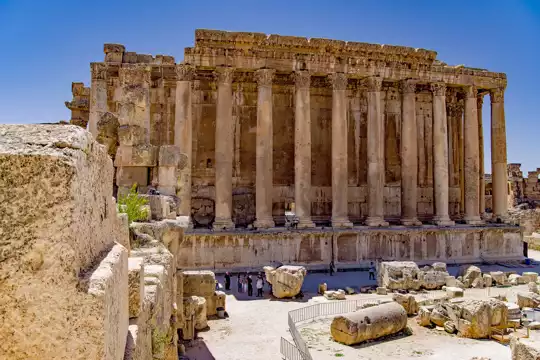
Your boot scuffs a groove in the pale dust, and the sound just dies in the air. No traffic hum, no tour-bus megaphones. Just wind slipping through broken arches and the faint clink of a shepherd’s bells somewhere beyond the stone colonnade. Heat radiates off the limestone, carrying that dry, chalky smell, while a lone pomegranate tree throws a scrap of shade over a fallen capital.

Anjar sits in the Beqaa Valley of eastern Lebanon, near the Syrian border, and it is the opposite of Rome-on-Instagram. The Roman ruins here are low-key, partly reconstructed, and rarely crowded, which means you actually get space to think, wander, and frame photos without strangers in every shot. The wow-factor is quieter: urban planning, symmetry, and that eerie sense of a crossroads city frozen mid-story. It’s cheap to enter, a bit awkward to reach without a car, light on facilities, but heavy on atmosphere and historical weight.

Discover everything you want to know in the 📖 Lebanon Travel Guide.
Safety warning

The current risk level for Lebanon is high. Check the advice before going.


Get your Lebanon guide
89 ranked highlights, routes & tips, works offline (331 pages)
Loading the map 🌍
CLICK TO FILTER
cities
towns
landmarks
national parks
hikes
beaches
attractions
festivals
regions
SHOW COUNTRY’S BESTSHOW ALL

✨ Why go?
Ranked #3 unique site in Lebanon
What makes it a must-see unique site

The Roman ruins of Anjar in Lebanon are often overshadowed by flashier sites, but that’s a mistake. These ruins offer a raw glimpse into ancient life, with their well-preserved structures and unique blend of Roman and Umayyad architecture. You’ll dodge the tourist hordes here, which is a breath of fresh air compared to the usual hotspots.

Getting to Anjar is straightforward. It’s just a short drive from Beirut or Baalbek, making it an easy stop on your journey. The entrance fee is minimal, so you won’t break the bank. Once you’re there, take your time wandering through the ancient streets and breathtaking mosaics.

What makes Anjar truly special is how it fits into a broader route. Pair it with a visit to Baalbek’s colossal temples or the stunning Qadisha Valley. This isn’t just a detour; … read more 👉
The Roman ruins of Anjar in Lebanon are often overshadowed by flashier sites, but that’s a mistake. These ruins offer a raw glimpse into ancient life, with their well-preserved structures and unique blend of Roman and Umayyad architecture. You’ll dodge the tourist hordes here, which is a breath of fresh air compared to the usual hotspots.

Getting to Anjar is straightforward. It’s just a short drive from Beirut or Baalbek, making it an easy stop on your journey. The entrance fee is minimal, so you won’t break the bank. Once you’re there, take your time wandering through the ancient streets and breathtaking mosaics.

What makes Anjar truly special is how it fits into a broader route. Pair it with a visit to Baalbek’s colossal temples or the stunning Qadisha Valley. This isn’t just a detour; it’s a chance to dive deep into Lebanon’s rich history without the usual tourist fluff. Trust me, the effort is worth every moment.
Want to include Roman ruins of Anjar in your Lebanon route?
Create a personalized Lebanon itinerary that includes Roman ruins of Anjar and the places that fit your trip — based on your travel style, budget, and available time. Get your route in seconds.

Generate my trip

💡 HighlightsEssential experiences to have while visiting Roman ruins of Anjar

  • Perfectly regular grid plan — The whole town is laid out on a strict rectangular grid, which is unusual for early Islamic settlements. Walking the straight, intersecting streets you can actually see the urban planning logic, not just scattered ruins. It feels like stepping into a medieval city blueprint.
  • Great Palace complex — A massive palace block with courtyards, halls and remnants of monumental facades; its scale and symmetry give a real sense of the political ambition behind the city. The size and layout make it the emotional center of the site.
  • Colonnaded souk (market streets) — Two long, parallel colonnaded avenues lined with shop foundations and porticoes show how commerce was organized. The columns and shops are well preserved and make it easy to imagine daily life here a thousand
read more 👉
  • Perfectly regular grid plan — The whole town is laid out on a strict rectangular grid, which is unusual for early Islamic settlements. Walking the straight, intersecting streets you can actually see the urban planning logic, not just scattered ruins. It feels like stepping into a medieval city blueprint.
  • Great Palace complex — A massive palace block with courtyards, halls and remnants of monumental facades; its scale and symmetry give a real sense of the political ambition behind the city. The size and layout make it the emotional center of the site.
  • Colonnaded souk (market streets) — Two long, parallel colonnaded avenues lined with shop foundations and porticoes show how commerce was organized. The columns and shops are well preserved and make it easy to imagine daily life here a thousand years ago.
  • Heavy fortress walls and towers — Thick ashlar walls with regular towers enclose the town; they’re imposing and surprisingly intact. The fortifications underline Anjar’s dual role as a planned court-city and a defensible stronghold.
  • Small Palace, baths and domestic quarters — Smaller-scale buildings, bath remains and house foundations reveal the private side of the city: hygiene, household life and service areas. These spots are great for picturing how ordinary people lived alongside royal power.
  • Spolia and mixed architectural influence — Much of the stonework, columns and decorative elements were recycled from nearby Roman and Byzantine sites, producing a visible mash-up of styles. That reuse—classic blocks set into an Islamic plan—makes Anjar a textbook example of cultural and material continuity.
  • Bekaa Valley setting and seasonal charm — The ruins sit in the wide, agricultural Bekaa plain with mountains on the horizon. In spring the surrounding fields and orchards give the site a surprising pastoral beauty; it’s a calm, wide-open backdrop you don’t always get at ancient sites.
Spotted a mistake or missing something? Contact us.

Things to do around Roman ruins of Anjar

Ratings based on Tripadvisor reviews. When you book through this link, you support our work at no extra cost to you.

🌤️ When to go?Seasonal considerations and timing


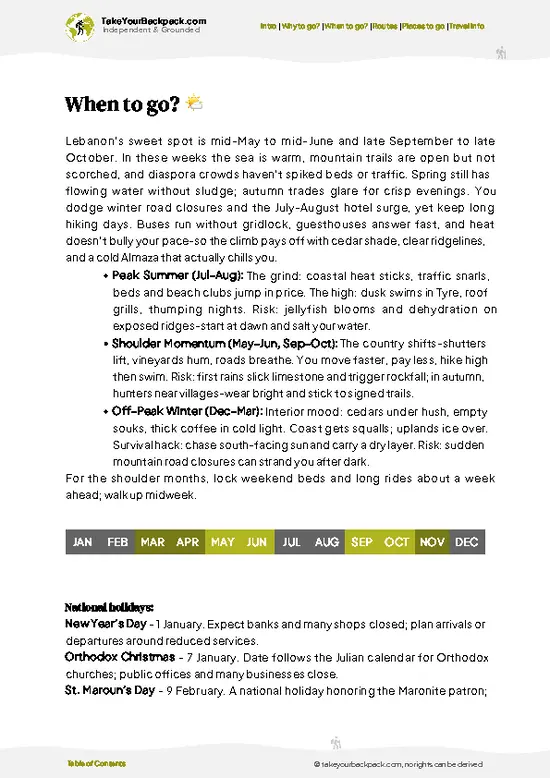
  • Weather: Spring (March to May) and autumn (September to November) bring the best weather. Expect mild temperatures around 18-25°C (64-77°F), perfect for wandering ruins without sweating buckets or freezing your toes off.

  • Temperature: Summers can scorch, hitting 30-35°C (86-95°F), making midday exploration brutal. Winters dip to 5-10°C (41-50°F), which is chilly but manageable if you layer up.

  • Daylight Hours: Spring and autumn offer balanced daylight—about 11 to 13 hours—enough time to explore without rushing or losing light early.

  • Crowds: The site isn’t a tourist magnet, but weekends and Lebanese holidays see local visitors. Weekdays in shoulder seasons are your best bet for quiet, uninterrupted exploration.

  • Seasonal Activities: No flashy festivals here, but spring’s wildflowers
read more 👉

  • Weather: Spring (March to May) and autumn (September to November) bring the best weather. Expect mild temperatures around 18-25°C (64-77°F), perfect for wandering ruins without sweating buckets or freezing your toes off.

  • Temperature: Summers can scorch, hitting 30-35°C (86-95°F), making midday exploration brutal. Winters dip to 5-10°C (41-50°F), which is chilly but manageable if you layer up.

  • Daylight Hours: Spring and autumn offer balanced daylight—about 11 to 13 hours—enough time to explore without rushing or losing light early.

  • Crowds: The site isn’t a tourist magnet, but weekends and Lebanese holidays see local visitors. Weekdays in shoulder seasons are your best bet for quiet, uninterrupted exploration.

  • Seasonal Activities: No flashy festivals here, but spring’s wildflowers and autumn’s golden light add a subtle magic to the ruins that Instagram filters can’t replicate.

  • Price Fluctuations: Entrance fees stay steady year-round, but accommodation nearby spikes in summer. Booking off-peak saves cash and sanity.


Pro-tip: Aim for early spring or late autumn weekdays—cool temps, fewer people, and the ruins bathed in natural light that brings out every ancient crack and story.


source: climatestotravel.comJANJanuary: fair for travelingFEBFebruary: fair for travelingMARMarch: excellent for travelingAPRApril: excellent for travelingMAYMay: highly recommended for travelingJUNJune: fair for travelingJULJuly: below average for travelingAUGAugust: below average for travelingSEPSeptember: excellent for travelingOCTOctober: excellent for travelingNOVNovember: highly recommended for travelingDECDecember: fair for traveling
lebanon-unique-site-roman-ruins-of-anjar
© Google |

✈️ The backpacker research shortcutLebanon Travel Guide

An offline-friendly backpacking guide with optimized travel routes, ranked highlights, transport advice, and the best areas to stay.
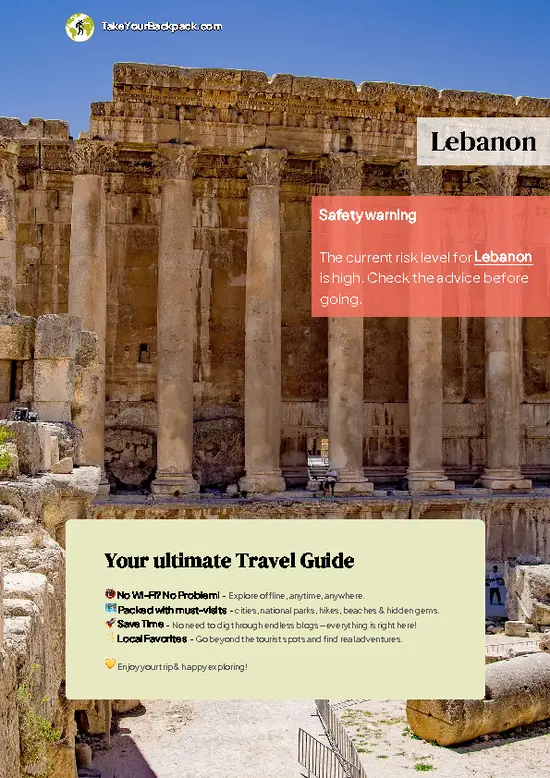
example page 0 from our offline Travel Guide for Lebanon
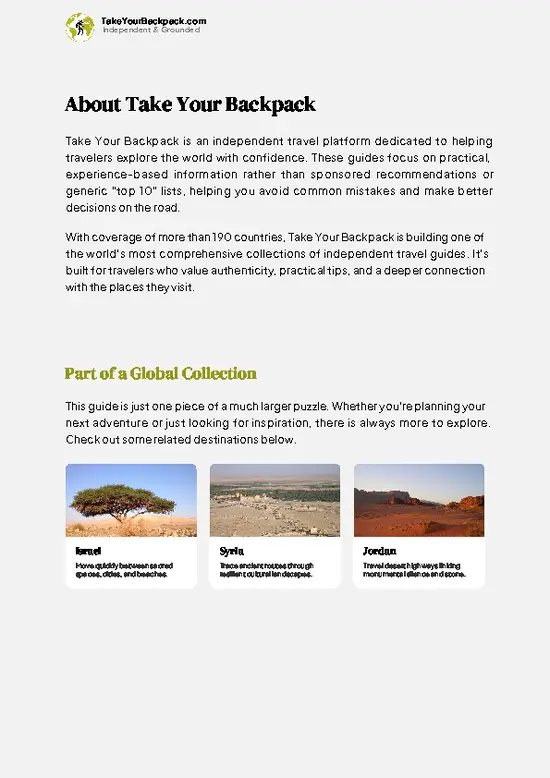
example page 1 from our offline Travel Guide for Lebanon
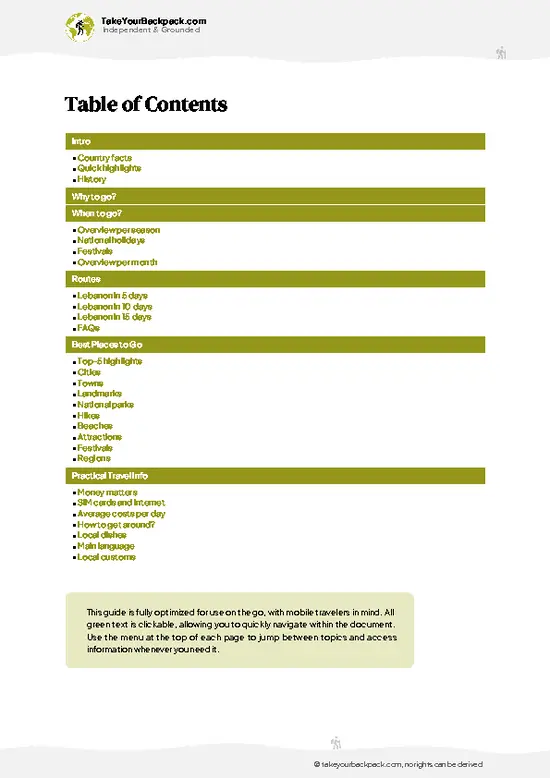
example page 2 from our offline Travel Guide for Lebanon
example page 3 from our offline Travel Guide for Lebanon
example page 4 from our offline Travel Guide for Lebanon
example page 5 from our offline Travel Guide for Lebanon
example page 6 from our offline Travel Guide for Lebanon
example page 7 from our offline Travel Guide for Lebanon
The digital guide (331 pages) contains:
89 highlights, ranked by travel appeal
Optimized 5, 10 & 15-day travel routes
Cities, national parks, landmarks, beaches
How to get around
Offline-friendly for travel without Wi-Fi
👉 Click to see all 30+ guide features

📅 Plan smarter in minutes, not weeks
Month by month travel advice
Festivals & national holidays
Budget expectations

🗺️ Go to the right places, skip the overrated ones
Honest pros & cons of destinations
Top hikes, parks & viewpoints
Lesser-known places most travelers miss
Clear “worth it vs skip it” guidance

🛏️ Travel smoothly without rookie mistakes
Best areas to stay
Transport systems explained simply
Common scams & safety advice
SIM cards, money & practical tips

🌍 Understand the country, not just visit it
Culture & traditions
52 Essential phrases & customs
Festivals worth planning around
Traveler-friendly historical context
Insights that make places more meaningful

📱 Built for real travel conditions
Fully downloadable PDF
Works completely offline
Optimized for phone use
Useful in remote areas & buses
Everything in one place
Save weeks of stressful planning
Get instant access to your full guide. 30‑day money-back guarantee.


By proceeding you agree to our terms.
Sent to your inbox immediately after payment • 100% Secure Checkout
Best Backpacking Travel Advisor 2025 tourism awardBest Backpacking
Travel Advisor
2025
What others say about Take Your Backpack Guides:
⭐⭐⭐⭐⭐
Fantastic, amazing amount of information!
⭐⭐⭐⭐⭐
My goodness this is amazing, it's what I've been looking for hats off too you!
⭐⭐⭐⭐⭐
I think this is absolutely BRILLIANT
⭐⭐⭐⭐
Very complete and informative. It's still missing places, but I gotta to commend you
⭐⭐⭐⭐⭐
This is truly amazing, thank you, can't wait to explore it with my kids!
⭐⭐⭐⭐⭐
Awesome resource, thank you!
⭐⭐⭐⭐⭐
This is amazing! Can't wait to explore the ones I haven't seen
⭐⭐⭐⭐
I love this! Well done, great idea.
⭐⭐⭐⭐⭐
Thanks for taking the time to make this gem!
⭐⭐⭐⭐⭐
This might be the best website I've ever seen.
⭐⭐⭐⭐⭐
Congratulations, and thank you so much for your work; it's incredibly valuable.
⭐⭐⭐⭐
In all seriousness I think you did a great job pointing out the important spots
⭐⭐⭐⭐⭐
10/10 very good
⭐⭐⭐⭐⭐
As someone who's only just starting to visit regularly this is awesome, thank you.
⭐⭐⭐⭐
Thank you very much! I'm going to visit my dad, it's going to be very useful!
⭐⭐⭐⭐⭐
This is really cool! We'll be travelling for the first time and this definitely come in handy.
⭐⭐⭐⭐⭐
You are now our minister of culture, congratulations 👨‍💼
⭐⭐⭐⭐⭐
Just wanted to tell you that this is a pearl! Going to follow your recommendations.
⭐⭐⭐⭐⭐
This is so cool. I'll definitely be using the resource for my travels soon.
⭐⭐⭐⭐⭐
This is very impressive! Good work.
⭐⭐⭐⭐⭐
This is an amazing and informative site. Very well done!

🛏️ Where to stay?Best areas and accommodation options

Staying near the Roman ruins of Anjar, Lebanon, is all about finding the right vibe. You want a place that feels safe and welcoming, especially if you’re traveling solo or on a budget.

The town of Anjar itself is a solid choice. It’s small but has a few budget-friendly guesthouses where you can meet fellow travelers. The locals are friendly, and you’ll get a taste of authentic Lebanese hospitality. Plus, you’re just a stone’s throw from the ruins, so you can pop over early to beat the crowds.

If you’re looking for a bit more action, consider staying in Baalbek, about 30 minutes away. It’s a … read more 👉
Staying near the Roman ruins of Anjar, Lebanon, is all about finding the right vibe. You want a place that feels safe and welcoming, especially if you’re traveling solo or on a budget.

The town of Anjar itself is a solid choice. It’s small but has a few budget-friendly guesthouses where you can meet fellow travelers. The locals are friendly, and you’ll get a taste of authentic Lebanese hospitality. Plus, you’re just a stone’s throw from the ruins, so you can pop over early to beat the crowds.

If you’re looking for a bit more action, consider staying in Baalbek, about 30 minutes away. It’s a bit busier, with more options for food and socializing. The atmosphere is lively, and you’ll find other backpackers eager to share stories.

Don’t overlook the nearby village of Zahlé, either. It’s charming, with beautiful views and a relaxed pace. You’ll find a mix of local cafes and bars, perfect for unwinding after a day of exploring.

Each of these areas offers a unique slice of Lebanese life, making your journey to Anjar not just about the ruins, but the experience surrounding them.

👛 Costs (as of 4 November 2025)How expensive it really is

Visiting the Roman ruins of Anjar in Lebanon can be a rewarding experience, but it’s essential to know what to expect in terms of costs.
  • Entrance Fee: The entrance fee is typically around €3 to €5 (or $3 to $5). This small price grants you access to the site, where you can explore the impressive ruins and soak in the history.
  • Guided Tours: If you want a deeper understanding of the site, consider a guided tour. Prices range from €10 to €20 ($10 to $20) per person. A knowledgeable guide can enhance your experience significantly, providing context that you might miss on your own.
  • Transportation: Getting to Anjar can vary. If you’re taking a taxi from Beirut, expect to pay around €30 to €50 ($30 to $50) for a one-way trip. Public transport is cheaper, with buses costing about €5 ($5) but may require
read more 👉
Visiting the Roman ruins of Anjar in Lebanon can be a rewarding experience, but it’s essential to know what to expect in terms of costs.
  • Entrance Fee: The entrance fee is typically around €3 to €5 (or $3 to $5). This small price grants you access to the site, where you can explore the impressive ruins and soak in the history.
  • Guided Tours: If you want a deeper understanding of the site, consider a guided tour. Prices range from €10 to €20 ($10 to $20) per person. A knowledgeable guide can enhance your experience significantly, providing context that you might miss on your own.
  • Transportation: Getting to Anjar can vary. If you’re taking a taxi from Beirut, expect to pay around €30 to €50 ($30 to $50) for a one-way trip. Public transport is cheaper, with buses costing about €5 ($5) but may require more time and effort.
  • Food and Drinks: There are limited dining options near the ruins. A meal at a local restaurant will set you back about €10 to €15 ($10 to $15). Bring snacks and water to save money and stay energized while exploring.
  • Souvenirs: If you’re looking to take home a piece of Lebanon, budget around €5 to €15 ($5 to $15) for small souvenirs. Local crafts can be a nice way to remember your visit, but prices can vary widely.

Understanding these costs will help you plan your visit to Anjar without any surprises. The ruins are worth it, but being prepared makes the experience even better.
⚠️ Prices can change and everyone travels differently, so take this as a rough guide. Hope it helps you plan your adventure!

Other Lebanese landmarks near Roman ruins of Anjar

Explore more nearby:

  • Klein’s Cave—limestone chambers, prehistoric art, hidden entrance| 28 km away
  • Beiteddine Palace—mosaic courtyards, Ottoman architecture, mountain views| 33 km away
  • Jezzine Waterfall—cascading water, pine forests, cliffside lookout| 38 km away

💡 Not sure where to go next?
Create a personalized itinerary for Lebanon including Roman ruins of Anjar and the places that fit your trip.

Generate my itinerary

👉 Discover all landmarks

Or checkout all Lebanon has to offer (think cities, towns, villages, national parks, hikes, beaches, festivals)
Country photo of Lebanon

We 💚 feedbackParting advice and final tips

The Roman ruins of Anjar are a breath of fresh air compared to the usual tourist traps. You’ll find fewer crowds and a vibe that feels genuinely ancient. The best surprise? The intricate mosaics that tell stories you won’t find in guidebooks. Just a heads-up: the midday sun can be brutal, so plan your visit early or late. Trust me, wandering through these ruins is like stepping back in time, and it’s worth every moment.

✍️ Help improve this page!
The information on this page is based on in-depth research, insights shared by experienced travelers, and feedback from the local travel community in Lebanon. While every effort is made to keep the information accurate and current, conditions can change — so if you spot anything incorrect or outdated, please get in touch.


🙋‍♂️ Give feedback

👋 Meet the founderWho’s Behind Take Your Backpack?

Johan, backpacker and founder of TakeYourBackpackHi, I’m Johan (Netherlands 🇳🇱), the creator of TakeYourBackpack. Over the past decade, I’ve backpacked through 80+ countries across six continents, gaining extensive experience with independent travel, long-term trips, and overland routes.

This site is built on a combination of firsthand travel experience and carefully curated insights from other backpackers. Many guides are based on places I’ve personally visited, while others bring together tips, observations, and practical advice shared by trusted travelers I’ve met along the way.

The goal is to provide realistic, experience-driven guidance — not generic itineraries — so you can explore destinations with better context, clearer expectations, and more confidence.

Get full Lebanon guide •
Instant download • 89 highlights • Full Offline guide