How many landmarks to visit: Aim for
8 to 12 landmarks over a week. That count gives you every major era and region without turning the trip into a checklist, and it leaves slack for closures and slow roads. Past about 12, the Roman and Crusader sites start to blur, and you lose the time to sit in a village café after a visit. The reward is the quiet hour after the stop, with strong coffee, a plate of hummus and a view down a valley.
Prioritizing by travel style: History-focused travelers should put the
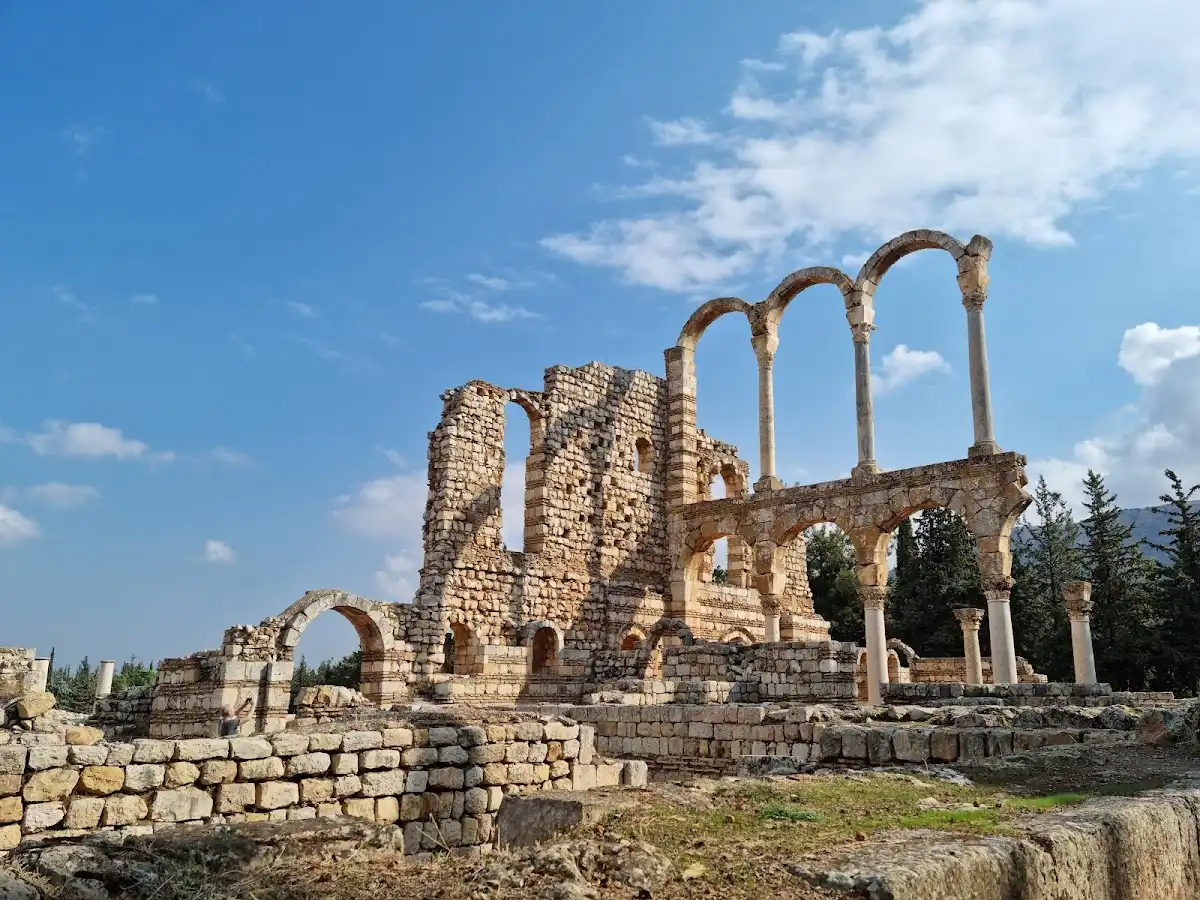
big Roman and Phoenician ruins first, because they are the best preserved and well signed by local standards. Hikers and spiritual travelers should favor
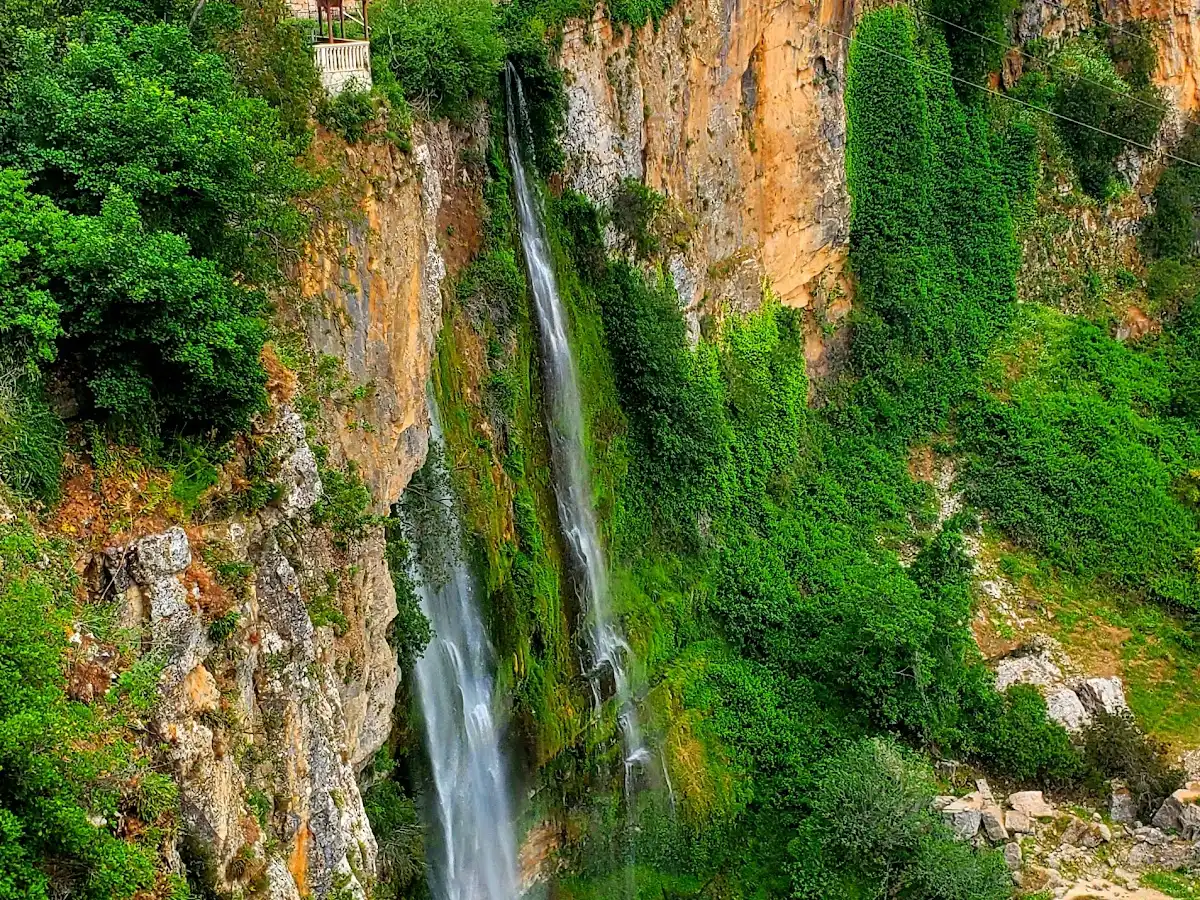
monasteries and valley sites in the north, where you walk stone paths between terraces and get cool caves and quiet chapels at the end. …
read more 👉 How many landmarks to visit: Aim for 8 to 12 landmarks over a week. That count gives you every major era and region without turning the trip into a checklist, and it leaves slack for closures and slow roads. Past about 12, the Roman and Crusader sites start to blur, and you lose the time to sit in a village café after a visit. The reward is the quiet hour after the stop, with strong coffee, a plate of hummus and a view down a valley.
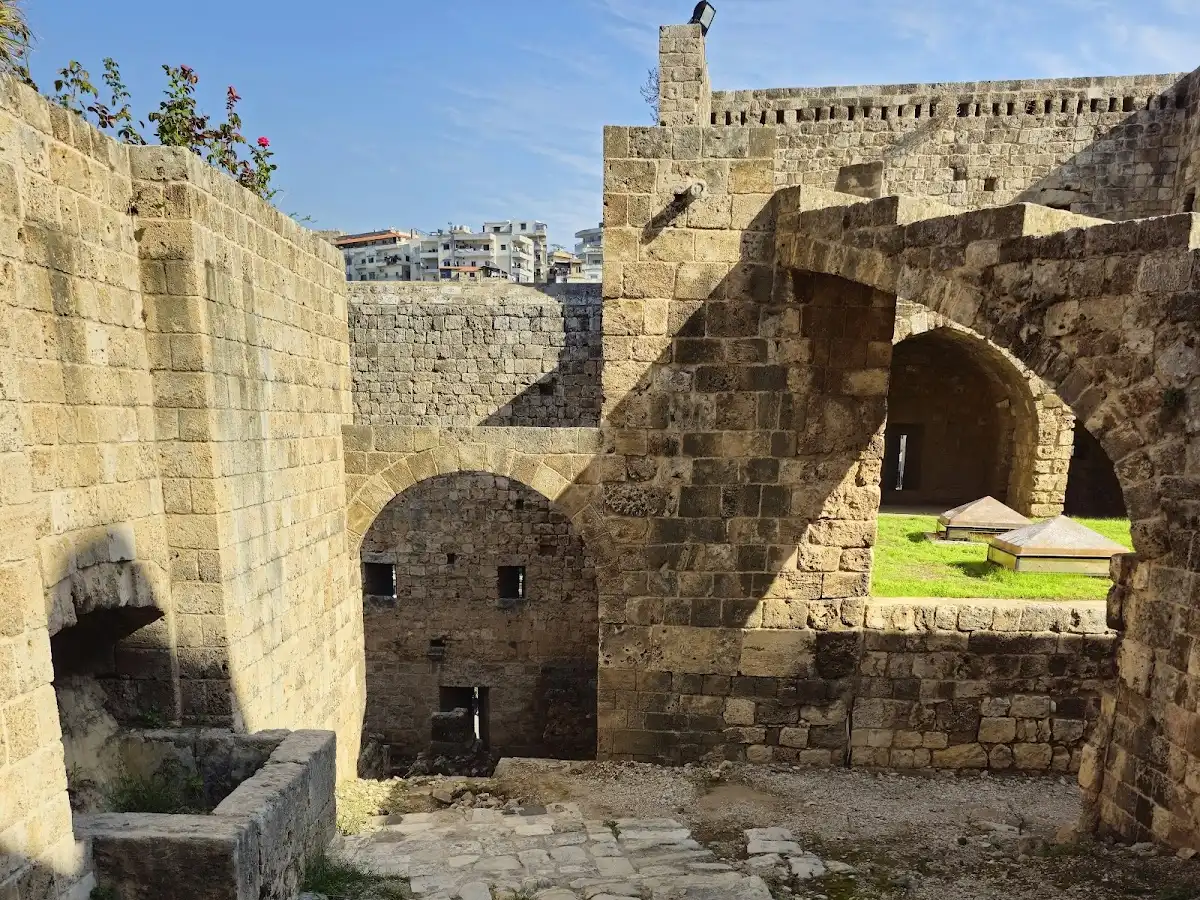
Prioritizing by travel style: History-focused travelers should put the big Roman and Phoenician ruins first, because they are the best preserved and well signed by local standards. Hikers and spiritual travelers should favor monasteries and valley sites in the north, where you walk stone paths between terraces and get cool caves and quiet chapels at the end. Budget travelers can skip Beirut’s rebuilt showpieces and spend the saved time on smaller coastal and mountain castles that cost almost nothing and have few visitors. Skip anything that is mainly a gift-shop approach with little to see.
What it costs: Expect US$35 to 70 a day for food, a dorm or basic room and local transport, and US$100 to 150 if you hire a driver daily. Entry fees at major ruins run roughly US$5 to 15, with many smaller sites at US$2 to 6 or free. Local guides at big sites charge about US$15 to 40 for a short tour and are worth it at the largest ruins, where signage is thin. Shared taxis on main roads cost US$1 to 5 per leg. Carry small US dollar bills and Lebanese pounds, since card machines fail often and sites are usually cash only.
Safety and cultural considerations: Check government travel advisories before each leg, especially for the south and the Syrian border zones, which can close quickly. Stay on marked paths at ruins near former conflict areas, and do not touch unidentified objects. Dress modestly at monasteries, churches and mosques: cover shoulders and knees, and remove shoes where asked. Ask before photographing people, soldiers or checkpoints, as army posts near some sites are strict. Carry your passport for checkpoints. Power cuts can darken interiors and cave sites, so pack a headlamp, and wear shoes with grip, because worn stone steps get slick after rain. The payoff is a trip where locals often open a locked gate for you and tell you the story themselves.





 Best Backpacking
 Hi, I’m Johan (Netherlands 🇳🇱), the creator of TakeYourBackpack. Over the past 3 decades, I’ve backpacked through 90+ countries across six continents, gaining extensive experience with independent travel, long-term trips, and overland routes.