
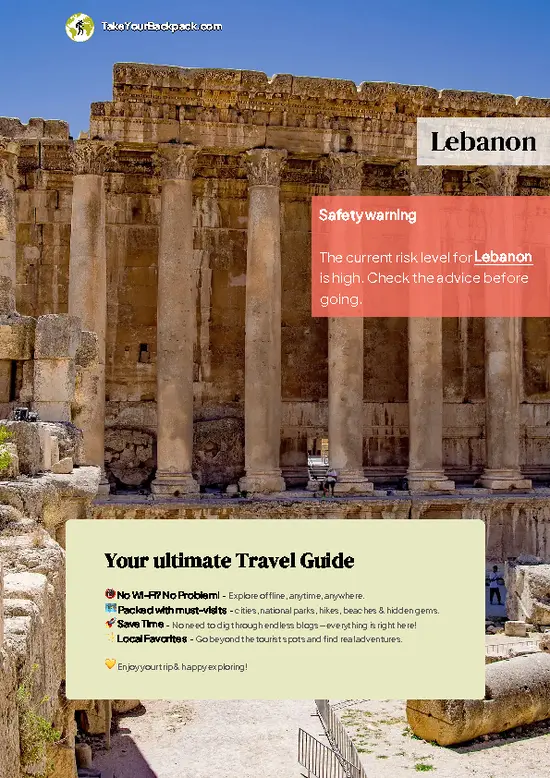
The Mansion Itself
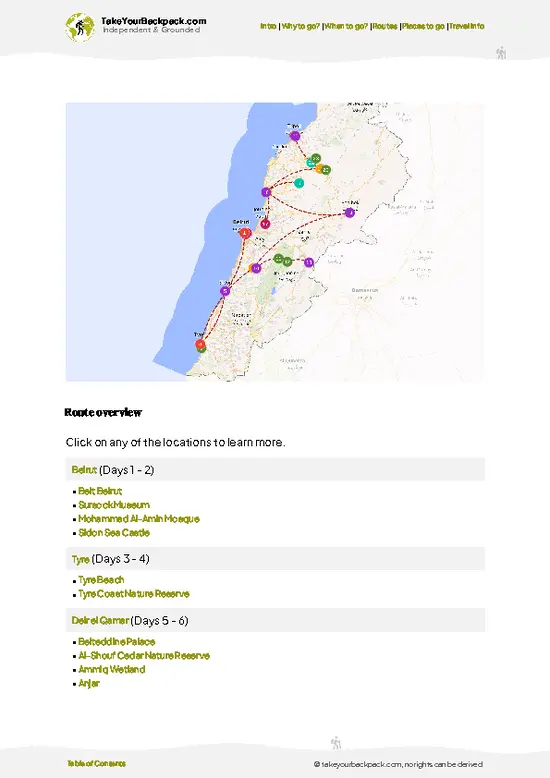
Let’s cut through the Instagram filters: the Sursock Museum’s building is the real showstopper. This isn’t some sterile white box—this is a 1912 Venetian-Ottoman mansion with stained glass, marble staircases, and carved wood that’s survived wars, explosions, and the kind of humidity that peels paint off lesser buildings. You’re not just looking at art; you’re walking through a piece of Beirut’s living history, with every creak and echo reminding you that culture here is stubbornly, gloriously resilient.
Contemporary Lebanese Art
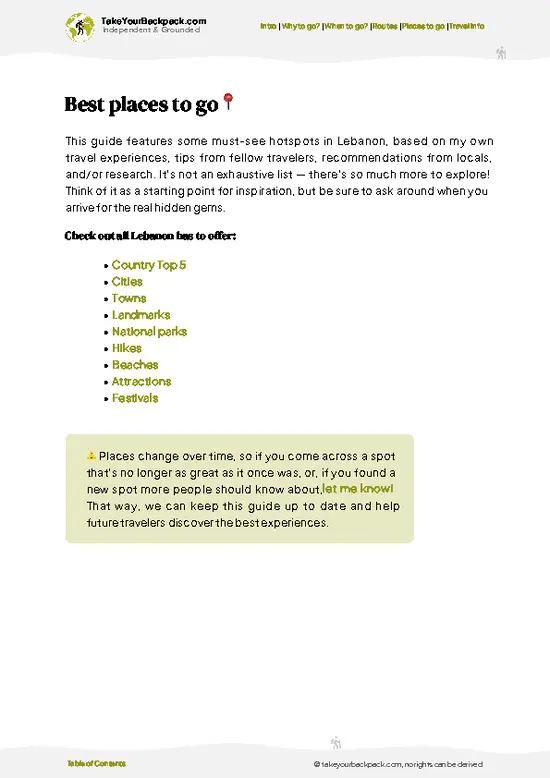
Forget the tired “East meets West” trope. The Sursock’s rotating exhibitions are a crash course in what Lebanese artists actually care about—identity, memory, chaos, and beauty, often all in the same room. You’ll see bold, sometimes confrontational … read more 👉
The Mansion Itself
Let’s cut through the Instagram filters: the Sursock Museum’s building is the real showstopper. This isn’t some sterile white box—this is a 1912 Venetian-Ottoman mansion with stained glass, marble staircases, and carved wood that’s survived wars, explosions, and the kind of humidity that peels paint off lesser buildings. You’re not just looking at art; you’re walking through a piece of Beirut’s living history, with every creak and echo reminding you that culture here is stubbornly, gloriously resilient.
Contemporary Lebanese Art
Forget the tired “East meets West” trope. The Sursock’s rotating exhibitions are a crash course in what Lebanese artists actually care about—identity, memory, chaos, and beauty, often all in the same room. You’ll see bold, sometimes confrontational work that’s not afraid to poke at politics, religion, or the city’s own scars. This is not a museum that plays it safe, and you’ll leave with more questions than answers (which is exactly the point).
The Grand Staircase
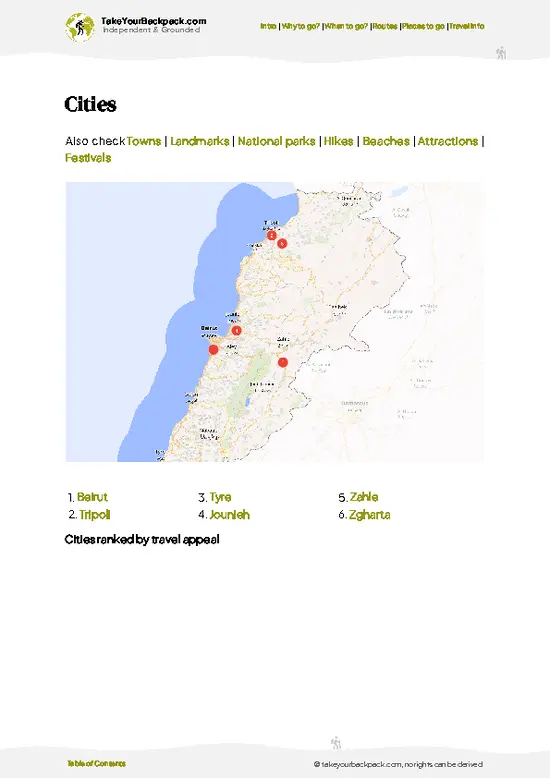
Yes, people pose here for selfies, but the staircase is more than a backdrop. It’s a social stage. Sit for five minutes and you’ll see a cross-section of Beirut: art students, old-money families, tourists, and the odd philosopher with a cigarette. The energy is electric—this is where the city’s creative pulse is most visible, and if you’re lucky, you’ll catch a heated debate or a spontaneous poetry reading.
The Garden Café
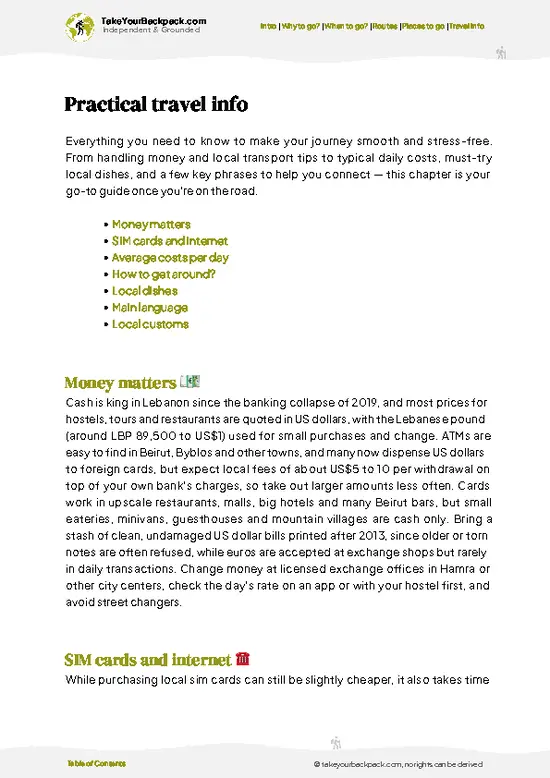
Most museum cafés are afterthoughts. Not here. The Sursock’s garden café is a shaded oasis where you can decompress with strong Lebanese coffee and people-watch under citrus trees. It’s where artists and curators actually hang out, so eavesdropping is practically a cultural activity. The food is solid, the vibe is unpretentious, and you’ll get a taste of Beirut’s legendary hospitality without the tourist markup.
Nighttime Openings
If you can, go after dark. The museum glows, the crowd shifts, and the whole place feels like a secret club for people who actually care about art. Openings and events here are legendary—think live music, experimental performances, and conversations that spill out onto the steps. This is Beirut at its most alive: unpredictable, passionate, and absolutely worth staying up for.
Spotted a mistake or missing something? Contact us.

Private Beirut City Tour with Boat Ride at Raouche Rock

Beirut, Beiteddine & Deir El Qamar Day Trip-With Lunch

Private Beirut Historical Tour | National Museum & Landmarks

Beirut Downtown, Corniche and National Museum Tour

PRIVATE tour to Beirut history museum, Beiteddine & Deir elQamar

Discovering Beirut: A Private Half-Day Guided Tour

Beirut Private Walking Tour with a Local

7-Day Highlights of Lebanon Tour from Beirut with Pickup

PRIVATE visits to Major Museums in Beirut City


 Best Backpacking
 Hi, I’m Johan (Netherlands 🇳🇱), the creator of TakeYourBackpack. Over the past 3 decades, I’ve backpacked through 90+ countries across six continents, gaining extensive experience with independent travel, long-term trips, and overland routes.