v2.webp)
- Harbour life and fish market — The small working port is the heart of Zuwara: colorful wooden boats coming and going, fishermen mending nets, and a lively market where you can watch the catch sold straight off the boat. It’s a window into local rhythms you won’t get at touristy beaches.
- Fresh-seafood lunches by the water — Local eateries cook whatever was hauled in that morning, often simply grilled or braised with North African spices; the freshness is the highlight, and prices are usually very wallet-friendly. Eating with the sea smell and boat noise makes the meal feel honest and local.
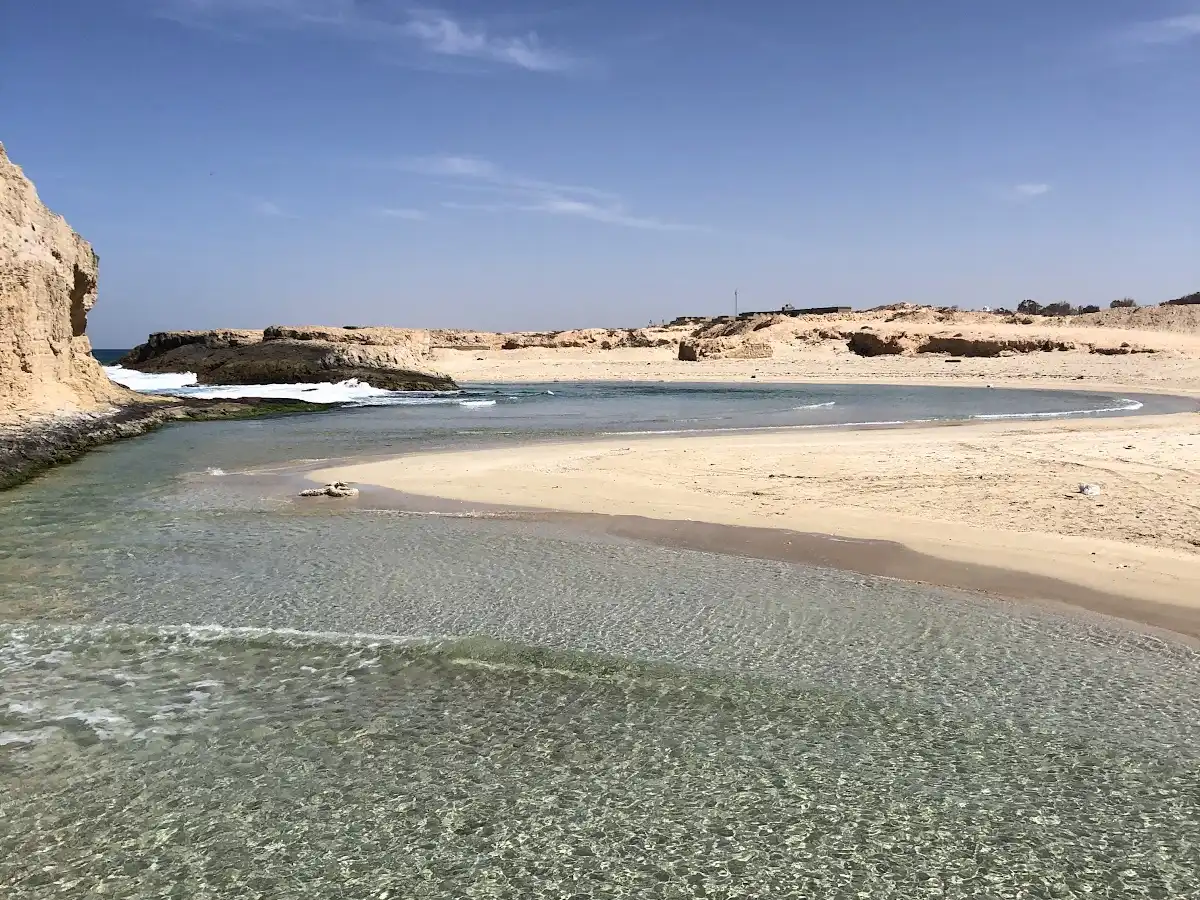
- Clear-water snorkel in rocky coves — The coastline around Zuwara has small rocky points and coves where the Mediterranean stays quite transparent; that means easy snorkeling close to shore and pockets
- Harbour life and fish market — The small working port is the heart of Zuwara: colorful wooden boats coming and going, fishermen mending nets, and a lively market where you can watch the catch sold straight off the boat. It’s a window into local rhythms you won’t get at touristy beaches.
- Fresh-seafood lunches by the water — Local eateries cook whatever was hauled in that morning, often simply grilled or braised with North African spices; the freshness is the highlight, and prices are usually very wallet-friendly. Eating with the sea smell and boat noise makes the meal feel honest and local.
- Clear-water snorkel in rocky coves — The coastline around Zuwara has small rocky points and coves where the Mediterranean stays quite transparent; that means easy snorkeling close to shore and pockets of reef life without long boat rides.
- Sand-and-dune walks with sea views — Long, low beaches meet stretches of wind-sculpted dunes; walking here gives both open sea panoramas and quiet spots to picnic or watch migratory seabirds passing in season. It’s hiking-lite with good rewards.
- Amazigh-influenced town strolls — Zuwara carries a distinct Amazigh (Berber) identity in its food, language, and some crafts—wandering the older streets and markets offers cultural flavor you won’t find on more generic Mediterranean resorts.
- Evening harbour ambience — After sunset the port has a gentle, lived-in atmosphere: lanterns, the smell of grilling, and fishermen sorting gear. It’s a mellow, photogenic scene rather than a loud nightlife strip.
- Sunset and stargazing on the beach — With relatively low light pollution, the beaches at night are excellent for watching dramatic Mediterranean sunsets and then catching a broad starfield once the sky clears. Bring a blanket and a thermos.
- Late seafood dinners with local pace — Nighttime meals are more relaxed—long dinners where fresh fish and meze arrive one after another. It’s less about the restaurant décor and more about simple, well-prepared food and conversation.
- Moonlit shoreline walks — The long, flat sand makes for easy, atmospheric walks after dark: the surf, the cool breeze, and few people around. Perfect if you want something peaceful rather than pulsing with music.
- Short night trips with local fishermen (when available) — Occasionally you can join a fisherman for a brief evening outing to see the night working life at sea or try simple hand-line fishing; it’s informal, so ask locally and go with someone you trust.
Spotted a mistake or missing something? Contact us.



 Best Backpacking
.jpg) Hi, I’m Johan (Netherlands 🇳🇱), the creator of TakeYourBackpack. Over the past decade, I’ve backpacked through 80+ countries across six continents, gaining extensive experience with independent travel, long-term trips, and overland routes.
Hi, I’m Johan (Netherlands 🇳🇱), the creator of TakeYourBackpack. Over the past decade, I’ve backpacked through 80+ countries across six continents, gaining extensive experience with independent travel, long-term trips, and overland routes.