
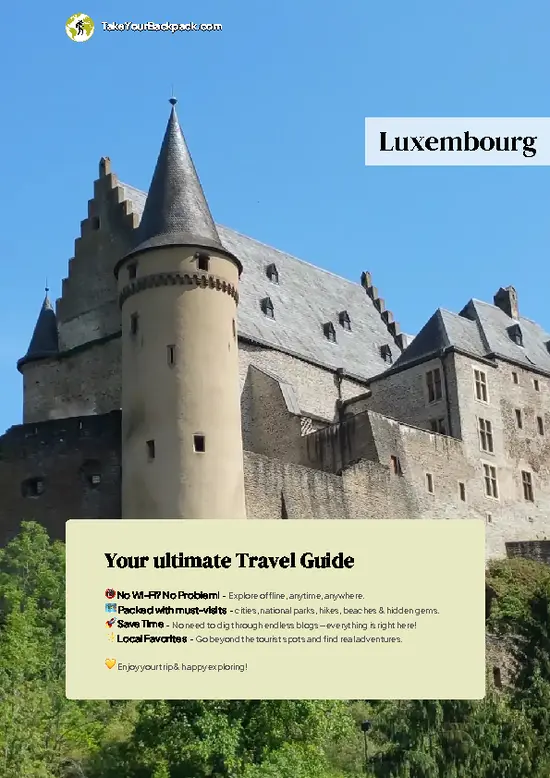

The Basilica of St. Willibrord
Let’s cut through the postcard haze: the basilica is not just another pretty church. It’s a living, breathing monument to centuries of faith, destruction, and rebirth. The crypt is where the real gravity hits—St. Willibrord’s tomb draws pilgrims and skeptics alike. The air is thick with candle wax and old stone, and you can feel the weight of a thousand years in your bones. If you only have time for one thing, make it this. The basilica’s Romanesque arches and the battered but unbowed columns tell a story that’s survived wars, fires, and the occasional tourist with a selfie stick.
The Dancing Procession (Sprangprozessioun)
Forget the sanitized festival reels online. This is the real deal: every Whit Tuesday, locals and visitors literally hop through the streets … read more 👉
The Basilica of St. Willibrord
Let’s cut through the postcard haze: the basilica is not just another pretty church. It’s a living, breathing monument to centuries of faith, destruction, and rebirth. The crypt is where the real gravity hits—St. Willibrord’s tomb draws pilgrims and skeptics alike. The air is thick with candle wax and old stone, and you can feel the weight of a thousand years in your bones. If you only have time for one thing, make it this. The basilica’s Romanesque arches and the battered but unbowed columns tell a story that’s survived wars, fires, and the occasional tourist with a selfie stick.
The Dancing Procession (Sprangprozessioun)
Forget the sanitized festival reels online. This is the real deal: every Whit Tuesday, locals and visitors literally hop through the streets in a centuries-old ritual that’s equal parts devotion, spectacle, and controlled chaos. It’s not a performance for your camera—it’s a living tradition, and you’ll feel the energy ripple through the crowd. The choreography is simple but relentless, and by the end, you’ll be grinning and gasping for breath. If you want to see a town’s soul, show up for this.
The Abbey Museum
Skip the generic museum fatigue. The Abbey Museum is compact but dense, packed with medieval manuscripts, relics, and artifacts that actually matter. You’ll see illuminated texts that survived Viking raids and Nazi occupation. The exhibits don’t just show you the past—they make you feel the stakes. The scriptorium display is a personal favorite: the tools, the parchment, the sense of monastic obsession. It’s a crash course in why this place mattered to Europe’s intellectual history.
The Cloister
Most people breeze past the cloister, but that’s a rookie mistake. Step inside and the noise drops away. The stone arcades and central garden are a masterclass in medieval calm. It’s the best spot to catch your breath, dodge the tour groups, and actually hear yourself think. The play of light and shadow here is pure, unfiltered magic—no filter needed, no crowd required.
The Roman Villa Ruins
A short walk from the abbey, and you’re standing on the bones of a Roman villa. It’s not the Colosseum, but that’s the point—these ruins are raw, unvarnished, and often empty. You can trace the outlines of ancient rooms and imagine the layers of history beneath your boots. It’s a reminder that Echternach’s story didn’t start with the monks, and it won’t end with them either.
Spotted a mistake or missing something? Contact us.
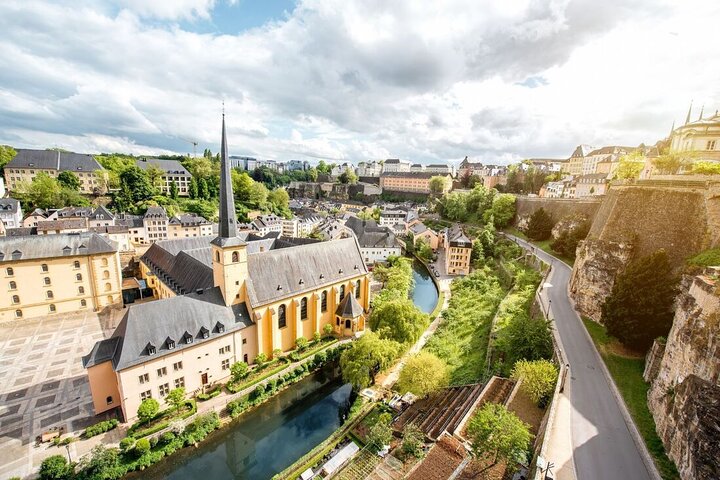
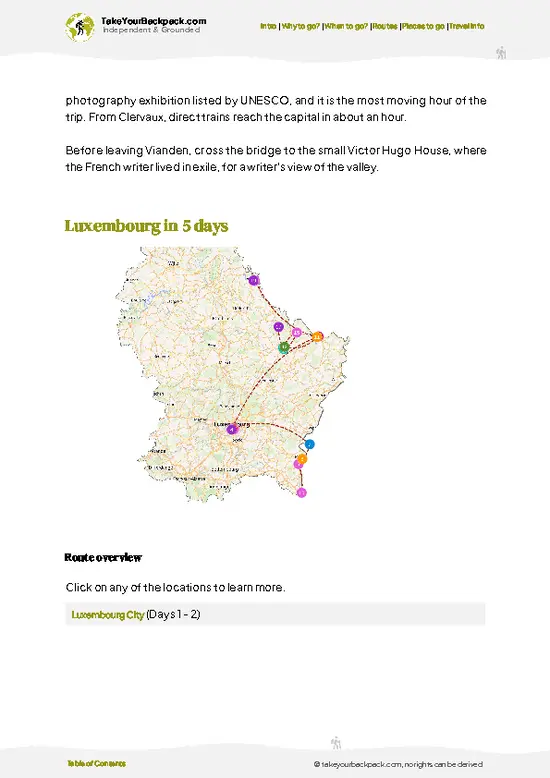
Luxembourg city walking and wine tasting tour

Tip-Based Luxembourg Walking Tour in English

The Best of Luxembourg City Guided E-bike Tour

Luxembourg City: Walking Tour with a Multilingual Guide

Luxembourg city walking tour

Private Tour of Luxembourg City and the Countryside

Luxembourg: Nature & Castle Day Trip

Romantic Quest in Luxembourg: Self-Guided Love Story Walk

3-hour Food Tour : Uncover the Tastes of Luxembourg


 Best Backpacking
 Hi, I’m Johan (Netherlands 🇳🇱), the creator of TakeYourBackpack. Over the past 3 decades, I’ve backpacked through 90+ countries across six continents, gaining extensive experience with independent travel, long-term trips, and overland routes.