v2.webp)
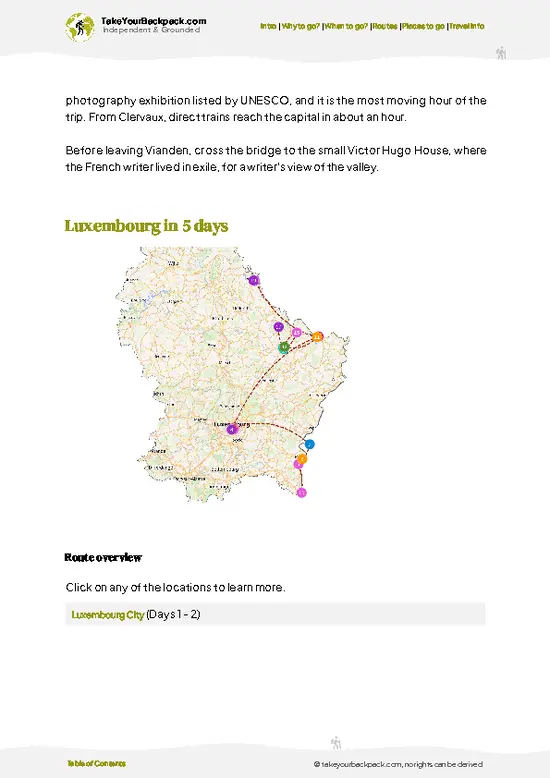
Basilica of Saint Willibrord
Step inside and you’re hit with cool stone and the faint, waxy scent of centuries-old devotion. This is the spiritual heart of Echternach, a working church with roots in the 7th century. The crypt, where Saint Willibrord himself is buried, feels almost subterranean—dim, echoing, and heavy with history. If you catch it on a quiet morning, the filtered light through stained glass is almost cinematic. The basilica is free to enter, though donations are appreciated. Give yourself 30-45 minutes, longer if you’re drawn to the details or lucky enough to witness the famous Whit Tuesday dancing procession (a UNESCO-listed tradition). Early mornings or late afternoons are best for atmosphere and fewer crowds.
Abbey Museum
This isn’t your standard “old stuff in glass cases” … read more 👉
Step inside and you’re hit with cool stone and the faint, waxy scent of centuries-old devotion. This is the spiritual heart of Echternach, a working church with roots in the 7th century. The crypt, where Saint Willibrord himself is buried, feels almost subterranean—dim, echoing, and heavy with history. If you catch it on a quiet morning, the filtered light through stained glass is almost cinematic. The basilica is free to enter, though donations are appreciated. Give yourself 30-45 minutes, longer if you’re drawn to the details or lucky enough to witness the famous Whit Tuesday dancing procession (a UNESCO-listed tradition). Early mornings or late afternoons are best for atmosphere and fewer crowds.
Abbey Museum
This isn’t your standard “old stuff in glass cases” … read more 👉
Basilica of Saint Willibrord
Step inside and you’re hit with cool stone and the faint, waxy scent of centuries-old devotion. This is the spiritual heart of Echternach, a working church with roots in the 7th century. The crypt, where Saint Willibrord himself is buried, feels almost subterranean—dim, echoing, and heavy with history. If you catch it on a quiet morning, the filtered light through stained glass is almost cinematic. The basilica is free to enter, though donations are appreciated. Give yourself 30-45 minutes, longer if you’re drawn to the details or lucky enough to witness the famous Whit Tuesday dancing procession (a UNESCO-listed tradition). Early mornings or late afternoons are best for atmosphere and fewer crowds.
Abbey Museum
This isn’t your standard “old stuff in glass cases” museum. Housed in the former Benedictine abbey, the museum is a tactile journey through Echternach’s monastic past. Manuscripts, illuminated with gold leaf, sit alongside relics and archaeological finds. The building itself is a patchwork of eras—Romanesque arches, medieval cellars, and a cloister that smells faintly of moss and old paper. Entry is around €6. Allow an hour, especially if you’re the type who lingers over ancient maps or likes to imagine monks at work. Go on a rainy day or during the midday lull when the town’s main square is busiest.
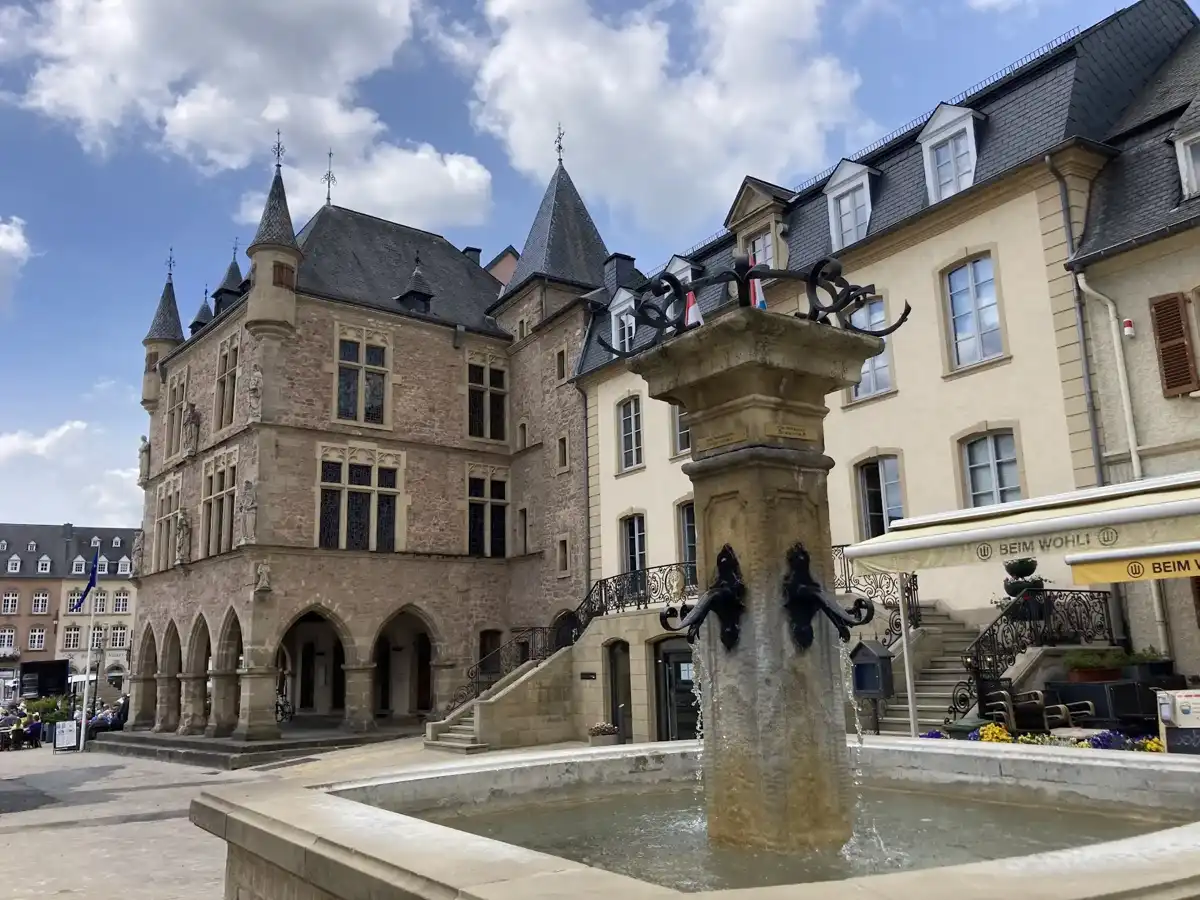
Market Square (Place du Marché)
This is Echternach’s living room. Cobbled, sun-warmed, and ringed by pastel facades, it’s where you’ll actually feel the pulse of the town. The 15th-century town hall anchors one end, its Gothic spires poking at the sky. On market days (Wednesdays and Fridays), the air fills with the smell of fresh bread, cheese, and chatter in a half-dozen languages. Grab a seat at a café, order a local Riesling or a pastry, and just watch the world go by. Free, unless you’re tempted by the stalls. Stay as long as you like—30 minutes for a stroll, hours if you’re people-watching.
Roman Villa Echternach
A short walk from the center, this archaeological site is where the town’s Roman roots come into sharp focus. The villa’s footprint is massive—think country estate rather than farmhouse. You’ll see the outlines of heated baths, mosaic fragments, and the kind of engineering that makes you respect Roman plumbing. The open-air site is best in late afternoon, when the sun slants across the ruins and the grass hums with insects. Entry is about €4. Plan for 45 minutes to an hour, especially if you want to linger over the small but well-done interpretive center.
Lake Echternach (Lac d’Echternach)
Technically on the edge of town, but close enough to count. This is where locals go to breathe. The lake’s path is a flat, easy loop—ideal for a decompressing stroll or a picnic. Early mornings bring mist and birdsong; late afternoons, families and laughter. You can rent a pedal boat in summer or just sprawl on the grass with a book. Free to access; boat rentals are around €8-€10 per hour. Give yourself at least an hour, more if you’re unwinding after a day of sightseeing.
If you’re itching to stretch your legs further, the Mullerthal Trail (the “Little Switzerland” of Luxembourg), the craggy Hohllay Cave, and the medieval Beaufort Castle are all within easy striking distance—each a worthy day trip. The Mullerthal Trail is my personal favorite for its mossy gorges and sense of wildness just beyond the town’s edge.
Step inside and you’re hit with cool stone and the faint, waxy scent of centuries-old devotion. This is the spiritual heart of Echternach, a working church with roots in the 7th century. The crypt, where Saint Willibrord himself is buried, feels almost subterranean—dim, echoing, and heavy with history. If you catch it on a quiet morning, the filtered light through stained glass is almost cinematic. The basilica is free to enter, though donations are appreciated. Give yourself 30-45 minutes, longer if you’re drawn to the details or lucky enough to witness the famous Whit Tuesday dancing procession (a UNESCO-listed tradition). Early mornings or late afternoons are best for atmosphere and fewer crowds.
Abbey Museum
This isn’t your standard “old stuff in glass cases” museum. Housed in the former Benedictine abbey, the museum is a tactile journey through Echternach’s monastic past. Manuscripts, illuminated with gold leaf, sit alongside relics and archaeological finds. The building itself is a patchwork of eras—Romanesque arches, medieval cellars, and a cloister that smells faintly of moss and old paper. Entry is around €6. Allow an hour, especially if you’re the type who lingers over ancient maps or likes to imagine monks at work. Go on a rainy day or during the midday lull when the town’s main square is busiest.
Market Square (Place du Marché)
This is Echternach’s living room. Cobbled, sun-warmed, and ringed by pastel facades, it’s where you’ll actually feel the pulse of the town. The 15th-century town hall anchors one end, its Gothic spires poking at the sky. On market days (Wednesdays and Fridays), the air fills with the smell of fresh bread, cheese, and chatter in a half-dozen languages. Grab a seat at a café, order a local Riesling or a pastry, and just watch the world go by. Free, unless you’re tempted by the stalls. Stay as long as you like—30 minutes for a stroll, hours if you’re people-watching.
Roman Villa Echternach
A short walk from the center, this archaeological site is where the town’s Roman roots come into sharp focus. The villa’s footprint is massive—think country estate rather than farmhouse. You’ll see the outlines of heated baths, mosaic fragments, and the kind of engineering that makes you respect Roman plumbing. The open-air site is best in late afternoon, when the sun slants across the ruins and the grass hums with insects. Entry is about €4. Plan for 45 minutes to an hour, especially if you want to linger over the small but well-done interpretive center.
Lake Echternach (Lac d’Echternach)
Technically on the edge of town, but close enough to count. This is where locals go to breathe. The lake’s path is a flat, easy loop—ideal for a decompressing stroll or a picnic. Early mornings bring mist and birdsong; late afternoons, families and laughter. You can rent a pedal boat in summer or just sprawl on the grass with a book. Free to access; boat rentals are around €8-€10 per hour. Give yourself at least an hour, more if you’re unwinding after a day of sightseeing.
If you’re itching to stretch your legs further, the Mullerthal Trail (the “Little Switzerland” of Luxembourg), the craggy Hohllay Cave, and the medieval Beaufort Castle are all within easy striking distance—each a worthy day trip. The Mullerthal Trail is my personal favorite for its mossy gorges and sense of wildness just beyond the town’s edge.
Spotted a mistake or missing something? Contact us.
Luxembourg city walking and wine tasting tour

Tip-Based Luxembourg Walking Tour in English

The Best of Luxembourg City Guided E-bike Tour

Luxembourg City: Walking Tour with a Multilingual Guide

Luxembourg city walking tour

Private Tour of Luxembourg City and the Countryside

Luxembourg: Nature & Castle Day Trip

Romantic Quest in Luxembourg: Self-Guided Love Story Walk

3-hour Food Tour : Uncover the Tastes of Luxembourg

 Best Backpacking
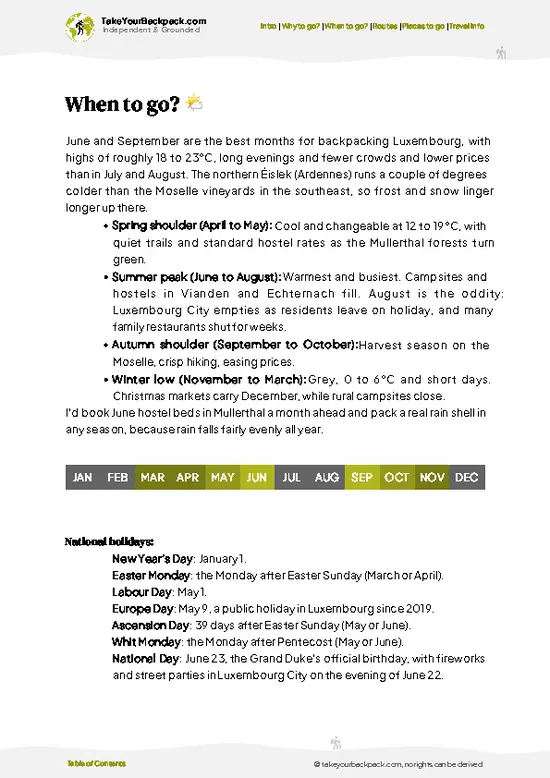
.jpg) Hi, I’m Johan (Netherlands 🇳🇱), the creator of TakeYourBackpack. Over the past 3 decades, I’ve backpacked through 90+ countries across six continents, gaining extensive experience with independent travel, long-term trips, and overland routes.
Hi, I’m Johan (Netherlands 🇳🇱), the creator of TakeYourBackpack. Over the past 3 decades, I’ve backpacked through 90+ countries across six continents, gaining extensive experience with independent travel, long-term trips, and overland routes.