v2.webp)
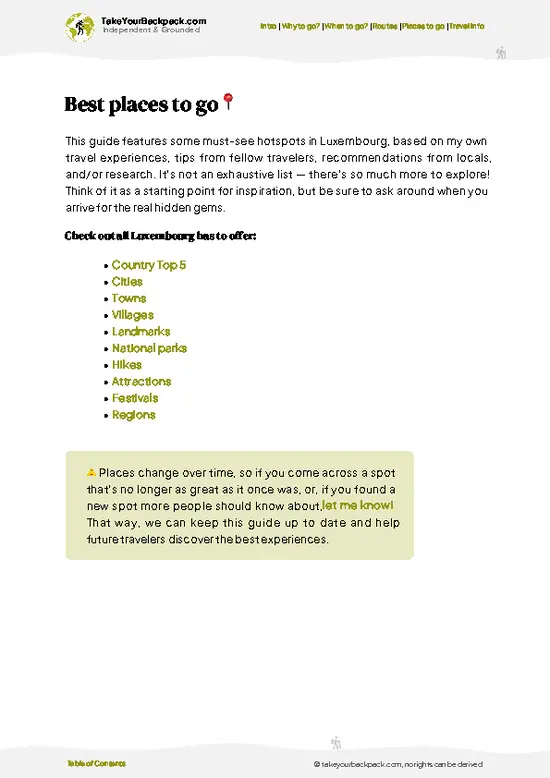
The Archaeological Cellars
Forget the polished glass cases and sanitized timelines. The museum’s cellars drop you straight into the city’s guts—literally. You’re walking through layers of medieval stonework, some dating back to the 10th century, with the raw, chilly air and rough-hewn walls reminding you that Luxembourg wasn’t always a polished Euro-capital. This is the city’s original skeleton, and it’s a rare chance to touch the real, unvarnished past—no velvet ropes, no Instagram filters, just honest-to-goodness history under your boots.
The Panoramic Lift
This isn’t just a way to get from one floor to another. The glass-walled lift glides up the cliff face, giving you a vertical tour of the city’s topography. You get a front-row seat to the Grund valley and the old fortifications, all … read more 👉
Forget the polished glass cases and sanitized timelines. The museum’s cellars drop you straight into the city’s guts—literally. You’re walking through layers of medieval stonework, some dating back to the 10th century, with the raw, chilly air and rough-hewn walls reminding you that Luxembourg wasn’t always a polished Euro-capital. This is the city’s original skeleton, and it’s a rare chance to touch the real, unvarnished past—no velvet ropes, no Instagram filters, just honest-to-goodness history under your boots.
The Panoramic Lift
This isn’t just a way to get from one floor to another. The glass-walled lift glides up the cliff face, giving you a vertical tour of the city’s topography. You get a front-row seat to the Grund valley and the old fortifications, all … read more 👉
The Archaeological Cellars
Forget the polished glass cases and sanitized timelines. The museum’s cellars drop you straight into the city’s guts—literally. You’re walking through layers of medieval stonework, some dating back to the 10th century, with the raw, chilly air and rough-hewn walls reminding you that Luxembourg wasn’t always a polished Euro-capital. This is the city’s original skeleton, and it’s a rare chance to touch the real, unvarnished past—no velvet ropes, no Instagram filters, just honest-to-goodness history under your boots.
The Panoramic Lift
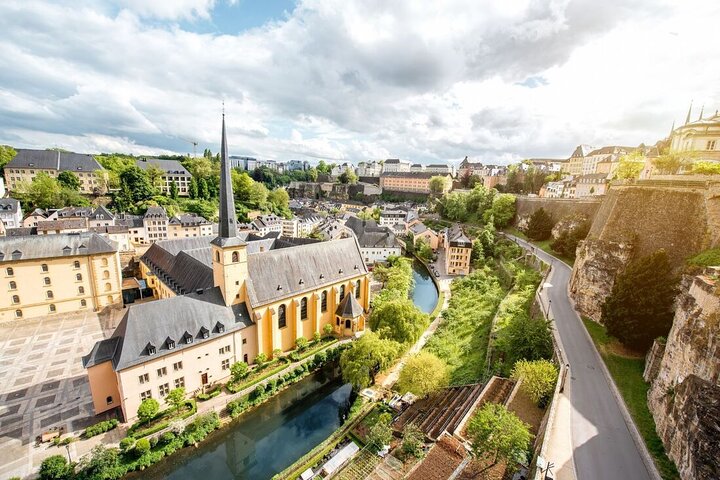
This isn’t just a way to get from one floor to another. The glass-walled lift glides up the cliff face, giving you a vertical tour of the city’s topography. You get a front-row seat to the Grund valley and the old fortifications, all without breaking a sweat. It’s a quick, cinematic reveal of why Luxembourg was considered impregnable for centuries. If you want a photo that actually tells a story, this is where you get it.
The Urban History Galleries
Most city museums drown you in dusty maps and endless portraits of people you’ll never care about. Here, the galleries are alive with interactive displays, models, and multimedia that actually make you want to linger. You’ll see how Luxembourg morphed from fortress to financial hub, with all the weird, messy transitions in between. The exhibits don’t sugarcoat the city’s quirks or contradictions—they lean into them. If you want to understand why Luxembourg is more than just a tax haven, this is your crash course.
The Temporary Exhibitions
Here’s where the museum flexes its creative muscles. The rotating exhibits are often bold, sometimes odd, and never phoned-in. One month you might get a deep dive into local street art, the next a forensic look at the city’s role in European politics. These shows are curated with a sense of humor and a willingness to challenge the official narrative. If you’re lucky enough to catch a good one, it’s often the most memorable part of the visit. This is my personal favorite—it’s where the museum stops being a history lesson and starts feeling like a conversation with the city itself.
The Restored Townhouses
The museum is stitched together from four centuries-old townhouses, and you can actually wander through their original staircases, courtyards, and creaky wooden floors. It’s not just a backdrop; it’s a living artifact. You get a tactile sense of how people lived, worked, and schemed in the heart of the old city. It’s a rare museum where the building is as much a part of the story as the exhibits inside.
Forget the polished glass cases and sanitized timelines. The museum’s cellars drop you straight into the city’s guts—literally. You’re walking through layers of medieval stonework, some dating back to the 10th century, with the raw, chilly air and rough-hewn walls reminding you that Luxembourg wasn’t always a polished Euro-capital. This is the city’s original skeleton, and it’s a rare chance to touch the real, unvarnished past—no velvet ropes, no Instagram filters, just honest-to-goodness history under your boots.
The Panoramic Lift
This isn’t just a way to get from one floor to another. The glass-walled lift glides up the cliff face, giving you a vertical tour of the city’s topography. You get a front-row seat to the Grund valley and the old fortifications, all without breaking a sweat. It’s a quick, cinematic reveal of why Luxembourg was considered impregnable for centuries. If you want a photo that actually tells a story, this is where you get it.
The Urban History Galleries
Most city museums drown you in dusty maps and endless portraits of people you’ll never care about. Here, the galleries are alive with interactive displays, models, and multimedia that actually make you want to linger. You’ll see how Luxembourg morphed from fortress to financial hub, with all the weird, messy transitions in between. The exhibits don’t sugarcoat the city’s quirks or contradictions—they lean into them. If you want to understand why Luxembourg is more than just a tax haven, this is your crash course.
The Temporary Exhibitions
Here’s where the museum flexes its creative muscles. The rotating exhibits are often bold, sometimes odd, and never phoned-in. One month you might get a deep dive into local street art, the next a forensic look at the city’s role in European politics. These shows are curated with a sense of humor and a willingness to challenge the official narrative. If you’re lucky enough to catch a good one, it’s often the most memorable part of the visit. This is my personal favorite—it’s where the museum stops being a history lesson and starts feeling like a conversation with the city itself.
The Restored Townhouses
The museum is stitched together from four centuries-old townhouses, and you can actually wander through their original staircases, courtyards, and creaky wooden floors. It’s not just a backdrop; it’s a living artifact. You get a tactile sense of how people lived, worked, and schemed in the heart of the old city. It’s a rare museum where the building is as much a part of the story as the exhibits inside.
Spotted a mistake or missing something? Contact us.
Luxembourg city walking and wine tasting tour

Tip-Based Luxembourg Walking Tour in English

The Best of Luxembourg City Guided E-bike Tour

Luxembourg City: Walking Tour with a Multilingual Guide

Luxembourg city walking tour

Private Tour of Luxembourg City and the Countryside

Luxembourg: Nature & Castle Day Trip

Romantic Quest in Luxembourg: Self-Guided Love Story Walk

3-hour Food Tour : Uncover the Tastes of Luxembourg


 Best Backpacking
.jpg) Hi, I’m Johan (Netherlands 🇳🇱), the creator of TakeYourBackpack. Over the past 3 decades, I’ve backpacked through 90+ countries across six continents, gaining extensive experience with independent travel, long-term trips, and overland routes.
Hi, I’m Johan (Netherlands 🇳🇱), the creator of TakeYourBackpack. Over the past 3 decades, I’ve backpacked through 90+ countries across six continents, gaining extensive experience with independent travel, long-term trips, and overland routes.