v2.webp)
The Roman Mosaic Floor
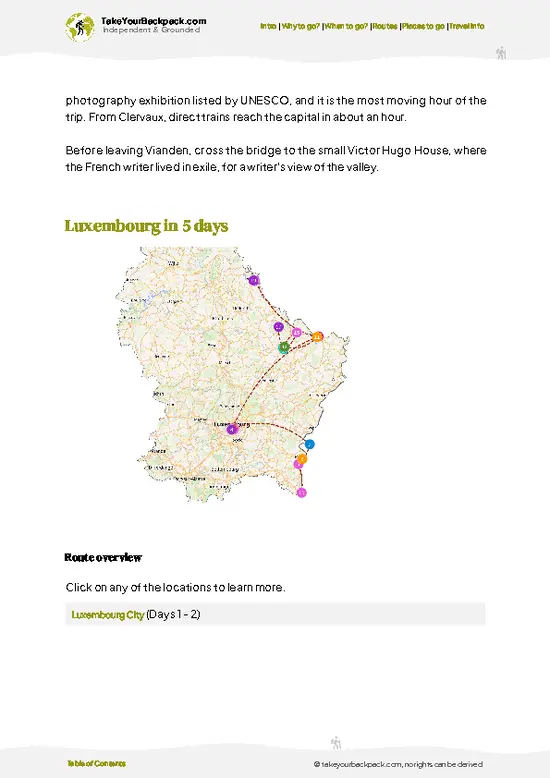
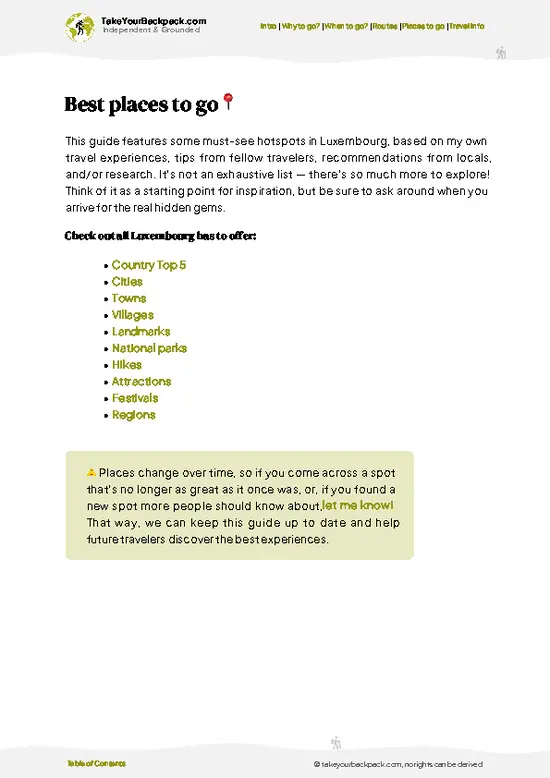
Let’s cut through the Instagram filters: most people breeze past ancient mosaics, but the Roman mosaic floor here is a showstopper—if you actually look. This isn’t just a pretty pattern; it’s a 1,700-year-old slice of daily life, ripped from a Roman villa and reassembled in the museum’s basement. The scale is massive, the craftsmanship is obsessive, and the details—mythical beasts, geometric puzzles—are the kind of thing you only appreciate when you’re standing right over them, not scrolling past on your phone. It’s the museum’s quiet flex: “We’ve got the real deal, and it’s older than your country.”
The Treasury (Le Trésor)
If you’re expecting dusty coins and faded relics, you’re in for a surprise. The Treasury is a glittering, almost theatrical display of medieval … read more 👉
Let’s cut through the Instagram filters: most people breeze past ancient mosaics, but the Roman mosaic floor here is a showstopper—if you actually look. This isn’t just a pretty pattern; it’s a 1,700-year-old slice of daily life, ripped from a Roman villa and reassembled in the museum’s basement. The scale is massive, the craftsmanship is obsessive, and the details—mythical beasts, geometric puzzles—are the kind of thing you only appreciate when you’re standing right over them, not scrolling past on your phone. It’s the museum’s quiet flex: “We’ve got the real deal, and it’s older than your country.”
The Treasury (Le Trésor)
If you’re expecting dusty coins and faded relics, you’re in for a surprise. The Treasury is a glittering, almost theatrical display of medieval … read more 👉
The Roman Mosaic Floor
Let’s cut through the Instagram filters: most people breeze past ancient mosaics, but the Roman mosaic floor here is a showstopper—if you actually look. This isn’t just a pretty pattern; it’s a 1,700-year-old slice of daily life, ripped from a Roman villa and reassembled in the museum’s basement. The scale is massive, the craftsmanship is obsessive, and the details—mythical beasts, geometric puzzles—are the kind of thing you only appreciate when you’re standing right over them, not scrolling past on your phone. It’s the museum’s quiet flex: “We’ve got the real deal, and it’s older than your country.”
The Treasury (Le Trésor)
If you’re expecting dusty coins and faded relics, you’re in for a surprise. The Treasury is a glittering, almost theatrical display of medieval goldsmithing. Think jewel-encrusted reliquaries, ceremonial swords, and objects so ornate they look like props from a fantasy epic. The lighting is dramatic, the cases are spotless, and the sense of “how did this survive?” is real. This is where you realize Luxembourg’s history isn’t just about being a crossroads—it’s about being a prize worth fighting over.
The Gëlle Fra (Golden Lady) Model
The real Gëlle Fra stands tall in the city, but the museum’s scale model lets you get up close to the symbolism. She’s not just a statue; she’s a survivor. Toppled by Nazis, resurrected decades later, she’s Luxembourg’s answer to resilience. The museum’s context—photos, propaganda, and the story of her disappearance—turns a tourist photo-op into a lesson in national identity and stubborn hope.
Luxembourg’s WWII Experience
Forget the sanitized version of history. The museum’s WWII section is blunt: occupation, resistance, collaboration, and the messy aftermath. Personal letters, propaganda posters, and everyday objects tell the story from the ground up. You’ll see the faces of real Luxembourgers, not just generals and politicians. It’s raw, sometimes uncomfortable, and absolutely necessary if you want to understand the country beyond its postcard-perfect old town.
The Archaeological Vaults
My personal favorite. Descend into the museum’s lower levels and you’re in a time capsule—literally. The vaults are packed with artifacts pulled from Luxembourg’s soil: prehistoric tools, Celtic jewelry, Roman glassware. It’s dark, cool, and a little bit eerie. You can almost smell the centuries. This is where you feel the weight of time, and where the museum’s “history” label stops being abstract and starts feeling physical, almost tactile.
Temporary Exhibitions
Here’s where the museum shakes off any “stuffy” reputation. The rotating exhibitions are unpredictable—sometimes contemporary art, sometimes deep dives into a single archaeological find, sometimes pop culture. The curators take risks, and it pays off. If you want to see Luxembourg’s past collide with its present, this is the spot. Check what’s on before you go, but don’t skip it just because it’s not “permanent.” Some of the best surprises happen here.
Let’s cut through the Instagram filters: most people breeze past ancient mosaics, but the Roman mosaic floor here is a showstopper—if you actually look. This isn’t just a pretty pattern; it’s a 1,700-year-old slice of daily life, ripped from a Roman villa and reassembled in the museum’s basement. The scale is massive, the craftsmanship is obsessive, and the details—mythical beasts, geometric puzzles—are the kind of thing you only appreciate when you’re standing right over them, not scrolling past on your phone. It’s the museum’s quiet flex: “We’ve got the real deal, and it’s older than your country.”
The Treasury (Le Trésor)
If you’re expecting dusty coins and faded relics, you’re in for a surprise. The Treasury is a glittering, almost theatrical display of medieval goldsmithing. Think jewel-encrusted reliquaries, ceremonial swords, and objects so ornate they look like props from a fantasy epic. The lighting is dramatic, the cases are spotless, and the sense of “how did this survive?” is real. This is where you realize Luxembourg’s history isn’t just about being a crossroads—it’s about being a prize worth fighting over.
The Gëlle Fra (Golden Lady) Model
The real Gëlle Fra stands tall in the city, but the museum’s scale model lets you get up close to the symbolism. She’s not just a statue; she’s a survivor. Toppled by Nazis, resurrected decades later, she’s Luxembourg’s answer to resilience. The museum’s context—photos, propaganda, and the story of her disappearance—turns a tourist photo-op into a lesson in national identity and stubborn hope.
Luxembourg’s WWII Experience
Forget the sanitized version of history. The museum’s WWII section is blunt: occupation, resistance, collaboration, and the messy aftermath. Personal letters, propaganda posters, and everyday objects tell the story from the ground up. You’ll see the faces of real Luxembourgers, not just generals and politicians. It’s raw, sometimes uncomfortable, and absolutely necessary if you want to understand the country beyond its postcard-perfect old town.
The Archaeological Vaults
My personal favorite. Descend into the museum’s lower levels and you’re in a time capsule—literally. The vaults are packed with artifacts pulled from Luxembourg’s soil: prehistoric tools, Celtic jewelry, Roman glassware. It’s dark, cool, and a little bit eerie. You can almost smell the centuries. This is where you feel the weight of time, and where the museum’s “history” label stops being abstract and starts feeling physical, almost tactile.
Temporary Exhibitions
Here’s where the museum shakes off any “stuffy” reputation. The rotating exhibitions are unpredictable—sometimes contemporary art, sometimes deep dives into a single archaeological find, sometimes pop culture. The curators take risks, and it pays off. If you want to see Luxembourg’s past collide with its present, this is the spot. Check what’s on before you go, but don’t skip it just because it’s not “permanent.” Some of the best surprises happen here.
Spotted a mistake or missing something? Contact us.


 Best Backpacking
.jpg) Hi, I’m Johan (Netherlands 🇳🇱), the creator of TakeYourBackpack. Over the past 3 decades, I’ve backpacked through 90+ countries across six continents, gaining extensive experience with independent travel, long-term trips, and overland routes.
Hi, I’m Johan (Netherlands 🇳🇱), the creator of TakeYourBackpack. Over the past 3 decades, I’ve backpacked through 90+ countries across six continents, gaining extensive experience with independent travel, long-term trips, and overland routes.