×

Madagascar🇲🇬 | attractionsNosy Komba Lemur and Craft Villagesblack lemurs, handwoven baskets, fishing hamlets, volcanic island | things to do and best time to go

Explore Nosy Tanikely Marine Reserve Snorkeling AreaExplore Ambalavao Zebu Market and Traditional Craft Workshops

Backpacking in Nosy Komba Lemur and Craft Villages
🌟 Highlightattraction ranked #5
By Johan Kruseman 🇳🇱 | Updated September 3, 2026

Here’s what nobody tells you until you’re already on the boat: Nosy Komba’s real advantage is how quickly you can slip from lemur selfies into a village rhythm that’s still more fisherman than influencer. Nosy Komba Lemur and Craft Villages sits just off Madagascar’s northwest coast, a short hop from the tourist-magnet of Nosy Be, but a world away in attitude. Yes, you’ll meet the famous black lemurs—curious, bold, and occasionally sticky-fingered—but the real magic is wandering through the island’s craft villages, where woodcarvers and weavers work with the kind of patience you can’t fake for tourists. It’s not cheap by Madagascar standards (boats, guides, and the lemur park all add up), and you won’t have the place to yourself—especially when day-trippers swarm in. But compared to the overrun beaches of Nosy Be or the logistical headaches of the mainland parks, Nosy Komba feels personal, tactile, and just wild enough to remind you why you left the guidebook behind.

Discover everything you want to know in the 📖 Madagascar Travel Guide.
Loading the map 🌍
CLICK TO FILTER
cities
towns
villages
landmarks
national parks
hikes
beaches
attractions
festivals
regions
SHOW COUNTRY’S BESTSHOW ALL

✨ Why go?
Ranked #5 attraction in Madagascar
What makes this attraction worth visiting

Nosy Komba Lemur and Craft Villages are often painted as a postcard-perfect stop, but let’s cut through the Instagram gloss. Yes, it’s touristy—expect crowds, especially during peak season. The entrance fee isn’t pocket change either, which can sting if you’re juggling a tight budget. But here’s the kicker: this place isn’t just about cute lemurs posing for selfies or souvenir stalls hawking trinkets. It’s a genuine cultural crossroads. The lemurs here aren’t just wildlife; they’re living symbols of Madagascar’s unique biodiversity, a rare chance to see these creatures in a setting that’s more sanctuary than zoo. The craft villages? They’re not tourist traps but vibrant hubs where traditional Malagasy artistry is alive and kicking—think intricate woodcarving and weaving that tell stories older … read more 👉
Nosy Komba Lemur and Craft Villages are often painted as a postcard-perfect stop, but let’s cut through the Instagram gloss. Yes, it’s touristy—expect crowds, especially during peak season. The entrance fee isn’t pocket change either, which can sting if you’re juggling a tight budget. But here’s the kicker: this place isn’t just about cute lemurs posing for selfies or souvenir stalls hawking trinkets. It’s a genuine cultural crossroads. The lemurs here aren’t just wildlife; they’re living symbols of Madagascar’s unique biodiversity, a rare chance to see these creatures in a setting that’s more sanctuary than zoo. The craft villages? They’re not tourist traps but vibrant hubs where traditional Malagasy artistry is alive and kicking—think intricate woodcarving and weaving that tell stories older than most guidebooks. For backpackers threading through Madagascar’s wild tapestry, Nosy Komba is a milestone. It’s where nature’s raw beauty meets human creativity, offering a deep dive into the island’s soul. The effort to get here—often involving a boat ride and some negotiation—is rewarded with moments that stick long after the crowds fade. This isn’t just a stop; it’s a checkpoint in understanding Madagascar beyond the surface.
Want to include Nosy Komba Lemur and Craft Villages in your Madagascar route?
Create a personalized Madagascar itinerary that includes Nosy Komba Lemur and Craft Villages and the places that fit your trip — based on your travel style, budget, and available time. Get your route in seconds.

Generate my trip

💡 HighlightsThe experiences that define the visit

1. Face-to-Face with Black Lemurs
Let’s cut through the Instagram fog: Yes, you’ll see lemurs. No, it’s not a private David Attenborough moment. You’ll share the trails with other travelers, and the lemurs know the drill—they’re bold, curious, and sometimes a little too interested in your banana stash. But here’s the real magic: when you lock eyes with a wild black lemur, you’re not just ticking a box. You’re in the middle of their world, not a zoo enclosure. Their hands are surprisingly gentle, their gaze is sharp, and the forest soundtrack is all real—no sound effects, just the rustle of leaves and the occasional lemur squabble overhead. This is the showstopper, and it’s my personal favorite. You’ll remember the lemur’s stare long after you’ve forgotten the ferry ride.


2. The Hand-Carved read more 👉
1. Face-to-Face with Black Lemurs
Let’s cut through the Instagram fog: Yes, you’ll see lemurs. No, it’s not a private David Attenborough moment. You’ll share the trails with other travelers, and the lemurs know the drill—they’re bold, curious, and sometimes a little too interested in your banana stash. But here’s the real magic: when you lock eyes with a wild black lemur, you’re not just ticking a box. You’re in the middle of their world, not a zoo enclosure. Their hands are surprisingly gentle, their gaze is sharp, and the forest soundtrack is all real—no sound effects, just the rustle of leaves and the occasional lemur squabble overhead. This is the showstopper, and it’s my personal favorite. You’ll remember the lemur’s stare long after you’ve forgotten the ferry ride.


2. The Hand-Carved Craft Villages
Forget the airport souvenir shops. Nosy Komba’s villages are the real deal for Malagasy crafts. You’ll see woodcarvers at work, not just selling but shaping intricate masks, animals, and utensils right in front of you. The artistry is raw and practical—these aren’t mass-produced trinkets. You’ll find woven baskets, embroidered tablecloths, and jewelry made from local seeds and shells. Prices are negotiable, but don’t expect rock-bottom bargains; you’re paying for hours of labor and a slice of island culture. The best part? You can chat with the artisans, watch the process, and walk away with something that smells faintly of woodsmoke and ocean air.


3. Hike the Volcanic Trails
Nosy Komba isn’t just about lemurs and crafts. The island’s volcanic slopes are laced with footpaths that wind through dense forest, past ylang-ylang trees and vanilla vines. It’s humid, sometimes muddy, and you’ll sweat—this is not a sanitized nature walk. But the payoff is real: panoramic views of the Indian Ocean, glimpses of chameleons, and the feeling that you’ve actually earned your lunch. Most trails are guided, which is a blessing; you’ll get stories about the island’s history, medicinal plants, and maybe a lesson in Malagasy if you’re lucky.


4. Village Life Unfiltered
If you want the ‘untouched paradise’ fantasy, you’ll be disappointed. Nosy Komba’s villages are alive and unapologetically real. Kids play soccer in the sand, chickens dart between houses, and the scent of frying fish drifts from open-air kitchens. There’s no main road—just sandy footpaths and the occasional zebu cart. You’ll see daily life up close, not staged for tourists. It’s messy, vibrant, and a reminder that travel isn’t about perfection; it’s about connection.


5. Beach Time, Malagasy Style
Don’t expect endless empty beaches. The sand is golden, the water is warm, and yes, you’ll share it with locals and other travelers. But that’s the point. You might get invited to join a game of pétanque, or end up eating grilled fish with your hands at a beachside shack. The sunsets are the real deal—fiery, fast, and best enjoyed with a cold THB (Three Horses Beer) in hand.
Spotted a mistake or missing something? Contact us.

🌤️ When to go?Best time to visit Nosy Komba Lemur and Craft Villages


  • Weather: The dry season from May to October is your best bet. Expect less humidity and almost no rain, which means easier hikes and no soggy gear. November to April is the wet season—think heavy rains and muddy trails that can seriously slow you down.

  • Temperature: During the dry months, temperatures hover around 20-25°C (68-77°F), perfect for trekking without overheating. The wet season cranks up the heat and humidity, often pushing temps above 30°C (86°F), which can sap your energy fast.

  • Daylight Hours: Madagascar enjoys roughly 11-12 hours of daylight year-round, but the dry season offers clearer skies, so you get more usable daylight for exploring and photography.

  • Crowds: Peak tourist season aligns with the dry months, especially July and August. Expect more visitors and higher
read more 👉

  • Weather: The dry season from May to October is your best bet. Expect less humidity and almost no rain, which means easier hikes and no soggy gear. November to April is the wet season—think heavy rains and muddy trails that can seriously slow you down.

  • Temperature: During the dry months, temperatures hover around 20-25°C (68-77°F), perfect for trekking without overheating. The wet season cranks up the heat and humidity, often pushing temps above 30°C (86°F), which can sap your energy fast.

  • Daylight Hours: Madagascar enjoys roughly 11-12 hours of daylight year-round, but the dry season offers clearer skies, so you get more usable daylight for exploring and photography.

  • Crowds: Peak tourist season aligns with the dry months, especially July and August. Expect more visitors and higher prices then. If you want fewer people, aim for shoulder months like May or September, where the vibe is quieter but conditions remain solid.

  • Seasonal Activities: Lemur spotting is best during the dry season when animals are more active and visible. Craft villages buzz with activity year-round, but local festivals and markets peak in July and August, adding cultural depth to your visit.

  • Price Fluctuations: Accommodation and tours spike in the dry season, especially mid-year. Budget travelers can save by booking in May or late September when prices dip but the weather still cooperates.


Pro-tip: Visit in May or September for the sweet spot—good weather, fewer crowds, and better prices. You’ll get the real Nosy Komba experience without the tourist circus.


source: climatestotravel.comJANJanuary: fair for travelingFEBFebruary: fair for travelingMARMarch: fair for travelingAPRApril: fair for travelingMAYMay: highly recommended for travelingJUNJune: excellent for travelingJULJuly: excellent for travelingAUGAugust: excellent for travelingSEPSeptember: highly recommended for travelingOCTOctober: excellent for travelingNOVNovember: fair for travelingDECDecember: fair for traveling
madagascar-attraction-nosy-komba-lemur-and-craft-villages
© Google |

✈️ The backpacker research shortcutMadagascar Travel Guide

An offline-friendly backpacking guide with optimized travel routes, ranked highlights, transport advice, and the best areas to stay.
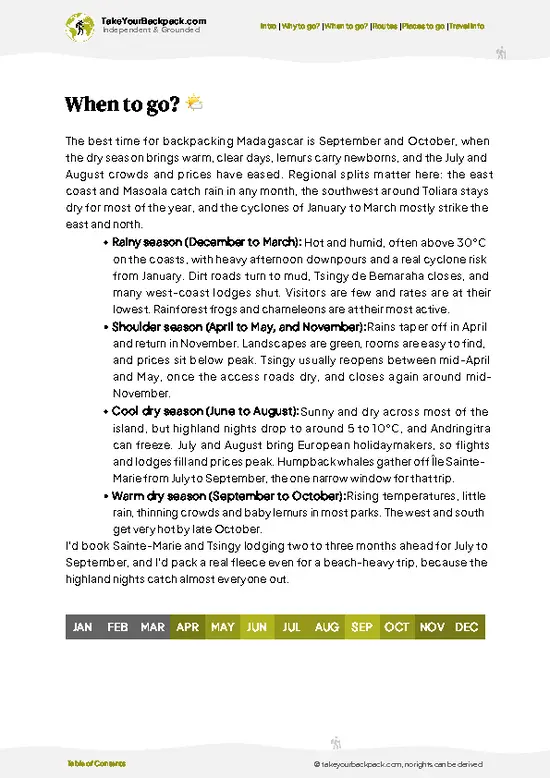
example page 0 from our offline Travel Guide for Madagascar
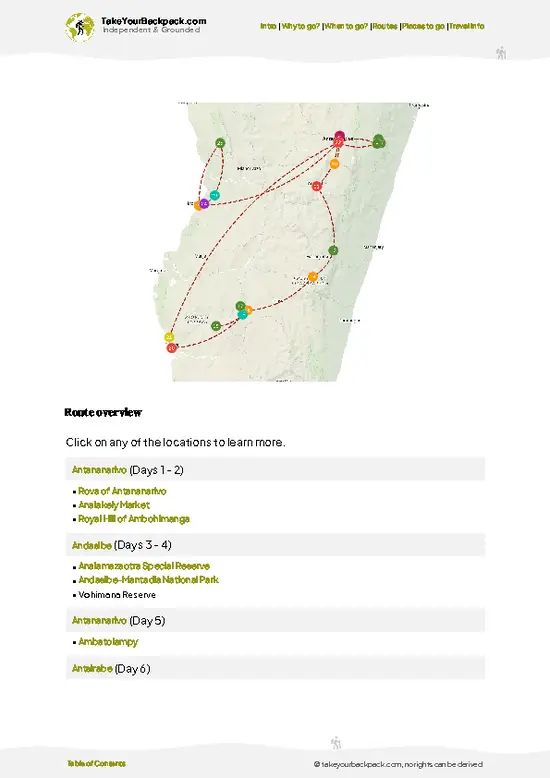
example page 1 from our offline Travel Guide for Madagascar
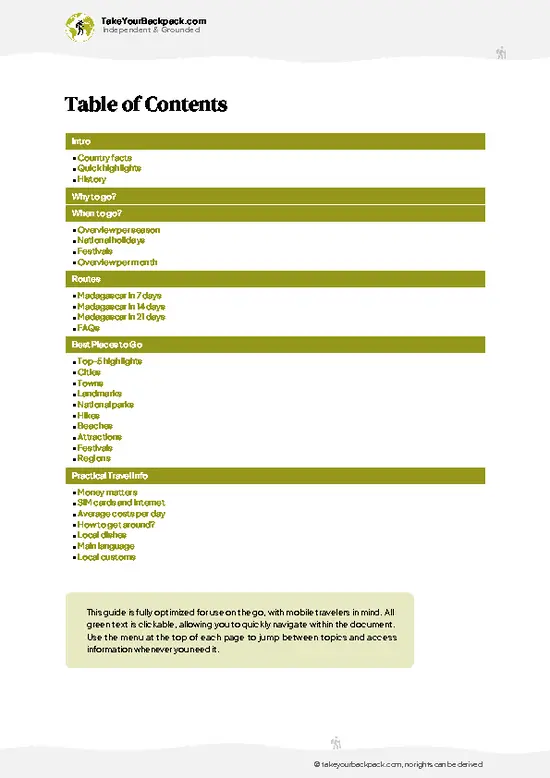
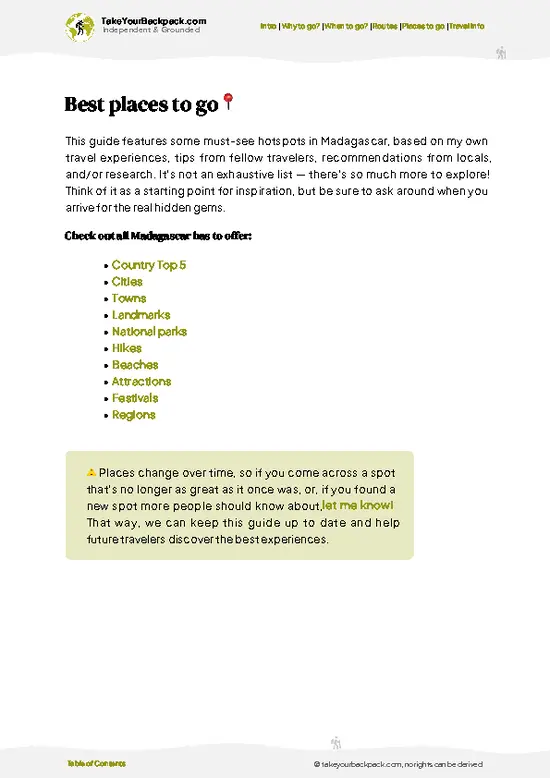
example page 2 from our offline Travel Guide for Madagascar
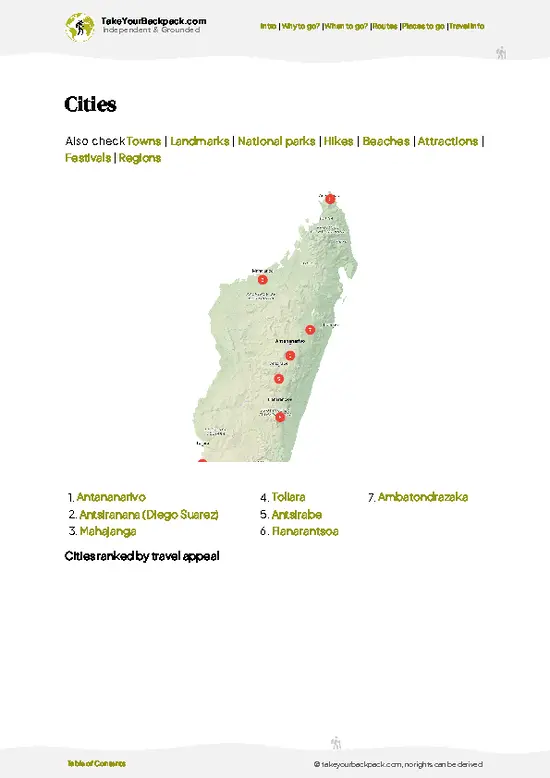
example page 3 from our offline Travel Guide for Madagascar
example page 4 from our offline Travel Guide for Madagascar
example page 5 from our offline Travel Guide for Madagascar
example page 6 from our offline Travel Guide for Madagascar
example page 7 from our offline Travel Guide for Madagascar
The digital guide (418 pages) contains:
110 highlights, ranked by travel appeal
Optimized 7, 14 & 21-day travel routes
Cities, national parks, landmarks, beaches
How to get around
Offline-friendly for travel without Wi-Fi
👉 Click to see all 30+ guide features

📅 Plan smarter in minutes, not weeks
Month by month travel advice
Festivals & national holidays
Budget expectations

🗺️ Go to the right places, skip the overrated ones
Honest pros & cons of destinations
Top hikes, parks & viewpoints
Lesser-known places most travelers miss
Clear “worth it vs skip it” guidance

🛏️ Travel smoothly without rookie mistakes
Best areas to stay
Transport systems explained simply
Common scams & safety advice
SIM cards, money & practical tips

🌍 Understand the country, not just visit it
Culture & traditions
52 Essential phrases & customs
Festivals worth planning around
Traveler-friendly historical context
Insights that make places more meaningful

📱 Built for real travel conditions
Fully downloadable PDF
Works completely offline
Optimized for phone use
Useful in remote areas & buses
Everything in one place
Save weeks of stressful planning
Get instant access to your full guide. 30‑day money-back guarantee.
+ Add another guide for just US$7.80

By proceeding you agree to our terms.
Sent to your inbox immediately after payment • 100% Secure Checkout
Best Backpacking Travel Advisor 2025 tourism awardBest Backpacking
Travel Advisor
2025
What others say about Take Your Backpack Guides:
⭐⭐⭐⭐⭐
Fantastic, amazing amount of information!
⭐⭐⭐⭐⭐
My goodness this is amazing, it's what I've been looking for hats off too you!
⭐⭐⭐⭐⭐
I think this is absolutely BRILLIANT
⭐⭐⭐⭐
Very complete and informative. It's still missing places, but I gotta to commend you
⭐⭐⭐⭐⭐
This is truly amazing, thank you, can't wait to explore it with my kids!
⭐⭐⭐⭐⭐
Awesome resource, thank you!
⭐⭐⭐⭐⭐
This is amazing! Can't wait to explore the ones I haven't seen
⭐⭐⭐⭐
I love this! Well done, great idea.
⭐⭐⭐⭐⭐
Thanks for taking the time to make this gem!
⭐⭐⭐⭐⭐
This might be the best website I've ever seen.
⭐⭐⭐⭐⭐
Congratulations, and thank you so much for your work; it's incredibly valuable.
⭐⭐⭐⭐
In all seriousness I think you did a great job pointing out the important spots
⭐⭐⭐⭐⭐
10/10 very good
⭐⭐⭐⭐⭐
As someone who's only just starting to visit regularly this is awesome, thank you.
⭐⭐⭐⭐
Thank you very much! I'm going to visit my dad, it's going to be very useful!
⭐⭐⭐⭐⭐
This is really cool! We'll be travelling for the first time and this definitely come in handy.
⭐⭐⭐⭐⭐
You are now our minister of culture, congratulations 👨‍💼
⭐⭐⭐⭐⭐
Just wanted to tell you that this is a pearl! Going to follow your recommendations.
⭐⭐⭐⭐⭐
This is so cool. I'll definitely be using the resource for my travels soon.
⭐⭐⭐⭐⭐
This is very impressive! Good work.
⭐⭐⭐⭐⭐
This is an amazing and informative site. Very well done!

🛏️ Where to stay?How to pick the right area

Nosy Komba’s charm isn’t in polished resorts or Instagram-perfect quietude—it’s in the raw, unfiltered vibe of the island’s villages and the buzz of backpackers who’ve found their way here. If you’re chasing the classic postcard image, brace yourself: the crowds hit hard during peak season, and prices spike accordingly. This isn’t a secret hideaway anymore, and the boat rides from Nosy Be can get packed. But here’s the real deal: the best spots to stay are the small villages hugging the island’s shores, where locals and travelers mix freely.

Forget sanitized tourist zones. These villages offer … read more 👉
Nosy Komba’s charm isn’t in polished resorts or Instagram-perfect quietude—it’s in the raw, unfiltered vibe of the island’s villages and the buzz of backpackers who’ve found their way here. If you’re chasing the classic postcard image, brace yourself: the crowds hit hard during peak season, and prices spike accordingly. This isn’t a secret hideaway anymore, and the boat rides from Nosy Be can get packed. But here’s the real deal: the best spots to stay are the small villages hugging the island’s shores, where locals and travelers mix freely.

Forget sanitized tourist zones. These villages offer safe, social environments where you can swap stories over a cheap meal or join impromptu beach jams. The vibe is laid-back but lively, perfect for solo travelers who want to connect without the pressure of forced social scenes. You’ll find basic guesthouses and bungalows that keep your budget intact and your experience authentic. The trade-off is simple: no luxury, but a front-row seat to daily island life, lemur encounters just steps away, and craft markets where you can haggle directly with artisans.

If you want to soak in Nosy Komba’s soul, stay where the island breathes—close enough to the lemur trails and craft villages to wander at will, but far enough from the tourist throng to keep it real. This is where the magic happens, not in glossy brochures.

👛 Costs (as of 3 September 2026)How expensive it really is

Visiting Nosy Komba's Lemur and Craft Villages typically involves a boat tour priced between €50 and €90 per person, depending on the tour's duration and inclusions. Additional costs may include a 10,000 Ariary (approximately €2.50) entrance fee to the Lemur Park in Ampangorinana village. Local guides are recommended for a more enriching experience, with fees varying based on the tour's length and complexity. Meals, souvenirs, and other personal expenses are additional and can vary widely. Overall, budgeting approximately €50 to €90 per day for activities and entrance fees is advisable.

source: antoremba-lodge.com
⚠️ Prices can change and everyone travels differently, so take this as a rough guide. Hope it helps you plan your adventure!

FAQCommon questions from travelers

Plan for about 2 to 3 hours to visit Nosy Komba Lemur and Craft Villages, enough time to see the lemurs and browse local crafts without rushing. This allows for a guided walk through the forest and time to explore the artisan shops.
Yes, Nosy Komba Lemur and Craft Villages is worth the entrance fee, which is typically around 10,000 MGA (about 3 USD). The fee supports conservation efforts and local communities, and you get close encounters with friendly lemurs and authentic handmade crafts.
To get to Nosy Komba, take a boat from Nosy Be, usually a 30 to 45-minute ride. Boats depart from Hell-Ville or other local docks, and arranging transport through your accommodation or a local tour operator is common.
⚠️ Things can change over time, so always validate details locally before you go.

Other Malagasy attractions near Nosy Komba Lemur and Craft Villages

Explore more nearby:


💡 Not sure where to go next?
Create a personalized itinerary for Madagascar including Nosy Komba Lemur and Craft Villages and the places that fit your trip.

Generate my itinerary

👉 Discover all attractions

Or checkout all Madagascar has to offer (think cities, towns, villages, national parks, hikes, beaches, festivals)
Country photo of Madagascar

We 💚 feedbackSumming up the experience

Nosy Komba’s lemurs aren’t just cute photo ops—they’re wild characters with quirks you won’t find in a zoo. That close-up moment, watching them leap and lounge, is pure magic. But heads up: the island’s popularity means you’ll share that magic with a crowd, especially in peak season. If you can time it right or get off the beaten path a bit, the raw, unfiltered vibe of the craft villages and those curious lemurs makes the hassle worth it.

✈️ When did I visit Madagascar?
Madagascar I went backpacking in October 2019. With a friend I rented a 4WD and drove around the southern part of Madagascar.

✍️ Help improve this page!
The information on this page is based on my own backpacking experience in Madagascar, supplemented with up-to-date research and feedback from other travelers. Travel details can change, so if you notice anything outdated or incomplete, feel free to let me know.


🙋‍♂️ Give feedback

👋 Meet the founderWho’s Behind Take Your Backpack?

Johan, backpacker and founder of TakeYourBackpackHi, I’m Johan (Netherlands 🇳🇱), the creator of TakeYourBackpack. Over the past decade, I’ve backpacked through 80+ countries across six continents, gaining extensive experience with independent travel, long-term trips, and overland routes.

This site is built on a combination of firsthand travel experience and carefully curated insights from other backpackers. Many guides are based on places I’ve personally visited, while others bring together tips, observations, and practical advice shared by trusted travelers I’ve met along the way.

The goal is to provide realistic, experience-driven guidance — not generic itineraries — so you can explore destinations with better context, clearer expectations, and more confidence.

Get full Madagascar guide •
Instant download • 110 highlights • Full Offline guide