×

Malaysia🇲🇾 | festivalsChinese New Yearlion dances, red lanterns, reunion dinners | things to do and best time to go

Explore George TownExplore George Town Festival

Backpacking in Chinese New Year
🌟 Highlightfestival ranked #5
By Johan Kruseman 🇳🇱 | Updated May 31, 2026

Most people think Chinese New Year is just “one big night of fireworks.” It isn’t. In Malaysia it’s a full season that seeps into streets, homes, and bus timetables, and it’s scattered across the country wherever there are Chinese communities: Penang and Kuala Lumpur hit hardest, but Ipoh, Melaka, Johor Bahru, and smaller towns light up too. As a backpacker, you’re walking into a family-first festival that still spills into public space: lion dances pounding to drums and cymbals, C-pop and old Cantopop ballads in malls, incense smoke, and red lanterns everywhere. The vibe swings from quiet, shuttered shops on day one to rowdy open houses and temple fairs later. It runs roughly 15 days, and it’s worth it if you like cultural immersion and don’t mind transport chaos, higher prices, and whole streets going dead right when you’re hungry.

Discover everything you want to know in the 📖 Malaysia Travel Guide.
Loading the map 🌍
CLICK TO FILTER
cities
towns
villages
landmarks
national parks
hikes
beaches
attractions
festivals
regions
SHOW COUNTRY’S BESTSHOW ALL

✨ Why go?
Ranked #5 festival in Malaysia
Why visitors keep coming back

Backpackers flock to Malaysia during Chinese New Year for a reason. This festival isn’t just a date on the calendar; it’s a social energy explosion. Streets pulse with life, and you’ll find yourself swept into a temporary community where everyone shares in the joy. The vibrant lion dances, the intoxicating scents of street food, and the sound of firecrackers create an immersive experience that’s hard to replicate elsewhere.

Planning your route around this festival means diving deep into cultural immersion. You’ll witness traditions that have been passed down for generations, from family reunions to intricate rituals. Plus, it’s surprisingly affordable compared to similar events in other countries. You can enjoy the festivities without breaking the bank, leaving more budget for those epic … read more 👉
Backpackers flock to Malaysia during Chinese New Year for a reason. This festival isn’t just a date on the calendar; it’s a social energy explosion. Streets pulse with life, and you’ll find yourself swept into a temporary community where everyone shares in the joy. The vibrant lion dances, the intoxicating scents of street food, and the sound of firecrackers create an immersive experience that’s hard to replicate elsewhere.

Planning your route around this festival means diving deep into cultural immersion. You’ll witness traditions that have been passed down for generations, from family reunions to intricate rituals. Plus, it’s surprisingly affordable compared to similar events in other countries. You can enjoy the festivities without breaking the bank, leaving more budget for those epic hikes or local delicacies later on.

Integrating this festival into your longer travel plans adds a layer of richness to your journey. It’s not just about the destination; it’s about the experiences that shape your adventure. So, mark your calendar, pack your bags, and get ready to celebrate life in a way that only Malaysia can offer.
Want to include Chinese New Year in your Malaysia route?
Create a personalized Malaysia itinerary that includes Chinese New Year and the places that fit your trip — based on your travel style, budget, and available time. Get your route in seconds.

Generate my trip

💡 HighlightsThe experiences that define the visit

  1. Lion and dragon dances on the streets — Loud, athletic and impossible to miss: troupes weave through shopping streets, markets and malls, jumping between poles or snaking under lanterns. The energy is contagious, the drumming addictive, and in Malaysia you’ll often catch hybrid styles and community competitions that turn the whole neighbourhood into a cheering crowd.
  2. Temple visits and lantern displays — Temples light up with thousands of lanterns, incense and nightly rituals that feel cinematic after dark. It’s a great way to see traditional prayer practices up close and to admire elaborate lantern sculptures and temple architecture — some temples put on massive illuminated displays that transform the area into a glowing maze.
  3. Festive street markets and hawker food — These markets sell
read more 👉
  1. Lion and dragon dances on the streets — Loud, athletic and impossible to miss: troupes weave through shopping streets, markets and malls, jumping between poles or snaking under lanterns. The energy is contagious, the drumming addictive, and in Malaysia you’ll often catch hybrid styles and community competitions that turn the whole neighbourhood into a cheering crowd.
  2. Temple visits and lantern displays — Temples light up with thousands of lanterns, incense and nightly rituals that feel cinematic after dark. It’s a great way to see traditional prayer practices up close and to admire elaborate lantern sculptures and temple architecture — some temples put on massive illuminated displays that transform the area into a glowing maze.
  3. Festive street markets and hawker food — These markets sell tangerines, kumquat trees, pineapple tarts, bak kwa and snacks you only see around CNY. They’re loud, aromatic and cheap — perfect for sampling seasonal treats, grabbing last-minute decorations or just people-watching as shoppers haggle and stock up for the holidays.
  4. Reunion dinners and the Yee Sang toss (lo hei) — Family feasts are a central ritual: multi-course meals where every dish means something (prosperity, longevity, abundance). The Yee Sang toss is a tabletop party — everyone stands, heaps raw fish salad with colorful ingredients and tosses it sky-high while shouting wishes. It’s communal, a bit messy, and my personal favorite for pure fun and photo moments.
  5. Open houses and the multicultural street vibe — What makes Malaysian CNY special is openness: families, businesses and even politicians host open houses where anyone can drop in for food and greetings. Mix that with Malay, Indian and other Chinese festival elements, and you’ll see a cultural mash-up you won’t get elsewhere — polite, hospitable, and full of free kuih if you time it right.
Spotted a mistake or missing something? Contact us.

Things to do around Chinese New Year

Ratings based on Tripadvisor reviews. When you book through this link, you support our work at no extra cost to you.

🌤️ When to go?When is the celebration of Chinese New Year?


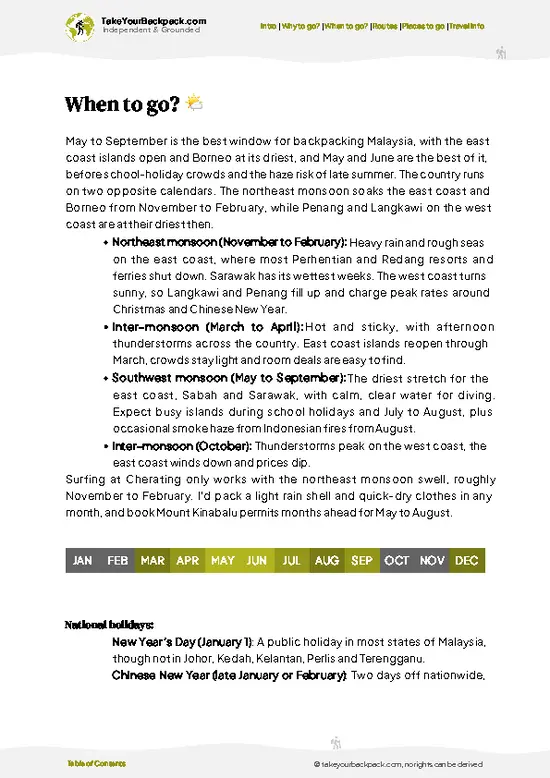
  • Topic: Weather – Chinese New Year falls between late January and mid-February, right in Malaysia’s dry season. Expect warm, humid days around 28-32°C (82-90°F) with minimal rain, perfect for pounding the pavement and catching street parades without soggy gear weighing you down.

  • Topic: Temperature – Nights stay mild, rarely dipping below 23°C (73°F). You won’t need bulky layers, but a light jacket for air-conditioned malls or evening strolls is smart. The heat fuels the festival’s energy, so hydrate and pace yourself.

  • Topic: Daylight Hours – Days stretch about 12 hours, from roughly 7:30 AM to 7:30 PM. This steady daylight window gives you ample time to dive into temple visits, lion dances, and street markets without rushing.

  • Topic: Crowds – This is peak festival time. Expect throngs
read more 👉

  • Topic: Weather – Chinese New Year falls between late January and mid-February, right in Malaysia’s dry season. Expect warm, humid days around 28-32°C (82-90°F) with minimal rain, perfect for pounding the pavement and catching street parades without soggy gear weighing you down.

  • Topic: Temperature – Nights stay mild, rarely dipping below 23°C (73°F). You won’t need bulky layers, but a light jacket for air-conditioned malls or evening strolls is smart. The heat fuels the festival’s energy, so hydrate and pace yourself.

  • Topic: Daylight Hours – Days stretch about 12 hours, from roughly 7:30 AM to 7:30 PM. This steady daylight window gives you ample time to dive into temple visits, lion dances, and street markets without rushing.

  • Topic: Crowds – This is peak festival time. Expect throngs in Chinatown and major cities. The buzz is electric but plan for slower transport and packed venues. Arriving early or late in the day can help you dodge the thickest crowds.

  • Topic: Seasonal Activities – The festival’s core events happen in the first three days, with fireworks, family reunions, and cultural shows. After that, the vibe mellows but street markets and temple fairs linger, offering a more relaxed pace.

  • Topic: Price Fluctuations – Accommodation and flights spike sharply during this period. Book months ahead or consider staying in less touristy neighborhoods to keep costs manageable. Street food remains affordable and is a festival highlight worth every ringgit.


Pro-tip: Time your visit for the festival’s opening days to catch the full spectacle, then slip into quieter neighborhoods to recharge and explore without the crush.


source: climatestotravel.comJANJanuary: highly recommended for travelingFEBFebruary: highly recommended for travelingMARMarch: not recommended for travelingAPRApril: not recommended for travelingMAYMay: not recommended for travelingJUNJune: not recommended for travelingJULJuly: not recommended for travelingAUGAugust: not recommended for travelingSEPSeptember: not recommended for travelingOCTOctober: not recommended for travelingNOVNovember: not recommended for travelingDECDecember: not recommended for traveling

✈️ The backpacker research shortcutMalaysia Travel Guide

An offline-friendly backpacking guide with optimized travel routes, ranked highlights, transport advice, and the best areas to stay.
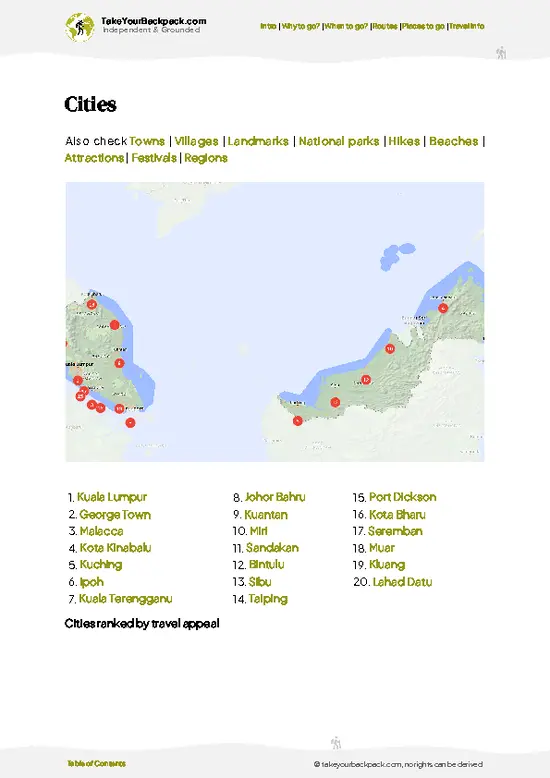
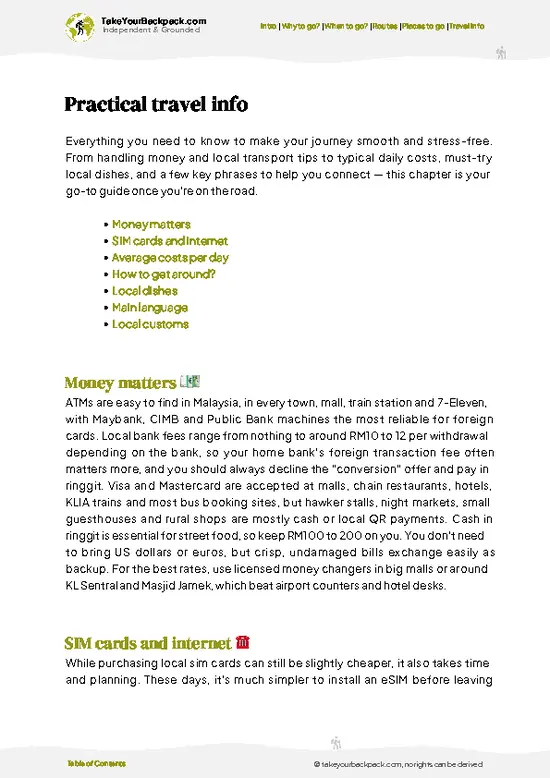
example page 0 from our offline Travel Guide for Malaysia
example page 1 from our offline Travel Guide for Malaysia
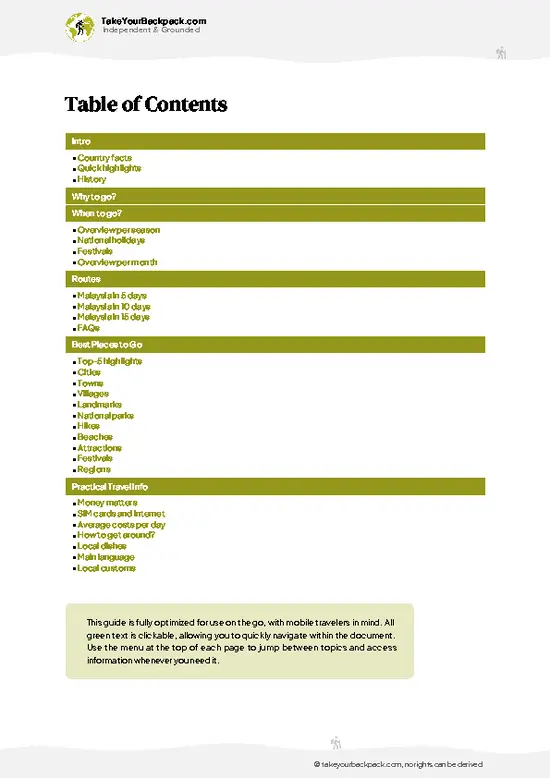
example page 2 from our offline Travel Guide for Malaysia
example page 3 from our offline Travel Guide for Malaysia
example page 4 from our offline Travel Guide for Malaysia
example page 5 from our offline Travel Guide for Malaysia
example page 6 from our offline Travel Guide for Malaysia
example page 7 from our offline Travel Guide for Malaysia
The digital guide (407 pages) contains:
107 highlights, ranked by travel appeal
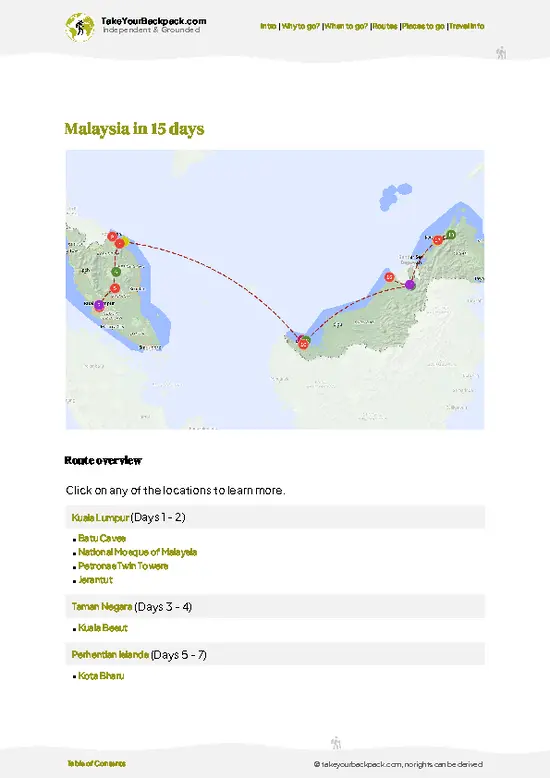
Optimized 5, 10 & 15-day travel routes
Cities, national parks, landmarks, beaches
How to get around
Offline-friendly for travel without Wi-Fi
👉 Click to see all 30+ guide features

📅 Plan smarter in minutes, not weeks
Month by month travel advice
Festivals & national holidays
Budget expectations

🗺️ Go to the right places, skip the overrated ones
Honest pros & cons of destinations
Top hikes, parks & viewpoints
Lesser-known places most travelers miss
Clear “worth it vs skip it” guidance

🛏️ Travel smoothly without rookie mistakes
Best areas to stay
Transport systems explained simply
Common scams & safety advice
SIM cards, money & practical tips

🌍 Understand the country, not just visit it
Culture & traditions
52 Essential phrases & customs
Festivals worth planning around
Traveler-friendly historical context
Insights that make places more meaningful

📱 Built for real travel conditions
Fully downloadable PDF
Works completely offline
Optimized for phone use
Useful in remote areas & buses
Everything in one place
Save weeks of stressful planning
Get instant access to your full guide. 30‑day money-back guarantee.


By proceeding you agree to our terms.
Sent to your inbox immediately after payment • 100% Secure Checkout
Best Backpacking Travel Advisor 2025 tourism awardBest Backpacking
Travel Advisor
2025
What others say about Take Your Backpack Guides:
⭐⭐⭐⭐⭐
Fantastic, amazing amount of information!
⭐⭐⭐⭐⭐
My goodness this is amazing, it's what I've been looking for hats off too you!
⭐⭐⭐⭐⭐
I think this is absolutely BRILLIANT
⭐⭐⭐⭐
Very complete and informative. It's still missing places, but I gotta to commend you
⭐⭐⭐⭐⭐
This is truly amazing, thank you, can't wait to explore it with my kids!
⭐⭐⭐⭐⭐
Awesome resource, thank you!
⭐⭐⭐⭐⭐
This is amazing! Can't wait to explore the ones I haven't seen
⭐⭐⭐⭐
I love this! Well done, great idea.
⭐⭐⭐⭐⭐
Thanks for taking the time to make this gem!
⭐⭐⭐⭐⭐
This might be the best website I've ever seen.
⭐⭐⭐⭐⭐
Congratulations, and thank you so much for your work; it's incredibly valuable.
⭐⭐⭐⭐
In all seriousness I think you did a great job pointing out the important spots
⭐⭐⭐⭐⭐
10/10 very good
⭐⭐⭐⭐⭐
As someone who's only just starting to visit regularly this is awesome, thank you.
⭐⭐⭐⭐
Thank you very much! I'm going to visit my dad, it's going to be very useful!
⭐⭐⭐⭐⭐
This is really cool! We'll be travelling for the first time and this definitely come in handy.
⭐⭐⭐⭐⭐
You are now our minister of culture, congratulations 👨‍💼
⭐⭐⭐⭐⭐
Just wanted to tell you that this is a pearl! Going to follow your recommendations.
⭐⭐⭐⭐⭐
This is so cool. I'll definitely be using the resource for my travels soon.
⭐⭐⭐⭐⭐
This is very impressive! Good work.
⭐⭐⭐⭐⭐
This is an amazing and informative site. Very well done!

🛏️ Where to stay?Best areas to stay in Malaysia

When you’re diving into the vibrant chaos of Chinese New Year in Malaysia, where you lay your head at night can make all the difference.

Start in Chinatown, Kuala Lumpur. This area buzzes with energy, especially during the festival. Street food stalls line the streets, and you’ll find fellow backpackers eager to share stories. The atmosphere is electric, and the proximity to events means you won’t miss a beat. Just keep your belongings close; the excitement can attract pickpockets.

Next, consider George Town, Penang. This UNESCO World Heritage site is a blend of cultures, and during Chinese … read more 👉
When you’re diving into the vibrant chaos of Chinese New Year in Malaysia, where you lay your head at night can make all the difference.

Start in Chinatown, Kuala Lumpur. This area buzzes with energy, especially during the festival. Street food stalls line the streets, and you’ll find fellow backpackers eager to share stories. The atmosphere is electric, and the proximity to events means you won’t miss a beat. Just keep your belongings close; the excitement can attract pickpockets.

Next, consider George Town, Penang. This UNESCO World Heritage site is a blend of cultures, and during Chinese New Year, it transforms into a lively celebration. The street art and colonial architecture provide a stunning backdrop for your adventures. Plus, the local hostels are known for their social vibe, making it easy to connect with other travelers.

Don’t overlook Kota Kinabalu in Sabah. While it’s a bit off the beaten path, the local celebrations are authentic and less touristy. The laid-back atmosphere here is perfect for solo backpackers looking to recharge after the festivities.

Choose wisely, and you’ll find that the right area not only saves you money but also fuels your journey with unforgettable experiences.

👛 Costs (as of 2 May 2025)Typical daily expenses

The Chinese New Year festival in Malaysia is a vibrant celebration, but navigating the costs can feel like a maze. Here’s how to keep your budget in check while fully embracing the festivities.
  • Festival Tickets: Most events are free, but some special performances or activities may charge a small fee. Expect to pay around €5 to €20 ($5 to $25) for premium shows or cultural experiences. Keep an eye out for free street performances that pack a punch.
  • Accommodation: Prices can spike during the festival. Budget options start at about €15 to €30 ($15 to $35) per night for hostels. Mid-range hotels range from €40 to €80 ($45 to $90). Book early to snag the best deals; last-minute can mean a hefty markup.
  • Local Transport: Public transport is your best friend. Buses and trains are affordable, typically
read more 👉
The Chinese New Year festival in Malaysia is a vibrant celebration, but navigating the costs can feel like a maze. Here’s how to keep your budget in check while fully embracing the festivities.
  • Festival Tickets: Most events are free, but some special performances or activities may charge a small fee. Expect to pay around €5 to €20 ($5 to $25) for premium shows or cultural experiences. Keep an eye out for free street performances that pack a punch.
  • Accommodation: Prices can spike during the festival. Budget options start at about €15 to €30 ($15 to $35) per night for hostels. Mid-range hotels range from €40 to €80 ($45 to $90). Book early to snag the best deals; last-minute can mean a hefty markup.
  • Local Transport: Public transport is your best friend. Buses and trains are affordable, typically costing around €0.50 to €2 ($0.50 to $2.50) per ride. Grab rideshare services are also popular, with short trips averaging €3 to €10 ($3 to $12). Factor in some extra for festival crowds, as wait times can stretch.
  • Food & Drinks: Street food is a highlight. You can feast on local dishes for about €2 to €5 ($2 to $6) per meal. If you opt for restaurants, expect to pay around €10 to €20 ($10 to $25) for a sit-down experience. Don’t skip the festive treats; they’re often worth the splurge.
  • Miscellaneous Expenses: Budget for souvenirs, snacks, and unexpected experiences. Set aside around €10 to €30 ($10 to $35) for these extras. Remember, the best memories often come from spontaneous moments, so keep some flexibility in your budget.

Stay sharp and plan ahead. The festival is a whirlwind of color and culture, and knowing where to allocate your funds will let you dive into the experience without hesitation.
⚠️ Prices can change and everyone travels differently, so take this as a rough guide. Hope it helps you plan your adventure!

🍲 FoodWhat to Eat & Drink

The **Chinese New Year** festival in Malaysia is a culinary explosion. Street stalls line the streets, each one a portal to local specialties. You’ll find **satay skewers** sizzling over open flames, their smoky aroma mingling with the sweet scent of **pineapple tarts**. Don’t miss the **nasi lemak**, fragrant rice served with sambal, peanuts, and fried anchovies. It’s a dish that embodies the spirit of Malaysia.

For drinks, grab a cup of **teh tarik**—the frothy, pulled tea that’s as much about the show as the taste. It’s a sweet, creamy delight that pairs perfectly with the savory bites. If you’re feeling adventurous, try **bandung**, a rose-flavored milk drink that’s a festival favorite.

Etiquette is key here. Be ready to **share** your food; it’s a communal experience. Lines can get … read more 👉
The **Chinese New Year** festival in Malaysia is a culinary explosion. Street stalls line the streets, each one a portal to local specialties. You’ll find **satay skewers** sizzling over open flames, their smoky aroma mingling with the sweet scent of **pineapple tarts**. Don’t miss the **nasi lemak**, fragrant rice served with sambal, peanuts, and fried anchovies. It’s a dish that embodies the spirit of Malaysia.

For drinks, grab a cup of **teh tarik**—the frothy, pulled tea that’s as much about the show as the taste. It’s a sweet, creamy delight that pairs perfectly with the savory bites. If you’re feeling adventurous, try **bandung**, a rose-flavored milk drink that’s a festival favorite.

Etiquette is key here. Be ready to **share** your food; it’s a communal experience. Lines can get long, so patience is your ally. Cash is king at many stalls, so keep some handy. Serving sizes are often generous, so consider splitting dishes to sample more flavors without overdoing it.

Embrace the chaos, savor the tastes, and let the festival sweep you into its vibrant rhythm. This isn’t just about eating; it’s about connecting with the culture and the people around you.

Other Malaysian festivals near Chinese New Year

Explore more nearby:


💡 Not sure where to go next?
Create a personalized itinerary for Malaysia including Chinese New Year and the places that fit your trip.

Generate my itinerary

👉 Discover all festivals

Or checkout all Malaysia has to offer (think cities, towns, villages, national parks, hikes, beaches, festivals)
Country photo of Malaysia

We 💚 feedbackWhat to keep in mind

Chinese New Year in Malaysia is a sensory overload in the best way. The streets pulse with lion dances, the air thick with the scent of dumplings and incense. You’ll feel the energy of a culture alive and thriving.

But here’s the catch: crowds can be intense. Navigating through throngs can zap your energy. Embrace the chaos, though; it’s part of the experience. Just plan your downtime wisely to recharge for the next adventure.

✈️ When did I visit Malaysia?
As part of my 1.5 year travel around the world trip, I visited Malaysia in January 2016.

✍️ Help improve this page!
The information on this page is based on my own backpacking experience in Malaysia, supplemented with up-to-date research and feedback from other travelers. Travel details can change, so if you notice anything outdated or incomplete, feel free to let me know.


🙋‍♂️ Give feedback

👋 Meet the founderWho’s Behind Take Your Backpack?

Johan, backpacker and founder of TakeYourBackpackHi, I’m Johan (Netherlands 🇳🇱), the creator of TakeYourBackpack. Over the past decade, I’ve backpacked through 80+ countries across six continents, gaining extensive experience with independent travel, long-term trips, and overland routes.

This site is built on a combination of firsthand travel experience and carefully curated insights from other backpackers. Many guides are based on places I’ve personally visited, while others bring together tips, observations, and practical advice shared by trusted travelers I’ve met along the way.

The goal is to provide realistic, experience-driven guidance — not generic itineraries — so you can explore destinations with better context, clearer expectations, and more confidence.

Get full Malaysia guide •
Instant download • 107 highlights • Full Offline guide