×

Malaysia🇲🇾 | best festivalsBest 10 festivals in Malaysia

Festivals in Malaysia come in three flavors that rarely overlap: Chinese, Malay and Indian celebrations running on three different calendars, plus Borneo’s indigenous harvest gatherings. Peninsular Malaysia hands you street-level access for almost nothing, because a night market, temple courtyard or open house is usually a short bus ride from your hostel. Sabah and Sarawak ask for flights, longer transfers and a little patience, and pay you back with smaller crowds. Expect heat, humidity and crowds in equal measure. Backpackers and other independent travelers do well here, since most festivals are free and eating well costs less than the bus fare to reach them.

By Johan Kruseman 🇳🇱 | Updated October 18, 2026
Explore the best regions in Malaysia

Why go?Understanding Their Importance

Malaysia is unusually well suited to festivals because it runs several full calendars at once. Malay Muslims follow the Islamic lunar year, Chinese Malaysians the lunisolar one, Hindus and Tamils their own temple cycle, and the peoples of Sabah and Sarawak keep harvest and ancestral traditions of their own. Add Buddhist and Christian communities and a public holiday is rarely more than a few weeks away. Because the festivals belong to neighbors rather than to a tourism board, public holidays are shared across communities, and invitations to eat are often extended to strangers.

The geography matters too. A warm, humid climate keeps life outdoors, so processions, food stalls and temple grounds spill into the streets. Cheap buses, trains and budget flights link the main cities, which makes the … read more 👉
Malaysia is unusually well suited to festivals because it runs several full calendars at once. Malay Muslims follow the Islamic lunar year, Chinese Malaysians the lunisolar one, Hindus and Tamils their own temple cycle, and the peoples of Sabah and Sarawak keep harvest and ancestral traditions of their own. Add Buddhist and Christian communities and a public holiday is rarely more than a few weeks away. Because the festivals belong to neighbors rather than to a tourism board, public holidays are shared across communities, and invitations to eat are often extended to strangers.

The geography matters too. A warm, humid climate keeps life outdoors, so processions, food stalls and temple grounds spill into the streets. Cheap buses, trains and budget flights link the main cities, which makes the peninsula easy and Borneo merely a bit more planning.

Before committing, know that dates shift every year because lunar calendars do not match the Gregorian one, so book flexibly. Holiday weekends also empty cities as families travel home, which sends transport prices up and sells out buses. Some celebrations are religious observances rather than shows, so dress modestly and follow local cues. Malaysia rewards the traveler who plans around the calendar instead of hoping it cooperates.
Our Approach to Ranking
The list of best festivals in Malaysia is created based on energy, traditions, crowd experience, activities, and overall excitement. If you feel a festival is missing in this list, please let us know.

When to go?Seasonal Guide to Visiting

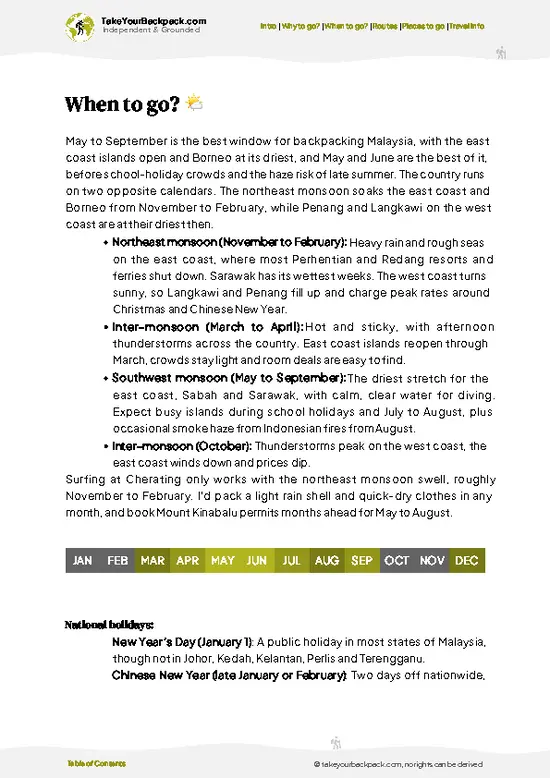
Best months and weather: The best months for festivals in Malaysia are February and March, plus the stretch from August to October, because the big lunar-calendar celebrations often land in those windows and the west coast is relatively dry. Truthfully, no month is empty, since something is always being celebrated, but weather will vary your comfort. Expect daytime highs of 30 to 33°C almost year-round, humidity above 80 percent and rain in short, loud afternoon bursts. Annual rainfall runs roughly 2,000 to 4,000 mm depending on the region.

Regional seasons: The west coast (Penang, Kuala Lumpur, Melaka) is wettest in October and November and again around April. The east coast (Kelantan, Terengganu) takes the northeast monsoon from November to February, with heavy rain, rough seas and some … read more 👉
Best months and weather: The best months for festivals in Malaysia are February and March, plus the stretch from August to October, because the big lunar-calendar celebrations often land in those windows and the west coast is relatively dry. Truthfully, no month is empty, since something is always being celebrated, but weather will vary your comfort. Expect daytime highs of 30 to 33°C almost year-round, humidity above 80 percent and rain in short, loud afternoon bursts. Annual rainfall runs roughly 2,000 to 4,000 mm depending on the region.

Regional seasons: The west coast (Penang, Kuala Lumpur, Melaka) is wettest in October and November and again around April. The east coast (Kelantan, Terengganu) takes the northeast monsoon from November to February, with heavy rain, rough seas and some island ferries and resorts shutting down. Sabah and Sarawak are wettest from November to February, while June to September is generally drier.

Crowds and prices: Festival periods and school holidays push accommodation up by 20 to 50 percent, and the days before a major holiday bring packed buses and trains. Book transport two to four weeks ahead. Shoulder weeks just before or after a festival are quieter and cheaper, and you still catch the decorations.

festival hoppingHow to Combine festivals Into One Trip

How long to allow: A trip combining several festivals in Malaysia needs 10 to 21 days, depending on whether you stay on the peninsula or add Borneo. Festivals fix the dates, and that is the first planning problem, because the calendar will not rearrange itself to suit your geography.

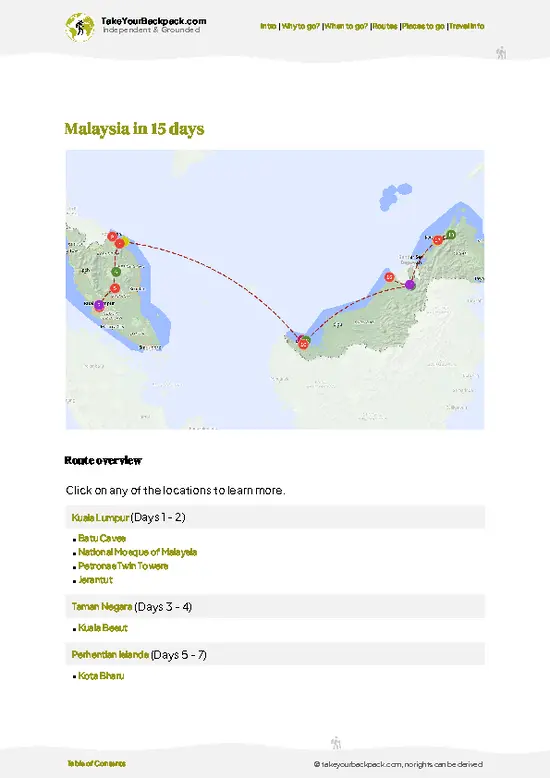
Grouping regions and direction: The peninsula clusters neatly along the west coast. Kuala Lumpur, Melaka, Ipoh and Penang sit within 2 to 5 hours of each other by bus or train, so working north or south in a single line costs very little time. KL is the sensible hub, with the main international airport and frequent flights across the South China Sea. Borneo is a separate trip: flights from KL to Kota Kinabalu or Kuching take about 2.5 to 3 hours. Fly in at one end and out at the other, rather than backtracking … read more 👉
How long to allow: A trip combining several festivals in Malaysia needs 10 to 21 days, depending on whether you stay on the peninsula or add Borneo. Festivals fix the dates, and that is the first planning problem, because the calendar will not rearrange itself to suit your geography.

Grouping regions and direction: The peninsula clusters neatly along the west coast. Kuala Lumpur, Melaka, Ipoh and Penang sit within 2 to 5 hours of each other by bus or train, so working north or south in a single line costs very little time. KL is the sensible hub, with the main international airport and frequent flights across the South China Sea. Borneo is a separate trip: flights from KL to Kota Kinabalu or Kuching take about 2.5 to 3 hours. Fly in at one end and out at the other, rather than backtracking through KL. The east coast is slower and best treated as its own leg, with long road journeys of 5 to 8 hours.

Time per stop and common mistakes: Give each city two to four nights, and Borneo bases three to five including transfers. The usual mistakes are stacking festivals on consecutive days in different regions, ignoring the post-holiday traffic jams and booking transport only at the last minute. Leave a buffer day between stops, travel early or late on holiday weekends, and book buses and trains ahead.

The ListMust-Visit festivals in Malaysia

1 Rainforest World Music Festival

jungle venue, world music, cultural workshops

Immerse yourself in global rhythms and indigenous sounds at an outdoor festival set against Sarawak’s lush rainforest backdrop.

2 George Town Festival

art installations, heritage trails, live performances

Explore George Town’s creative scene through pop-up exhibitions, street theatre, and guided walks in historic neighborhoods.

3 Penang International Food Festival

street food, culinary workshops, tasting events

Sample regional specialties and join hands-on cooking sessions as Penang’s chefs and hawkers showcase the island’s food heritage.

4 Borneo Jazz Festival

live jazz, beachside stage, international acts

Listen to jazz musicians from around the world perform by the sea, with open-air concerts and late-night jam sessions.

5 Thaipusam

silver chariots, kavadi bearers, Batu Caves

Observe a dramatic pilgrimage as devotees carry offerings and perform acts of devotion along a route lined with onlookers and stalls.

6 Chinese New Year

lion dances, red lanterns, reunion dinners

Feel the city transform with fireworks, temple visits, and family gatherings that fill homes with festive energy and symbolic dishes.

7 Hari Raya Aidilfitri

open houses, festive attire, mosque prayers

Experience the end of Ramadan as families welcome guests with traditional dishes and neighborhoods come alive with visiting and celebration.

8 Deepavali

kolam art, oil lamps, Hindu temples

See homes and streets glow with intricate decorations as families celebrate the triumph of light through prayers, sweets, and open houses.

9 Gawai Dayak

longhouse gatherings, tuak rice wine, Dayak rituals

Experience Sarawak’s Dayak people welcoming the harvest with open doors, shared meals, and ceremonies rooted in ancestral tradition.

10 Kaamatan Festival

rice harvest, traditional costumes, sumazau dance

Join Sabah’s communities as they mark the rice harvest with music, indigenous games, and communal feasts in village halls and open fields.

11 Mooncake Festival

lantern walks, mooncakes, family reunions

Join evening gatherings where children parade lanterns and families share sweet pastries under the full moon.

12 Bon Odori Festival

Japanese drums, yukata attire, folk dances

Participate in a Japanese summer celebration with communal dances, festival food stalls, and rhythmic taiko performances.

13 Wesak Day

temple rituals, lotus lanterns, Buddhist processions

Witness devotees gather at dawn, offering prayers and lighting candles as temples become centers of reflection and quiet celebration.

14 Hungry Ghost Festival

street opera, paper offerings, ancestral altars

Observe nightly rituals and performances as communities honor wandering spirits with food, incense, and elaborate paper effigies.

15 Merdeka Day

independence parades, fireworks, patriotic songs

Celebrate Malaysia’s independence as city centers fill with marching bands, flag-waving crowds, and late-night festivities.

16 Malaysia Day

national unity, flag displays, cultural showcases

Mark the formation of Malaysia with parades, public events, and exhibitions that highlight the country’s diverse heritage and shared identity.

Think you know Malaysia?

Prove you’re a true local — uncover 6 lesser-known festivals in Malaysia that locals tend to keep to themselves.
Loading the map 🌍

Expert viewInsights from Locals and Experts

How many festivals to chase: Three is the number I would advise for a trip of two to three weeks, perhaps four if you are staying mostly on the peninsula. That is enough to see Malaysia’s Chinese, Malay, Indian and Borneo traditions without turning travel into a scheduling exercise. Each festival costs a day or two of planning and often a rise in room rates, and a fourth rarely adds much beyond tiredness. Heat alone makes back-to-back celebration days draining, so leave quiet days in between for the sake of your sanity.

Which kinds to prioritize: Budget travelers get the most from free street and temple events in the peninsula’s multicultural cities. They cost nothing to enter, food is cheap, and access is simple. Culture-minded travelers will find Borneo’s harvest and longhouse celebrations … read more 👉
How many festivals to chase: Three is the number I would advise for a trip of two to three weeks, perhaps four if you are staying mostly on the peninsula. That is enough to see Malaysia’s Chinese, Malay, Indian and Borneo traditions without turning travel into a scheduling exercise. Each festival costs a day or two of planning and often a rise in room rates, and a fourth rarely adds much beyond tiredness. Heat alone makes back-to-back celebration days draining, so leave quiet days in between for the sake of your sanity.

Which kinds to prioritize: Budget travelers get the most from free street and temple events in the peninsula’s multicultural cities. They cost nothing to enter, food is cheap, and access is simple. Culture-minded travelers will find Borneo’s harvest and longhouse celebrations more distinctive, though flights and local transfers can add US$80 to 200 to the trip. Those short on time should stick to the peninsula, where you can see several traditions in one region. Food-focused travelers should look for the Malay open houses and night-market celebrations that run through the holiday periods, where an invitation to eat is common.

What it costs: Plan on US$25 to 45 a day in the peninsula, with dorm beds around US$8 to 15 and street meals at US$2 to 4. Borneo runs US$35 to 60. Entry to most festivals is free, but paid events, such as cultural village shows or ticketed performances, cost around US$10 to 30 a visit. Local transport to a festival site usually runs US$1 to 10, and a guide for a longhouse or remote celebration may cost US$25 to 60 for a day. Festival weeks lift hostel and hotel prices, so the cheapest approach is to book early and stay a little outside the main venue.

Safety and etiquette: Crowds are the main issue, mostly pickpockets and heat exhaustion. Carry a small bag in front, drink water often and keep your phone secure. Modest dress is expected at temples, mosques and any religious event, so cover shoulders and knees and remove shoes where asked. Ask before photographing worshippers, and never point your feet at altars or people. Pork and alcohol are absent from many Muslim celebrations, and public alcohol sales may be restricted around major ones. Accept food with your right hand if invited to a home, and bring a small gift of fruit or sweets. During fasting-month evenings, avoid eating or drinking openly in front of fasting people in more conservative areas.

✈️ The backpacker research shortcutMalaysia Travel Guide

An offline-friendly backpacking guide with optimized travel routes, ranked highlights, transport advice, and the best areas to stay.
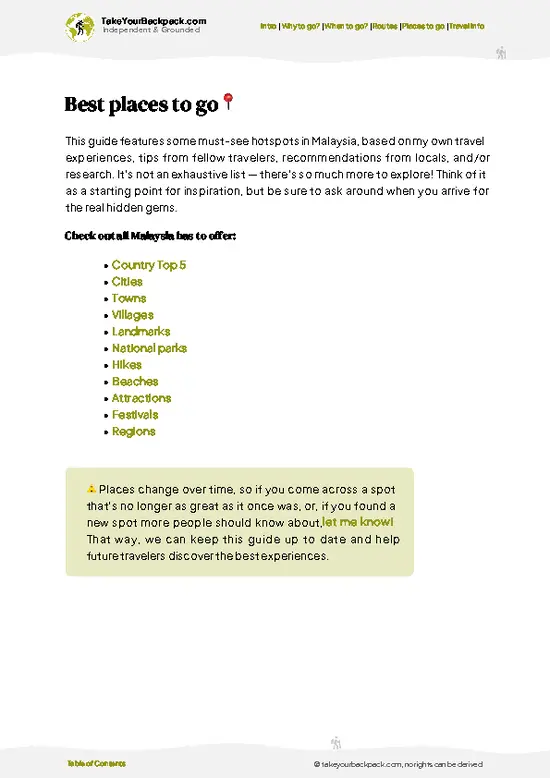
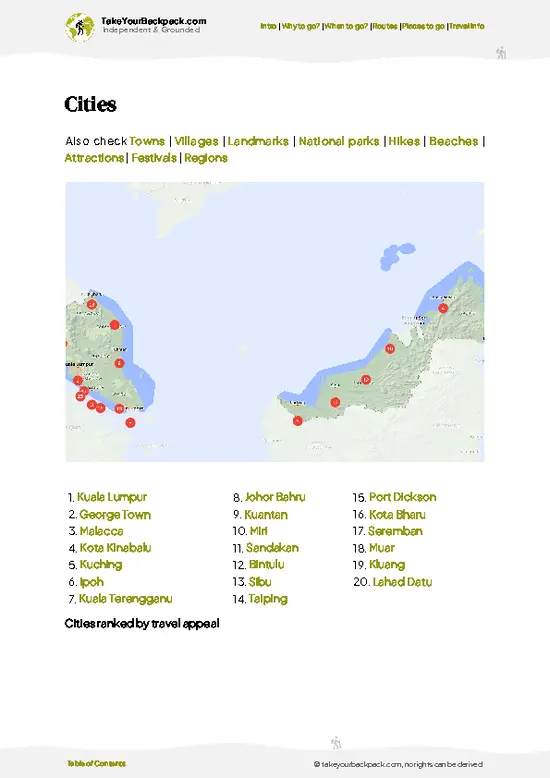
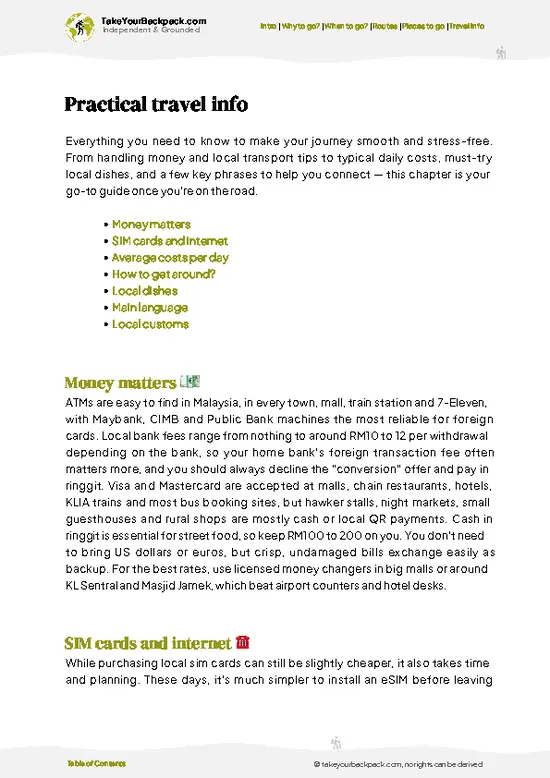
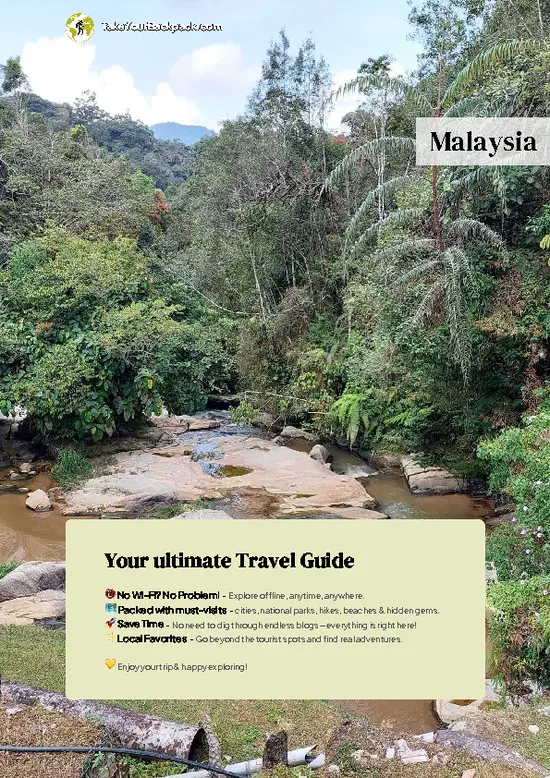
example page 0 from our offline Travel Guide for Malaysia
example page 1 from our offline Travel Guide for Malaysia
example page 2 from our offline Travel Guide for Malaysia
example page 3 from our offline Travel Guide for Malaysia
example page 4 from our offline Travel Guide for Malaysia
example page 5 from our offline Travel Guide for Malaysia
example page 6 from our offline Travel Guide for Malaysia
example page 7 from our offline Travel Guide for Malaysia
The digital guide (400 pages) contains:
✅ 106 highlights, ranked by travel appeal
✅ Optimized 5, 10 & 15-day travel routes
✅ Cities, national parks, landmarks, beaches
✅ How to get around
✅ Offline-friendly for travel without Wi-Fi
👉 Click to see all 30+ guide features

📅 Plan smarter in minutes, not weeks
✅ Month by month travel advice
✅ Festivals & national holidays
✅ Budget expectations

🗺️ Go to the right places, skip the overrated ones
✅ Honest pros & cons of destinations
✅ Top hikes, parks & viewpoints
✅ Lesser-known places most travelers miss
✅ Clear “worth it vs skip it” guidance

🛏️ Travel smoothly without rookie mistakes
✅ Best areas to stay
✅ Transport systems explained simply
✅ Common scams & safety advice
✅ SIM cards, money & practical tips

🌍 Understand the country, not just visit it
✅ Culture & traditions
✅ 52 Essential phrases & customs
✅ Festivals worth planning around
✅ Traveler-friendly historical context
✅ Insights that make places more meaningful

📱 Built for real travel conditions
✅ Fully downloadable PDF
✅ Works completely offline
✅ Optimized for phone use
✅ Useful in remote areas & buses
✅ Everything in one place
Stop searching, start planning
Get instant access to your full guide. 30‑day money-back guarantee.
+ Add another guide for just

By proceeding you agree to our terms.
Sent to your inbox immediately after payment • 100% Secure Checkout
Best Backpacking Travel Advisor 2025 tourism awardBest Backpacking
Travel Advisor
2025
What others say about Take Your Backpack Guides:
⭐⭐⭐⭐⭐
Fantastic, amazing amount of information!
⭐⭐⭐⭐⭐
My goodness this is amazing, it's what I've been looking for hats off too you!
⭐⭐⭐⭐⭐
I think this is absolutely BRILLIANT
⭐⭐⭐⭐
Very complete and informative. It's still missing places, but I gotta to commend you
⭐⭐⭐⭐⭐
This is truly amazing, thank you, can't wait to explore it with my kids!
⭐⭐⭐⭐⭐
Awesome resource, thank you!
⭐⭐⭐⭐⭐
This is amazing! Can't wait to explore the ones I haven't seen
⭐⭐⭐⭐
I love this! Well done, great idea.
⭐⭐⭐⭐⭐
Thanks for taking the time to make this gem!
⭐⭐⭐⭐⭐
This might be the best website I've ever seen.
⭐⭐⭐⭐⭐
Congratulations, and thank you so much for your work; it's incredibly valuable.
⭐⭐⭐⭐
In all seriousness I think you did a great job pointing out the important spots
⭐⭐⭐⭐⭐
10/10 very good
⭐⭐⭐⭐⭐
As someone who's only just starting to visit regularly this is awesome, thank you.
⭐⭐⭐⭐
Thank you very much! I'm going to visit my dad, it's going to be very useful!
⭐⭐⭐⭐⭐
This is really cool! We'll be travelling for the first time and this definitely come in handy.
⭐⭐⭐⭐⭐
You are now our minister of culture, congratulations 👨‍💼
⭐⭐⭐⭐⭐
Just wanted to tell you that this is a pearl! Going to follow your recommendations.
⭐⭐⭐⭐⭐
This is so cool. I'll definitely be using the resource for my travels soon.
⭐⭐⭐⭐⭐
This is very impressive! Good work.
⭐⭐⭐⭐⭐
This is an amazing and informative site. Very well done!

🛏️ Where to stay?Best Places to Stay in Malaysia

Malaysia has plenty of hostels and budget guesthouses, with dorm beds typically running RM30 to 70 (about US$7 to 16) and basic private rooms from around RM80 (US$18). In Kuala Lumpur, Chinatown around Petaling Street is the cheapest central base and sits a short walk from Pasar Seni and Merdeka Square, though some older buildings feel worn, while Bukit Bintang puts you next to Jalan Alor’s night food stalls and the city’s best nightlife at the cost of street noise until late. In George Town on Penang, the hostels cluster around Chulia Street and Love Lane, steps from the heritage core and backpacker bars, and in Melaka the area around Jonker Street keeps you close to the old town but gets crowded … read more 👉
Malaysia has plenty of hostels and budget guesthouses, with dorm beds typically running RM30 to 70 (about US$7 to 16) and basic private rooms from around RM80 (US$18). In Kuala Lumpur, Chinatown around Petaling Street is the cheapest central base and sits a short walk from Pasar Seni and Merdeka Square, though some older buildings feel worn, while Bukit Bintang puts you next to Jalan Alor’s night food stalls and the city’s best nightlife at the cost of street noise until late. In George Town on Penang, the hostels cluster around Chulia Street and Love Lane, steps from the heritage core and backpacker bars, and in Melaka the area around Jonker Street keeps you close to the old town but gets crowded and loud during the weekend night market.

If you enjoy meeting fellow travelers, consider choosing hostels with high ratings for atmosphere. On the other hand, if you prefer having your own space, a hotel might be a better option.

MalaysiaExplore Malaysia

👋 Meet the founderWho’s Behind Take Your Backpack?

Johan, backpacker and founder of TakeYourBackpackHi, I’m Johan (Netherlands 🇳🇱), the creator of TakeYourBackpack. Over the past 3 decades, I’ve backpacked through 90+ countries across six continents, gaining extensive experience with independent travel, long-term trips, and overland routes.

This site is built on a combination of firsthand travel experience and carefully curated insights from other backpackers. Many guides are based on places I’ve personally visited, while others bring together tips, observations, and practical advice shared by trusted travelers I’ve met along the way.

The goal is to provide realistic, experience-driven guidance — not generic itineraries — so you can explore destinations with better context, clearer expectations, and more confidence.