v2.webp)
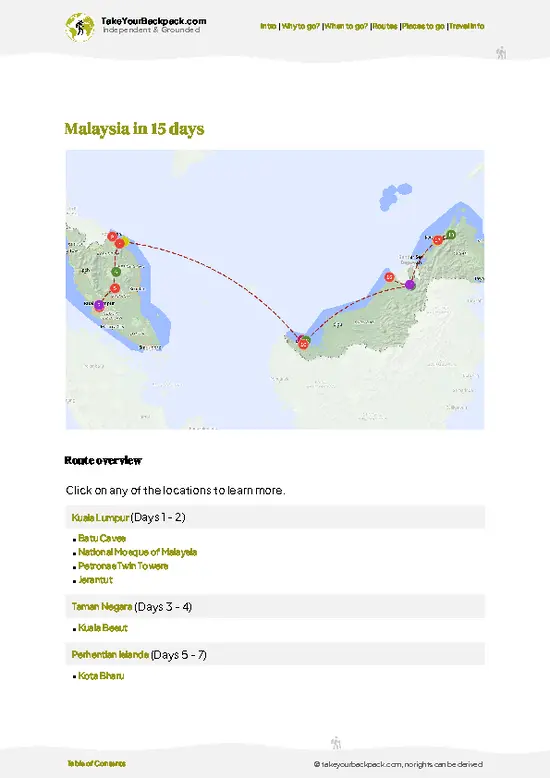
- Ngajat dance — The signature Dayak performance: energetic warrior moves, elegant female steps and dramatic group pieces. It’s visual storytelling with quick footwork and powerful poses, usually performed on the longhouse veranda where the crowd presses close and the energy is infectious.
- Sape and traditional music — The sape (plucked lute) and gongs create a hypnotic, local soundtrack you won’t hear anywhere else. Solos can be plaintive or joyful; ensemble pieces get everyone clapping along. Live music sets the mood more than any staged show.
- Longhouse hospitality and communal feast (tuak included) — Longhouses throw open their doors, and you eat, drink tuak (rice wine), and swap stories with hosts as if you’ve known them forever. Food is home-cooked, plentiful, and served family-style;
- Ngajat dance — The signature Dayak performance: energetic warrior moves, elegant female steps and dramatic group pieces. It’s visual storytelling with quick footwork and powerful poses, usually performed on the longhouse veranda where the crowd presses close and the energy is infectious.
- Sape and traditional music — The sape (plucked lute) and gongs create a hypnotic, local soundtrack you won’t hear anywhere else. Solos can be plaintive or joyful; ensemble pieces get everyone clapping along. Live music sets the mood more than any staged show.
- Longhouse hospitality and communal feast (tuak included) — Longhouses throw open their doors, and you eat, drink tuak (rice wine), and swap stories with hosts as if you’ve known them forever. Food is home-cooked, plentiful, and served family-style; the social vibe—unpretentious and warm—is the real highlight. (Personal favorite: nothing beats this kind of immersive, late-night longhouse hang.)
- Pua Kumbu and textile traditions — Handwoven pua kumbu textiles are wearable history: complex patterns carry myths, ancestral symbols and local identity. Seeing the weaving, dyeing and the textiles used in ceremonial contexts gives a real sense of Dayak craft and continuity.
- Rituals, offerings and adat practices — Gawai blends harvest gratitude with adat (customary) rites: blessings, offerings, and short prayers or chants that tie the community to land and ancestors. Observing these practices—respectfully—reveals the belief systems and social bonds that make the festival more than just a party.
Spotted a mistake or missing something? Contact us.
 Best Backpacking
.jpg) Hi, I’m Johan (Netherlands 🇳🇱), the creator of TakeYourBackpack. Over the past 3 decades, I’ve backpacked through 90+ countries across six continents, gaining extensive experience with independent travel, long-term trips, and overland routes.
Hi, I’m Johan (Netherlands 🇳🇱), the creator of TakeYourBackpack. Over the past 3 decades, I’ve backpacked through 90+ countries across six continents, gaining extensive experience with independent travel, long-term trips, and overland routes.