×

Malaysia🇲🇾 | attractionsKek Lok Si TempleHilltop pagoda, Buddhist statues, lantern displays | things to do and best time to go

Explore Jalan Alor Night Food StreetExplore Pinang Peranakan Mansion

Backpacking in Kek Lok Si Temple
🌟 Highlightattraction ranked #5
By Johan Kruseman 🇳🇱 | Updated May 24, 2026

Forget the filtered feeds: Kek Lok Si Temple is not some tranquil, incense-wreathed Shangri-La where you’ll meditate in silence above Penang. It’s a living, breathing, sometimes chaotic complex in Air Itam, just outside George Town, Malaysia. Yes, the seven-story pagoda and towering Guanyin statue are jaw-droppers—especially when the lanterns are lit for Chinese New Year—but you’ll be sharing those views with busloads of selfie-hunters and families on weekend pilgrimages. The crowds are real, and so are the souvenir stalls and donation boxes. But here’s the kicker: beneath the tourist bustle, you’ll catch monks chanting, locals lighting joss sticks for luck, and a mash-up of Buddhist traditions you won’t find anywhere else in Malaysia. Entry is cheap, the climb is sweaty, and the vibe is more electric than serene. If you want a temple that’s alive, not staged, Kek Lok Si delivers.

Discover everything you want to know in the 📖 Malaysia Travel Guide.
Loading the map 🌍
CLICK TO FILTER
cities
towns
villages
landmarks
national parks
hikes
beaches
attractions
festivals
regions
SHOW COUNTRY’S BESTSHOW ALL

✨ Why go?
Ranked #5 attraction in Malaysia
Reasons people choose to visit here

Kek Lok Si Temple is not just another pretty photo op on Instagram—it’s a heavyweight in Malaysia’s cultural and spiritual landscape. Yes, it draws crowds, especially during Chinese New Year, and the entrance fees and donations can add up. But here’s the kicker: this place is a living, breathing testament to centuries of Buddhist devotion, blending Chinese, Thai, and Burmese architectural styles in a way that’s rare anywhere else. The towering statue of the Goddess of Mercy isn’t just for show—it’s a symbol of hope and resilience that locals and travelers alike find deeply moving. Climbing the temple’s steep paths rewards you with panoramic views of George Town and the surrounding hills, a moment of quiet reflection amid the buzz. For backpackers threading through Malaysia, Kek Lok Si is a … read more 👉
Kek Lok Si Temple is not just another pretty photo op on Instagram—it’s a heavyweight in Malaysia’s cultural and spiritual landscape. Yes, it draws crowds, especially during Chinese New Year, and the entrance fees and donations can add up. But here’s the kicker: this place is a living, breathing testament to centuries of Buddhist devotion, blending Chinese, Thai, and Burmese architectural styles in a way that’s rare anywhere else. The towering statue of the Goddess of Mercy isn’t just for show—it’s a symbol of hope and resilience that locals and travelers alike find deeply moving. Climbing the temple’s steep paths rewards you with panoramic views of George Town and the surrounding hills, a moment of quiet reflection amid the buzz. For backpackers threading through Malaysia, Kek Lok Si is a milestone that connects you to the country’s soul, not just its surface. It’s a place where history, faith, and artistry collide, making every step worth the effort. Skip it, and you miss a chapter of Malaysia’s story that no guidebook can fully capture.
Want to include Kek Lok Si Temple in your Malaysia route?
Create a personalized Malaysia itinerary that includes Kek Lok Si Temple and the places that fit your trip — based on your travel style, budget, and available time. Get your route in seconds.

Generate my trip

💡 HighlightsWhat this place is best known for

The 36.5-Meter Kuan Yin Statue
Let’s get real: you’ll see this statue on every travel feed, but no photo does justice to the sheer scale. This isn’t just a big Buddha—it’s a towering, open-air goddess of mercy, ringed by sixteen granite columns and a roof that looks like it could shelter a football field. The elevator ride up is a little surreal, but the real magic is standing at her feet, watching Penang sprawl below. The crowds thin out here, and the wind carries incense and the sound of chanting. This is the spot where the temple’s ambition and soul collide.


The Seven-Story Pagoda of Rama VI
You’ll see plenty of pagodas in Asia, but this one is a Frankenstein’s monster—in the best way. The base is Chinese, the middle is Thai, and the top is Burmese. It’s a physical argument about what … read more 👉
The 36.5-Meter Kuan Yin Statue
Let’s get real: you’ll see this statue on every travel feed, but no photo does justice to the sheer scale. This isn’t just a big Buddha—it’s a towering, open-air goddess of mercy, ringed by sixteen granite columns and a roof that looks like it could shelter a football field. The elevator ride up is a little surreal, but the real magic is standing at her feet, watching Penang sprawl below. The crowds thin out here, and the wind carries incense and the sound of chanting. This is the spot where the temple’s ambition and soul collide.


The Seven-Story Pagoda of Rama VI
You’ll see plenty of pagodas in Asia, but this one is a Frankenstein’s monster—in the best way. The base is Chinese, the middle is Thai, and the top is Burmese. It’s a physical argument about what “Buddhism” means in Malaysia, and climbing it is a sweaty, slightly claustrophobic rite of passage. The view from the top is worth every step, especially if you time it for late afternoon when the city glows and the crowds are distracted by snacks.


The Turtle Liberation Pond
Yes, it’s crowded with families and selfie sticks, but the pond is pure, oddball charm. Hundreds of turtles, some the size of dinner plates, paddle around waiting for visitors to toss them greens. It’s not spiritual, but it’s a slice of local life—kids giggling, grandmas gossiping, and monks occasionally feeding the turtles themselves. It’s a reminder that temples aren’t just for solemnity; they’re for living.


The Mid-Level Prayer Halls
Most people rush past these on their way to the statue, but slow down. These halls are where you’ll catch the real pulse of Kek Lok Si: monks chanting, locals lighting coils of incense as thick as your arm, and the air so dense with sandalwood smoke you’ll taste it. The murals are battered but vivid, and the atmosphere is electric—equal parts devotion and daily routine. This is my personal favorite. It’s where the temple feels most alive, and where you can actually sit, breathe, and feel the centuries pressing in.


The Annual Chinese New Year Light-Up
If you’re lucky enough to hit Penang in January or February, the temple transforms into a neon fever dream. Thousands of lanterns and LED lights turn the complex into a glowing maze. It’s chaotic, loud, and absolutely worth braving the crowds. This is Kek Lok Si at its most theatrical—less meditation, more street festival. If you want quiet, come another time. If you want spectacle, this is the jackpot.
Spotted a mistake or missing something? Contact us.

Things to do around Kek Lok Si Temple

Ratings based on Tripadvisor reviews. When you book through this link, you support our work at no extra cost to you.

🌤️ When to go?When to go for the best experience


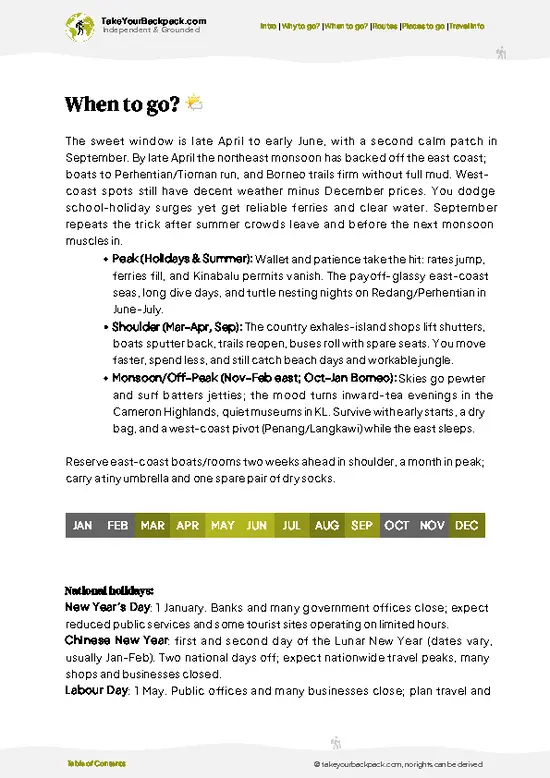
  • Weather: Malaysia’s tropical climate means it’s hot and humid year-round, but from November to February, the northeast monsoon brings heavier rain, making outdoor temple visits less pleasant. March to October offers drier, more manageable conditions.

  • Temperature: Expect daily highs around 30-32°C (86-90°F) and lows near 23-25°C (73-77°F). The temperature doesn’t swing much, so dress light but be ready for sticky humidity.

  • Daylight Hours: Roughly 12 hours of daylight year-round, with sunrise around 7 AM and sunset near 7 PM. Plan your visit early to avoid the midday heat and catch the temple’s intricate details in soft morning light.

  • Crowds: The temple swells during Chinese New Year (January/February) and Wesak Day (May), with throngs of worshippers and tourists. For a quieter experience,
read more 👉

  • Weather: Malaysia’s tropical climate means it’s hot and humid year-round, but from November to February, the northeast monsoon brings heavier rain, making outdoor temple visits less pleasant. March to October offers drier, more manageable conditions.

  • Temperature: Expect daily highs around 30-32°C (86-90°F) and lows near 23-25°C (73-77°F). The temperature doesn’t swing much, so dress light but be ready for sticky humidity.

  • Daylight Hours: Roughly 12 hours of daylight year-round, with sunrise around 7 AM and sunset near 7 PM. Plan your visit early to avoid the midday heat and catch the temple’s intricate details in soft morning light.

  • Crowds: The temple swells during Chinese New Year (January/February) and Wesak Day (May), with throngs of worshippers and tourists. For a quieter experience, avoid these peak festival periods.

  • Seasonal Activities: The temple lights up spectacularly during the Chinese New Year celebrations, a visual feast but packed and pricey. Outside these times, the atmosphere is more contemplative and authentic.

  • Price Fluctuations: Entry is free, but expect higher costs for local transport and accommodation during major festivals. Off-peak months offer better deals and less hassle.


Pro-tip: Visit in the shoulder months of March-April or September-October to dodge the worst crowds and rain, soak in the temple’s calm, and keep your budget intact.


source: climatestotravel.comJANJanuary: fair for travelingFEBFebruary: fair for travelingMARMarch: highly recommended for travelingAPRApril: highly recommended for travelingMAYMay: good for travelingJUNJune: highly recommended for travelingJULJuly: highly recommended for travelingAUGAugust: highly recommended for travelingSEPSeptember: highly recommended for travelingOCTOctober: highly recommended for travelingNOVNovember: good for travelingDECDecember: good for traveling
when-to-go

✈️ The backpacker research shortcutMalaysia Travel Guide

An offline-friendly backpacking guide with optimized travel routes, ranked highlights, transport advice, and the best areas to stay.
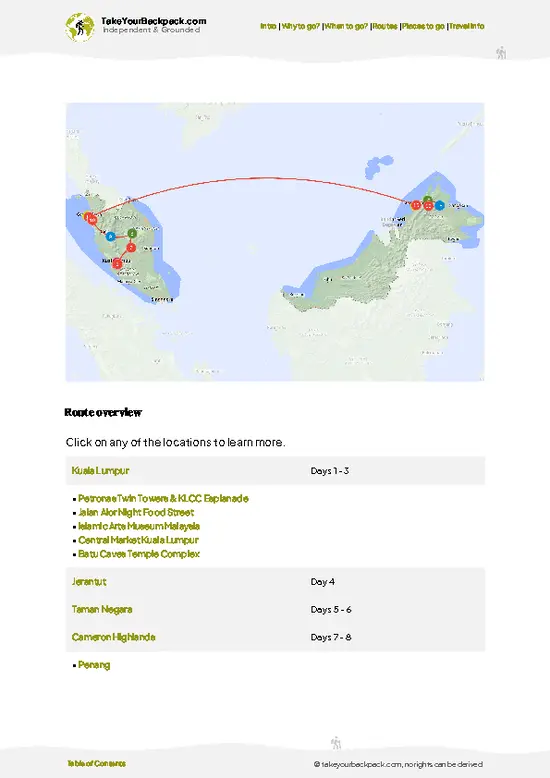
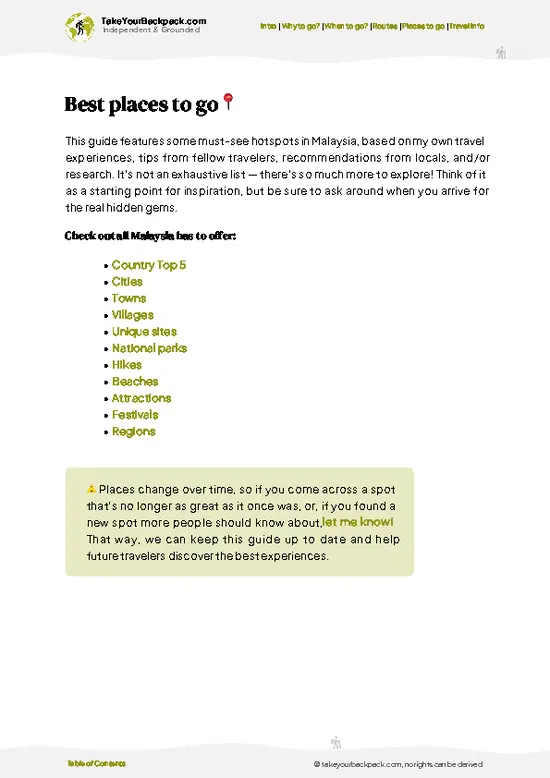
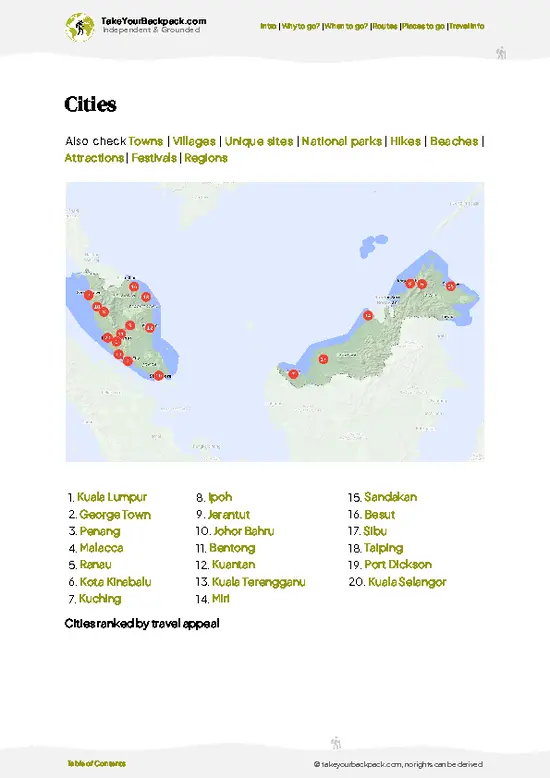
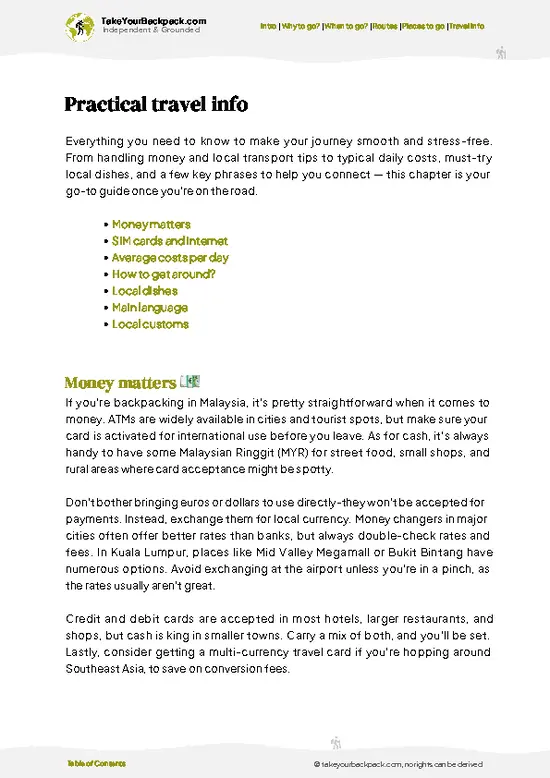
example page 0 from our offline Travel Guide for Malaysiaexample page 1 from our offline Travel Guide for Malaysiaexample page 2 from our offline Travel Guide for Malaysiaexample page 3 from our offline Travel Guide for Malaysiaexample page 4 from our offline Travel Guide for Malaysiaexample page 5 from our offline Travel Guide for Malaysiaexample page 6 from our offline Travel Guide for Malaysiaexample page 7 from our offline Travel Guide for Malaysia
The digital guide (407 pages) contains:
107 highlights, ranked by travel appeal
Optimized 5, 10 & 15-day travel routes
Cities, national parks, landmarks, beaches
How to get around
Offline-friendly for travel without Wi-Fi
👉 Click to see all 30+ guide features

📅 Plan smarter in minutes, not weeks
Month by month travel advice
Festivals & national holidays
Budget expectations

🗺️ Go to the right places, skip the overrated ones
Honest pros & cons of destinations
Top hikes, parks & viewpoints
Lesser-known places most travelers miss
Clear “worth it vs skip it” guidance

🛏️ Travel smoothly without rookie mistakes
Best areas to stay
Transport systems explained simply
Common scams & safety advice
SIM cards, money & practical tips

🌍 Understand the country, not just visit it
Culture & traditions
52 Essential phrases & customs
Festivals worth planning around
Traveler-friendly historical context
Insights that make places more meaningful

📱 Built for real travel conditions
Fully downloadable PDF
Works completely offline
Optimized for phone use
Useful in remote areas & buses
Everything in one place
Save weeks of stressful planning
Get instant access to your full guide. 30‑day money-back guarantee.


Sent to your inbox immediately after payment • 100% Secure Checkout
Best Backpacking Travel Advisor 2025 tourism awardBest Backpacking
Travel Advisor
2025
What others say about Take Your Backpack Guides:
⭐⭐⭐⭐⭐
Fantastic, amazing amount of information!
⭐⭐⭐⭐⭐
My goodness this is amazing, it's what I've been looking for hats off too you!
⭐⭐⭐⭐⭐
I think this is absolutely BRILLIANT
⭐⭐⭐⭐
Very complete and informative. It's still missing places, but I gotta to commend you
⭐⭐⭐⭐⭐
This is truly amazing, thank you, can't wait to explore it with my kids!
⭐⭐⭐⭐⭐
Awesome resource, thank you!
⭐⭐⭐⭐⭐
This is amazing! Can't wait to explore the ones I haven't seen
⭐⭐⭐⭐
I love this! Well done, great idea.
⭐⭐⭐⭐⭐
Thanks for taking the time to make this gem!
⭐⭐⭐⭐⭐
This might be the best website I've ever seen.
⭐⭐⭐⭐⭐
Congratulations, and thank you so much for your work; it's incredibly valuable.
⭐⭐⭐⭐
In all seriousness I think you did a great job pointing out the important spots
⭐⭐⭐⭐⭐
10/10 very good
⭐⭐⭐⭐⭐
As someone who's only just starting to visit regularly this is awesome, thank you.
⭐⭐⭐⭐
Thank you very much! I'm going to visit my dad, it's going to be very useful!
⭐⭐⭐⭐⭐
This is really cool! We'll be travelling for the first time and this definitely come in handy.
⭐⭐⭐⭐⭐
You are now our minister of culture, congratulations 👨‍💼
⭐⭐⭐⭐⭐
Just wanted to tell you that this is a pearl! Going to follow your recommendations.
⭐⭐⭐⭐⭐
This is so cool. I'll definitely be using the resource for my travels soon.
⭐⭐⭐⭐⭐
This is very impressive! Good work.
⭐⭐⭐⭐⭐
This is an amazing and informative site. Very well done!

🛏️ Where to stay?How to pick the right area

Kek Lok Si Temple is the kind of place that looks like a postcard but don’t let that fool you—it’s also a magnet for crowds, especially on weekends and during Chinese New Year. If you’re chasing the Instagram glow, expect a sea of selfie sticks and tour groups. But here’s the real deal: the temple’s magic isn’t just in the photos; it’s in the slow moments when the crowds thin, the incense smoke curls, and the giant bronze Buddha catches the afternoon light just right.

For backpackers, the trick is to stay somewhere that balances easy access with a vibe that’s more chill than tourist trap. The … read more 👉
Kek Lok Si Temple is the kind of place that looks like a postcard but don’t let that fool you—it’s also a magnet for crowds, especially on weekends and during Chinese New Year. If you’re chasing the Instagram glow, expect a sea of selfie sticks and tour groups. But here’s the real deal: the temple’s magic isn’t just in the photos; it’s in the slow moments when the crowds thin, the incense smoke curls, and the giant bronze Buddha catches the afternoon light just right.

For backpackers, the trick is to stay somewhere that balances easy access with a vibe that’s more chill than tourist trap. The areas around Air Itam and near the Penang Hill funicular base are your best bets. Air Itam is a local neighborhood with affordable guesthouses and a real community feel—safe streets, street food stalls that don’t charge you for the view, and plenty of fellow travelers who’ve figured out the same hack. It’s social without being noisy, and you’re a short bus or scooter ride from the temple entrance.

Penang Hill’s base area is quieter, with a few budget spots that attract solo travelers who want to combine temple visits with hiking and cooler air. It’s less crowded, and you’ll find a handful of backpackers swapping stories over kopi ais. Both spots keep you grounded in local life while putting Kek Lok Si within easy reach—no overpriced shuttle needed.

👛 Costs (as of 1 May 2025)Typical daily expenses

Visiting Kek Lok Si Temple is free, but certain areas require small fees:

- Pagoda of Ten Thousand Buddhas: €0.40

- Inclined Lift to Guan Yin Statue: €0.60 one-way, €1.20 return

Parking fees are also applicable:

- Car Parking: €0.60 for the first three hours, €0.20 per additional hour

- Motorcycle Parking: €0.40

These fees are approximate and may vary.

source: travel-penang-malaysia.com
⚠️ Prices can change and everyone travels differently, so take this as a rough guide. Hope it helps you plan your adventure!

Other Malaysian attractions near Kek Lok Si Temple

Explore more nearby:


💡 Not sure where to go next?
Create a personalized itinerary for Malaysia including Kek Lok Si Temple and the places that fit your trip.

Generate my itinerary

👉 Discover all attractions

Or checkout all Malaysia has to offer (think cities, towns, villages, national parks, hikes, beaches, festivals)
Country photo of Malaysia

We 💚 feedbackKey takeaways before you go

Kek Lok Si Temple isn’t some quiet sanctuary where you’ll find peace and solitude—it’s a magnet for crowds, especially during Chinese New Year, and the entrance fees add up if you want the full experience. But here’s the kicker: the sheer scale and detail of the temple complex, with its mix of Chinese, Thai, and Burmese influences, hits you in a way no postcard can capture. It’s a raw, living piece of culture that demands your attention.

✈️ When did I visit Malaysia?
As part of my 1.5 year travel around the world trip, I visited Malaysia in January 2016.

✍️ Help improve this page!
The information on this page is based on my own backpacking experience in Malaysia, supplemented with up-to-date research and feedback from other travelers. Travel details can change, so if you notice anything outdated or incomplete, feel free to let me know.


🙋‍♂️ Give feedback

👋 Meet the founderWho’s Behind Take Your Backpack?

Johan, backpacker and founder of TakeYourBackpackHi, I’m Johan (Netherlands 🇳🇱), the creator of TakeYourBackpack. Over the past decade, I’ve backpacked through 80+ countries across six continents, gaining extensive experience with independent travel, long-term trips, and overland routes.

This site is built on a combination of firsthand travel experience and carefully curated insights from other backpackers. Many guides are based on places I’ve personally visited, while others bring together tips, observations, and practical advice shared by trusted travelers I’ve met along the way.

The goal is to provide realistic, experience-driven guidance — not generic itineraries — so you can explore destinations with better context, clearer expectations, and more confidence.

Get full Malaysia guide •
Instant download • 107 highlights • Full Offline guide