Time vs. Quantity: How Many Attractions Can You Actually Handle?
Malaysia is a country that wears many hats—jungles, islands, cities, and cultural crossroads. The temptation is to cram in as many attractions as possible, but here’s the reality check: trying to see everything is a fast track to exhaustion and a blurred memory of what you actually enjoyed. Aim for a handful of well-chosen highlights rather than a checklist frenzy. Realistically, squeezing in three to five major attractions across different regions gives you enough breathing room to soak in the atmosphere without turning your trip into a frantic dash. Anything beyond that risks turning your vacation into a logistical nightmare, especially when factoring in travel times that often stretch longer than expected due to Malaysia’s …
read more 👉Time vs. Quantity: How Many Attractions Can You Actually Handle?
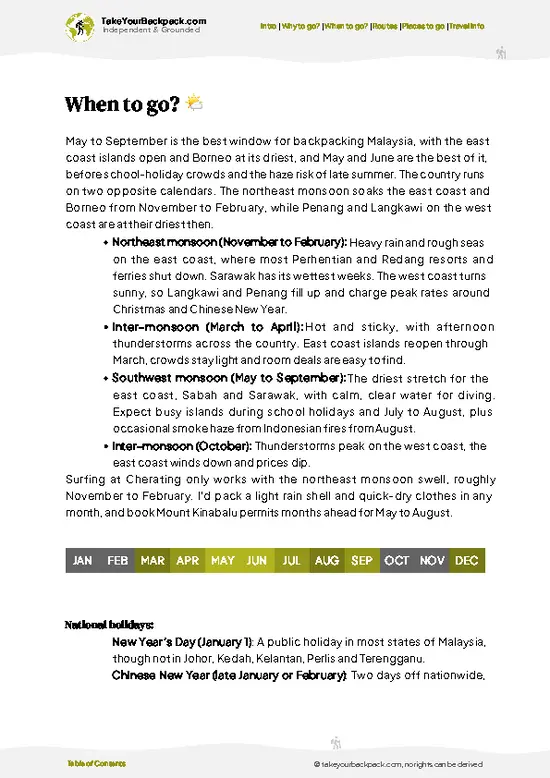
Malaysia is a country that wears many hats—jungles, islands, cities, and cultural crossroads. The temptation is to cram in as many attractions as possible, but here’s the reality check: trying to see everything is a fast track to exhaustion and a blurred memory of what you actually enjoyed. Aim for a handful of well-chosen highlights rather than a checklist frenzy. Realistically, squeezing in three to five major attractions across different regions gives you enough breathing room to soak in the atmosphere without turning your trip into a frantic dash. Anything beyond that risks turning your vacation into a logistical nightmare, especially when factoring in travel times that often stretch longer than expected due to Malaysia’s patchy infrastructure outside urban centers.
Money vs. Comfort: The Cost of Convenience
Malaysia’s charm partly lies in its affordability, but don’t let low prices fool you into thinking comfort comes free. Budget options abound, from street food stalls to basic guesthouses, but they come with trade-offs—think noisy nights, unpredictable cleanliness, or transportation that tests your patience. If you’re chasing comfort, expect to pay a premium for air-conditioned transport or nicer accommodations, especially in tourist hotspots or during peak seasons. The catch? Spending more doesn’t always guarantee a smooth ride. For example, flights between regions can save time but might be pricey and sometimes unreliable, while buses and ferries are cheaper but slower and less predictable. Balancing your budget with your tolerance for discomfort is key. If you’re the type who needs a solid night’s sleep to function, it’s worth investing in better lodging and transport, even if it means fewer stops.
Effort vs. Experience: The Terrain and Travel Realities
Malaysia’s diverse landscapes mean that some attractions demand more physical effort and patience than others. Jungle treks, island hopping, or exploring rural villages often involve bumpy rides, early mornings, and sometimes basic facilities. This isn’t a complaint—it’s part of the adventure—but it’s a factor that should influence your itinerary. If you’re not keen on roughing it, prioritize attractions with easier access and better infrastructure. On the flip side, pushing yourself a bit can lead to richer experiences, like stumbling upon local festivals or secret viewpoints. Just remember that effort isn’t evenly distributed; some regions are more tourist-ready, while others require a bit of grit and flexibility. Factor in your energy levels and travel style honestly—there’s no glory in arriving at a stunning waterfall only to be too wiped out to enjoy it.
Safety and Cultural Sensitivities: Navigating Respectfully
Malaysia is generally safe for travelers, but it’s not a free-for-all playground. Petty theft can happen, especially in crowded markets or on public transport, so keep your wits about you. More importantly, Malaysia’s cultural fabric is intricate, with strong religious and social norms that vary by region. Dress modestly when visiting religious sites and rural areas, and be mindful of local customs—what’s acceptable in a bustling city might raise eyebrows elsewhere. This cultural awareness isn’t just about avoiding faux pas; it enriches your experience by opening doors to genuine interactions. Ignoring these nuances can lead to uncomfortable situations or missed opportunities, so factor cultural respect into your planning as much as time or money.
Planning with Patience: The Unpredictable Wild Card
One of the quirks of traveling in Malaysia is the unpredictability of transport and weather. Rain can turn a simple hike into a slippery ordeal, and buses or ferries might run late or get canceled without much warning. This means your itinerary needs to be flexible. Build in buffer time and avoid overloading your schedule. It’s better to linger longer at one place and really get to know it than to rush through several and end up with a string of “meh” memories. I’ve learned this the hard way—once, a delayed ferry stranded me overnight on a small island, which turned out to be a blessing in disguise because it forced me to slow down and connect with locals. These unexpected pauses often become the most memorable parts of your trip.
Putting It All Together
In the end, the best approach to Malaysia’s attractions is a conscious trade-off between what you want to see, how much time you have, and what you’re willing to endure. Don’t fall into the trap of thinking more is better. Instead, pick your battles: if you want comfort, accept fewer stops; if you want to stretch your budget, prepare for some rough edges; if you want to maximize experiences, be ready to sweat a little and embrace unpredictability. This balance is what turns a good trip into a great one—where you come back with stories, not just photos.