v2.webp)
- Pantai Kerachut (Kerachut Beach) — wide, quiet sand backed by forest and the park’s turtle conservation centre; the whole place feels properly remote late in the day and it’s the best spot here for nesting sea turtles (and learning about the hatchery’s work). This is my personal favourite — the mix of beach, birds, and real silence beats the crowds.
- Meromictic Lake (the Kerachut Lagoon) — a rare layered lake where fresh and salt water don’t fully mix, producing a small, eerie blue-green lagoon tucked behind the beach. It’s surprisingly photogenic and oddly peaceful — a neat natural oddity you won’t see in every park.
- Monkey Beach (Teluk Duyung) — an easy-to-reach cove with playful macaques, clean sand and shallow snorkeling off the rocks. You’ll also find the livelier side of the park
- Pantai Kerachut (Kerachut Beach) — wide, quiet sand backed by forest and the park’s turtle conservation centre; the whole place feels properly remote late in the day and it’s the best spot here for nesting sea turtles (and learning about the hatchery’s work). This is my personal favourite — the mix of beach, birds, and real silence beats the crowds.
- Meromictic Lake (the Kerachut Lagoon) — a rare layered lake where fresh and salt water don’t fully mix, producing a small, eerie blue-green lagoon tucked behind the beach. It’s surprisingly photogenic and oddly peaceful — a neat natural oddity you won’t see in every park.
- Monkey Beach (Teluk Duyung) — an easy-to-reach cove with playful macaques, clean sand and shallow snorkeling off the rocks. You’ll also find the livelier side of the park here: little stalls, boat taxis if you’re wiped from hiking, and decent post-trek snacks.
- Muka Head Lighthouse — follow a coastal trail to this old lighthouse for sweeping sea views and a good chance to spot passing ships, seabirds and coastal geology up close. The walk there feels like a proper mini-adventure: rocky headlands, salty winds and great sunset potential.
- Canopy Walkway — a short treetop bridge that gives a bird’s-eye view of the dipterocarp canopy and is perfect for spotting arboreal birds and squirrels. It’s lovely when it’s open — note that sections can be closed for maintenance, so check at the park office first.
- Mangrove channels and mudflats — dense mangroves act as nurseries for fish and crabs and attract kingfishers, egrets and mudskippers if you slow down and watch the tidal edges. Bring binoculars and a slow pace; the wildlife is subtle but rewarding.
- Jungle and coastal trails — the park’s network of paths ranges from short, shady forest walks to longer coastal treks with cliff-top views. Hike slowly: monitor lizards, forest birds and the odd monkey are common, and the changing scenery keeps the routes interesting without needing hardcore fitness.
Spotted a mistake or missing something? Contact us.

Penang Plates Food Tour with 15+ Tastings

Penang: Flexible 6-Hours Highlights

Good Morning Penang Food Tour with 15+ Tastings

Penang Cooking Class:Dive into Malaysian Cuisine with PenangChiak

Penang City & Temple Tour With Penang Hill(Fast Lane)

Penang: Afternoon Walking Foods Tour

Straits and Oriental Museum Ticket

3-Hour Heritage on a Plate Dinner Hop in George Town Penang

Penang: Flexible Full-Day Adventures



 Best Backpacking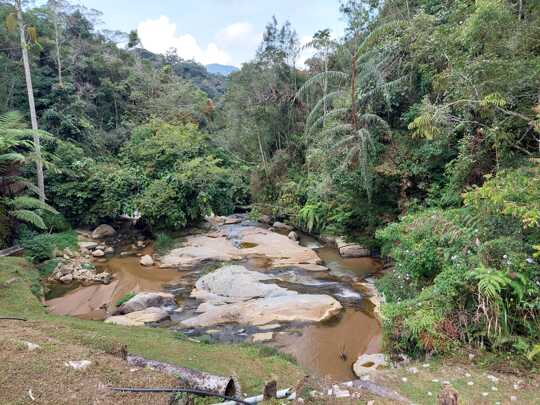
.jpg) Hi, I’m Johan (Netherlands 🇳🇱), the creator of TakeYourBackpack. Over the past decade, I’ve backpacked through 80+ countries across six continents, gaining extensive experience with independent travel, long-term trips, and overland routes.
Hi, I’m Johan (Netherlands 🇳🇱), the creator of TakeYourBackpack. Over the past decade, I’ve backpacked through 80+ countries across six continents, gaining extensive experience with independent travel, long-term trips, and overland routes.