×

Malaysia🇲🇾 | best national parksBest 10 national parks in Malaysia

Malaysia’s national parks are a treasure trove for backpackers, offering a mix of lush landscapes, diverse wildlife, and adventure opportunities. Each park has its own character, influenced by regional climates and seasonal variations. For instance, the wet season can turn trails into muddy challenges, while the dry months reveal stunning vistas and easier navigation.

Choosing the right park affects your travel vibe—from the bustling crowds of Taman Negara to the serene isolation of Bako. Your budget will also shift; some parks are more accessible than others, impacting your overall experience. Safety and ease of travel vary too, with some areas requiring more preparation. Ultimately, the right choice enhances your cultural immersion and adventure, making every moment count.

By Johan Kruseman 🇳🇱 | Updated May 31, 2026
Explore the best hikes in Malaysia

Why go?Understanding Their Importance

National parks in Malaysia are a treasure trove of biodiversity and unique landscapes. With over 20 national parks, the country boasts some of the oldest rainforests in the world, teeming with flora and fauna that can’t be found anywhere else. This rich biodiversity is a major draw, but it comes with trade-offs. Accessibility can be a challenge; some parks require a trek that can take hours, while others are a quick drive from urban centers. The more remote the park, the more immersive the experience, but also the more time you’ll spend getting there.

The infrastructure in Malaysia varies widely. Some parks are well-equipped with visitor centers and marked trails, while others are rugged and wild, demanding a spirit of adventure. This disparity means that travelers must weigh their desire … read more 👉
National parks in Malaysia are a treasure trove of biodiversity and unique landscapes. With over 20 national parks, the country boasts some of the oldest rainforests in the world, teeming with flora and fauna that can’t be found anywhere else. This rich biodiversity is a major draw, but it comes with trade-offs. Accessibility can be a challenge; some parks require a trek that can take hours, while others are a quick drive from urban centers. The more remote the park, the more immersive the experience, but also the more time you’ll spend getting there.

The infrastructure in Malaysia varies widely. Some parks are well-equipped with visitor centers and marked trails, while others are rugged and wild, demanding a spirit of adventure. This disparity means that travelers must weigh their desire for comfort against the thrill of exploration. A well-maintained path might lead to a stunning viewpoint, but the real magic often lies in the less-traveled routes where the sounds of the jungle envelop you.

Culturally, Malaysia’s parks are steeped in history, often linked to indigenous communities who have lived in harmony with nature for centuries. This adds a layer of depth to your visit, but it also requires respect and understanding of local customs. Ultimately, the choice between time, money, and comfort shapes your experience. Opt for the well-trodden paths for convenience, or venture deeper for a richer, albeit more demanding, adventure.
Our Approach to Ranking
The list of best national parks in Malaysia is created based on landscapes, wildlife, adventure opportunities, facilities, and overall experience. If you feel a national park is missing in this list, please let us know.

When to go?Seasonal Guide to Visiting

Weather Patterns
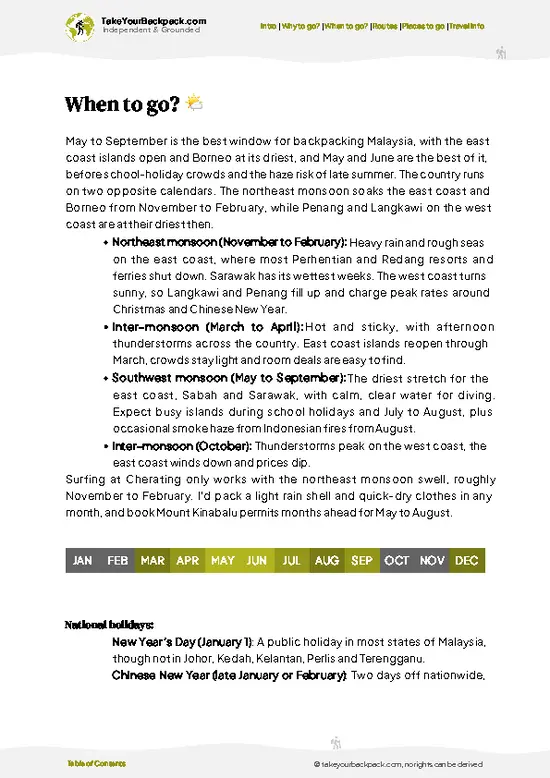
Malaysia’s climate is a tropical affair, with two distinct monsoon seasons. The southwest monsoon hits from May to September, while the northeast monsoon rolls in from November to March. Expect heavy rainfall during these times, which can turn trails into muddy slip-and-slide courses. Wildlife visibility often dips during the wet months, as many creatures prefer to stay cozy and dry.

Optimal Months
The best months for exploring national parks generally fall between March and October. This period offers drier conditions and better wildlife sightings. Temperatures hover around a comfortable range, making hikes more enjoyable. However, the trade-off is that these months can attract larger crowds, especially during school holidays.

Shoulder Seasons
Visiting during the shoulder … read more 👉
Weather Patterns
Malaysia’s climate is a tropical affair, with two distinct monsoon seasons. The southwest monsoon hits from May to September, while the northeast monsoon rolls in from November to March. Expect heavy rainfall during these times, which can turn trails into muddy slip-and-slide courses. Wildlife visibility often dips during the wet months, as many creatures prefer to stay cozy and dry.

Optimal Months
The best months for exploring national parks generally fall between March and October. This period offers drier conditions and better wildlife sightings. Temperatures hover around a comfortable range, making hikes more enjoyable. However, the trade-off is that these months can attract larger crowds, especially during school holidays.

Shoulder Seasons
Visiting during the shoulder seasons—just before or after the peak months—can be a savvy choice. Expect fewer tourists and lower accommodation costs, but be prepared for unpredictable weather. Rain can still make an appearance, and some trails may be less accessible.

Peak Periods
Peak periods, particularly around major holidays, can lead to overcrowded trails and limited availability for lodging. Planning around these times may require advanced bookings and a bit of patience.

Seasonal Constraints
Ultimately, the choice between peak scenery and solitude boils down to personal preference. Balancing wildlife visibility, trail conditions, and crowd levels is key to maximizing the experience in Malaysia’s national parks.

national park hoppingHow to Combine national parks Into One Trip

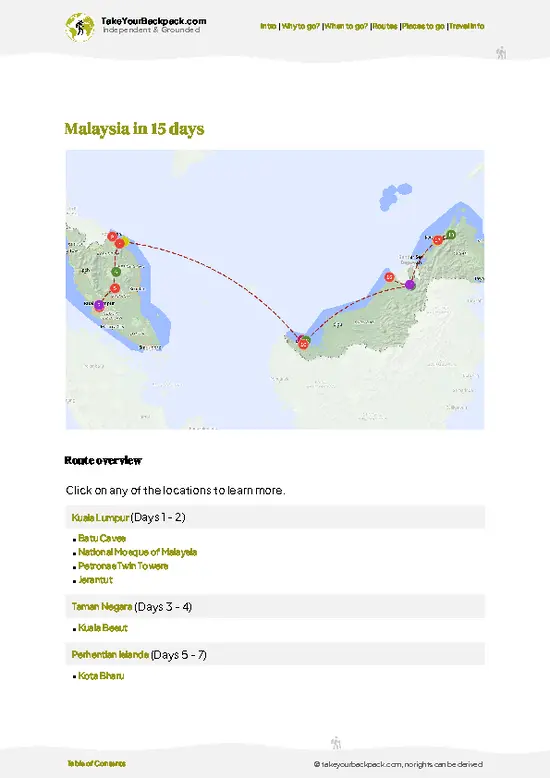
Combining national parks in Malaysia requires a strategic approach to maximize experiences while minimizing logistical headaches. Start by clustering parks regionally. The northern parks, like Taman Negara, offer dense jungles and rich biodiversity, while the southern parks, such as Endau-Rompin, provide rugged terrain and waterfalls. This clustering allows for smoother travel routes and less time spent on the road.

Typical time spent at each park varies. Plan for at least two to three days in major parks to soak in the sights and sounds. Shorter stops of one day can work for smaller parks or if you’re just passing through. However, rushing through can lead to missing the essence of these natural wonders.

Common planning mistakes include over-scheduling. Trying to cram too many parks into … read more 👉
Combining national parks in Malaysia requires a strategic approach to maximize experiences while minimizing logistical headaches. Start by clustering parks regionally. The northern parks, like Taman Negara, offer dense jungles and rich biodiversity, while the southern parks, such as Endau-Rompin, provide rugged terrain and waterfalls. This clustering allows for smoother travel routes and less time spent on the road.

Typical time spent at each park varies. Plan for at least two to three days in major parks to soak in the sights and sounds. Shorter stops of one day can work for smaller parks or if you’re just passing through. However, rushing through can lead to missing the essence of these natural wonders.

Common planning mistakes include over-scheduling. Trying to cram too many parks into a tight timeframe often results in fatigue and frustration. It’s essential to balance speed with depth of experience.

Trade-offs are inevitable. Opting for more parks means less time in each, impacting comfort and immersion. Conversely, spending longer in one park can enhance the experience but may stretch the budget due to accommodation costs. Flexibility is key; be prepared to adjust plans based on weather or personal energy levels. Prioritize what matters most to you, whether it’s the thrill of diverse landscapes or the tranquility of a single park.

The ListMust-Visit national parks in Malaysia

1 Taman Negara

old-growth rainforest, canopy bridge, river safaris

Immerse yourself in one of the world’s oldest rainforests, moving between jungle trails, river journeys, and treetop perspectives.

malaysia-national-park-taman-negara
© Google |

2 Kinabalu Park

granite summit, alpine meadows, endemic flora

Climb through shifting climate zones to Southeast Asia’s highest peak, observing rare plants and mountain views that change with altitude.

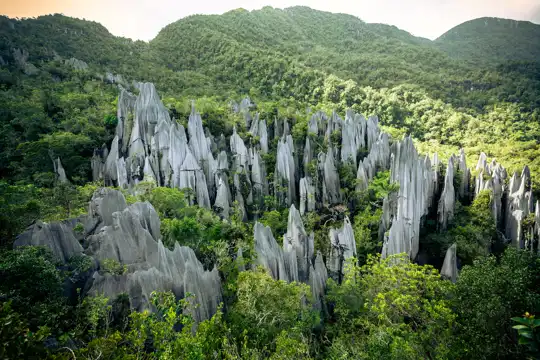
3 Gunung Mulu

limestone pinnacles, bat exodus, cave systems

Journey into a UNESCO-listed landscape of towering karst spires and vast caverns, where nightly bat flights animate the dusk.

Malaysia - Gunung Mulu

4 Bako National Park

proboscis monkeys, sea stacks, mangrove forest

Navigate short boat rides and marked trails to spot unique wildlife, shifting between rocky headlands and tidal inlets on Sarawak’s coast.

5 Belum-Temengor Rainforest

ancient jungle, hornbill flocks, lake islands

Paddle or trek through one of Peninsular Malaysia’s oldest forests, where remote waterways and rare wildlife reward patient exploration.

malaysia-national-park-belum-temengor-rainforest
© Google |

6 Endau-Rompin National Park

river rapids, fan palm groves, indigenous villages

Experience multi-day treks across wild rivers and dense lowland forest, encountering waterfalls and Orang Asli communities along the way.

7 Gunung Ledang National Park

summit trails, waterfall pools, Johor forest

Ascend forested slopes to cool mountain streams and panoramic ridges, where local legends and varied terrain shape every step.

malaysia-national-park-gunung-ledang-national-park
© Google |

8 Penang National Park

canopy walkway, turtle beach, lighthouse point

Hike coastal trails linking forested hills to quiet coves, with opportunities for canopy walks and glimpses of nesting turtles.

9 Crocker Range National Park

montane forest, river crossings, Sabah highlands

Traverse rugged uplands with shifting cloud cover, encountering cool streams, rare orchids, and remote villages along winding ridges.

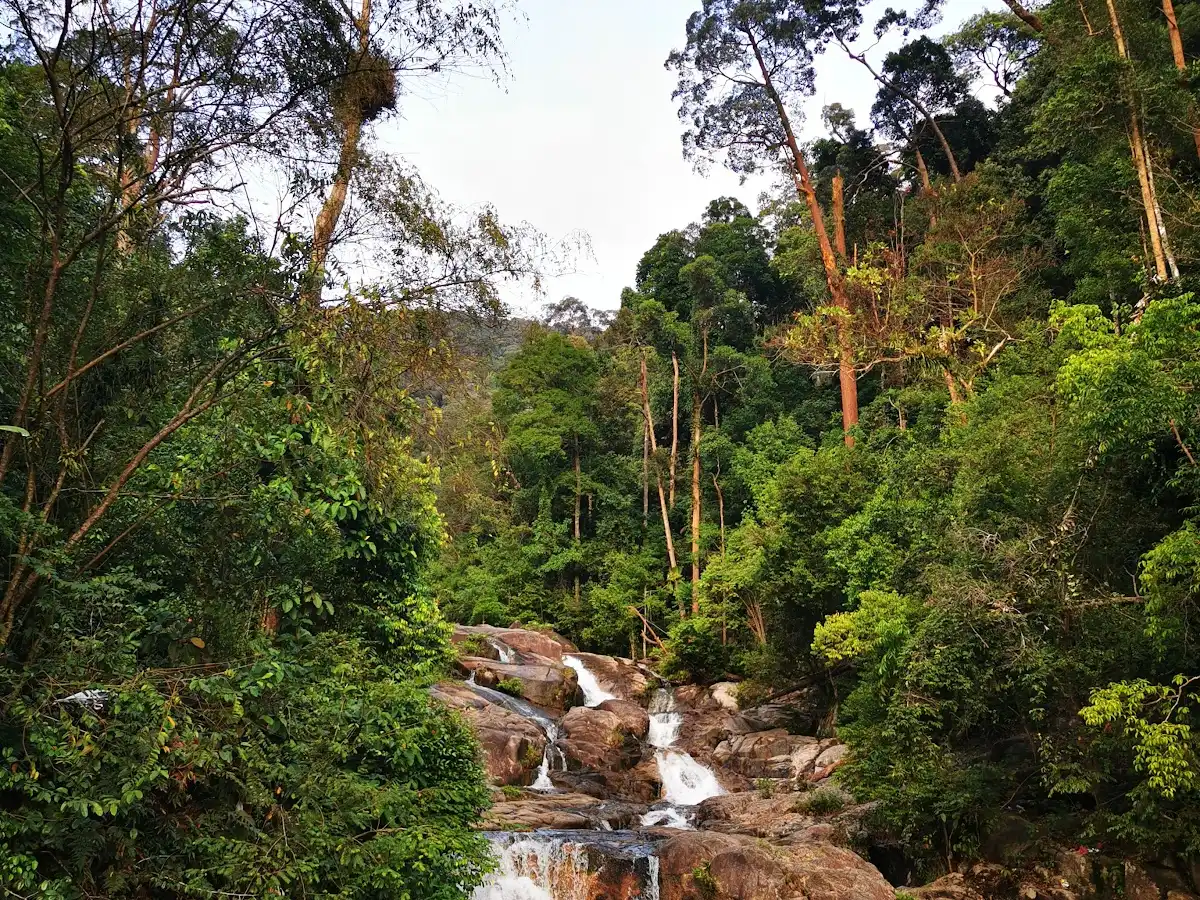
10 Lambir Hills National Park

canopy towers, dipterocarp trees, waterfall cascades

Wander through dense lowland rainforest, spotting rare birds and butterflies while climbing to viewpoints above layered jungle valleys.

malaysia-national-park-lambir-hills-national-park
© Google |

11 Niah National Park

limestone caves, prehistoric sites, swiftlet colonies

Venture into vast caverns where ancient paintings and archaeological finds reveal the deep human history of Sarawak’s forested interior.

malaysia-national-park-niah-national-park
© Google |

12 Kubah National Park

pitcher plants, rainforest boardwalks, frog ponds

Discover a compact reserve where lush hills shelter diverse amphibians and carnivorous plants, all within easy reach of Kuching.

malaysia-national-park-kubah-national-park
© Google |

13 Similajau National Park

coastal trails, golden beaches, turtle nesting

Follow forest paths along the South China Sea, crossing mangroves and sandy stretches where wildlife and tidal rhythms set the pace.

Think you know Malaysia?

Prove you’re a true local — uncover 3 lesser-known national parks in Malaysia that locals tend to keep to themselves.
Loading the map 🌍

Expert viewInsights from Locals and Experts

Terrain

Malaysia’s national parks are a patchwork of ecosystems, each with its own quirks. You’ve got everything from dense rainforests to limestone hills, and let’s not forget the coastal mangroves. The terrain can be a real mixed bag. Some parks, like Taman Negara, offer well-trodden paths that make you feel like you’re on a leisurely stroll through a botanical garden. Others, like the rugged trails of Gunung Mulu, will have you questioning your life choices as you scramble over boulders.

If you’re short on time, prioritize parks with established infrastructure. They often have better signage and facilities, making your trek less of a scavenger hunt. But remember, the more developed the park, the more people you’ll encounter. If you’re after solitude, be prepared for a bit of a slog in … read more 👉

Terrain

Malaysia’s national parks are a patchwork of ecosystems, each with its own quirks. You’ve got everything from dense rainforests to limestone hills, and let’s not forget the coastal mangroves. The terrain can be a real mixed bag. Some parks, like Taman Negara, offer well-trodden paths that make you feel like you’re on a leisurely stroll through a botanical garden. Others, like the rugged trails of Gunung Mulu, will have you questioning your life choices as you scramble over boulders.

If you’re short on time, prioritize parks with established infrastructure. They often have better signage and facilities, making your trek less of a scavenger hunt. But remember, the more developed the park, the more people you’ll encounter. If you’re after solitude, be prepared for a bit of a slog in the less-traveled areas. The trade-off? Comfort for adventure.

Park Infrastructure

Let’s talk logistics. Some parks are equipped with visitor centers, well-maintained trails, and even guided tours. Others? Not so much. If you’re the type who prefers a hot shower and a cold drink after a day of hiking, stick to the parks with decent infrastructure. They often have lodges or campsites that won’t leave you feeling like you’ve just survived a reality show challenge.

However, if you’re willing to rough it, the less developed parks can offer a more authentic experience. Just be aware that you might be trading comfort for a chance to see wildlife up close. The more remote the park, the higher the likelihood of encountering unique species. But don’t forget your insect repellent; those mosquitoes are not just there for the scenery.

Wildlife Activity

Wildlife spotting can be a hit-or-miss affair. Some parks are teeming with life, while others might leave you wondering if the animals got the memo about your visit. Parks like Bako are known for their monkeys and proboscis, while others may require a bit more patience.

Timing is crucial. Early mornings and late afternoons are prime for wildlife activity, but that means you’ll need to rise before the sun. If you’re juggling multiple parks, this can be a challenge. You might find yourself sacrificing sleep for the chance to see a rare bird or a shy tapir. The trade-off here is simple: do you want to maximize your wildlife encounters or your beauty sleep?

Time Management

How many parks should you visit? It’s tempting to tick off as many as possible, but quality trumps quantity. Aim for two to three parks if you want to truly soak in the experience. Each park deserves a couple of days to explore, especially if you want to hike, spot wildlife, and enjoy the local culture.

Travel time between parks can be a drag, especially if you’re navigating winding roads or waiting for public transport. Factor in travel time when planning your itinerary. If you’re hopping from one park to another, you might find yourself spending more time in transit than actually enjoying nature. The trade-off? A packed schedule that leaves you exhausted versus a more leisurely pace that allows for spontaneous adventures.

Safety & Cultural Considerations

Safety is paramount. Some parks are remote, and cell service can be spotty. Always inform someone of your plans and carry a basic first-aid kit. Cultural considerations are equally important. Respect local customs and wildlife regulations. In some areas, certain trails may be sacred, and it’s essential to tread lightly.

In the end, your journey through Malaysia’s national parks is about finding the right balance. Whether you’re chasing wildlife, seeking solitude, or just trying to escape the grind, understanding these trade-offs will help you craft a trip that’s not just about the destination, but the experience.

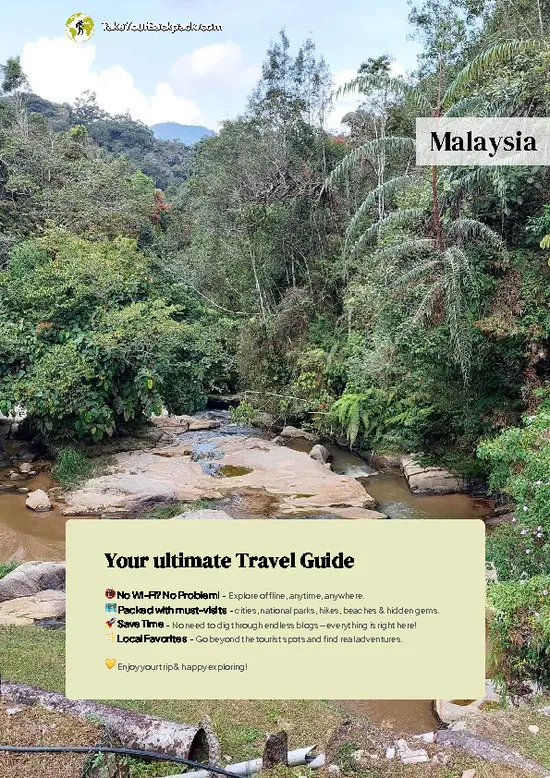
✈️ The backpacker research shortcutMalaysia Travel Guide

An offline-friendly backpacking guide with optimized travel routes, ranked highlights, transport advice, and the best areas to stay.
example page 0 from our offline Travel Guide for Malaysia
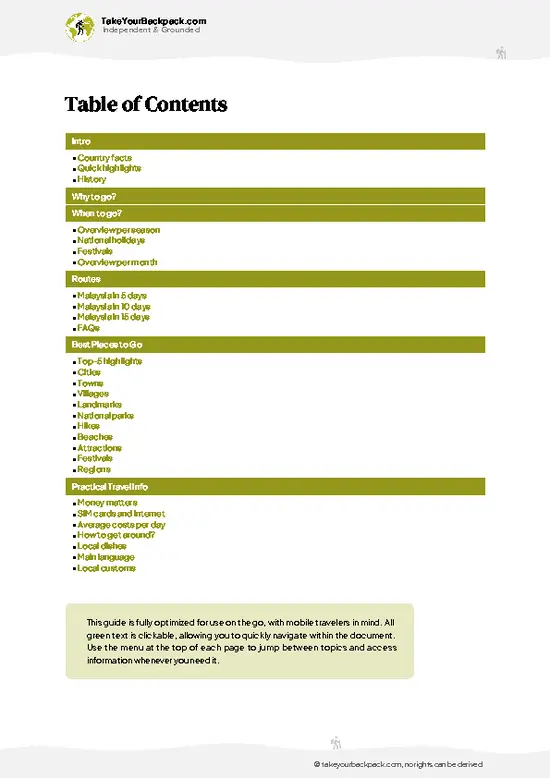
example page 1 from our offline Travel Guide for Malaysia
example page 2 from our offline Travel Guide for Malaysia
example page 3 from our offline Travel Guide for Malaysia
example page 4 from our offline Travel Guide for Malaysia
example page 5 from our offline Travel Guide for Malaysia
example page 6 from our offline Travel Guide for Malaysia
example page 7 from our offline Travel Guide for Malaysia
The digital guide (407 pages) contains:
107 highlights, ranked by travel appeal
Optimized 5, 10 & 15-day travel routes
Cities, national parks, landmarks, beaches
How to get around
Offline-friendly for travel without Wi-Fi
👉 Click to see all 30+ guide features

📅 Plan smarter in minutes, not weeks
Month by month travel advice
Festivals & national holidays
Budget expectations

🗺️ Go to the right places, skip the overrated ones
Honest pros & cons of destinations
Top hikes, parks & viewpoints
Lesser-known places most travelers miss
Clear “worth it vs skip it” guidance

🛏️ Travel smoothly without rookie mistakes
Best areas to stay
Transport systems explained simply
Common scams & safety advice
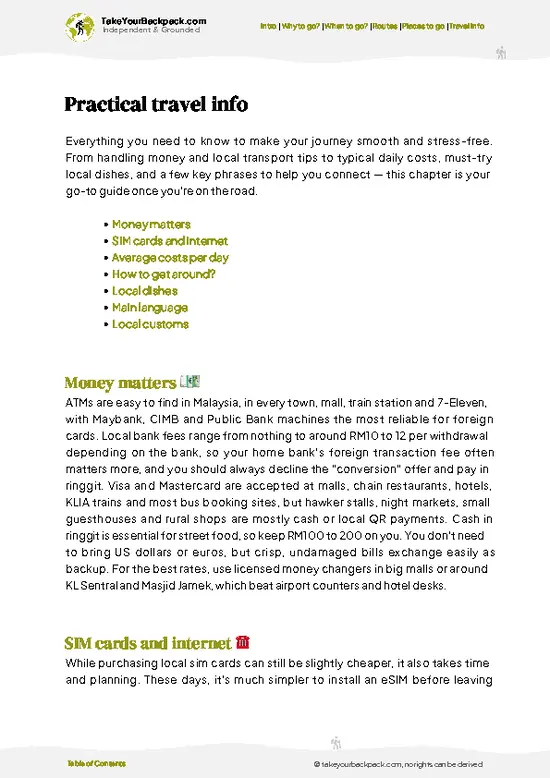
SIM cards, money & practical tips

🌍 Understand the country, not just visit it
Culture & traditions
52 Essential phrases & customs
Festivals worth planning around
Traveler-friendly historical context
Insights that make places more meaningful

📱 Built for real travel conditions
Fully downloadable PDF
Works completely offline
Optimized for phone use
Useful in remote areas & buses
Everything in one place
Save weeks of stressful planning
Get instant access to your full guide. 30‑day money-back guarantee.


By proceeding you agree to our terms.
Sent to your inbox immediately after payment • 100% Secure Checkout
Best Backpacking Travel Advisor 2025 tourism awardBest Backpacking
Travel Advisor
2025
What others say about Take Your Backpack Guides:
⭐⭐⭐⭐⭐
Fantastic, amazing amount of information!
⭐⭐⭐⭐⭐
My goodness this is amazing, it's what I've been looking for hats off too you!
⭐⭐⭐⭐⭐
I think this is absolutely BRILLIANT
⭐⭐⭐⭐
Very complete and informative. It's still missing places, but I gotta to commend you
⭐⭐⭐⭐⭐
This is truly amazing, thank you, can't wait to explore it with my kids!
⭐⭐⭐⭐⭐
Awesome resource, thank you!
⭐⭐⭐⭐⭐
This is amazing! Can't wait to explore the ones I haven't seen
⭐⭐⭐⭐
I love this! Well done, great idea.
⭐⭐⭐⭐⭐
Thanks for taking the time to make this gem!
⭐⭐⭐⭐⭐
This might be the best website I've ever seen.
⭐⭐⭐⭐⭐
Congratulations, and thank you so much for your work; it's incredibly valuable.
⭐⭐⭐⭐
In all seriousness I think you did a great job pointing out the important spots
⭐⭐⭐⭐⭐
10/10 very good
⭐⭐⭐⭐⭐
As someone who's only just starting to visit regularly this is awesome, thank you.
⭐⭐⭐⭐
Thank you very much! I'm going to visit my dad, it's going to be very useful!
⭐⭐⭐⭐⭐
This is really cool! We'll be travelling for the first time and this definitely come in handy.
⭐⭐⭐⭐⭐
You are now our minister of culture, congratulations 👨‍💼
⭐⭐⭐⭐⭐
Just wanted to tell you that this is a pearl! Going to follow your recommendations.
⭐⭐⭐⭐⭐
This is so cool. I'll definitely be using the resource for my travels soon.
⭐⭐⭐⭐⭐
This is very impressive! Good work.
⭐⭐⭐⭐⭐
This is an amazing and informative site. Very well done!

🛏️ Where to stay?Accommodation Highlights

Yes: hostels and other budget accommodation are widely available across Malaysia, from city dorms to beachside guesthouses; expect dorm beds and cheap private rooms, book early in high season, and accept that facilities can be basic outside major towns.
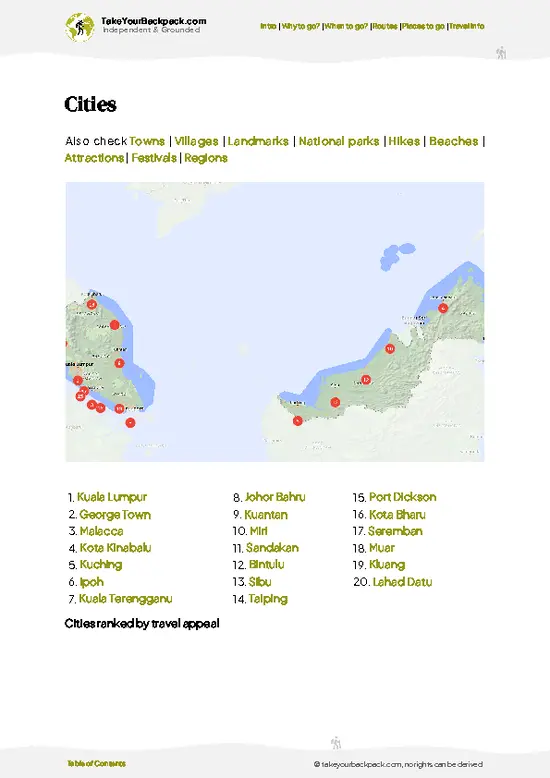
Areas with the most options include Kuala Lumpur (Bukit Bintang/Chinatown — excellent transport, shopping and nightlife but noisy), George Town, Penang (compact heritage core — great food and walkability but small rooms), Melaka (historic centre — scenic and safe but quieter at night), city centres like Kota Kinabalu and Kuching (good gateways to nature with practical services but fewer party hostels), and beach hubs like Pantai Cenang or the … read more 👉
Yes: hostels and other budget accommodation are widely available across Malaysia, from city dorms to beachside guesthouses; expect dorm beds and cheap private rooms, book early in high season, and accept that facilities can be basic outside major towns.
Areas with the most options include Kuala Lumpur (Bukit Bintang/Chinatown — excellent transport, shopping and nightlife but noisy), George Town, Penang (compact heritage core — great food and walkability but small rooms), Melaka (historic centre — scenic and safe but quieter at night), city centres like Kota Kinabalu and Kuching (good gateways to nature with practical services but fewer party hostels), and beach hubs like Pantai Cenang or the Perhentians (easy beach access and diving but seasonal crowds and simpler facilities).

If you enjoy meeting fellow travelers, consider choosing hostels with high ratings for atmosphere. On the other hand, if you prefer having your own space, a hotel might be a better option.

MalaysiaSee More of Malaysia

👋 Meet the founderWho’s Behind Take Your Backpack?

Johan, backpacker and founder of TakeYourBackpackHi, I’m Johan (Netherlands 🇳🇱), the creator of TakeYourBackpack. Over the past decade, I’ve backpacked through 80+ countries across six continents, gaining extensive experience with independent travel, long-term trips, and overland routes.

This site is built on a combination of firsthand travel experience and carefully curated insights from other backpackers. Many guides are based on places I’ve personally visited, while others bring together tips, observations, and practical advice shared by trusted travelers I’ve met along the way.

The goal is to provide realistic, experience-driven guidance — not generic itineraries — so you can explore destinations with better context, clearer expectations, and more confidence.

Get full Malaysia guide •
Instant download • 107 highlights • Full Offline guide