v2.webp)

- The long Dhigurah beach — the island’s main draw: a roughly 3-km stretch of white sand you can walk end to end, swim off, collect shells, and watch spectacular sunsets with hardly any crowds.
- Southern sandbank — a shallow, photogenic spit that appears at low tide; locals bring picnics and it’s a perfect place to snorkel in clear water or laze on pure sand away from the village bustle.
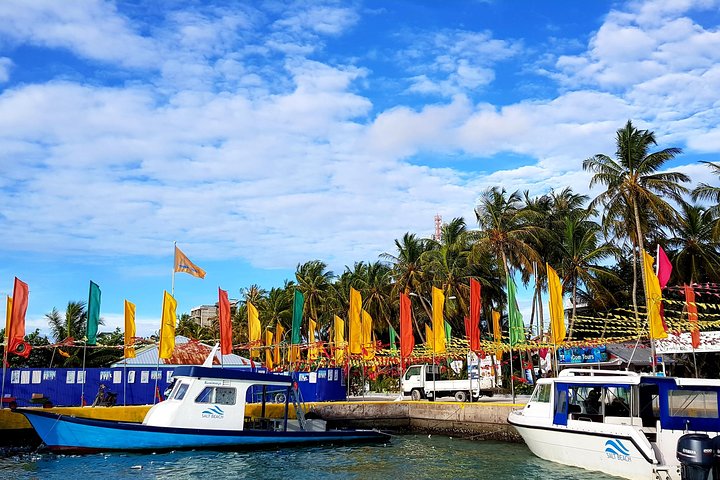
- Main jetty and fishing harbour — where dhonis come and go; great for watching daily island life, seeing the boats unloaded, and catching fishermen mending nets. Early mornings are the most interesting.
- Village fish market / landing spot — informal but lively: watch tuna and reef fish being sorted and sold, talk to fishermen about their catch, and buy the freshest grilled fish from a makeshift stall if offered.
- The long Dhigurah beach — the island’s main draw: a roughly 3-km stretch of white sand you can walk end to end, swim off, collect shells, and watch spectacular sunsets with hardly any crowds.
- Southern sandbank — a shallow, photogenic spit that appears at low tide; locals bring picnics and it’s a perfect place to snorkel in clear water or laze on pure sand away from the village bustle.
- Main jetty and fishing harbour — where dhonis come and go; great for watching daily island life, seeing the boats unloaded, and catching fishermen mending nets. Early mornings are the most interesting.
- Village fish market / landing spot — informal but lively: watch tuna and reef fish being sorted and sold, talk to fishermen about their catch, and buy the freshest grilled fish from a makeshift stall if offered.
- Traditional boatyard — small workshops along the shore where dhonis are repaired and maintained; you can see hands-on craftsmanship and ask about how island transport is kept running.
- Dhigurah mosque (village masjid) — a local architectural and social focal point; even if you don’t enter the prayer area, the exterior, the call to prayer, and observing local etiquette give real cultural context (dress and visiting times matter).
- Community centre and cultural evenings — scheduled performances or guesthouse-organized bodu beru drumming and dance nights let visitors experience Maldivian music, food, and friendly local hospitality.
- Local dive and snorkel operators (village centres) — the on-island dive shops are the practical way to experience the surrounding marine life (book whale-shark and manta trips here, get briefings, and join small local groups).
- Main street cafés and shops — humble bakeries, teashops and small stalls selling mas huni, roshi and local snacks; excellent for people-watching and getting a feel for everyday island routine.
- Sunset viewpoints along the western shore — simple, unofficial spots where locals gather at dusk; bench or sand, a coconut, and the sky put a quiet exclamation mark on a Dhigurah day.
Spotted a mistake or missing something? Contact us.

Malé Uncovered Heritage, Culture and Hidden Gems

4 Hour Highlights of Malé Walking Tour

Private Vacation Photography Session in Male Maldives

3 Point Snorkeling Safari

Greater Male Explorer - Private City Tour by Car or by Walking

Maldives Adventure Trip
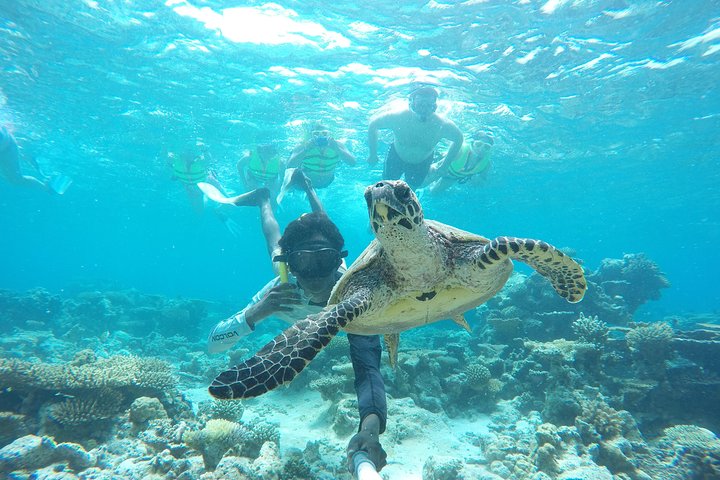
Sandbank Snorkeling and Sunset Cruise

Private Male City Walking Tour with optional Vilimale tour

Full Day Male' Walking Tour

 Best Backpacking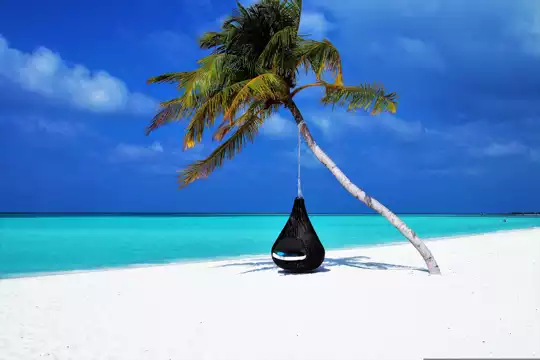
.jpg) Hi, I’m Johan (Netherlands 🇳🇱), the creator of TakeYourBackpack. Over the past 3 decades, I’ve backpacked through 90+ countries across six continents, gaining extensive experience with independent travel, long-term trips, and overland routes.
Hi, I’m Johan (Netherlands 🇳🇱), the creator of TakeYourBackpack. Over the past 3 decades, I’ve backpacked through 90+ countries across six continents, gaining extensive experience with independent travel, long-term trips, and overland routes.