v2.webp)
The Auditorium: Old-World Drama, Zero Filter
Step inside and forget every over-processed Instagram shot you’ve seen. The auditorium is compact—just 623 seats—but that’s the point. You’re not peering down from the nosebleeds; you’re practically in the lap of the action. The horseshoe shape, carved wooden boxes, and gold leaf details aren’t just for show. They’re a 1730s time capsule, and the acoustics are so sharp you’ll hear every intake of breath on stage. This isn’t a “grand” opera house; it’s a jewel box, and the intimacy is the real luxury.
The Ceiling Fresco: Baroque with a Maltese Twist
Look up. The ceiling isn’t just decoration—it’s a riot of Baroque drama, painted by Giuseppe Cali in the 19th century. Forget sterile white domes; this one is alive with allegorical figures and Maltese … read more 👉
Step inside and forget every over-processed Instagram shot you’ve seen. The auditorium is compact—just 623 seats—but that’s the point. You’re not peering down from the nosebleeds; you’re practically in the lap of the action. The horseshoe shape, carved wooden boxes, and gold leaf details aren’t just for show. They’re a 1730s time capsule, and the acoustics are so sharp you’ll hear every intake of breath on stage. This isn’t a “grand” opera house; it’s a jewel box, and the intimacy is the real luxury.
The Ceiling Fresco: Baroque with a Maltese Twist
Look up. The ceiling isn’t just decoration—it’s a riot of Baroque drama, painted by Giuseppe Cali in the 19th century. Forget sterile white domes; this one is alive with allegorical figures and Maltese … read more 👉
The Auditorium: Old-World Drama, Zero Filter
Step inside and forget every over-processed Instagram shot you’ve seen. The auditorium is compact—just 623 seats—but that’s the point. You’re not peering down from the nosebleeds; you’re practically in the lap of the action. The horseshoe shape, carved wooden boxes, and gold leaf details aren’t just for show. They’re a 1730s time capsule, and the acoustics are so sharp you’ll hear every intake of breath on stage. This isn’t a “grand” opera house; it’s a jewel box, and the intimacy is the real luxury.
The Ceiling Fresco: Baroque with a Maltese Twist
Look up. The ceiling isn’t just decoration—it’s a riot of Baroque drama, painted by Giuseppe Cali in the 19th century. Forget sterile white domes; this one is alive with allegorical figures and Maltese symbolism. It’s a visual punch that reminds you: this theater was built for spectacle, not subtlety. The fresco is a local flex, proof that Malta could match the grandeur of any European capital, but with its own flavor.
Backstage Tours: The Grit Behind the Glamour
Skip the velvet rope fantasy. The guided tours here pull back the curtain—literally. You’ll see the original wooden stage machinery, still in use, and the cramped dressing rooms where actors have been sweating it out for centuries. This is where the magic actually happens, and it’s messier, smaller, and far more interesting than the glossy brochures admit. If you want to understand why Teatru Manoel is still alive after 290 years, this is where you’ll get it.
Live Performances: Opera, Theatre, and the Unexpected
Yes, you can tour the building, but the real payoff is catching a show. The programming is a wild mix: opera, Shakespeare, Maltese-language plays, jazz, and the occasional left-field act (think experimental dance or stand-up). The crowd is a blend of locals and travelers, and the energy is raw—no one’s here to be seen; they’re here for the art. The acoustics are so good that even a solo violin can fill the space. If you want to feel the pulse of Valletta’s creative scene, this is ground zero.
The Foyer and Staircase: Social Theater
Before the show, the foyer is its own performance. The marble staircase is a parade route for everyone from tuxedoed regulars to backpackers in hiking boots. The chatter is a mix of Maltese, Italian, and English, and the vibe is refreshingly unpretentious. This isn’t a velvet-rope, dress-code kind of place. It’s a living room for the city, and you’re invited—no matter what you’re wearing.
The Chandeliers: Candlelit History
The chandeliers aren’t just pretty—they’re a direct line to the theater’s past. Originally lit by candles, now electrified but still casting that golden, flickering glow. It’s not about bling; it’s about atmosphere. When the house lights dim, you feel the centuries pressing in, and every performance feels like it could be your last night in Valletta. That’s the kind of drama you can’t fake.
Step inside and forget every over-processed Instagram shot you’ve seen. The auditorium is compact—just 623 seats—but that’s the point. You’re not peering down from the nosebleeds; you’re practically in the lap of the action. The horseshoe shape, carved wooden boxes, and gold leaf details aren’t just for show. They’re a 1730s time capsule, and the acoustics are so sharp you’ll hear every intake of breath on stage. This isn’t a “grand” opera house; it’s a jewel box, and the intimacy is the real luxury.
The Ceiling Fresco: Baroque with a Maltese Twist
Look up. The ceiling isn’t just decoration—it’s a riot of Baroque drama, painted by Giuseppe Cali in the 19th century. Forget sterile white domes; this one is alive with allegorical figures and Maltese symbolism. It’s a visual punch that reminds you: this theater was built for spectacle, not subtlety. The fresco is a local flex, proof that Malta could match the grandeur of any European capital, but with its own flavor.
Backstage Tours: The Grit Behind the Glamour
Skip the velvet rope fantasy. The guided tours here pull back the curtain—literally. You’ll see the original wooden stage machinery, still in use, and the cramped dressing rooms where actors have been sweating it out for centuries. This is where the magic actually happens, and it’s messier, smaller, and far more interesting than the glossy brochures admit. If you want to understand why Teatru Manoel is still alive after 290 years, this is where you’ll get it.
Live Performances: Opera, Theatre, and the Unexpected
Yes, you can tour the building, but the real payoff is catching a show. The programming is a wild mix: opera, Shakespeare, Maltese-language plays, jazz, and the occasional left-field act (think experimental dance or stand-up). The crowd is a blend of locals and travelers, and the energy is raw—no one’s here to be seen; they’re here for the art. The acoustics are so good that even a solo violin can fill the space. If you want to feel the pulse of Valletta’s creative scene, this is ground zero.
The Foyer and Staircase: Social Theater
Before the show, the foyer is its own performance. The marble staircase is a parade route for everyone from tuxedoed regulars to backpackers in hiking boots. The chatter is a mix of Maltese, Italian, and English, and the vibe is refreshingly unpretentious. This isn’t a velvet-rope, dress-code kind of place. It’s a living room for the city, and you’re invited—no matter what you’re wearing.
The Chandeliers: Candlelit History
The chandeliers aren’t just pretty—they’re a direct line to the theater’s past. Originally lit by candles, now electrified but still casting that golden, flickering glow. It’s not about bling; it’s about atmosphere. When the house lights dim, you feel the centuries pressing in, and every performance feels like it could be your last night in Valletta. That’s the kind of drama you can’t fake.
Spotted a mistake or missing something? Contact us.

Valletta Food Tour
✓ Free cancellation

Private Customizable Full-Day Tour in Malta
✓ Free cancellation

Valletta Walking Tour, In a Small Group
✓ Free cancellation

Private Tour - A Monumental Maltese Experience
✓ Free cancellation

Half Day Private Tour around the Island in Malta
✓ Free cancellation

Malta Private Full-Day Customizable Tour
✓ Free cancellation

Private Chauffeur Island Tour of Malta ( Fully Customizable )
✓ Free cancellation

Private Buggy Tour in Gozo incl Driver, Transfers & Lunch
✓ Free cancellation
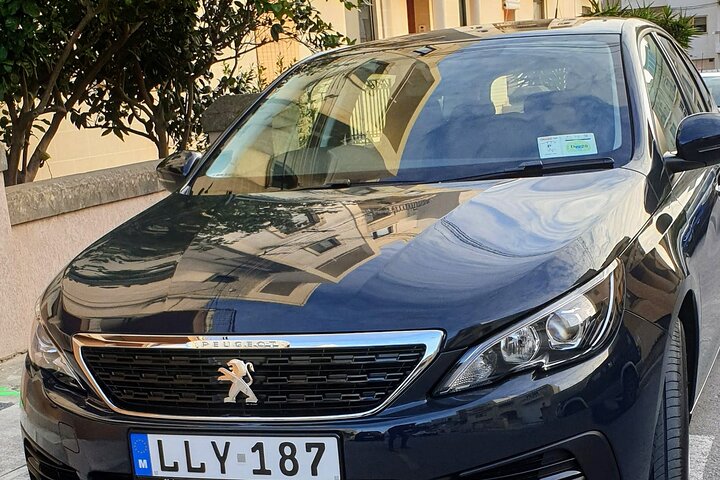
Malta Airport Cab Transfer to Bugibba /St Paul's Bay / Qawra Area
✓ Free cancellation

Malta & Gozo Tours
✓ Free cancellation

 Best Backpacking
.jpg) Hi, I’m Johan (Netherlands 🇳🇱), the creator of TakeYourBackpack. Over the past decade, I’ve backpacked through 80+ countries across six continents, gaining extensive experience with independent travel, long-term trips, and overland routes.
Hi, I’m Johan (Netherlands 🇳🇱), the creator of TakeYourBackpack. Over the past decade, I’ve backpacked through 80+ countries across six continents, gaining extensive experience with independent travel, long-term trips, and overland routes.