
The Caravaggio Masterpieces
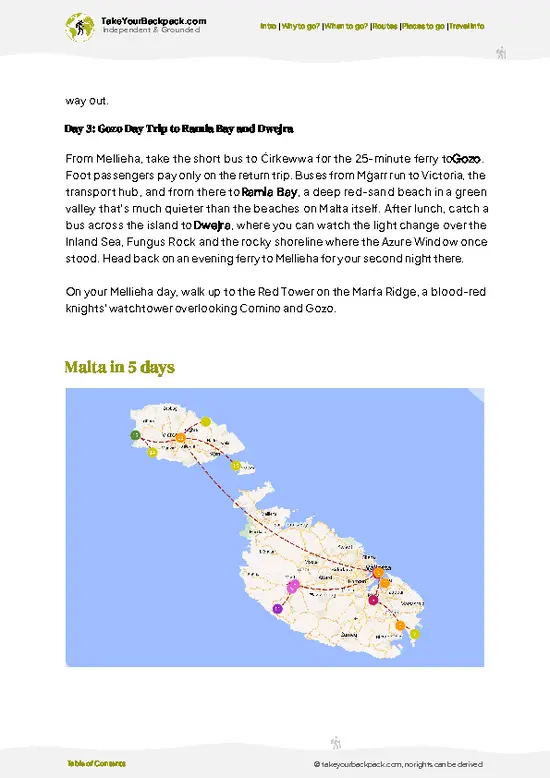
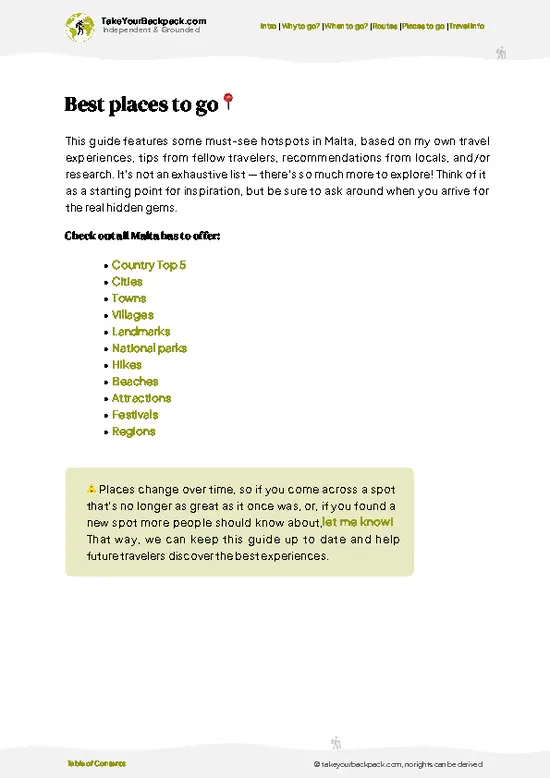
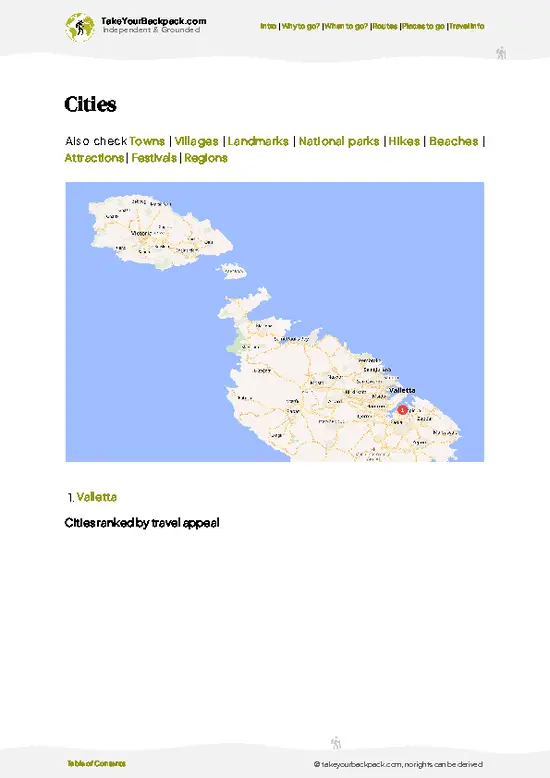
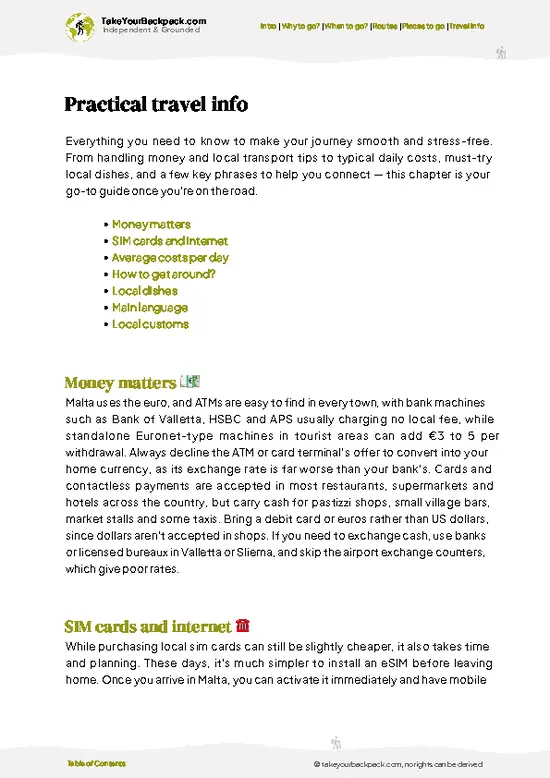
Let’s cut through the hype: most people come for Caravaggio, and for once, the crowd is right. His “Beheading of Saint John the Baptist” isn’t just a painting—it’s a gut punch. The only signed Caravaggio in existence, and it’s not hiding behind velvet ropes or bulletproof glass. You stand in a hushed, dimly lit oratory, inches from the raw violence and shadow that made Caravaggio infamous. The drama is real, the brushwork is wild, and the emotional charge will outlast your jet lag. Ignore the selfie sticks and let yourself get pulled into the scene. This is art that doesn’t care about your Instagram grid.
The Floor of Death (and Glory)
Forget the ceilings for a second. The marble floor is a riot of color and symbolism—400 tombstones, each a mosaic slab marking … read more 👉
The Caravaggio Masterpieces
Let’s cut through the hype: most people come for Caravaggio, and for once, the crowd is right. His “Beheading of Saint John the Baptist” isn’t just a painting—it’s a gut punch. The only signed Caravaggio in existence, and it’s not hiding behind velvet ropes or bulletproof glass. You stand in a hushed, dimly lit oratory, inches from the raw violence and shadow that made Caravaggio infamous. The drama is real, the brushwork is wild, and the emotional charge will outlast your jet lag. Ignore the selfie sticks and let yourself get pulled into the scene. This is art that doesn’t care about your Instagram grid.
The Floor of Death (and Glory)
Forget the ceilings for a second. The marble floor is a riot of color and symbolism—400 tombstones, each a mosaic slab marking the final resting place of the Knights of St. John. Skulls, hourglasses, and coats of arms stare up at you, a reminder that these weren’t just pious monks but swaggering warrior-aristocrats who wanted to be remembered in style. It’s morbid, yes, but also a wild, baroque celebration of ego and mortality. Watch your step: you’re literally walking on centuries of ambition.
The Vaulted Ceilings
You’ve seen churches with painted ceilings. You haven’t seen this. Mattia Preti’s frescoes explode overhead—scenes from the life of St. John, painted directly onto the stone. The colors are still electric after 350 years, and the sheer density of detail is overwhelming. This isn’t polite, background art; it’s a visual onslaught. Stand in the nave and let your eyes get lost. If you’re lucky enough to catch the light at the right angle, the gold leaf practically glows.
The Side Chapels
Most visitors shuffle past the chapels, but this is where the cathedral’s personality comes out. Each chapel is a private flex by a different “langue” (national group) of the Knights. Italian, French, Aragonese, and more—each one tries to outdo the others with gilded altars, relics, and over-the-top ornamentation. It’s like a Renaissance version of keeping up with the Joneses, only with more saints and swords.
The Treasury
If you want to see what power looks like in gold and silk, duck into the Treasury. This isn’t your average church gift shop. We’re talking jewel-encrusted reliquaries, ceremonial swords, and robes that look like they were designed for a Game of Thrones finale. The craftsmanship is absurd, the opulence is shameless, and the historical weight is real. It’s a crash course in how the Knights projected authority—and why everyone in the Mediterranean took them seriously.
The Acoustic Surprise
Here’s something you won’t find in the guidebooks: the acoustics. If you catch an organ recital or even just a choir rehearsal, the sound ricochets off the gilded walls and marble like nowhere else in Malta. It’s not subtle. The music fills every inch, vibrating through your bones. Even if you’re not religious, the sensory overload is worth the price of admission.
Spotted a mistake or missing something? Contact us.

Valletta Food Tour

Private Customizable Full-Day Tour in Malta

Valletta Walking Tour, In a Small Group

Private Tour - A Monumental Maltese Experience

Half Day Private Tour around the Island in Malta

Private Chauffeur Island Tour of Malta ( Fully Customizable )

Malta Private Full-Day Customizable Tour

Private Buggy Tour in Gozo incl Driver, Transfers & Lunch
Malta Airport Cab Transfer to Bugibba /St Paul's Bay / Qawra Area


 Best Backpacking
 Hi, I’m Johan (Netherlands 🇳🇱), the creator of TakeYourBackpack. Over the past 3 decades, I’ve backpacked through 90+ countries across six continents, gaining extensive experience with independent travel, long-term trips, and overland routes.