v2.webp)
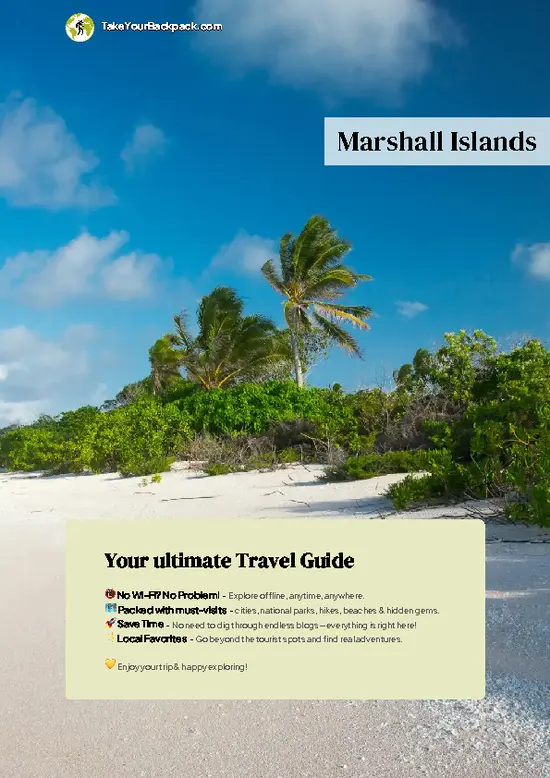
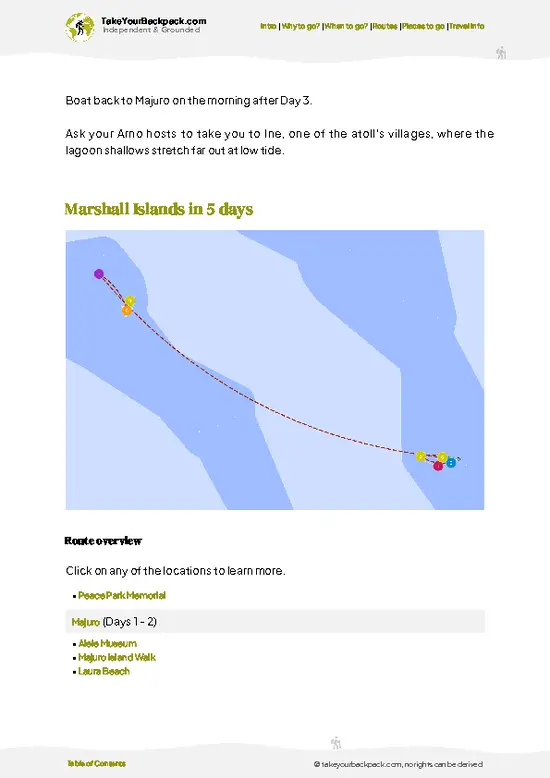
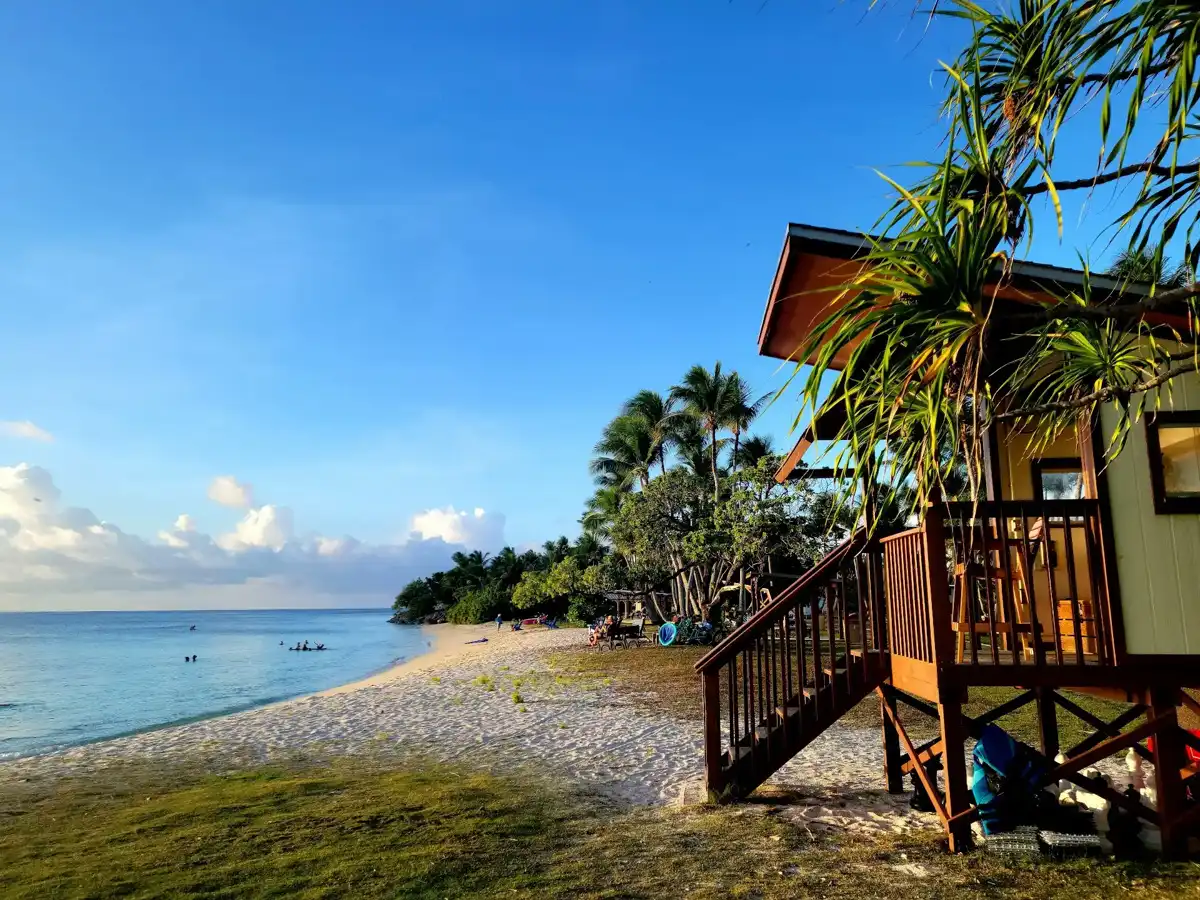
- Lagoon swimming: The main event. The lagoon side is sheltered, the water is shallow and warm, and the bottom slopes gently, so it suits weak swimmers and anyone who wants a long, easy float. Go at high tide for the deepest water, and wear reef shoes because coral rubble is sharp underfoot.
- Snorkeling the nearshore coral: Small coral heads and patches of reef sit close to the shore, with reef fish, sea cucumbers and the occasional giant clam in the shallows. Visibility is best on calm, sunny mornings. Bring your own mask, since rental gear is not something to count on at the beach itself.
- Sunset over the lagoon: The light turns the shallow water copper and pink while frigatebirds and terns drift overhead. With so little artificial light on the atoll, the sky darkens fast and the stars come out
- Lagoon swimming: The main event. The lagoon side is sheltered, the water is shallow and warm, and the bottom slopes gently, so it suits weak swimmers and anyone who wants a long, easy float. Go at high tide for the deepest water, and wear reef shoes because coral rubble is sharp underfoot.
- Snorkeling the nearshore coral: Small coral heads and patches of reef sit close to the shore, with reef fish, sea cucumbers and the occasional giant clam in the shallows. Visibility is best on calm, sunny mornings. Bring your own mask, since rental gear is not something to count on at the beach itself.
- Sunset over the lagoon: The light turns the shallow water copper and pink while frigatebirds and terns drift overhead. With so little artificial light on the atoll, the sky darkens fast and the stars come out sharp, so stay for the first hour of dusk if you can arrange a ride back.
- Shell and tideline wandering: Walk the waterline at low tide and you will turn up cowries, cone shells and bleached coral fragments. Look, photograph and leave them where they are. Hermit crabs scuttle through the leaf litter, and the walk shows you how thin this strip of land really is.
- Sitting with local fishers and families: Fishing from the shore, children splashing and relatives sharing a picnic are part of the scene here. Ask before taking photos, say hello in Marshallese (“yokwe”), and you will often get a conversation about fishing, canoes or life on the atoll. Few experiences in the country teach you more for free.
Spotted a mistake or missing something? Contact us.
 Best Backpacking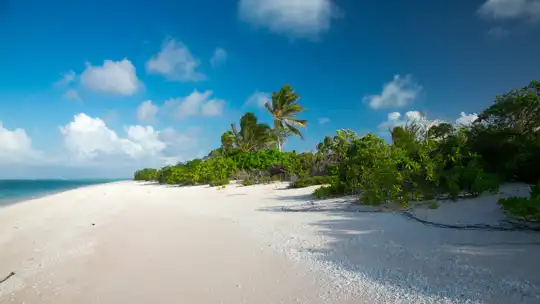
.jpg) Hi, I’m Johan (Netherlands 🇳🇱), the creator of TakeYourBackpack. Over the past 3 decades, I’ve backpacked through 90+ countries across six continents, gaining extensive experience with independent travel, long-term trips, and overland routes.
Hi, I’m Johan (Netherlands 🇳🇱), the creator of TakeYourBackpack. Over the past 3 decades, I’ve backpacked through 90+ countries across six continents, gaining extensive experience with independent travel, long-term trips, and overland routes.