v2.webp)

- Japanese World War II bunkers and gun positions: The best known reason to visit. Concrete command posts, shelters and coastal guns from the Japanese garrison lie scattered through the vegetation on the main islet. Some bunkers are intact enough to step into, others are cracked and swallowed by roots. Go early in the morning, before the heat builds, and wear closed shoes because the ground is sharp coral and old metal. Free, and a thorough wander takes 2 to 3 hours. A local guide from the village, usually a few dollars to tip, will point out the spots you would otherwise walk past.
- Wotje Lagoon snorkeling and boat outings: The lagoon beside the village is calm, shallow near shore and full of coral and reef fish. Mornings give the flattest water and best visibility. Arrange a boat with a local
- Japanese World War II bunkers and gun positions: The best known reason to visit. Concrete command posts, shelters and coastal guns from the Japanese garrison lie scattered through the vegetation on the main islet. Some bunkers are intact enough to step into, others are cracked and swallowed by roots. Go early in the morning, before the heat builds, and wear closed shoes because the ground is sharp coral and old metal. Free, and a thorough wander takes 2 to 3 hours. A local guide from the village, usually a few dollars to tip, will point out the spots you would otherwise walk past.
- Wotje Lagoon snorkeling and boat outings: The lagoon beside the village is calm, shallow near shore and full of coral and reef fish. Mornings give the flattest water and best visibility. Arrange a boat with a local family, typically around US$20 to 50 for a few hours depending on fuel and distance, and bring your own mask and snorkel because rentals are not a thing here. Allow 3 to 4 hours, and carry water and sun protection, since there is no shade on the lagoon.
- The Wotje airstrip and ocean-side walk: The runway, a Japanese military relic still used by Air Marshall Islands, doubles as the village’s main promenade. Walk it late in the afternoon, when light turns the coral gravel gold, then cut across to the ocean side where the reef breaks white against deep blue. Kids play, dogs doze, and you can watch the sunset without another visitor in sight. Free, about an hour. Step aside when a plane is due.
Spotted a mistake or missing something? Contact us.

 Best Backpacking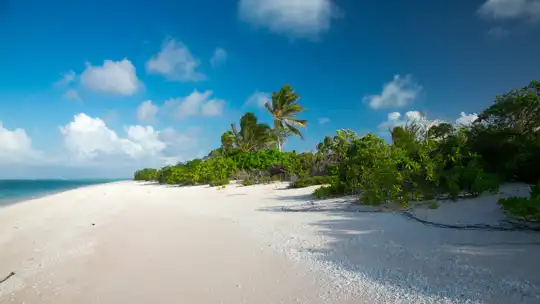
.jpg) Hi, I’m Johan (Netherlands 🇳🇱), the creator of TakeYourBackpack. Over the past 3 decades, I’ve backpacked through 90+ countries across six continents, gaining extensive experience with independent travel, long-term trips, and overland routes.
Hi, I’m Johan (Netherlands 🇳🇱), the creator of TakeYourBackpack. Over the past 3 decades, I’ve backpacked through 90+ countries across six continents, gaining extensive experience with independent travel, long-term trips, and overland routes.