×

Martinique🇲🇶 | townsSaint-Pierrevolcano ruins, black sand shore, small museums | things to do and best time to go

Explore Les Trois-ÎletsExplore Sainte-Anne

Backpacking in Saint-Pierre
🌟 Highlighttown ranked #6
By Johan Kruseman 🇳🇱 | Updated May 15, 2026

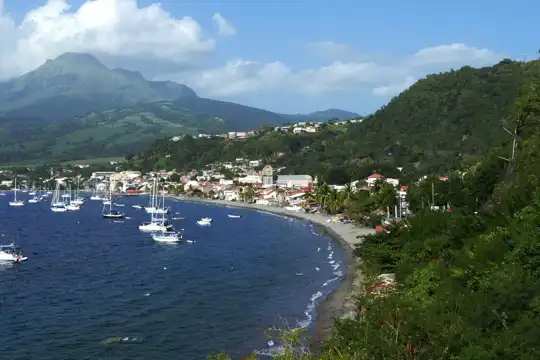
Your first real decision in Saint-Pierre is whether to just swing through for an hour with a rental car, or to actually stay a night and let the place sink in. That choice matters, because Saint-Pierre sits on Martinique’s northwest coast under Mont Pelée, and the whole town runs on slow, salty air and volcanic history rather than big-city buzz. As a backpacker stop, it’s more atmospheric than practical: black-sand beach, crumbling facades, a few small museums and ruins, and that heavy story of the 1902 eruption hanging in the heat. It works best as a base for Pelée hikes and coastal exploring, not as a long-term hub. Buses are infrequent, streets are walkable, nightlife is quiet, and you’ll see more French couples than hostel crowds. Cheaper than Fort-de-France, calmer than Trois-Îlets, but also lonelier if you crave a social scene.

Discover everything you want to know in the 📖 Martinique Travel Guide.
Loading the map 🌍
CLICK TO FILTER
town
unique site
national park
hike
beach
attraction
festival
region
SHOW COUNTRY’S BESTSHOW ALL

✨ Why go?
Ranked #6 town in Martinique
The unique appeal for travelers

Saint-Pierre, once the capital of Martinique, draws backpackers for its strategic location and rich history. Nestled near the Mont Pelée volcano, it’s a launching pad for hikes that reward you with breathtaking views and a sense of accomplishment. The beaches nearby offer a chance to unwind after a day of trekking, with soft sand and the sound of waves lapping at your feet.

The town’s walkable streets are lined with small-scale hostels and guesthouses, perfect for solo travelers or small groups looking to connect. You’ll find a friendly atmosphere where sharing stories over a plate of local Creole cuisine feels natural. The scent of grilled fish and spices wafts through the air, inviting you to indulge in the flavors of the island.

Most backpackers tend to stay a few days, soaking in the … read more 👉
Saint-Pierre, once the capital of Martinique, draws backpackers for its strategic location and rich history. Nestled near the Mont Pelée volcano, it’s a launching pad for hikes that reward you with breathtaking views and a sense of accomplishment. The beaches nearby offer a chance to unwind after a day of trekking, with soft sand and the sound of waves lapping at your feet.

The town’s walkable streets are lined with small-scale hostels and guesthouses, perfect for solo travelers or small groups looking to connect. You’ll find a friendly atmosphere where sharing stories over a plate of local Creole cuisine feels natural. The scent of grilled fish and spices wafts through the air, inviting you to indulge in the flavors of the island.

Most backpackers tend to stay a few days, soaking in the laid-back vibe and exploring the remnants of its volcanic past. Whether you’re a slow traveler or an adventurous hiker, Saint-Pierre offers a blend of cultural experiences and natural beauty that makes it more than just a stopover. It’s a place to breathe, reflect, and recharge before your next adventure.
Get the complete Travel Guide for Martinique
Everything organized for offline planning — routes, highlights, costs & tips

See what’s inside 👉

Get the Travel Guide -

💡 HighlightsKey sights and experiences for travelers

  • Musée Franck A. Perret (Musée Volcanologique) — The best place to feel the story of Saint-Pierre: solid displays on the 1902 Mount Pelée eruption, original artifacts and documents, and volcanology exhibits that put the ruins in context.
  • Théâtre de Saint-Pierre (theatre ruins) — A haunting, open-air ruin where you can still see the outline of the ornate 19th-century playhouse; standing in the shell gives a real sense of how cultured the town was before the eruption.
  • Ruins of the old town (Les ruines de Saint-Pierre) — Scattered stone facades, columns and remnants of homes and public buildings lined along the streets; walking this area is the most immediate way to connect with the town’s abrupt history and daily life before 1902.
  • Port and waterfront promenade (front de mer) — Active small
read more 👉
  • Musée Franck A. Perret (Musée Volcanologique) — The best place to feel the story of Saint-Pierre: solid displays on the 1902 Mount Pelée eruption, original artifacts and documents, and volcanology exhibits that put the ruins in context.
  • Théâtre de Saint-Pierre (theatre ruins) — A haunting, open-air ruin where you can still see the outline of the ornate 19th-century playhouse; standing in the shell gives a real sense of how cultured the town was before the eruption.
  • Ruins of the old town (Les ruines de Saint-Pierre) — Scattered stone facades, columns and remnants of homes and public buildings lined along the streets; walking this area is the most immediate way to connect with the town’s abrupt history and daily life before 1902.
  • Port and waterfront promenade (front de mer) — Active small fishing port with cafés and viewpoints; a practical, everyday slice of local life and the best spot to photograph Mount Pelée across the bay.
A few real, visitable highlights just outside Saint-Pierre that make perfect day trips: the trails and summit routes on Mount Pelée, the historic Habitation Depaz rum distillery at the volcano’s base, and the nearby Cascades du Carbet waterfalls.
Spotted a mistake or missing something? Contact us.

Things to do near Saint-Pierre

Ratings based on Tripadvisor reviews. When you book through this link, you support our work at no extra cost to you.

🏘️ NeighborhoodsNeighborhood guide to Saint-Pierre

Saint-Pierre, once the cultural heart of Martinique, is a town steeped in history and resilience. Its neighborhoods each offer a unique flavor, making it essential for backpackers to know where to land.

Centre Ville: This is the bustling core, where you’ll find the remnants of colonial architecture and vibrant local markets. The vibe is energetic, perfect for those who thrive on activity. Affordable eateries line the streets, and you can easily walk to most attractions. Nightlife is lively but not overwhelming, making it suitable for short stays or those wanting to soak in the local scene without the party chaos.

Le Carbet: Just a short bus ride from Centre Ville, Le Carbet is quieter, with stunning beach access. The atmosphere is laid-back, ideal for relaxation after a day of exploration. … read more 👉
Saint-Pierre, once the cultural heart of Martinique, is a town steeped in history and resilience. Its neighborhoods each offer a unique flavor, making it essential for backpackers to know where to land.

Centre Ville: This is the bustling core, where you’ll find the remnants of colonial architecture and vibrant local markets. The vibe is energetic, perfect for those who thrive on activity. Affordable eateries line the streets, and you can easily walk to most attractions. Nightlife is lively but not overwhelming, making it suitable for short stays or those wanting to soak in the local scene without the party chaos.

Le Carbet: Just a short bus ride from Centre Ville, Le Carbet is quieter, with stunning beach access. The atmosphere is laid-back, ideal for relaxation after a day of exploration. Accommodations here tend to be a bit pricier, but the trade-off is a serene environment. It’s perfect for longer stays, especially if you enjoy morning beach walks and sunset views.

La Savane: This area is a hidden treasure for those seeking a more local experience. The streets are lined with small shops and local eateries, offering a taste of everyday life. It’s walkable and budget-friendly, making it great for backpackers on a tighter budget. While nightlife is minimal, the calm ambiance is perfect for unwinding after a day of adventures.

Each neighborhood in Saint-Pierre has its own charm, so choose wisely based on your travel style and what you want to experience.

⌛️ 1 dayA smart one-day plan

Saint-Pierre, once the cultural heart of Martinique, is a town that wears its history like a badge of honor. The remnants of its volcanic past mingle with vibrant street life, creating a unique atmosphere that’s both haunting and lively. You can almost hear the whispers of its tragic history as you stroll through the streets, but the resilience of the town is palpable in the laughter of its people and the aroma of local cuisine wafting through the air.

Start your morning at the bustling market in Place du Drapeau. The scent of fresh fruits and spices fills the air, and the colors of the produce are a feast for the eyes. Grab a flaky *pâté* or a warm *boulangerie* pastry from one of the vendors. Pair it with a cup of rich, local coffee, and you’re set for the day. After fueling up, take a … read more 👉
Saint-Pierre, once the cultural heart of Martinique, is a town that wears its history like a badge of honor. The remnants of its volcanic past mingle with vibrant street life, creating a unique atmosphere that’s both haunting and lively. You can almost hear the whispers of its tragic history as you stroll through the streets, but the resilience of the town is palpable in the laughter of its people and the aroma of local cuisine wafting through the air.

Start your morning at the bustling market in Place du Drapeau. The scent of fresh fruits and spices fills the air, and the colors of the produce are a feast for the eyes. Grab a flaky *pâté* or a warm *boulangerie* pastry from one of the vendors. Pair it with a cup of rich, local coffee, and you’re set for the day. After fueling up, take a leisurely walk to the ruins of the old theater, a poignant reminder of the town’s vibrant past. The crumbling walls tell stories of performances long gone, and the surrounding gardens are perfect for a moment of reflection.

In the afternoon, head to the nearby Mont Pelee viewpoint. The hike is invigorating, and the panoramic views of the coastline are worth every step. You’ll feel the cool breeze on your face as you take in the lush greenery and the distant sound of waves crashing against the shore. After descending, explore the lesser-known neighborhood of Le Carbet. Here, you can find charming local eateries where you can savor a plate of *colombo* or fresh grilled fish, away from the tourist crowds.

As evening approaches, return to Saint-Pierre and stroll along the waterfront. The sunset casts a golden hue over the ruins, creating a magical backdrop. Stop by a local bar for a *ti-punch* and chat with the friendly locals. Their stories will give you a deeper connection to this resilient town. You’ll leave with not just memories, but a sense of the spirit that defines Saint-Pierre.
Build the Right Itinerary
Use the Martinique Travel Guide’s 2, 3 & 5-day routes as a starting point to plan a trip that actually works on the ground.

Get the Travel Guide -

🌤️ When to go?Best time to visit Saint-Pierre


  • Weather: The dry season from December to April offers clear skies and minimal rain, making trails and beaches more accessible. The wet season, May to November, brings heavy showers and humidity, which can turn dirt paths into slippery mud and dampen outdoor plans.

  • Temperature: Daytime highs hover around 28-31°C (82-88°F) year-round, but humidity spikes in the wet season make it feel hotter and stickier. Evenings cool to a comfortable 22-24°C (72-75°F), perfect for relaxed strolls along the waterfront.

  • Daylight Hours: Roughly 11 to 12 hours of daylight throughout the year, with sunrise around 6:00 AM and sunset near 6:00 PM. Longer daylight in the dry season means more time to explore without rushing.

  • Crowds: Peak tourist influx aligns with the dry season and European holidays, especially
read more 👉

  • Weather: The dry season from December to April offers clear skies and minimal rain, making trails and beaches more accessible. The wet season, May to November, brings heavy showers and humidity, which can turn dirt paths into slippery mud and dampen outdoor plans.

  • Temperature: Daytime highs hover around 28-31°C (82-88°F) year-round, but humidity spikes in the wet season make it feel hotter and stickier. Evenings cool to a comfortable 22-24°C (72-75°F), perfect for relaxed strolls along the waterfront.

  • Daylight Hours: Roughly 11 to 12 hours of daylight throughout the year, with sunrise around 6:00 AM and sunset near 6:00 PM. Longer daylight in the dry season means more time to explore without rushing.

  • Crowds: Peak tourist influx aligns with the dry season and European holidays, especially around Christmas and Easter. This means busier streets and higher prices but also lively festivals and events.

  • Seasonal Activities: Carnival in February is a highlight, flooding Saint-Pierre with music and color. The dry months also favor hiking Mount Pelée and snorkeling, while the wet season’s rough seas limit water activities.

  • Price Fluctuations: Accommodation and flights spike during the dry season and holidays. Traveling just before or after these peaks can save money while still enjoying decent weather.


Pro-tip: Aim for late April or early December—shoulder months where you dodge heavy rains and crowds but still catch warm, inviting days perfect for backpacking adventures.


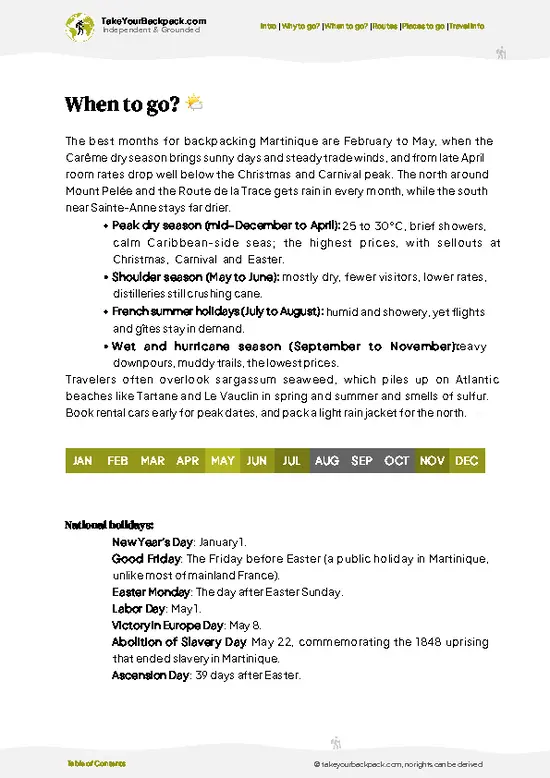
source: climatestotravel.comJANJanuary: excellent for travelingFEBFebruary: excellent for travelingMARMarch: excellent for travelingAPRApril: highly recommended for travelingMAYMay: fair for travelingJUNJune: fair for travelingJULJuly: fair for travelingAUGAugust: fair for travelingSEPSeptember: below average for travelingOCTOctober: fair for travelingNOVNovember: fair for travelingDECDecember: highly recommended for traveling
martinique-city-saint-pierre v1
© Google |

✈️ The backpacker research shortcutMartinique Travel Guide

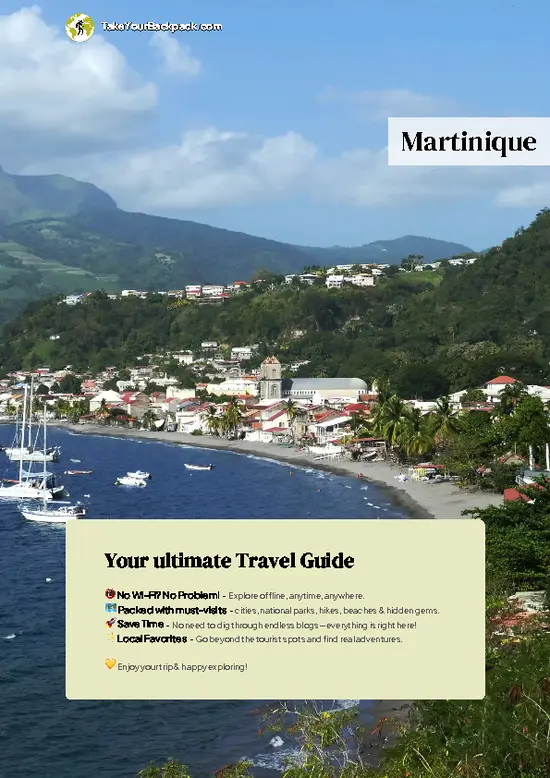
An offline-friendly backpacking guide with optimized travel routes, ranked highlights, transport advice, and the best areas to stay.
example page 0 from our offline Travel Guide for Martiniqueexample page 1 from our offline Travel Guide for Martiniqueexample page 2 from our offline Travel Guide for Martiniqueexample page 3 from our offline Travel Guide for Martiniqueexample page 4 from our offline Travel Guide for Martiniqueexample page 5 from our offline Travel Guide for Martiniqueexample page 6 from our offline Travel Guide for Martiniqueexample page 7 from our offline Travel Guide for Martinique
The digital guide (206 pages) contains:
50 highlights, ranked by travel appeal
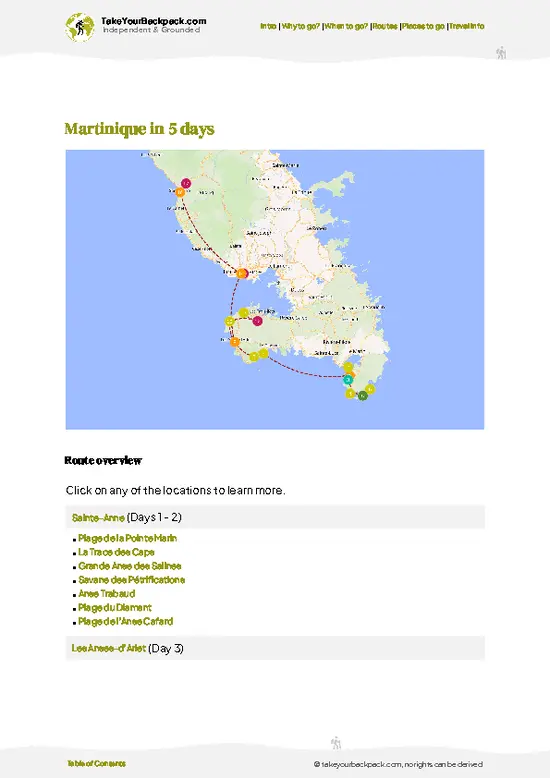
Optimized 2, 3 & 5-day travel routes
Cities, national parks, beaches, historical sites, ...
How to get around
Offline-friendly for travel without Wi-Fi
👉 Click to see all 30+ guide features

📅 Plan smarter in minutes, not weeks
Month by month travel advice
Festivals & national holidays
Budget expectations

🗺️ Go to the right places, skip the overrated ones
Honest pros & cons of destinations
Top hikes, parks & viewpoints
Lesser-known places most travelers miss
Clear “worth it vs skip it” guidance

🛏️ Travel smoothly without rookie mistakes
Best areas to stay
Transport systems explained simply
Common scams & safety advice
SIM cards, money & practical tips

🌍 Understand the country, not just visit it
Culture & traditions
52 Essential phrases & customs
Festivals worth planning around
Traveler-friendly historical context
Insights that make places more meaningful

📱 Built for real travel conditions
Fully downloadable PDF
Works completely offline
Optimized for phone use
Useful in remote areas & buses
Everything in one place
Save weeks of stressful planning
Get instant access to the full guide directly. 30-day money-back guarantee.


Sent to your inbox immediately after payment • 100% Secure Checkout
Best Backpacking Travel Advisor 2025 tourism awardBest Backpacking
Travel Advisor
2025
What others say about Take Your Backpack Guides:
⭐⭐⭐⭐⭐
Fantastic, amazing amount of information!
⭐⭐⭐⭐⭐
My goodness this is amazing, it's what I've been looking for hats off too you!
⭐⭐⭐⭐⭐
I think this is absolutely BRILLIANT
⭐⭐⭐⭐
Very complete and informative. It's still missing places, but I gotta to commend you
⭐⭐⭐⭐⭐
This is truly amazing, thank you, can't wait to explore it with my kids!
⭐⭐⭐⭐⭐
Awesome resource, thank you!
⭐⭐⭐⭐⭐
This is amazing! Can't wait to explore the ones I haven't seen
⭐⭐⭐⭐
I love this! Well done, great idea.
⭐⭐⭐⭐⭐
Thanks for taking the time to make this gem!
⭐⭐⭐⭐⭐
This might be the best website I've ever seen.
⭐⭐⭐⭐⭐
Congratulations, and thank you so much for your work; it's incredibly valuable.
⭐⭐⭐⭐
In all seriousness I think you did a great job pointing out the important spots
⭐⭐⭐⭐⭐
10/10 very good
⭐⭐⭐⭐⭐
As someone who's only just starting to visit regularly this is awesome, thank you.
⭐⭐⭐⭐
Thank you very much! I'm going to visit my dad, it's going to be very useful!
⭐⭐⭐⭐⭐
This is really cool! We'll be travelling for the first time and this definitely come in handy.
⭐⭐⭐⭐⭐
You are now our minister of culture, congratulations 👨‍💼
⭐⭐⭐⭐⭐
Just wanted to tell you that this is a pearl! Going to follow your recommendations.
⭐⭐⭐⭐⭐
This is so cool. I'll definitely be using the resource for my travels soon.
⭐⭐⭐⭐⭐
This is very impressive! Good work.
⭐⭐⭐⭐⭐
This is an amazing and informative site. Very well done!

🛏️ Where to stay?Choosing the right base

Saint-Pierre’s heartbeat for backpackers pulses strongest in the downtown district, where the streets hum with local life and the scent of fresh bread mingles with salty sea air. This area is your best bet for safety and social energy. It’s compact enough to wander on foot, so you’re never far from a lively café or a market stall selling tropical fruit. The vibe here is relaxed but engaging—think locals chatting over coffee, street musicians tuning up, and the occasional burst of laughter from a nearby bar.

Compared to the quieter residential zones or the more tourist-heavy waterfront, downtown … read more 👉
Saint-Pierre’s heartbeat for backpackers pulses strongest in the downtown district, where the streets hum with local life and the scent of fresh bread mingles with salty sea air. This area is your best bet for safety and social energy. It’s compact enough to wander on foot, so you’re never far from a lively café or a market stall selling tropical fruit. The vibe here is relaxed but engaging—think locals chatting over coffee, street musicians tuning up, and the occasional burst of laughter from a nearby bar.

Compared to the quieter residential zones or the more tourist-heavy waterfront, downtown offers a genuine slice of Martinique’s culture without the inflated prices. Hostels and budget guesthouses cluster here, creating a natural meeting point for solo travelers and groups alike. You’ll find common rooms where conversations spark easily, and the atmosphere encourages swapping stories over a cold Ti’ Punch.

Staying here means you’re plugged into the town’s rhythm, with easy access to the ruins and beaches just a short ride away. It’s the kind of place where the light shifts golden in the late afternoon, and you feel the island’s pulse sync with your own.

🚌 Getting aroundTransportation options and practical tips

Saint-Pierre moves at its own rhythm — a blend of laid-back island time and the practical pulse of a working port town. The air carries the salty tang of the sea mixed with the faint aroma of roasting coffee from local cafés. Streets hum with scooters and chatter, but there’s no rush here, just a steady flow that invites you to slow down and sync with the island’s pace. It’s not a place for rigid timetables; instead, you’ll find a dance between scheduled services and spontaneous local rides, where knowing when to wait and when to hop on is part of the game.


  • Walking: Saint-Pierre’s compact center is best explored on foot. The cobblestone streets and colorful Creole houses reveal their charm up close, and walking lets you catch the scent of frangipani and hear the distant calls of fishermen.
read more 👉
Saint-Pierre moves at its own rhythm — a blend of laid-back island time and the practical pulse of a working port town. The air carries the salty tang of the sea mixed with the faint aroma of roasting coffee from local cafés. Streets hum with scooters and chatter, but there’s no rush here, just a steady flow that invites you to slow down and sync with the island’s pace. It’s not a place for rigid timetables; instead, you’ll find a dance between scheduled services and spontaneous local rides, where knowing when to wait and when to hop on is part of the game.


  • Walking: Saint-Pierre’s compact center is best explored on foot. The cobblestone streets and colorful Creole houses reveal their charm up close, and walking lets you catch the scent of frangipani and hear the distant calls of fishermen. Most sights, markets, and eateries are within a 20-minute stroll, making this the cheapest and most immersive transit option.


  • Local Bus (Car Jaune): The island’s yellow buses run from early morning (around 6:30 AM) until early evening (about 6 PM). They’re slow but reliable, connecting Saint-Pierre with nearby villages. Tickets cost just a couple of euros, perfect for budget travelers who want to see beyond the town without breaking the bank. Expect a bumpy ride with frequent stops, but the views of volcanic landscapes and sugarcane fields make it worth it.


  • Shared Taxis (Taxi Collectif): These operate on flexible routes and schedules, filling up before departure. They’re faster than buses and run until late evening, costing slightly more but still affordable. The key is to be ready to jump in when you see one — locals flag them down with a wave. It’s a social experience, often packed but efficient, and a great way to meet islanders.


  • Rental Scooters: For those comfortable on two wheels, scooters offer freedom to explore at your own pace. Rentals start around €20 per day, with helmets mandatory. The island’s winding roads and coastal views reward the brave, but watch for sudden weather changes and narrow lanes. This option is best for confident riders who want to escape the town’s core and chase sunsets.


  • Ferries to Nearby Islands: While not daily, ferries connect Saint-Pierre to smaller islands like Les Saintes. They run mostly in the morning and early afternoon, with tickets around €10-15. Booking ahead is smart during high season. The ride is short but scenic, with the sea breeze and island silhouettes setting the tone for a day trip beyond the main island.

👛 Costs (as of 22 February 2026)Travel costs and budget guide for Saint-Pierre

Backpacking in Saint-Pierre, Martinique, means balancing the island’s laid-back charm with practical costs that reflect its Caribbean location and French influence.
  • Dorm Accommodation: Expect to pay around €20-€35 per night for a bed in a basic hostel dorm. Options are limited here, so prices lean a bit higher than typical Caribbean spots, reflecting the French Caribbean’s standard. Booking ahead is smart, especially in peak season.
  • Meals: Street food and local eateries offer meals for about €6-€12. Grabbing a quick lunch of accras (fried fish cakes) or a sandwich from a boulangerie keeps costs low, while a sit-down dinner with fresh seafood or Creole dishes can push closer to €15-€20.
  • Local Transport: Public buses are sparse and irregular, so budget around €5-€10 daily for taxis or shared
read more 👉
Backpacking in Saint-Pierre, Martinique, means balancing the island’s laid-back charm with practical costs that reflect its Caribbean location and French influence.
  • Dorm Accommodation: Expect to pay around €20-€35 per night for a bed in a basic hostel dorm. Options are limited here, so prices lean a bit higher than typical Caribbean spots, reflecting the French Caribbean’s standard. Booking ahead is smart, especially in peak season.
  • Meals: Street food and local eateries offer meals for about €6-€12. Grabbing a quick lunch of accras (fried fish cakes) or a sandwich from a boulangerie keeps costs low, while a sit-down dinner with fresh seafood or Creole dishes can push closer to €15-€20.
  • Local Transport: Public buses are sparse and irregular, so budget around €5-€10 daily for taxis or shared minibuses. Renting a scooter or bicycle is a popular, cost-effective way to get around, typically €15-€25 per day, giving you freedom without the hassle of unreliable schedules.
  • Basic Activities/Entry Fees: Many natural attractions like beaches and hiking trails are free or cost just a few euros. Visiting the volcanic ruins or local museums usually costs €3-€7. Guided tours or boat trips start around €30, so plan accordingly if you want that extra layer of insight.
  • Miscellaneous Expenses: Include about €3-€7 for essentials like bottled water, snacks, or occasional coffee. Wi-Fi access in cafes or accommodations is generally free but can be patchy, so a local SIM card for around €10-€15 can be a worthwhile investment for connectivity.

Saint-Pierre’s daily backpacking budget typically falls between €40 and €70. This range covers the essentials without skimping on comfort or local flavor, letting you soak in the island’s volcanic history and coastal vibe without constant money stress.


source: martinique.org
⚠️ Prices can change and everyone travels differently, so take this as a rough guide. Hope it helps you plan your adventure!

🚌 Day tripsExploring the surroundings

Saint-Pierre is a backpacker’s dream base, offering a rich tapestry of experiences just a stone’s throw away. The town itself is steeped in history, with the haunting ruins of its volcanic past setting the stage for your adventures.

1. Mount Pelée Hike
This isn’t just a hike; it’s a journey into the heart of Martinique’s volcanic landscape. The trail winds through lush rainforest, where the air is thick with the scent of damp earth and wild orchids. Expect to spend about 4-5 hours on the ascent, with a total cost of around $10 for transportation. The best time to tackle this is early morning, when the mist clings to the mountain and the sun peeks through the trees. A common mistake? Underestimating the weather—bring layers, as it can shift from sunny to chilly in a heartbeat.


2. Anse read more 👉
Saint-Pierre is a backpacker’s dream base, offering a rich tapestry of experiences just a stone’s throw away. The town itself is steeped in history, with the haunting ruins of its volcanic past setting the stage for your adventures.

1. Mount Pelée Hike
This isn’t just a hike; it’s a journey into the heart of Martinique’s volcanic landscape. The trail winds through lush rainforest, where the air is thick with the scent of damp earth and wild orchids. Expect to spend about 4-5 hours on the ascent, with a total cost of around $10 for transportation. The best time to tackle this is early morning, when the mist clings to the mountain and the sun peeks through the trees. A common mistake? Underestimating the weather—bring layers, as it can shift from sunny to chilly in a heartbeat.


2. Anse Couleuvre Beach
A hidden slice of paradise, Anse Couleuvre is a black sand beach that feels like a world away. It takes about 30 minutes to reach by bus, costing around $3. The beach is best enjoyed in the afternoon when the sun casts a golden glow over the waves. Pack a picnic; the local food stalls are sparse. First-timers often miss the trail leading to the beach—look for the small signpost near the road.
👉 Explore Anse Couleuvre

3. La Savane des Esclaves
Dive into the island’s history at this cultural site that tells the story of slavery in Martinique. The visit takes about 2-3 hours, and entry is around $10. The best time to go is in the morning when the heat is manageable, and the guides are eager to share their knowledge. A common pitfall is rushing through; take your time to absorb the stories and artifacts.


4. Fort de France
Just a short bus ride away, Fort de France offers a vibrant market scene and a taste of local life. The journey takes about 30 minutes and costs around $2. Aim for a Saturday morning visit to catch the bustling market at its peak. Many first-timers overlook the local cuisine available at the market—don’t skip the accras (fried cod fritters) and fresh fruit juices.


Each of these trips offers a unique flavor of Martinique, making your stay in Saint-Pierre not just a stopover, but a gateway to unforgettable experiences.
Want to know what more Martinique offers?
The Martinique Travel Guide describes 50 highlights, from cities to national parks, from beaches to hikes

Get the Travel Guide -

🛡️ SafetyStaying Safe: What Travelers Should Know

Saint-Pierre, Martinique, is generally safe, but a few practical tips can enhance your experience. The waterfront area is lively during the day, but as the sun sets, it’s wise to stick to well-lit streets and avoid wandering too far into quieter neighborhoods. If you’re solo, keep your belongings close and be aware of your surroundings, especially when enjoying a late-night rum punch at a local bar.

While scams are rare, some vendors may try to upsell you on tours or souvenirs. Approach purchases with a discerning eye; if something feels off, trust your instincts. Everyday annoyances like aggressive street vendors can be managed with a polite but firm “non, merci.”

The atmosphere is relaxed, but maintaining a confident demeanor goes a long way. Engage with locals, but don’t feel pressured … read more 👉
Saint-Pierre, Martinique, is generally safe, but a few practical tips can enhance your experience. The waterfront area is lively during the day, but as the sun sets, it’s wise to stick to well-lit streets and avoid wandering too far into quieter neighborhoods. If you’re solo, keep your belongings close and be aware of your surroundings, especially when enjoying a late-night rum punch at a local bar.

While scams are rare, some vendors may try to upsell you on tours or souvenirs. Approach purchases with a discerning eye; if something feels off, trust your instincts. Everyday annoyances like aggressive street vendors can be managed with a polite but firm “non, merci.”

The atmosphere is relaxed, but maintaining a confident demeanor goes a long way. Engage with locals, but don’t feel pressured to buy. Enjoy the vibrant culture, and let the rhythm of Saint-Pierre guide you through its charming streets.

Other Martinican towns near Saint-Pierre

Explore more nearby:

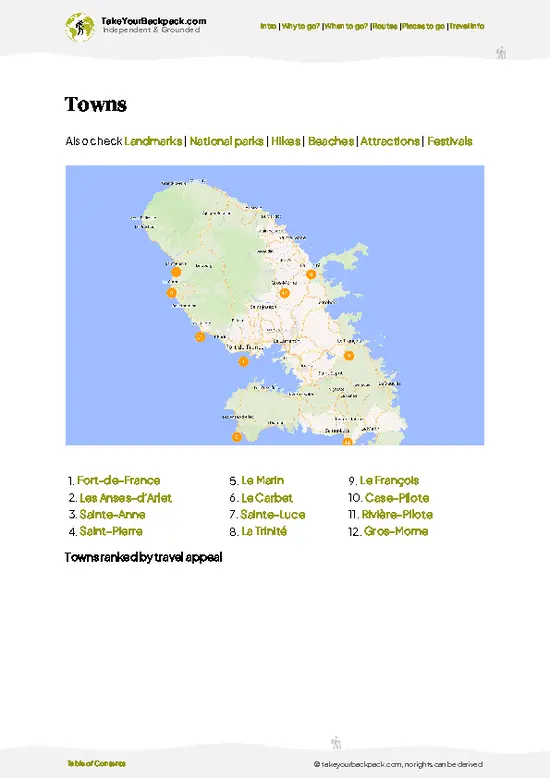
  • Le Carbet—black sand beach, Paul Gauguin history, seaside bars| 4 km away
  • Case-Pilote—fishing port, volcanic coastline, small harbor| 12 km away
  • Gros-Morne—mountain views, rural trails, banana plantations| 19 km away

👉 Discover all towns

Or checkout all Martinique has to offer (think cities, towns, villages, national parks, hikes, beaches, festivals)
Country photo of Martinique

We 💚 feedbackSumming up the experience

Saint-Pierre has a vibe that’s both haunting and beautiful. The ruins of the old city tell stories that linger in the salty air, especially at sunset when the light dances on the remnants. Don’t miss the local rum distilleries; the surprise of tasting fresh cane juice is a game changer. Just a heads-up: the roads can be tricky, so take it slow. Embrace the journey; the payoff is worth every bump along the way.

✍️ Help improve this page!
The information on this page is based on in-depth research, insights shared by experienced travelers, and feedback from the local travel community in Martinique. While every effort is made to keep the information accurate and current, conditions can change — so if you spot anything incorrect or outdated, please get in touch.


🙋‍♂️ Give feedback

👋 Meet the founderWho’s Behind Take Your Backpack?

Johan, backpacker and founder of TakeYourBackpackHi, I’m Johan (Netherlands 🇳🇱), the creator of TakeYourBackpack. Over the past decade, I’ve backpacked through 80+ countries across six continents, gaining extensive experience with independent travel, long-term trips, and overland routes.

This site is built on a combination of firsthand travel experience and carefully curated insights from other backpackers. Many guides are based on places I’ve personally visited, while others bring together tips, observations, and practical advice shared by trusted travelers I’ve met along the way.

The goal is to provide realistic, experience-driven guidance — not generic itineraries — so you can explore destinations with better context, clearer expectations, and more confidence.

Get full Martinique guide •
Instant download • 50 highlights • Full Offline guide