×

Mauritania🇲🇷 | festivalsFestival of the Desertsand dunes, nomadic tents, traditional music | things to do and best time to go

Explore Festival of Ancient CitiesExplore Festival of the Camel

Backpacking in of the Desert
🏆 Top pickfestival ranked #1
By Johan Kruseman 🇳🇱 | Updated May 25, 2026

Sand grits between your teeth as the drumbeat ricochets off the dunes—your boots half-buried, sweat stinging your eyes, the air thick with woodsmoke and the metallic tang of tea. This is not a festival you stumble into by accident. The Festival of the Desert—once held near Timbuktu, now reborn in the shifting sands outside Chinguetti, Mauritania—demands intention. It’s a gathering of Tuareg musicians, griots, and nomads, where electric guitars snarl alongside ancient lutes and the music rides the wind until sunrise. Backpackers show up for the rawness: no VIP lounges, no curated Instagram moments, just the pulse of Saharan blues and the camaraderie of travelers who’ve earned every blister. The crowd is a mix of locals, die-hard music pilgrims, and the occasional diplomat—everyone here for the trance, the storytelling, the sense that you’re part of something precarious and rare. It’s worth it if you crave authenticity and can handle the grit. If you want comfort, keep moving.

Discover everything you want to know in the 📖 Mauritania Travel Guide.
Safety warning

The current risk level for Mauritania is high. Check the advice before going.


Get your Mauritania guide
63 ranked highlights, routes & tips, works offline (269 pages)
Loading the map 🌍
CLICK TO FILTER
cities
towns
villages
landmarks
national parks
hikes
beaches
attractions
festivals
regions
SHOW COUNTRY’S BESTSHOW ALL

✨ Why go?
Ranked #1 festival in Mauritania
What makes this festival worth celebrating

Backpackers flock to the Festival of the Desert in Mauritania for a reason. It’s not just a festival; it’s a temporary community bursting with social energy. Picture this: musicians from across the Sahara, artisans showcasing their crafts, and locals sharing stories around a fire. You’re not just a spectator; you’re part of something alive and vibrant.

Planning your route around this festival means diving deep into cultural immersion. You’ll experience the rich tapestry of Tuareg traditions, taste local dishes, and dance under the stars. This isn’t just a pit stop; it’s a highlight that transforms your journey.

Affordability is another draw. Compared to similar events worldwide, the Festival of the Desert offers incredible value. You can enjoy a week of music, art, and connection without … read more 👉
Backpackers flock to the Festival of the Desert in Mauritania for a reason. It’s not just a festival; it’s a temporary community bursting with social energy. Picture this: musicians from across the Sahara, artisans showcasing their crafts, and locals sharing stories around a fire. You’re not just a spectator; you’re part of something alive and vibrant.

Planning your route around this festival means diving deep into cultural immersion. You’ll experience the rich tapestry of Tuareg traditions, taste local dishes, and dance under the stars. This isn’t just a pit stop; it’s a highlight that transforms your journey.

Affordability is another draw. Compared to similar events worldwide, the Festival of the Desert offers incredible value. You can enjoy a week of music, art, and connection without breaking the bank.

Integrating this festival into your longer travel plans makes perfect sense. It’s a chance to recharge your spirit while exploring the stunning landscapes of the Sahara. So, map it out, pack your gear, and get ready to embrace the rhythm of the desert. This is where the adventure truly begins.
Want to include Festival of the Desert in your Mauritania route?
Create a personalized Mauritania itinerary that includes Festival of the Desert and the places that fit your trip — based on your travel style, budget, and available time. Get your route in seconds.

Generate my trip

💡 HighlightsEssential experiences to have while celebrating the of the Desert

  • Saharan music and live performances — Nights filled with hypnotic rhythms and stringed-instrument blues rooted in Tuareg and Moorish traditions. The soundscape is raw and immediate: call-and-response vocals, hand drums and electric guitar weaving into trance-like sets that truly feel born of the sand.
  • Camel caravans, races and nomad displays — Watching decorated camels, speed races, and traditional caravan processions ties the festival back to centuries of desert travel. It’s a hands-on way to see how nomadic life still shapes local identity, plus great photo ops of riders in flowing robes against dune silhouettes.
  • Oral poetry, storytelling and griot performances — Long before social media, the desert communicated through songs and stories. Poets and storytellers recite epic histories,
read more 👉
  • Saharan music and live performances — Nights filled with hypnotic rhythms and stringed-instrument blues rooted in Tuareg and Moorish traditions. The soundscape is raw and immediate: call-and-response vocals, hand drums and electric guitar weaving into trance-like sets that truly feel born of the sand.
  • Camel caravans, races and nomad displays — Watching decorated camels, speed races, and traditional caravan processions ties the festival back to centuries of desert travel. It’s a hands-on way to see how nomadic life still shapes local identity, plus great photo ops of riders in flowing robes against dune silhouettes.
  • Oral poetry, storytelling and griot performances — Long before social media, the desert communicated through songs and stories. Poets and storytellers recite epic histories, love poems and moral parables; the performances are intimate and often improvised, so you get a genuine cultural exchange rather than a tourist show.
  • Camp life, sunsets and starry nights — Tented desert camps are where the festival breathes: communal meals, late-night tea rituals and firelit conversations under an endless sky. The sundown colors and unbelievably clear stars make the whole place feel both enormous and strangely close.
  • Local crafts, markets and food — Row upon row of silverwork, leather goods, woven textiles, and salt and date stalls. Try mint tea, grilled meats or a camel dish, and take home handmade jewelry or a rug—each piece carries a local story and supports small makers.
Spotted a mistake or missing something? Contact us.

Things to do near Festival of the Desert

Ratings based on Tripadvisor reviews. When you book through this link, you support our work at no extra cost to you.

🌤️ When to go?When is the celebration of Festival of the Desert?


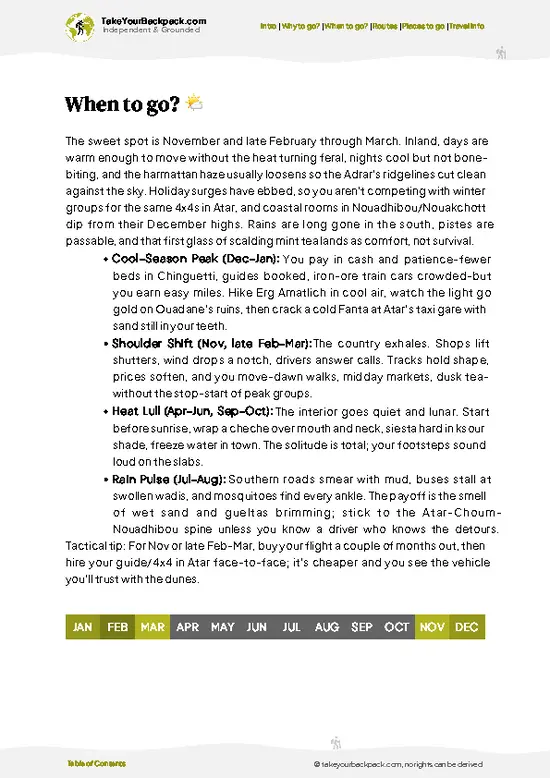
  • Weather: The Festival of the Desert thrives in the cooler months, typically January to March. Temperatures drop to a manageable 15-25°C (59-77°F), a relief from the brutal desert heat that can soar above 40°C (104°F) in summer. This window keeps you energized, not fried.

  • Temperature: Nights can dip sharply, sometimes near 5°C (41°F), so pack layers. Daytime warmth invites exploration without the sweat-drenched exhaustion that ruins the vibe.

  • Daylight Hours: With roughly 10-11 hours of daylight, you get enough time to soak in performances and desert landscapes without rushing, but not so much that the sun drains your stamina.

  • Crowds: Peak festival season draws a lively crowd, but it’s not overwhelming. Arriving early or staying late can offer quieter moments to connect with locals
read more 👉

  • Weather: The Festival of the Desert thrives in the cooler months, typically January to March. Temperatures drop to a manageable 15-25°C (59-77°F), a relief from the brutal desert heat that can soar above 40°C (104°F) in summer. This window keeps you energized, not fried.

  • Temperature: Nights can dip sharply, sometimes near 5°C (41°F), so pack layers. Daytime warmth invites exploration without the sweat-drenched exhaustion that ruins the vibe.

  • Daylight Hours: With roughly 10-11 hours of daylight, you get enough time to soak in performances and desert landscapes without rushing, but not so much that the sun drains your stamina.

  • Crowds: Peak festival season draws a lively crowd, but it’s not overwhelming. Arriving early or staying late can offer quieter moments to connect with locals and the desert’s raw pulse.

  • Seasonal Activities: The festival coincides with camel races, traditional music, and crafts markets at their liveliest. Outside this period, these cultural highlights fade, leaving a quieter, less immersive experience.

  • Price Fluctuations: Expect accommodation and transport costs to spike during the festival. Booking early locks in better rates; waiting risks inflated prices and limited options.


Pro-tip: Time your visit for late January to early February—cool enough to move fast, packed with action, and before the peak price surge hits full throttle.


source: climatestotravel.comJANJanuary: excellent for travelingFEBFebruary: not recommended for travelingMARMarch: not recommended for travelingAPRApril: not recommended for travelingMAYMay: not recommended for travelingJUNJune: not recommended for travelingJULJuly: not recommended for travelingAUGAugust: not recommended for travelingSEPSeptember: not recommended for travelingOCTOctober: not recommended for travelingNOVNovember: not recommended for travelingDECDecember: not recommended for traveling

✈️ The backpacker research shortcutMauritania Travel Guide

An offline-friendly backpacking guide with optimized travel routes, ranked highlights, transport advice, and the best areas to stay.
example page 0 from our offline Travel Guide for Mauritania
example page 1 from our offline Travel Guide for Mauritania
example page 2 from our offline Travel Guide for Mauritania
example page 3 from our offline Travel Guide for Mauritania
example page 4 from our offline Travel Guide for Mauritania
example page 5 from our offline Travel Guide for Mauritania
example page 6 from our offline Travel Guide for Mauritania
example page 7 from our offline Travel Guide for Mauritania
The digital guide (269 pages) contains:
63 highlights, ranked by travel appeal
Optimized 5, 10 & 15-day travel routes
Cities, national parks, landmarks, beaches
How to get around
Offline-friendly for travel without Wi-Fi
👉 Click to see all 30+ guide features

📅 Plan smarter in minutes, not weeks
Month by month travel advice
Festivals & national holidays
Budget expectations

🗺️ Go to the right places, skip the overrated ones
Honest pros & cons of destinations
Top hikes, parks & viewpoints
Lesser-known places most travelers miss
Clear “worth it vs skip it” guidance

🛏️ Travel smoothly without rookie mistakes
Best areas to stay
Transport systems explained simply
Common scams & safety advice
SIM cards, money & practical tips

🌍 Understand the country, not just visit it
Culture & traditions
52 Essential phrases & customs
Festivals worth planning around
Traveler-friendly historical context
Insights that make places more meaningful

📱 Built for real travel conditions
Fully downloadable PDF
Works completely offline
Optimized for phone use
Useful in remote areas & buses
Everything in one place
Save weeks of stressful planning
Get instant access to your full guide. 30‑day money-back guarantee.


By proceeding you agree to our terms.
Sent to your inbox immediately after payment • 100% Secure Checkout
Best Backpacking Travel Advisor 2025 tourism awardBest Backpacking
Travel Advisor
2025
What others say about Take Your Backpack Guides:
⭐⭐⭐⭐⭐
Fantastic, amazing amount of information!
⭐⭐⭐⭐⭐
My goodness this is amazing, it's what I've been looking for hats off too you!
⭐⭐⭐⭐⭐
I think this is absolutely BRILLIANT
⭐⭐⭐⭐
Very complete and informative. It's still missing places, but I gotta to commend you
⭐⭐⭐⭐⭐
This is truly amazing, thank you, can't wait to explore it with my kids!
⭐⭐⭐⭐⭐
Awesome resource, thank you!
⭐⭐⭐⭐⭐
This is amazing! Can't wait to explore the ones I haven't seen
⭐⭐⭐⭐
I love this! Well done, great idea.
⭐⭐⭐⭐⭐
Thanks for taking the time to make this gem!
⭐⭐⭐⭐⭐
This might be the best website I've ever seen.
⭐⭐⭐⭐⭐
Congratulations, and thank you so much for your work; it's incredibly valuable.
⭐⭐⭐⭐
In all seriousness I think you did a great job pointing out the important spots
⭐⭐⭐⭐⭐
10/10 very good
⭐⭐⭐⭐⭐
As someone who's only just starting to visit regularly this is awesome, thank you.
⭐⭐⭐⭐
Thank you very much! I'm going to visit my dad, it's going to be very useful!
⭐⭐⭐⭐⭐
This is really cool! We'll be travelling for the first time and this definitely come in handy.
⭐⭐⭐⭐⭐
You are now our minister of culture, congratulations 👨‍💼
⭐⭐⭐⭐⭐
Just wanted to tell you that this is a pearl! Going to follow your recommendations.
⭐⭐⭐⭐⭐
This is so cool. I'll definitely be using the resource for my travels soon.
⭐⭐⭐⭐⭐
This is very impressive! Good work.
⭐⭐⭐⭐⭐
This is an amazing and informative site. Very well done!

🛏️ Where to stay?Choosing the right base

When you’re gearing up for the Festival of the Desert in Mauritania, your choice of where to stay can make or break your experience. Head to Ouadane. This ancient town, with its crumbling adobe structures, offers a unique vibe. It’s a hub for backpackers, buzzing with stories and laughter. You’ll find fellow travelers eager to share tips and experiences. The communal atmosphere here is electric, perfect for solo adventurers looking to connect.

Next, consider Chinguetti. Known for its historic libraries and stunning dunes, it’s a magnet for those seeking culture and camaraderie. The local guesthouses … read more 👉
When you’re gearing up for the Festival of the Desert in Mauritania, your choice of where to stay can make or break your experience. Head to Ouadane. This ancient town, with its crumbling adobe structures, offers a unique vibe. It’s a hub for backpackers, buzzing with stories and laughter. You’ll find fellow travelers eager to share tips and experiences. The communal atmosphere here is electric, perfect for solo adventurers looking to connect.

Next, consider Chinguetti. Known for its historic libraries and stunning dunes, it’s a magnet for those seeking culture and camaraderie. The local guesthouses are welcoming, often run by families who love sharing their traditions. You’ll feel safe and at home, with the added bonus of meeting like-minded explorers.

Lastly, Atar is your gateway. It’s a bustling town where you can stock up on supplies and meet other festival-goers. The energy here is palpable, with markets alive with color and sound. Choose a place near the center to soak in the local life and make it easy to catch rides to the festival.

Avoid the tourist traps; stick to these areas for a rich experience that fuels your adventure without draining your wallet.

👛 Costs (as of 22 May 2025)How expensive it really is

The Festival of the Desert in Mauritania is an exhilarating experience, but knowing the costs upfront can save you from unexpected surprises. Here’s a breakdown to keep your adventure smooth and your budget intact.
  • Festival Tickets: Expect to pay around €20 to €50 for a ticket. Prices can vary based on the day and events you want to attend. Buying in advance might save you some cash, so don’t wait until the last minute.
  • Accommodation: Options range from basic campsites to more comfortable lodges. Budget around €10 to €30 per night for a tent or shared space. If you prefer a private room, be prepared to spend €40 to €80. Booking early can help you snag the best spots.
  • Local Transport: Getting around can be tricky. Expect to pay about €5 to €15 for shared taxis or buses to and from the festival
read more 👉
The Festival of the Desert in Mauritania is an exhilarating experience, but knowing the costs upfront can save you from unexpected surprises. Here’s a breakdown to keep your adventure smooth and your budget intact.
  • Festival Tickets: Expect to pay around €20 to €50 for a ticket. Prices can vary based on the day and events you want to attend. Buying in advance might save you some cash, so don’t wait until the last minute.
  • Accommodation: Options range from basic campsites to more comfortable lodges. Budget around €10 to €30 per night for a tent or shared space. If you prefer a private room, be prepared to spend €40 to €80. Booking early can help you snag the best spots.
  • Local Transport: Getting around can be tricky. Expect to pay about €5 to €15 for shared taxis or buses to and from the festival site. If you’re venturing further, consider budgeting €30 to €50 for longer trips. Always confirm prices before hopping in.
  • Food & Drinks: Street food is your best friend here. You can enjoy meals for as little as €3 to €10. If you opt for sit-down restaurants, budget around €10 to €20 per meal. Water and soft drinks will add another €1 to €3 each, so keep that in mind.
  • Miscellaneous Expenses: This includes souvenirs, tips, and any unexpected costs. Set aside about €20 to €50 for these extras. It’s always good to have a buffer for those spontaneous moments that make travel special.

Being prepared with these estimates will help you focus on the rhythm of the festival rather than the stress of your wallet. Enjoy the music, the culture, and the vibrant atmosphere without the nagging worry of hidden costs.
⚠️ Prices can change and everyone travels differently, so take this as a rough guide. Hope it helps you plan your adventure!

🍲 FoodLocal Cuisine & Drinks

At the Festival of the Desert in Mauritania, food and drink are as much a part of the experience as the music and dance. You’ll find local specialties like tagine, a slow-cooked stew bursting with spices, and couscous, fluffy and often served with tender meat or vegetables. Don’t miss out on mechoui, whole roasted lamb that’s tender and smoky, perfect for sharing with fellow festival-goers.

Stalls are scattered throughout, each offering a taste of the region. Grab a bowl of harira, a hearty soup that warms you up after a day of exploring. For drinks, mint tea is a must—sweet, refreshing, and a staple of Mauritanian hospitality. You might also stumble upon local juices, vibrant and made from seasonal fruits, providing a burst of energy.

When it comes to etiquette, sharing is key. Don’t be … read more 👉
At the Festival of the Desert in Mauritania, food and drink are as much a part of the experience as the music and dance. You’ll find local specialties like tagine, a slow-cooked stew bursting with spices, and couscous, fluffy and often served with tender meat or vegetables. Don’t miss out on mechoui, whole roasted lamb that’s tender and smoky, perfect for sharing with fellow festival-goers.

Stalls are scattered throughout, each offering a taste of the region. Grab a bowl of harira, a hearty soup that warms you up after a day of exploring. For drinks, mint tea is a must—sweet, refreshing, and a staple of Mauritanian hospitality. You might also stumble upon local juices, vibrant and made from seasonal fruits, providing a burst of energy.

When it comes to etiquette, sharing is key. Don’t be surprised if someone offers you a taste from their plate; it’s a sign of friendship. Lines can get long, so be patient and ready to engage with locals. Cash is king here; many stalls won’t accept cards, so stock up on local currency. Serving sizes can be generous, so consider splitting dishes to savor more flavors without overdoing it. Embrace the chaos, and let the festival’s spirit guide your culinary adventure!

Other Mauritanian festivals near of the Desert

Explore more nearby:


💡 Not sure where to go next?
Create a personalized itinerary for Mauritania including of the Desert and the places that fit your trip.

Generate my itinerary

👉 Discover all festivals

Or checkout all Mauritania has to offer (think cities, towns, villages, national parks, hikes, beaches, festivals)
Country photo of Mauritania

We 💚 feedbackWhat to keep in mind

The Festival of the Desert is a wild ride. Picture this: the sun setting over endless dunes, music echoing in the air, and the taste of spiced tagine lingering on your tongue. But here’s the kicker—don’t underestimate the desert nights. They can get frigid. Pack layers to keep your energy up for those late-night jam sessions. The best surprise? The warmth of the locals; their hospitality will blow you away. Embrace the chaos, and let the desert’s rhythm guide you.

✍️ Help improve this page!
The information on this page is based on in-depth research, insights shared by experienced travelers, and feedback from the local travel community in Mauritania. While every effort is made to keep the information accurate and current, conditions can change — so if you spot anything incorrect or outdated, please get in touch.


🙋‍♂️ Give feedback

👋 Meet the founderWho’s Behind Take Your Backpack?

Johan, backpacker and founder of TakeYourBackpackHi, I’m Johan (Netherlands 🇳🇱), the creator of TakeYourBackpack. Over the past decade, I’ve backpacked through 80+ countries across six continents, gaining extensive experience with independent travel, long-term trips, and overland routes.

This site is built on a combination of firsthand travel experience and carefully curated insights from other backpackers. Many guides are based on places I’ve personally visited, while others bring together tips, observations, and practical advice shared by trusted travelers I’ve met along the way.

The goal is to provide realistic, experience-driven guidance — not generic itineraries — so you can explore destinations with better context, clearer expectations, and more confidence.

Get full Mauritania guide •
Instant download • 63 highlights • Full Offline guide