×

Mauritania🇲🇷 | best festivalsExplore the 5 Best festivals in Mauritania

In Mauritania, festivals pulse with the heartbeat of tradition, drawing locals and travelers alike into vibrant celebrations that reflect the country’s rich cultural tapestry. From the Festival of the Desert in the Sahara to the Nouakchott International Film Festival, each event showcases unique regional flavors and seasonal rhythms. Choosing the right festival can transform your backpacking experience, influencing everything from the vibe and crowd size to your budget and safety. For instance, the cooler months attract larger crowds, while summer festivals may offer a more intimate atmosphere but come with the heat. Understanding these nuances ensures a deeper, more immersive journey through Mauritania’s diverse cultural landscape.

By Johan Kruseman 🇳🇱 | Updated September 4, 2026
Explore the best regions in Mauritania

Why go?Understanding Their Importance

Festivals in Mauritania are a vibrant tapestry of cultural significance and historical resonance. Unlike many countries, Mauritania’s festivals are deeply rooted in its nomadic traditions and Islamic heritage, offering a unique lens into the lives of its people. The energy during these events is palpable, with the rhythmic beats of traditional music echoing through the desert, drawing locals and travelers alike into a shared experience.

Timing is crucial. Many festivals align with the seasonal rhythms of the Sahara, often taking place in the cooler months from October to March. This not only enhances the experience but also makes travel more manageable, as the heat can be oppressive during the summer. However, this peak season also means larger crowds, which can dilute the intimacy of the … read more 👉
Festivals in Mauritania are a vibrant tapestry of cultural significance and historical resonance. Unlike many countries, Mauritania’s festivals are deeply rooted in its nomadic traditions and Islamic heritage, offering a unique lens into the lives of its people. The energy during these events is palpable, with the rhythmic beats of traditional music echoing through the desert, drawing locals and travelers alike into a shared experience.

Timing is crucial. Many festivals align with the seasonal rhythms of the Sahara, often taking place in the cooler months from October to March. This not only enhances the experience but also makes travel more manageable, as the heat can be oppressive during the summer. However, this peak season also means larger crowds, which can dilute the intimacy of the experience.

Accessibility can be a challenge. While major festivals attract attention, reaching remote areas often requires significant travel time. This trade-off between immersive experiences and logistical hurdles is essential to consider. The infrastructure may not always support the influx of visitors, impacting comfort and convenience.

Ultimately, the festivals of Mauritania offer a profound connection to its cultural identity. They invite travelers to engage deeply with the local community, but require a willingness to navigate the complexities of timing, accessibility, and crowd dynamics.
Our Approach to Ranking
The list of best festivals in Mauritania is created based on energy, traditions, crowd experience, activities, and overall excitement. If you feel a festival is missing in this list, please let us know.

When to go?Timing Your Visit for the Best Experience

Seasonality plays a crucial role in the festival landscape of Mauritania. The country experiences a hot desert climate, with temperatures soaring in summer. The best time to engage with local festivals is during the cooler months, typically from October to April. This period not only offers more comfortable weather but also aligns with several significant cultural celebrations.

Optimal months for visiting are generally November through March. During these months, the atmosphere is vibrant, with festivals showcasing traditional music, dance, and crafts. The cooler evenings invite gatherings, where the air is filled with the scent of spiced dishes and the sounds of laughter and drums.

Shoulder seasons—October and April—can also be rewarding. While crowds are thinner, the authenticity of the … read more 👉
Seasonality plays a crucial role in the festival landscape of Mauritania. The country experiences a hot desert climate, with temperatures soaring in summer. The best time to engage with local festivals is during the cooler months, typically from October to April. This period not only offers more comfortable weather but also aligns with several significant cultural celebrations.

Optimal months for visiting are generally November through March. During these months, the atmosphere is vibrant, with festivals showcasing traditional music, dance, and crafts. The cooler evenings invite gatherings, where the air is filled with the scent of spiced dishes and the sounds of laughter and drums.

Shoulder seasons—October and April—can also be rewarding. While crowds are thinner, the authenticity of the experience remains intact. However, travelers may encounter unpredictable weather, with lingering heat in October and the possibility of sandstorms in April.

Peak periods can lead to higher costs and larger crowds, especially around major festivals. The energy is palpable, but the experience may feel less intimate. Balancing the excitement of peak events with the tranquility of quieter times can enhance the overall journey, allowing for deeper connections with local culture.

festival hoppingPlanning Your Route Efficiently

Traveling through Mauritania’s festivals requires a strategic approach to maximize the experience. Start by clustering events regionally. The capital, Nouakchott, serves as a central hub, making it a logical starting point. From there, head north to Atar for the Festival of the Desert, where the music and dance pulse with the Saharan spirit. This festival typically lasts three days, so allocate ample time to soak in the atmosphere and explore the surrounding landscapes.

Next, consider heading east to the city of Kiffa for the Festival of the Camel. This event usually spans two days and offers a unique glimpse into local culture. The journey from Atar to Kiffa can be long, so plan for a comfortable overnight stop along the way. This pacing allows for rest and reflection, essential for enjoying read more 👉
Traveling through Mauritania’s festivals requires a strategic approach to maximize the experience. Start by clustering events regionally. The capital, Nouakchott, serves as a central hub, making it a logical starting point. From there, head north to Atar for the Festival of the Desert, where the music and dance pulse with the Saharan spirit. This festival typically lasts three days, so allocate ample time to soak in the atmosphere and explore the surrounding landscapes.

Next, consider heading east to the city of Kiffa for the Festival of the Camel. This event usually spans two days and offers a unique glimpse into local culture. The journey from Atar to Kiffa can be long, so plan for a comfortable overnight stop along the way. This pacing allows for rest and reflection, essential for enjoying the vibrant festivities.

Common pitfalls include trying to cram too many events into a tight schedule. Each festival deserves attention, so prioritize quality over quantity. Balancing energy levels is crucial; some festivals attract larger crowds, which can be overwhelming. Allow flexibility in your itinerary to adapt to local conditions or unexpected delays.

Finally, consider the trade-offs between speed and depth of experience. While it’s tempting to rush from one festival to another, taking the time to engage with locals and savor the unique flavors of each event will yield richer rewards. Embrace the journey, and let the rhythm of Mauritania guide your adventure.

The ListTop festivals of Mauritania

1 Festival of Ancient Cities

medieval ruins, caravan crossroads, Saharan architecture

Trace the legacy of trans-Saharan trade routes while wandering through stone alleys and gathering with locals in storied desert towns.

2 Festival of the Camel

camel races, livestock markets, herder gatherings

Watch skilled riders compete and breeders showcase prized animals, then join herders for tea and stories in the heart of camel country.

3 Chinguetti Book Festival

ancient libraries, manuscript displays, literary talks

Delve into centuries-old texts, meet scholars, and explore the role of books in preserving knowledge at this UNESCO-listed desert town.

4 Nouakchott International Festival

urban performances, contemporary art, citywide events

Engage with Mauritania’s creative scene through concerts, exhibitions, and public art installations spread across the capital’s neighborhoods.

5 Festival of the Oases

palm groves, date harvest, desert gardens

Stroll shaded groves, taste local dates, and witness how oasis life shapes community traditions and agricultural practices in arid lands.

Loading the map 🌍

Expert viewInsights from Locals and Experts

Festival Timing
Mauritania’s festival calendar is a vibrant tapestry woven with cultural threads, but timing is everything. The best months to immerse yourself in local celebrations are from October to April. This period coincides with the cooler, dry season, making it more comfortable for outdoor festivities. Expect to experience a mix of traditional music, dance, and culinary delights. However, be prepared for crowds, especially during major events like the Festival of the Sahara in Atar. Arrive early to secure a good spot, as the energy builds quickly, and the best views can vanish in a heartbeat.

Festival Selection
Aim to experience at least three to four festivals during your visit. Each offers a unique glimpse into Mauritania’s rich cultural heritage. The Festival of the Sahara is … read more 👉
Festival Timing
Mauritania’s festival calendar is a vibrant tapestry woven with cultural threads, but timing is everything. The best months to immerse yourself in local celebrations are from October to April. This period coincides with the cooler, dry season, making it more comfortable for outdoor festivities. Expect to experience a mix of traditional music, dance, and culinary delights. However, be prepared for crowds, especially during major events like the Festival of the Sahara in Atar. Arrive early to secure a good spot, as the energy builds quickly, and the best views can vanish in a heartbeat.

Festival Selection
Aim to experience at least three to four festivals during your visit. Each offers a unique glimpse into Mauritania’s rich cultural heritage. The Festival of the Sahara is a must for its breathtaking performances and local crafts. The Mauritania International Film Festival showcases emerging filmmakers and provides a different lens on local life. Balancing these experiences can be tricky; some festivals may overlap, so prioritize based on your interests. If you’re drawn to music, don’t miss the vibrant sounds of the Festival of the Sahara, but if you’re a film buff, the International Film Festival might take precedence.

Cultural Context
Understanding the cultural significance of these festivals enhances your experience. Many celebrations are deeply rooted in local traditions, often reflecting the nomadic lifestyle of the Saharan tribes. For instance, the Festival of the Sahara not only showcases music but also highlights the importance of storytelling in preserving history. Engage with locals; they often appreciate visitors who show genuine interest in their culture. However, be mindful of cultural sensitivities. Dress modestly and respect local customs, especially during religious observances.

Infrastructure and Travel Constraints
Mauritania’s infrastructure can be a challenge. Roads may be unpaved, and public transport is limited. Expect to spend time navigating logistics, especially if you’re traveling between festival sites. Renting a 4x4 vehicle can be a game-changer, giving you the freedom to explore remote areas at your own pace. Budget for this, as it can add to your overall costs. Accommodations range from basic guesthouses to more comfortable hotels, but options may be limited in rural areas. Plan ahead to avoid last-minute scrambles.

Safety Considerations
Safety is paramount. While many areas are welcoming, some regions may pose risks due to political instability or crime. Stay informed about local conditions and avoid traveling alone at night. When attending festivals, keep your belongings secure and be aware of your surroundings. Engaging with local guides can enhance your experience and provide an extra layer of safety. They can offer insights into the best spots to enjoy the festivities while keeping you informed about any potential risks.

Budget and Comfort
Expect to spend a moderate amount on festival experiences, but remember that the value lies in the connections you make and the stories you gather. Street food is often delicious and affordable, but if you prefer comfort, budget for meals at local restaurants. The trade-off here is between experiencing authentic local cuisine and ensuring a more comfortable dining environment. Ultimately, the richness of the experience is worth the investment.

In summary, Mauritania’s festivals are a gateway to understanding its culture. With careful planning, an open mind, and a willingness to embrace the unexpected, you’ll find that the grit of the journey is as rewarding as the celebrations themselves.

✈️ The backpacker research shortcutMauritania Travel Guide

An offline-friendly backpacking guide with optimized travel routes, ranked highlights, transport advice, and the best areas to stay.
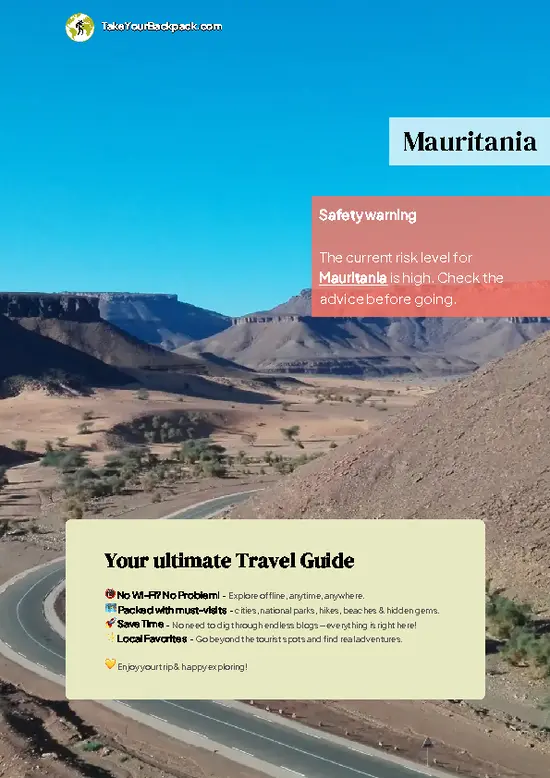
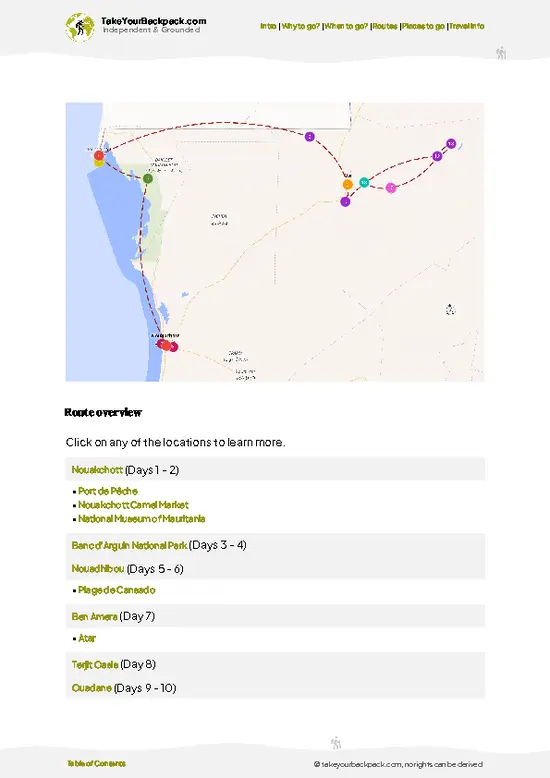
example page 0 from our offline Travel Guide for Mauritania
example page 1 from our offline Travel Guide for Mauritania
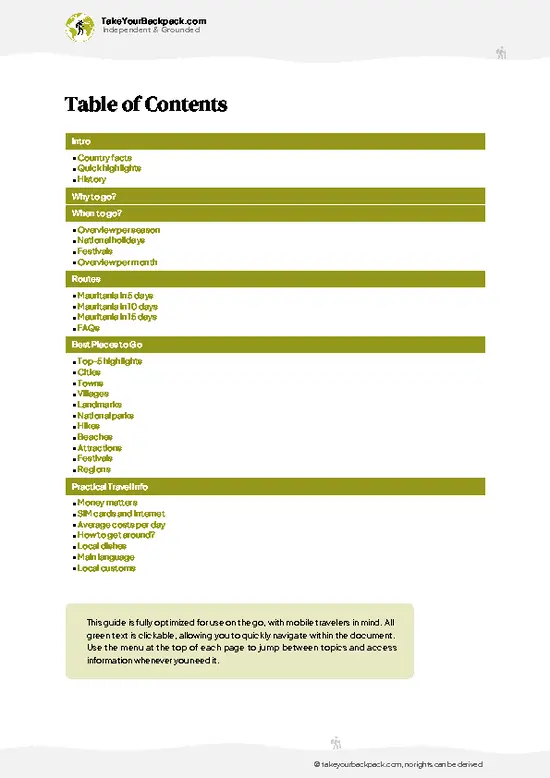
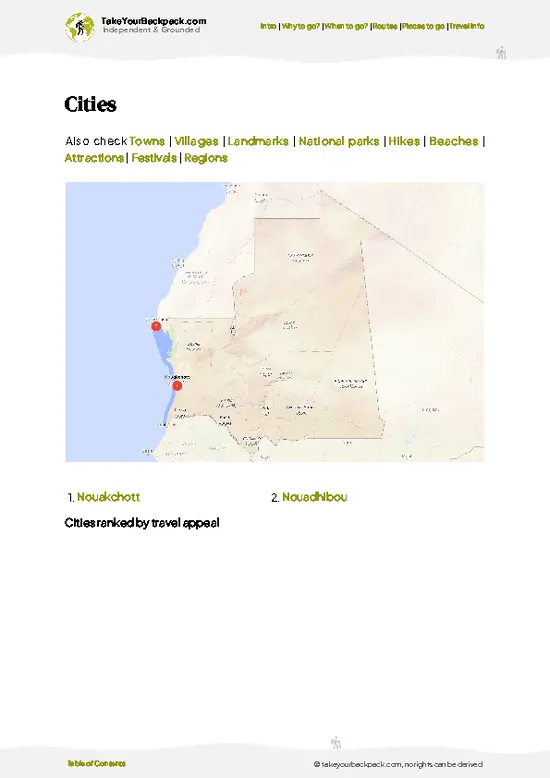
example page 2 from our offline Travel Guide for Mauritania
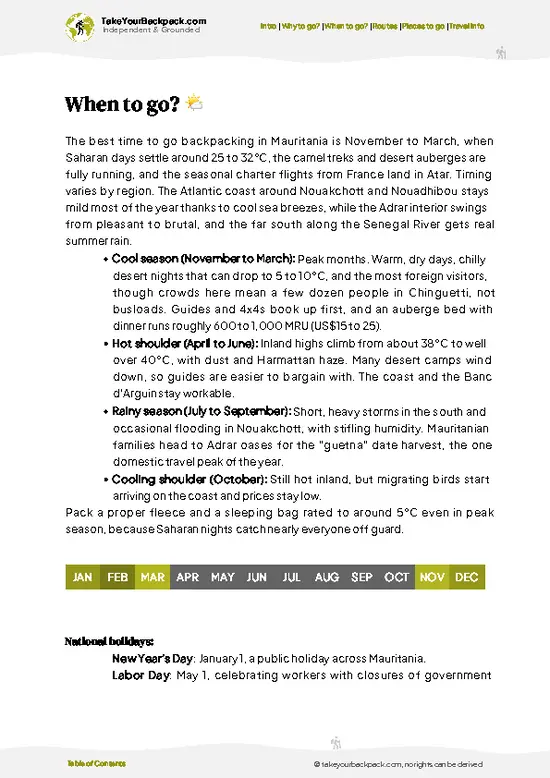
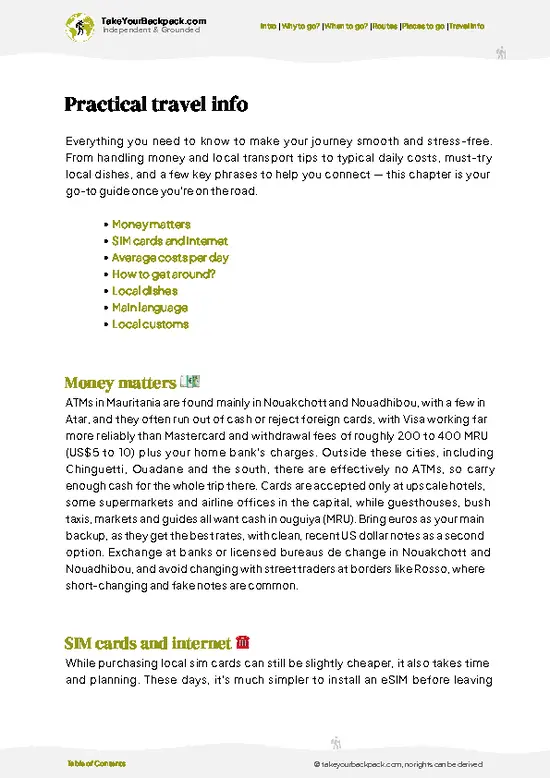
example page 3 from our offline Travel Guide for Mauritania
example page 4 from our offline Travel Guide for Mauritania
example page 5 from our offline Travel Guide for Mauritania
example page 6 from our offline Travel Guide for Mauritania
example page 7 from our offline Travel Guide for Mauritania
The digital guide (258 pages) contains:
59 highlights, ranked by travel appeal
Optimized 5, 10 & 15-day travel routes
Cities, national parks, landmarks, beaches
How to get around
Offline-friendly for travel without Wi-Fi
👉 Click to see all 30+ guide features

📅 Plan smarter in minutes, not weeks
Month by month travel advice
Festivals & national holidays
Budget expectations

🗺️ Go to the right places, skip the overrated ones
Honest pros & cons of destinations
Top hikes, parks & viewpoints
Lesser-known places most travelers miss
Clear “worth it vs skip it” guidance

🛏️ Travel smoothly without rookie mistakes
Best areas to stay
Transport systems explained simply
Common scams & safety advice
SIM cards, money & practical tips

🌍 Understand the country, not just visit it
Culture & traditions
52 Essential phrases & customs
Festivals worth planning around
Traveler-friendly historical context
Insights that make places more meaningful

📱 Built for real travel conditions
Fully downloadable PDF
Works completely offline
Optimized for phone use
Useful in remote areas & buses
Everything in one place
Save weeks of stressful planning
Get instant access to your full guide. 30‑day money-back guarantee.
+ Add another guide for just US$7.80

By proceeding you agree to our terms.
Sent to your inbox immediately after payment • 100% Secure Checkout
Best Backpacking Travel Advisor 2025 tourism awardBest Backpacking
Travel Advisor
2025
What others say about Take Your Backpack Guides:
⭐⭐⭐⭐⭐
Fantastic, amazing amount of information!
⭐⭐⭐⭐⭐
My goodness this is amazing, it's what I've been looking for hats off too you!
⭐⭐⭐⭐⭐
I think this is absolutely BRILLIANT
⭐⭐⭐⭐
Very complete and informative. It's still missing places, but I gotta to commend you
⭐⭐⭐⭐⭐
This is truly amazing, thank you, can't wait to explore it with my kids!
⭐⭐⭐⭐⭐
Awesome resource, thank you!
⭐⭐⭐⭐⭐
This is amazing! Can't wait to explore the ones I haven't seen
⭐⭐⭐⭐
I love this! Well done, great idea.
⭐⭐⭐⭐⭐
Thanks for taking the time to make this gem!
⭐⭐⭐⭐⭐
This might be the best website I've ever seen.
⭐⭐⭐⭐⭐
Congratulations, and thank you so much for your work; it's incredibly valuable.
⭐⭐⭐⭐
In all seriousness I think you did a great job pointing out the important spots
⭐⭐⭐⭐⭐
10/10 very good
⭐⭐⭐⭐⭐
As someone who's only just starting to visit regularly this is awesome, thank you.
⭐⭐⭐⭐
Thank you very much! I'm going to visit my dad, it's going to be very useful!
⭐⭐⭐⭐⭐
This is really cool! We'll be travelling for the first time and this definitely come in handy.
⭐⭐⭐⭐⭐
You are now our minister of culture, congratulations 👨‍💼
⭐⭐⭐⭐⭐
Just wanted to tell you that this is a pearl! Going to follow your recommendations.
⭐⭐⭐⭐⭐
This is so cool. I'll definitely be using the resource for my travels soon.
⭐⭐⭐⭐⭐
This is very impressive! Good work.
⭐⭐⭐⭐⭐
This is an amazing and informative site. Very well done!

🛏️ Where to stay?Top Places to Consider Staying

There are very few traditional hostels in Mauritania, but budget accommodation exists as small guesthouses, auberges and cheap hotels mainly in coastal cities and desert towns; expect basic facilities, intermittent hot water, simple bedding and variable cleanliness.

In Nouakchott most budget options concentrate in Tevragh Zeina (safer, closer to restaurants and expat services but pricier), Sebkha (cheaper, near markets and bus routes but dustier and busier), and the central/port area (convenient for transport and the fish market but noisier and less polished).

In Nouadhibou the city centre/port area has the widest low-cost choices near transport yet fewer amenities and occasional security … read more 👉
There are very few traditional hostels in Mauritania, but budget accommodation exists as small guesthouses, auberges and cheap hotels mainly in coastal cities and desert towns; expect basic facilities, intermittent hot water, simple bedding and variable cleanliness.

In Nouakchott most budget options concentrate in Tevragh Zeina (safer, closer to restaurants and expat services but pricier), Sebkha (cheaper, near markets and bus routes but dustier and busier), and the central/port area (convenient for transport and the fish market but noisier and less polished).

In Nouadhibou the city centre/port area has the widest low-cost choices near transport yet fewer amenities and occasional security checks, while desert hubs like Atar and Chinguetti offer very basic guesthouses ideal for accessing dunes and ruins but demand advance planning, cash payments and tolerance for spartan conditions.

If you enjoy meeting fellow travelers, consider choosing hostels with high ratings for atmosphere. On the other hand, if you prefer having your own space, a hotel might be a better option.

MauritaniaMore Places Across Mauritania

👋 Meet the founderWho’s Behind Take Your Backpack?

Johan, backpacker and founder of TakeYourBackpackHi, I’m Johan (Netherlands 🇳🇱), the creator of TakeYourBackpack. Over the past decade, I’ve backpacked through 80+ countries across six continents, gaining extensive experience with independent travel, long-term trips, and overland routes.

This site is built on a combination of firsthand travel experience and carefully curated insights from other backpackers. Many guides are based on places I’ve personally visited, while others bring together tips, observations, and practical advice shared by trusted travelers I’ve met along the way.

The goal is to provide realistic, experience-driven guidance — not generic itineraries — so you can explore destinations with better context, clearer expectations, and more confidence.

Get full Mauritania guide •
Instant download • 59 highlights • Full Offline guide