×

Mauritania🇲🇷 | landmarksSahara Desertendless dunes, shifting sands, open sky | things to do and best time to go

Explore Richat StructureExplore Terjit Oasis

Backpacking in Sahara Desert
👀 For curious travelersunique site ranked #5
By Johan Kruseman 🇳🇱 | Updated May 29, 2026

Here’s what nobody tells you until you’re already ankle-deep in sand: the Sahara in Mauritania is so vast and empty that you can actually find silence—real, ringing silence—without another tourist in sight. The Sahara sprawls across Mauritania’s north and east, with the Adrar region as its dramatic heart. Forget the Instagram mirage of endless camel trains and perfect dunes at sunset; yes, the landscapes are wild, but this is not Morocco’s polished desert circuit. Getting here takes grit, patience, and a willingness to pay for logistics—there’s no cheap, easy shuttle. But the payoff? You’ll camp under a sky so thick with stars it feels fake, wander ancient caravan towns like Chinguetti, and meet locals who treat you as a guest, not a walking wallet. The Sahara here isn’t curated for your feed; it’s raw, sometimes harsh, and absolutely unforgettable for the right kind of traveler.

Discover everything you want to know in the 📖 Mauritania Travel Guide.
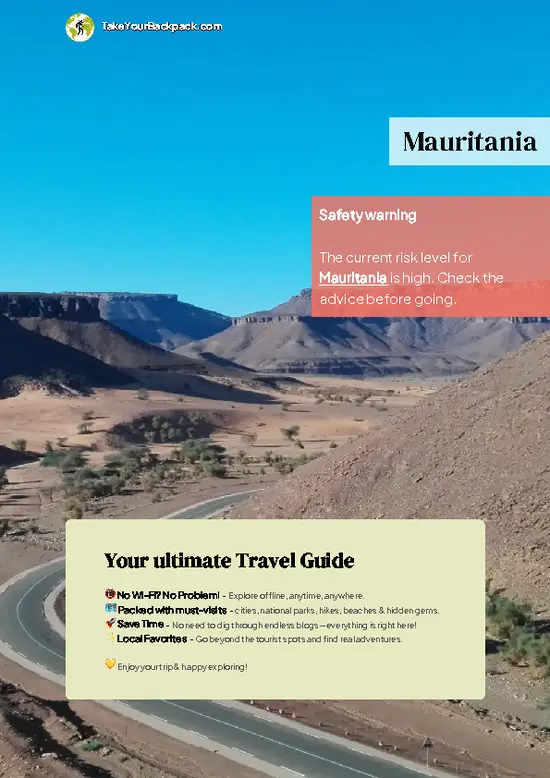
Safety warning

The current risk level for Mauritania is high. Check the advice before going.


Get your Mauritania guide
63 ranked highlights, routes & tips, works offline (269 pages)
Loading the map 🌍
CLICK TO FILTER
cities
towns
villages
landmarks
national parks
hikes
beaches
attractions
festivals
regions
SHOW COUNTRY’S BESTSHOW ALL

✨ Why go?
Ranked #5 unique site in Mauritania
Why visitors keep coming back

The Sahara Desert in Mauritania isn’t just a backdrop for your Instagram feed; it’s a vast, living canvas of raw beauty and cultural depth. Sure, you’ll encounter crowds at popular spots, but venture off the beaten path, and you’ll find stretches of solitude that feel like stepping into another world.

The cost of exploring this desert is surprisingly low. You can camp under a blanket of stars for just a few bucks, and local guides offer authentic experiences without breaking the bank. This isn’t just a place to tick off your bucket list; it’s a chance to connect with the Bedouin culture and learn about their way of life, which is often overlooked in glossy travel brochures.

The effort-to-reward ratio is solid. While getting there might require a bit of planning, once you’re in, the expansive read more 👉
The Sahara Desert in Mauritania isn’t just a backdrop for your Instagram feed; it’s a vast, living canvas of raw beauty and cultural depth. Sure, you’ll encounter crowds at popular spots, but venture off the beaten path, and you’ll find stretches of solitude that feel like stepping into another world.

The cost of exploring this desert is surprisingly low. You can camp under a blanket of stars for just a few bucks, and local guides offer authentic experiences without breaking the bank. This isn’t just a place to tick off your bucket list; it’s a chance to connect with the Bedouin culture and learn about their way of life, which is often overlooked in glossy travel brochures.

The effort-to-reward ratio is solid. While getting there might require a bit of planning, once you’re in, the expansive dunes, ancient rock carvings, and the haunting silence reward you tenfold. Plus, it fits perfectly into a broader route through West Africa, making it a natural stop between Mali and Senegal. The Sahara isn’t just a destination; it’s an experience that reshapes your understanding of adventure.
Want to include Sahara Desert in your Mauritania route?
Create a personalized Mauritania itinerary that includes Sahara Desert and the places that fit your trip — based on your travel style, budget, and available time. Get your route in seconds.

Generate my trip

💡 HighlightsMust-see experiences and standout moments

  • Chinguetti — the medieval ksar and manuscript city: A windswept mudbrick town that was a major stop on trans-Saharan trade routes; its tiny libraries hold centuries-old Arabic manuscripts and the place still feels like a living museum of Islamic scholarship and caravan life.
  • Ouadane — ruined caravan capital: Stone houses and crumbling streets sit like a snapshot of the old Saharan trade era — great for wandering, imagining camel trains arriving with salt and goods, and for photographers who love weathered textures and silence.
  • Richat Structure (the Eye of the Sahara): A surreal concentric-ring dome visible from space — a geological landmark in the middle of nowhere that looks like a giant target and is oddly hypnotic when you finally see it from the ground.
  • Adrar Plateau and canyons:
read more 👉
  • Chinguetti — the medieval ksar and manuscript city: A windswept mudbrick town that was a major stop on trans-Saharan trade routes; its tiny libraries hold centuries-old Arabic manuscripts and the place still feels like a living museum of Islamic scholarship and caravan life.
  • Ouadane — ruined caravan capital: Stone houses and crumbling streets sit like a snapshot of the old Saharan trade era — great for wandering, imagining camel trains arriving with salt and goods, and for photographers who love weathered textures and silence.
  • Richat Structure (the Eye of the Sahara): A surreal concentric-ring dome visible from space — a geological landmark in the middle of nowhere that looks like a giant target and is oddly hypnotic when you finally see it from the ground.
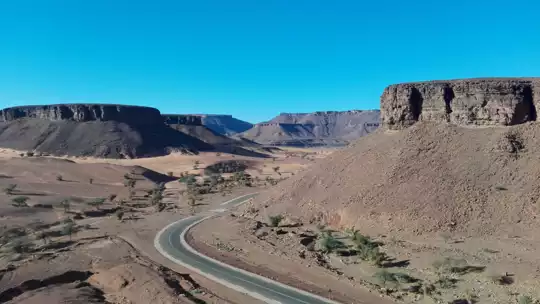
  • Adrar Plateau and canyons: Rugged sandstone mesas cut by narrow gorges and dotted with palm oases — perfect for multi-day treks, scrambling through canyons, and finding remote campsites away from any road.
  • Terjit Oasis: A sudden green pocket of date palms and cool spring pools tucked into a gorge; an instant feel-good stop after dusty travel — swim, sip mint tea, and nap in the shade.
  • Ben Amera monolith: A lone, towering granite rock rising from the sands — striking in scale and isolation, and a favorite subject for sunrise/sunset photos when the light carves the contours.
  • Neolithic rock art and archaeological sites: Scattered panels and engravings in the Adrar region testify to long human presence — hunting scenes and abstract motifs that connect you to Sahara’s deep prehistory.
  • Nomad life, camel treks and stargazing: The intangible highlight — spend a night with Moorish families or on a camel trek, learn tea rituals, eat simple campfire food, and watch an impossibly dark sky full of stars. It’s low-tech, honest travel that sticks with you.
Spotted a mistake or missing something? Contact us.
🌤️ When to go?Choosing the right time of year


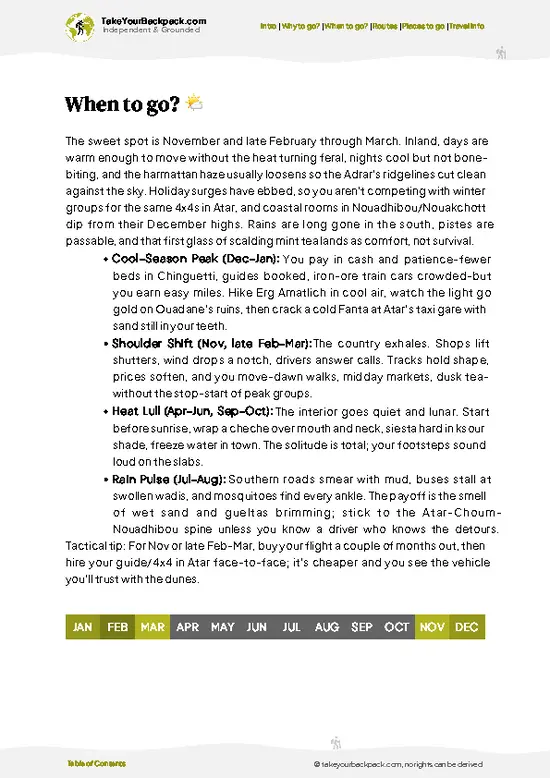
  • Weather: The Sahara in Mauritania is brutally hot from April to September, with daytime temps often soaring above 45°C (113°F). This isn’t just uncomfortable—it’s dangerous for backpackers. The cooler months, from November to February, bring more bearable heat, hovering around 20-30°C (68-86°F), making trekking and camping doable without frying.

  • Temperature swings: Nights can be surprisingly cold, especially in winter, dropping to near freezing (0°C/32°F). Prepare for this shock if you’re used to desert heat only during the day.

  • Daylight hours: Expect roughly 11-12 hours of daylight year-round, but the sun’s intensity is what really dictates your schedule. Early mornings and late afternoons are your best bets for exploring.

  • Crowds: Forget Instagram’s empty dunes. The peak season (Nov-Feb)
read more 👉

  • Weather: The Sahara in Mauritania is brutally hot from April to September, with daytime temps often soaring above 45°C (113°F). This isn’t just uncomfortable—it’s dangerous for backpackers. The cooler months, from November to February, bring more bearable heat, hovering around 20-30°C (68-86°F), making trekking and camping doable without frying.

  • Temperature swings: Nights can be surprisingly cold, especially in winter, dropping to near freezing (0°C/32°F). Prepare for this shock if you’re used to desert heat only during the day.

  • Daylight hours: Expect roughly 11-12 hours of daylight year-round, but the sun’s intensity is what really dictates your schedule. Early mornings and late afternoons are your best bets for exploring.

  • Crowds: Forget Instagram’s empty dunes. The peak season (Nov-Feb) attracts small groups of adventure travelers and local tour operators, but it’s never packed. Still, the Sahara’s vastness means you’ll find solitude if you’re willing to go off the beaten path.

  • Seasonal activities: Winter months offer camel treks, stargazing, and cultural festivals like the Chinguetti Festival. Summer is mostly off-limits unless you’re equipped for extreme heat and risk.

  • Price fluctuations: Expect higher prices during the cooler months when demand spikes. Off-season rates drop, but so does comfort and safety. Budget travelers should weigh cost against the harshness of the environment.


Pro-tip: Aim for late November to early February—cool enough to move, warm enough to enjoy, and just sparse enough to feel like you own the desert.


source: climatestotravel.comJANJanuary: excellent for travelingFEBFebruary: excellent for travelingMARMarch: good for travelingAPRApril: fair for travelingMAYMay: below average for travelingJUNJune: below average for travelingJULJuly: below average for travelingAUGAugust: below average for travelingSEPSeptember: fair for travelingOCTOctober: good for travelingNOVNovember: highly recommended for travelingDECDecember: excellent for traveling
when-to-go

✈️ The backpacker research shortcutMauritania Travel Guide

An offline-friendly backpacking guide with optimized travel routes, ranked highlights, transport advice, and the best areas to stay.
example page 0 from our offline Travel Guide for Mauritania
example page 1 from our offline Travel Guide for Mauritania
example page 2 from our offline Travel Guide for Mauritania
example page 3 from our offline Travel Guide for Mauritania
example page 4 from our offline Travel Guide for Mauritania
example page 5 from our offline Travel Guide for Mauritania
example page 6 from our offline Travel Guide for Mauritania
example page 7 from our offline Travel Guide for Mauritania
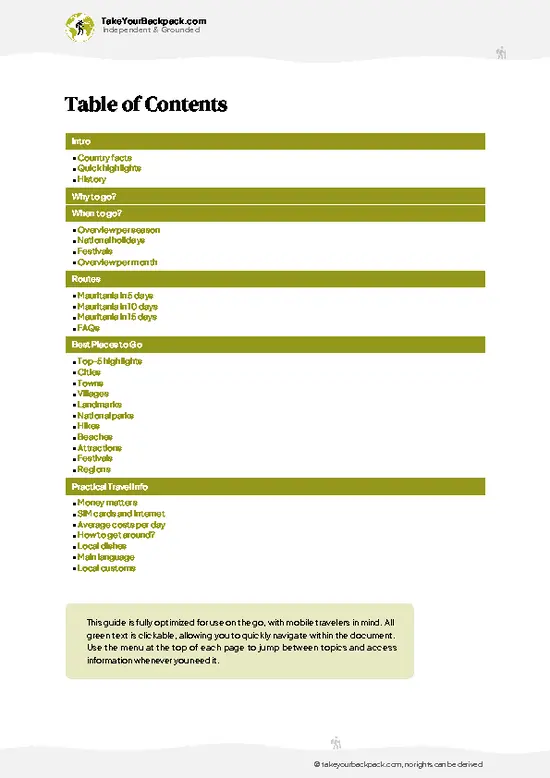
The digital guide (269 pages) contains:
63 highlights, ranked by travel appeal
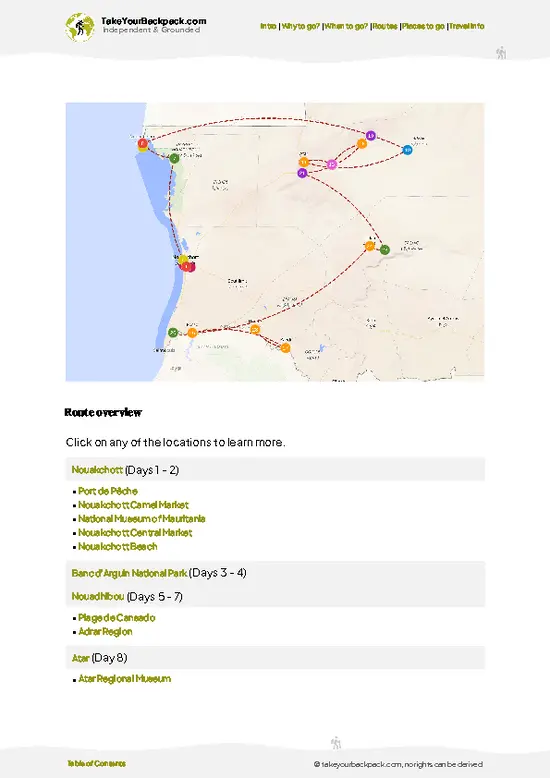
Optimized 5, 10 & 15-day travel routes
Cities, national parks, landmarks, beaches
How to get around
Offline-friendly for travel without Wi-Fi
👉 Click to see all 30+ guide features

📅 Plan smarter in minutes, not weeks
Month by month travel advice
Festivals & national holidays
Budget expectations

🗺️ Go to the right places, skip the overrated ones
Honest pros & cons of destinations
Top hikes, parks & viewpoints
Lesser-known places most travelers miss
Clear “worth it vs skip it” guidance

🛏️ Travel smoothly without rookie mistakes
Best areas to stay
Transport systems explained simply
Common scams & safety advice
SIM cards, money & practical tips

🌍 Understand the country, not just visit it
Culture & traditions
52 Essential phrases & customs
Festivals worth planning around
Traveler-friendly historical context
Insights that make places more meaningful

📱 Built for real travel conditions
Fully downloadable PDF
Works completely offline
Optimized for phone use
Useful in remote areas & buses
Everything in one place
Save weeks of stressful planning
Get instant access to your full guide. 30‑day money-back guarantee.


By proceeding you agree to our terms.
Sent to your inbox immediately after payment • 100% Secure Checkout
Best Backpacking Travel Advisor 2025 tourism awardBest Backpacking
Travel Advisor
2025
What others say about Take Your Backpack Guides:
⭐⭐⭐⭐⭐
Fantastic, amazing amount of information!
⭐⭐⭐⭐⭐
My goodness this is amazing, it's what I've been looking for hats off too you!
⭐⭐⭐⭐⭐
I think this is absolutely BRILLIANT
⭐⭐⭐⭐
Very complete and informative. It's still missing places, but I gotta to commend you
⭐⭐⭐⭐⭐
This is truly amazing, thank you, can't wait to explore it with my kids!
⭐⭐⭐⭐⭐
Awesome resource, thank you!
⭐⭐⭐⭐⭐
This is amazing! Can't wait to explore the ones I haven't seen
⭐⭐⭐⭐
I love this! Well done, great idea.
⭐⭐⭐⭐⭐
Thanks for taking the time to make this gem!
⭐⭐⭐⭐⭐
This might be the best website I've ever seen.
⭐⭐⭐⭐⭐
Congratulations, and thank you so much for your work; it's incredibly valuable.
⭐⭐⭐⭐
In all seriousness I think you did a great job pointing out the important spots
⭐⭐⭐⭐⭐
10/10 very good
⭐⭐⭐⭐⭐
As someone who's only just starting to visit regularly this is awesome, thank you.
⭐⭐⭐⭐
Thank you very much! I'm going to visit my dad, it's going to be very useful!
⭐⭐⭐⭐⭐
This is really cool! We'll be travelling for the first time and this definitely come in handy.
⭐⭐⭐⭐⭐
You are now our minister of culture, congratulations 👨‍💼
⭐⭐⭐⭐⭐
Just wanted to tell you that this is a pearl! Going to follow your recommendations.
⭐⭐⭐⭐⭐
This is so cool. I'll definitely be using the resource for my travels soon.
⭐⭐⭐⭐⭐
This is very impressive! Good work.
⭐⭐⭐⭐⭐
This is an amazing and informative site. Very well done!

🛏️ Where to stay?Best areas and accommodation options

When you think of the Sahara Desert in Mauritania, you might picture endless dunes and sunsets that look like they’re painted by a master artist. But let’s get real: the crowds can be overwhelming, and the costs can sneak up on you if you’re not careful.

For backpackers, the best areas to stay are around the town of Atar and the nearby village of Chinguetti. Atar is your launchpad. It’s bustling with travelers, making it easy to meet fellow adventurers. You’ll find local eateries serving hearty meals that won’t break the bank. The vibe is friendly, and the stories shared over a plate of tagine … read more 👉
When you think of the Sahara Desert in Mauritania, you might picture endless dunes and sunsets that look like they’re painted by a master artist. But let’s get real: the crowds can be overwhelming, and the costs can sneak up on you if you’re not careful.

For backpackers, the best areas to stay are around the town of Atar and the nearby village of Chinguetti. Atar is your launchpad. It’s bustling with travelers, making it easy to meet fellow adventurers. You’ll find local eateries serving hearty meals that won’t break the bank. The vibe is friendly, and the stories shared over a plate of tagine are worth their weight in gold.

Chinguetti, on the other hand, is a quieter option. It’s steeped in history, with ancient libraries and a more laid-back atmosphere. Here, you can soak in the culture without the touristy fluff. The locals are welcoming, and you’ll find plenty of opportunities to connect with them, whether it’s over a cup of mint tea or while exploring the stunning landscapes.

Both areas offer a mix of safety and social interaction, making them ideal for solo backpackers. Embrace the authentic experience, and you’ll find the real magic of the Sahara waiting for you.

👛 Costs (as of 31 May 2025)How expensive it really is

Visiting the Sahara Desert in Mauritania isn’t just about the dunes; it’s about navigating costs that can make or break your experience. Here’s the real deal on what you can expect to spend.
  • Accommodation: Expect to pay between €15 to €100 per night. Budget options like basic guesthouses are available, but if you want a bit of luxury or a unique experience, like a desert camp, prices can soar. The more remote the location, the higher the price for comfort.
  • Transportation: Getting around can be tricky. A shared taxi from Nouakchott to the desert can cost around €20 to €40. If you’re looking for a private ride, be prepared to shell out €100 or more. The roads can be rough, so factor in time and comfort.
  • Guided Tours: A guided tour is often essential for a deeper experience. Prices range from €50
read more 👉
Visiting the Sahara Desert in Mauritania isn’t just about the dunes; it’s about navigating costs that can make or break your experience. Here’s the real deal on what you can expect to spend.
  • Accommodation: Expect to pay between €15 to €100 per night. Budget options like basic guesthouses are available, but if you want a bit of luxury or a unique experience, like a desert camp, prices can soar. The more remote the location, the higher the price for comfort.
  • Transportation: Getting around can be tricky. A shared taxi from Nouakchott to the desert can cost around €20 to €40. If you’re looking for a private ride, be prepared to shell out €100 or more. The roads can be rough, so factor in time and comfort.
  • Guided Tours: A guided tour is often essential for a deeper experience. Prices range from €50 to €300, depending on the length and inclusions. Day trips are cheaper, but multi-day excursions with meals and accommodation included will hit the higher end of that range.
  • Food: Meals can be quite affordable. Street food or local restaurants might set you back €3 to €10 per meal. If you’re dining in more touristy spots or at your accommodation, expect to pay €15 or more for a meal. Always check what’s included in your tour package.
  • Activities: Camel rides, sandboarding, and cultural experiences can add up. Prices vary widely, but budget around €10 to €50 for activities, depending on what you choose. Some tours include these, while others charge extra.

Understanding these costs helps you plan better. The Sahara is not just a destination; it’s an experience that demands respect and preparation.
⚠️ Prices can change and everyone travels differently, so take this as a rough guide. Hope it helps you plan your adventure!

Other Mauritanian landmarks near Sahara Desert

Explore more nearby:


💡 Not sure where to go next?
Create a personalized itinerary for Mauritania including Sahara Desert and the places that fit your trip.

Generate my itinerary

👉 Discover all landmarks

Or checkout all Mauritania has to offer (think cities, towns, villages, national parks, hikes, beaches, festivals)
Country photo of Mauritania

We 💚 feedbackIs it worth it?

The Sahara in Mauritania isn’t just a backdrop for Instagram; it’s a raw, living canvas. Expect crowds at the popular spots, but venture off the beaten path to find the real magic—like the haunting silence of the dunes at dusk. The best surprise? The warmth of the local people; they’ll share stories that make the vast emptiness feel alive. Just a heads-up: the heat is relentless, so plan your adventures for early morning or late afternoon. Embrace the grit, and you’ll leave with a piece of the desert in your soul.

✍️ Help improve this page!
The information on this page is based on in-depth research, insights shared by experienced travelers, and feedback from the local travel community in Mauritania. While every effort is made to keep the information accurate and current, conditions can change — so if you spot anything incorrect or outdated, please get in touch.


🙋‍♂️ Give feedback

👋 Meet the founderWho’s Behind Take Your Backpack?

Johan, backpacker and founder of TakeYourBackpackHi, I’m Johan (Netherlands 🇳🇱), the creator of TakeYourBackpack. Over the past decade, I’ve backpacked through 80+ countries across six continents, gaining extensive experience with independent travel, long-term trips, and overland routes.

This site is built on a combination of firsthand travel experience and carefully curated insights from other backpackers. Many guides are based on places I’ve personally visited, while others bring together tips, observations, and practical advice shared by trusted travelers I’ve met along the way.

The goal is to provide realistic, experience-driven guidance — not generic itineraries — so you can explore destinations with better context, clearer expectations, and more confidence.

Get full Mauritania guide •
Instant download • 63 highlights • Full Offline guide