v2.webp)
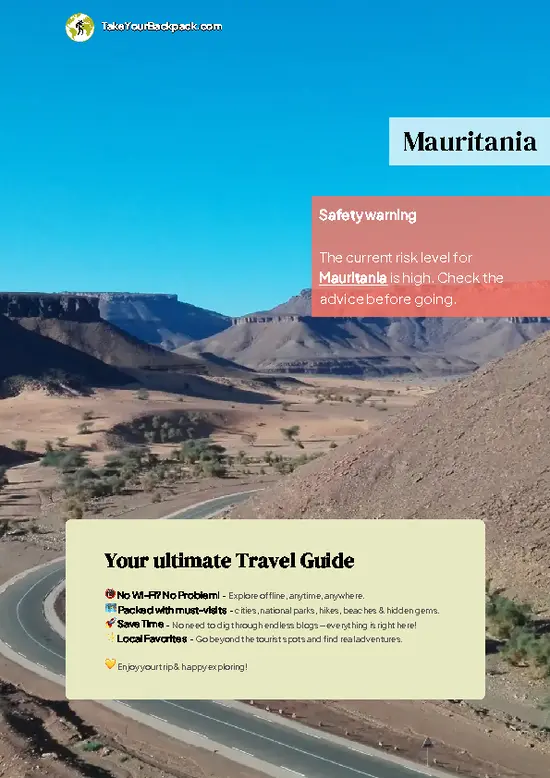
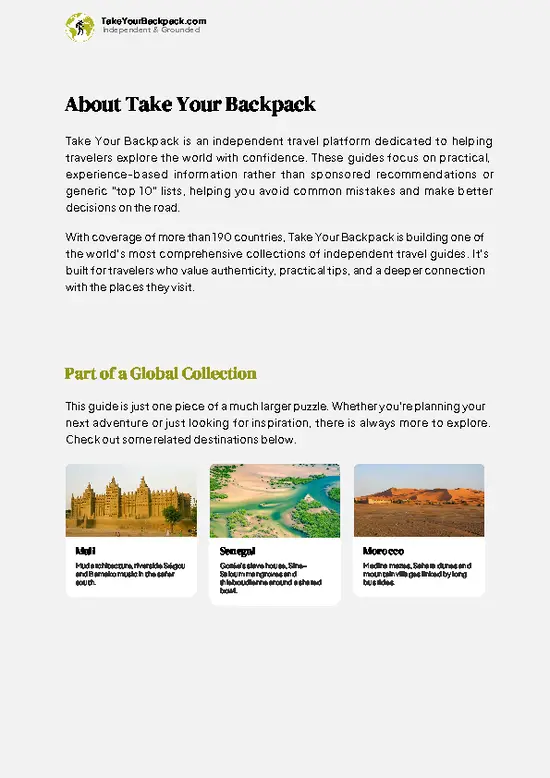
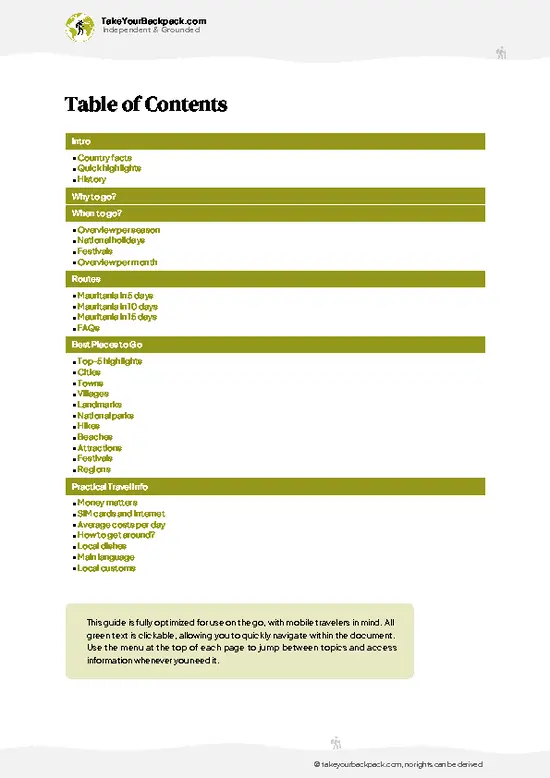
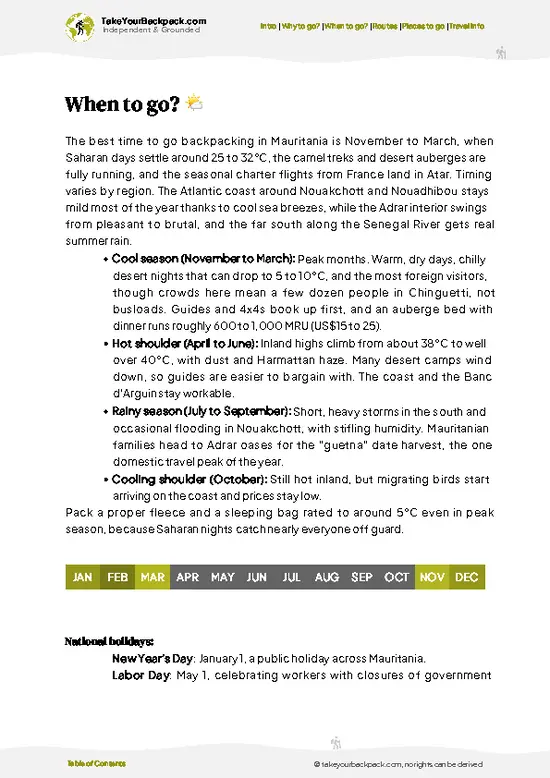
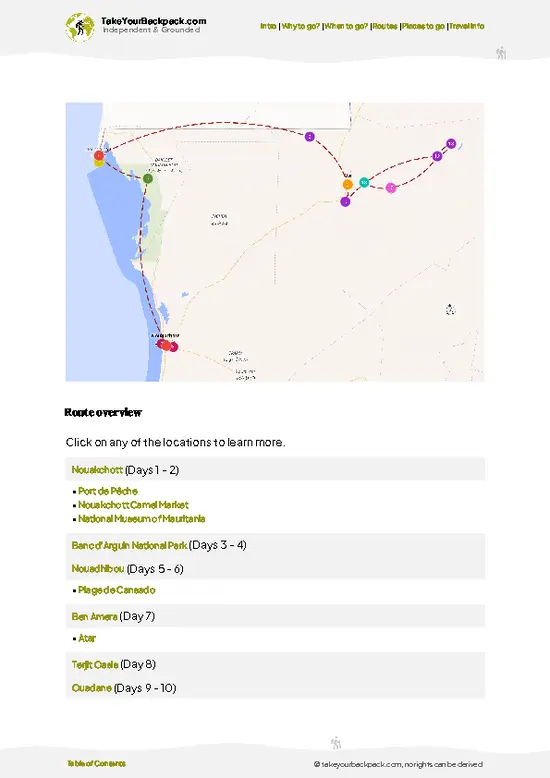
- Camel racing and mounted games — Watching camels thunder across the sands feels different from any stadium sport: it’s raw, chaotic, and utterly tied to desert life. Races, endurance tests and rider demonstrations show skills passed down through generations — the animals, the handlers’ shorthand, and the sun-baked dunes all make it feel like you’re watching living history instead of a polished event.
- Desert encampments and starry night gatherings — The festival spills out into traditional tents (khayma) and temporary camps, where you can sit on rugs, share mint tea, and hear music under a sky so bright the Milky Way looks like someone glued it on. That slow, communal atmosphere — food cooked over coals, late-night chats with nomads, the sound of wind on dunes — is the real festival highlight.
- Camel racing and mounted games — Watching camels thunder across the sands feels different from any stadium sport: it’s raw, chaotic, and utterly tied to desert life. Races, endurance tests and rider demonstrations show skills passed down through generations — the animals, the handlers’ shorthand, and the sun-baked dunes all make it feel like you’re watching living history instead of a polished event.
- Desert encampments and starry night gatherings — The festival spills out into traditional tents (khayma) and temporary camps, where you can sit on rugs, share mint tea, and hear music under a sky so bright the Milky Way looks like someone glued it on. That slow, communal atmosphere — food cooked over coals, late-night chats with nomads, the sound of wind on dunes — is the real festival highlight.
- Griots, Moorish music and oral poetry — Expect long-form storytelling, call-and-response songs, and poetic performances by griots and local poets. The emphasis on voice, memory and lineage is central: songs and poems don’t just entertain, they record history and social ties, so each performance feels personal and culturally loaded rather than just background ambiance.
- Falconry, hounds and desert-hunting demonstrations — Traditional hunting skills are showcased up close: trained birds, sighthounds, and the handlers’ techniques. The displays highlight practical survival knowledge and the partnership between human and animal — seeing a falcon stoop or a hound pick a scent across flat sand is strikingly intimate and very much tied to nomadic lifeways.
- Handicrafts, textiles and traditional dress — Rows of stalls and artisan tents sell and demonstrate silversmithing, leatherwork, woven mats and the flowing melhafa and boubou garments. Watching an artisan hammer silver or dye cloth, and being able to buy something directly from the maker, gives a tactile link to the culture — plus it’s where you find the best inexpensive, authentic souvenirs.
Spotted a mistake or missing something? Contact us.
 Best Backpacking
.jpg) Hi, I’m Johan (Netherlands 🇳🇱), the creator of TakeYourBackpack. Over the past 3 decades, I’ve backpacked through 90+ countries across six continents, gaining extensive experience with independent travel, long-term trips, and overland routes.
Hi, I’m Johan (Netherlands 🇳🇱), the creator of TakeYourBackpack. Over the past 3 decades, I’ve backpacked through 90+ countries across six continents, gaining extensive experience with independent travel, long-term trips, and overland routes.