
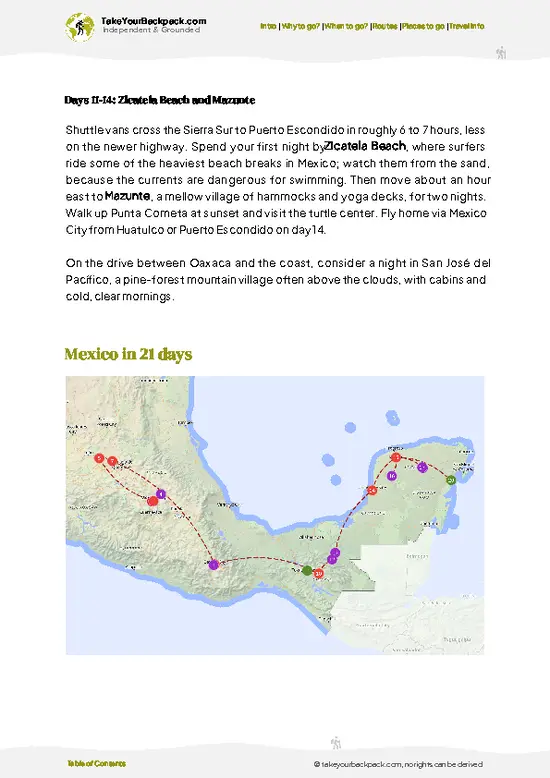
Plaza de la Patria
The city’s heart and the ultimate people-watching arena. This is where Aguascalientes pulses—government buildings, the cathedral, and a constant swirl of local life. Free to wander, but if you want to linger at a café, budget for a coffee. Best in the late afternoon when the plaza fills with families and street performers. Give it 30-60 minutes, or longer if you’re a fan of slow travel.
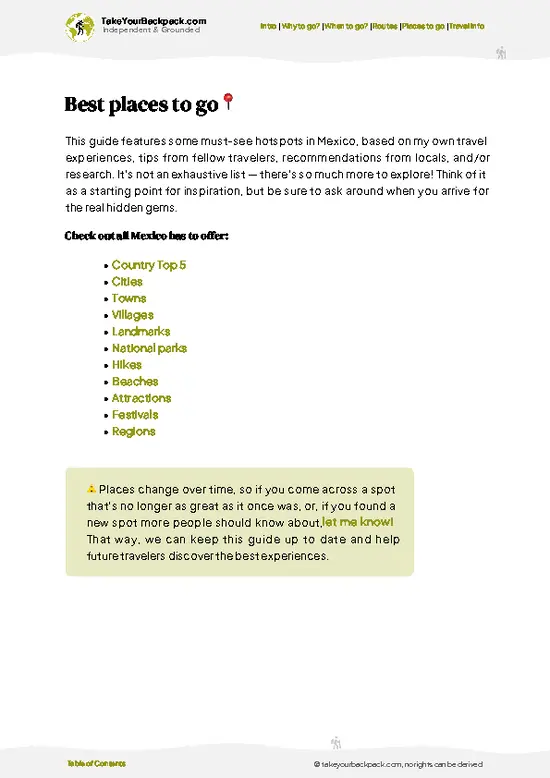
Templo de San Antonio
A church that looks like it was designed by a committee of dreamers—Baroque, Neoclassical, and Moorish styles all in one. It’s a visual riddle and a local icon. Free entry, but donations are appreciated. Early morning or late afternoon for the best light and fewest crowds. 20-40 minutes is enough unless you’re an architecture buff.
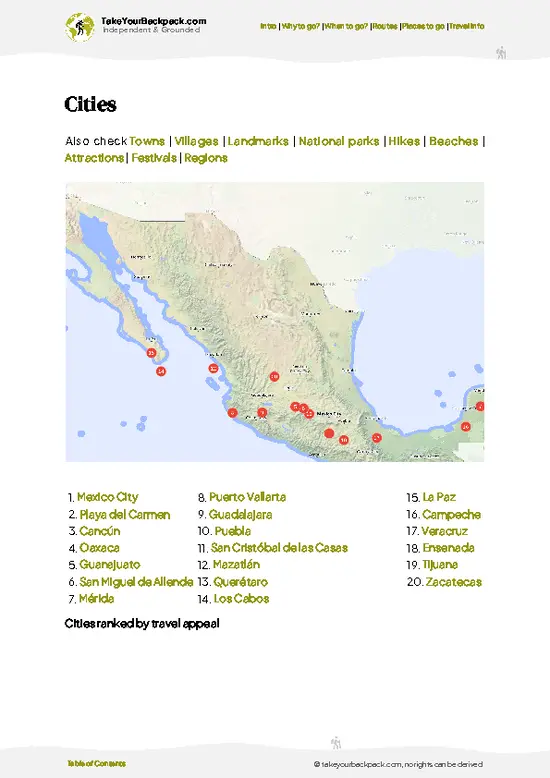
Museo Nacional de la Muerte
A museum … read more 👉
The city’s heart and the ultimate people-watching arena. This is where Aguascalientes pulses—government buildings, the cathedral, and a constant swirl of local life. Free to wander, but if you want to linger at a café, budget for a coffee. Best in the late afternoon when the plaza fills with families and street performers. Give it 30-60 minutes, or longer if you’re a fan of slow travel.
Templo de San Antonio
A church that looks like it was designed by a committee of dreamers—Baroque, Neoclassical, and Moorish styles all in one. It’s a visual riddle and a local icon. Free entry, but donations are appreciated. Early morning or late afternoon for the best light and fewest crowds. 20-40 minutes is enough unless you’re an architecture buff.
Museo Nacional de la Muerte
A museum … read more 👉
Plaza de la Patria
The city’s heart and the ultimate people-watching arena. This is where Aguascalientes pulses—government buildings, the cathedral, and a constant swirl of local life. Free to wander, but if you want to linger at a café, budget for a coffee. Best in the late afternoon when the plaza fills with families and street performers. Give it 30-60 minutes, or longer if you’re a fan of slow travel.
Templo de San Antonio
A church that looks like it was designed by a committee of dreamers—Baroque, Neoclassical, and Moorish styles all in one. It’s a visual riddle and a local icon. Free entry, but donations are appreciated. Early morning or late afternoon for the best light and fewest crowds. 20-40 minutes is enough unless you’re an architecture buff.
Museo Nacional de la Muerte
A museum dedicated to Mexico’s relationship with death—think Day of the Dead, but with centuries of context. It’s quirky, profound, and uniquely Mexican. Entry is modest (about 60 pesos). Allow 60-90 minutes. Go mid-morning to avoid school groups.
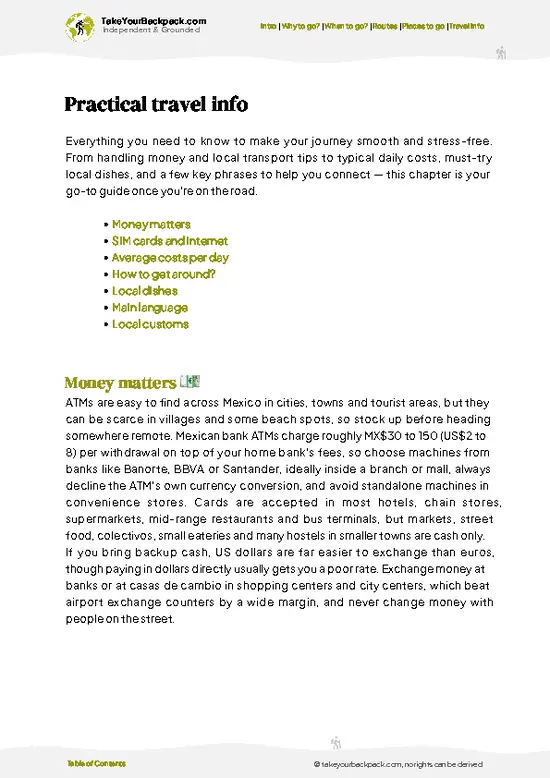
Barrio de San Marcos
The soul of the city, especially during the Feria de San Marcos (late April-early May), but worth a stroll any time. Colorful streets, old cantinas, and a sense of living history. Free to explore. Early evening is magic, when locals come out and the air smells like fresh bread. 45-90 minutes.
Jardín de San Marcos
A lush, iron-fenced park that feels like a secret garden. Locals use it for quiet chats and romantic walks. Free, always open, and best at sunset. 20-40 minutes.
Museo José Guadalupe Posada
A tribute to the legendary printmaker whose skeleton illustrations define Mexican satire. Compact but packed with character. Entry is around 30 pesos. Go late morning. 30-45 minutes.
For day trips, the thermal baths of Ojocaliente, the vineyards of the Valle de las Delicias, and the ancient ruins at El Ocote are all within striking distance—Ojocaliente’s hot springs are my personal favorite for a post-city recharge.
The city’s heart and the ultimate people-watching arena. This is where Aguascalientes pulses—government buildings, the cathedral, and a constant swirl of local life. Free to wander, but if you want to linger at a café, budget for a coffee. Best in the late afternoon when the plaza fills with families and street performers. Give it 30-60 minutes, or longer if you’re a fan of slow travel.
Templo de San Antonio
A church that looks like it was designed by a committee of dreamers—Baroque, Neoclassical, and Moorish styles all in one. It’s a visual riddle and a local icon. Free entry, but donations are appreciated. Early morning or late afternoon for the best light and fewest crowds. 20-40 minutes is enough unless you’re an architecture buff.
Museo Nacional de la Muerte
A museum dedicated to Mexico’s relationship with death—think Day of the Dead, but with centuries of context. It’s quirky, profound, and uniquely Mexican. Entry is modest (about 60 pesos). Allow 60-90 minutes. Go mid-morning to avoid school groups.
Barrio de San Marcos
The soul of the city, especially during the Feria de San Marcos (late April-early May), but worth a stroll any time. Colorful streets, old cantinas, and a sense of living history. Free to explore. Early evening is magic, when locals come out and the air smells like fresh bread. 45-90 minutes.
Jardín de San Marcos
A lush, iron-fenced park that feels like a secret garden. Locals use it for quiet chats and romantic walks. Free, always open, and best at sunset. 20-40 minutes.
Museo José Guadalupe Posada
A tribute to the legendary printmaker whose skeleton illustrations define Mexican satire. Compact but packed with character. Entry is around 30 pesos. Go late morning. 30-45 minutes.
For day trips, the thermal baths of Ojocaliente, the vineyards of the Valle de las Delicias, and the ancient ruins at El Ocote are all within striking distance—Ojocaliente’s hot springs are my personal favorite for a post-city recharge.
Spotted a mistake or missing something? Contact us.
v2.webp)


Best Backpacking
Hi, I’m Johan (Netherlands 🇳🇱), the creator of TakeYourBackpack. Over the past decade, I’ve backpacked through 80+ countries across six continents, gaining extensive experience with independent travel, long-term trips, and overland routes.