v2.webp)
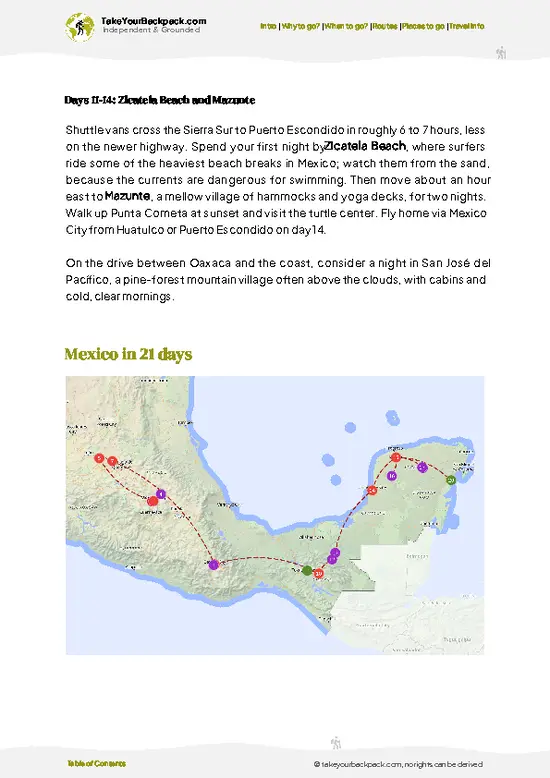
- Centro Histórico and the city walls: The painted colonial grid is the reason most people come. Walk it in the morning or around dusk for softer light. Free to wander, 2 to 3 hours.
- Fuerte de San Miguel: A hilltop fort with an archaeological museum of Maya jade masks and ceramics, plus sea views. Go in the morning. About US$4 to 5, 1.5 to 2 hours.
- Baluarte de la Soledad: A bastion with a small museum of Maya stelae, right by the main plaza. About US$3, 30 to 45 minutes.
- Puerta de Tierra: The land gate, with a nightly light and sound show in the evening and rampart walks above. Walls access is cheap, about US$2 to 3, 45 minutes.
- Fuerte de San José el Alto: A smaller fort on a hill north of town, with a good panorama and a small naval museum. Best late afternoon. About US$4, 1 hour.
- Malecón: A seafront
- Centro Histórico and the city walls: The painted colonial grid is the reason most people come. Walk it in the morning or around dusk for softer light. Free to wander, 2 to 3 hours.
- Fuerte de San Miguel: A hilltop fort with an archaeological museum of Maya jade masks and ceramics, plus sea views. Go in the morning. About US$4 to 5, 1.5 to 2 hours.
- Baluarte de la Soledad: A bastion with a small museum of Maya stelae, right by the main plaza. About US$3, 30 to 45 minutes.
- Puerta de Tierra: The land gate, with a nightly light and sound show in the evening and rampart walks above. Walls access is cheap, about US$2 to 3, 45 minutes.
- Fuerte de San José el Alto: A smaller fort on a hill north of town, with a good panorama and a small naval museum. Best late afternoon. About US$4, 1 hour.
- Malecón: A seafront promenade for sunset walks, ice cream and local families. Free, 1 hour.
- Catedral de la Concepción: A baroque cathedral on the Plaza Principal, lit at night. Free, 20 to 30 minutes.
- Mercado Pedro Sainz de Baranda: A working market for regional snacks and cheap lunches. Go in the morning, free, 45 minutes.
Spotted a mistake or missing something? Contact us.

Half-Day Luxury Sailing Experience in Tulum with Open Bar

Calakmul Ancient Maya City Tour From Xpujil

Half Day Semiprivate Snorkeling with Turtles and Majestic Cenote

Campeche: Highlights, Museums and Downtown Tour

Edzná, the house of the Itzaes

Calakmul Ancient Maya City Tour - From Campeche

Edzná with a local: a Mayan voyage

Half Day Tour of Campeche, the Walled City

Chichen Itza Basic Tour: Sacred Cenote, Lunch, and Valladolid


 Best Backpacking
.jpg) Hi, I’m Johan (Netherlands 🇳🇱), the creator of TakeYourBackpack. Over the past 3 decades, I’ve backpacked through 90+ countries across six continents, gaining extensive experience with independent travel, long-term trips, and overland routes.
Hi, I’m Johan (Netherlands 🇳🇱), the creator of TakeYourBackpack. Over the past 3 decades, I’ve backpacked through 90+ countries across six continents, gaining extensive experience with independent travel, long-term trips, and overland routes.