v2.webp)
- Catedral Basílica Menor de la Inmaculada Concepción — The big, baroque-style cathedral that dominates the centro; beautiful stonework inside and out, plus it’s the emotional center of the city so you’ll see locals gathering, processions, and great photo angles at sunrise or blue hour.
- Plaza de Armas (Zócalo) — Durango’s main square: shaded benches, street vendors, and colonial façades. It’s the easiest place to feel the city’s rhythm—people-watching, buskers, and a quick jump-off point to the surrounding museums and cafés.
- Teatro Ricardo Castro — A restored 19th/early-20th-century theater with gilded interiors and a proper stage. Even if you don’t catch a show, the guided visit or a quick peek inside gives you a sense of how cultured the city was back in the mining boom days.
- Palacio
- Catedral Basílica Menor de la Inmaculada Concepción — The big, baroque-style cathedral that dominates the centro; beautiful stonework inside and out, plus it’s the emotional center of the city so you’ll see locals gathering, processions, and great photo angles at sunrise or blue hour.
- Plaza de Armas (Zócalo) — Durango’s main square: shaded benches, street vendors, and colonial façades. It’s the easiest place to feel the city’s rhythm—people-watching, buskers, and a quick jump-off point to the surrounding museums and cafés.
- Teatro Ricardo Castro — A restored 19th/early-20th-century theater with gilded interiors and a proper stage. Even if you don’t catch a show, the guided visit or a quick peek inside gives you a sense of how cultured the city was back in the mining boom days.
- Palacio de Gobierno — Government palace in the historic center with striking period architecture and painted panels/visual references to local history. It’s worth a look for the building itself and the murals that narrate state stories in a compact, walkable spot.
- Museo Regional de Durango — Housed in an historic building, this museum lays out the state’s archaeology, colonial history, and regional crafts. Good context if you want to understand why Durango looks and feels the way it does.
- Museo Francisco Villa (Casa-Museo) — A small museum dedicated to Pancho Villa and the Revolution-era history tied to the region. It’s not huge, but it’s tangible—period photos, objects, and the kind of local storytelling that connects national history to Durango’s streets.
- Paseo Constitución (pedestrian street) — A lively walkable stretch of the centro lined with shops, cafés, and old storefronts. Easy to stroll, cheap eats and good people-watching; it’s where the city’s daily life plays out at a relaxed pace.
- Central Municipal Market (mercado) — The city’s bustling indoor market where you can eat cheap, authentic food, buy lauded local chiles, cheeses, and see real Durango commerce in action. Perfect for breakfast tacos and a lively local atmosphere.
- Casa de la Cultura / Centro Cultural (Dolores del Río tributes) — Durango’s cultural hub(s) and small museums honoring local figures like actress Dolores del Río. Rotating exhibitions, community performances, and workshops give a sense of the city’s creative life beyond tourist sites.
- Alameda / Parque Central (city parks and viewpoints) — The main green spaces near the centro — handy for a relaxed afternoon, casual street food, and low-key skyline views. Great for a picnic or to plot the next walk through the older neighborhoods.
Spotted a mistake or missing something? Contact us.

Tour Visiting the Malpais

La Pirámide Park // VIA FERRATA, RAPPEL, ZIPLINE
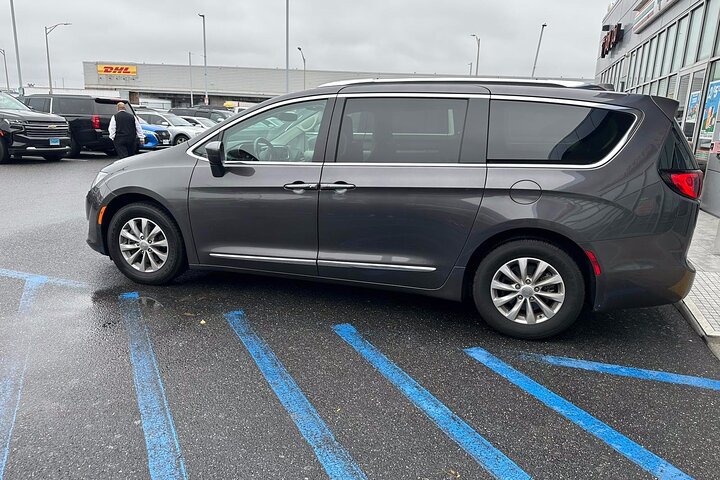
Durango Airport (DGO) to Durango hotels - Round-Trip Private Transfer

La Pirámide Park // WALK AND DISCOVER THE PARK

La Pirámide Park // EXPLORE LA YERBA CANYON

La Pirámide Park // ROCK CLIMBING La Comarca

Durango Airport (DGO) Private Transfer to Durango City

Off-Road Motorcycle Ride through the Copper Canyon

La Pirámide Park // CORDÓN DE LAS BURRAS CROSSING


 Best Backpacking
.jpg) Hi, I’m Johan (Netherlands 🇳🇱), the creator of TakeYourBackpack. Over the past decade, I’ve backpacked through 80+ countries across six continents, gaining extensive experience with independent travel, long-term trips, and overland routes.
Hi, I’m Johan (Netherlands 🇳🇱), the creator of TakeYourBackpack. Over the past decade, I’ve backpacked through 80+ countries across six continents, gaining extensive experience with independent travel, long-term trips, and overland routes.