
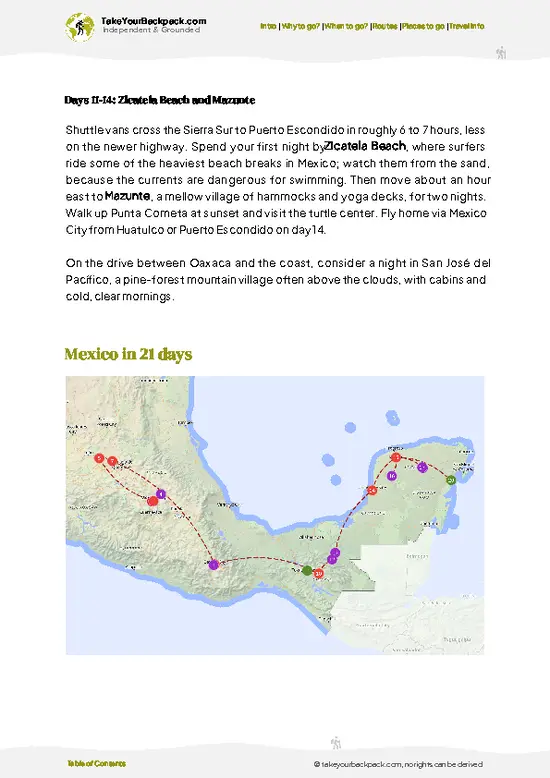
The Ruins of the Templo Mayor
Let’s cut through the Instagram haze: the Templo Mayor isn’t some untouched relic in a remote jungle. It’s a jagged, half-excavated heart of the Aztec capital, jammed right next to Mexico City’s cathedral and the chaos of the Zócalo. You’ll see the actual stone steps where priests performed rituals—yes, including the infamous sacrifices. The scale is humbling, but what really hits is the sense of layers: Spanish colonial, modern Mexico, and the Aztec world all colliding in one city block. You’re not just looking at ruins; you’re standing in the middle of a centuries-long power struggle, and you can feel it in your bones.
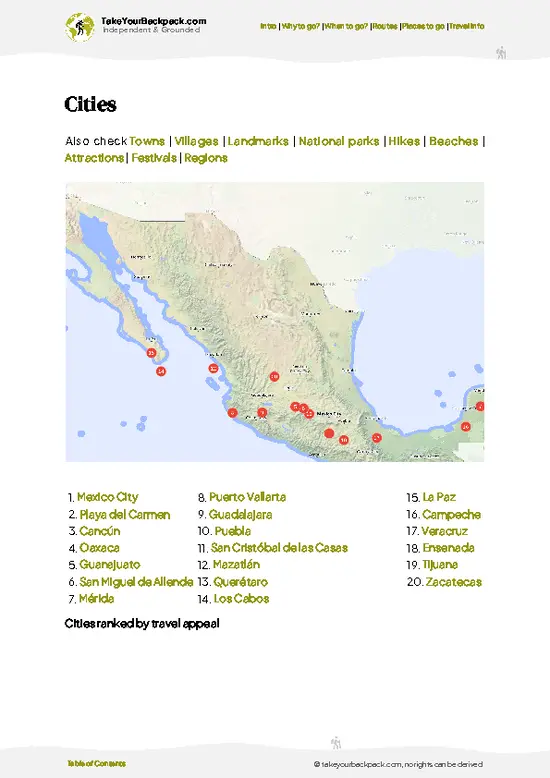
The Monolith of Coyolxauhqui
This isn’t just a big rock. It’s a 3.25-meter-wide, intricately carved disk depicting the dismembered moon goddess, … read more 👉
Let’s cut through the Instagram haze: the Templo Mayor isn’t some untouched relic in a remote jungle. It’s a jagged, half-excavated heart of the Aztec capital, jammed right next to Mexico City’s cathedral and the chaos of the Zócalo. You’ll see the actual stone steps where priests performed rituals—yes, including the infamous sacrifices. The scale is humbling, but what really hits is the sense of layers: Spanish colonial, modern Mexico, and the Aztec world all colliding in one city block. You’re not just looking at ruins; you’re standing in the middle of a centuries-long power struggle, and you can feel it in your bones.
The Monolith of Coyolxauhqui
This isn’t just a big rock. It’s a 3.25-meter-wide, intricately carved disk depicting the dismembered moon goddess, … read more 👉
The Ruins of the Templo Mayor
Let’s cut through the Instagram haze: the Templo Mayor isn’t some untouched relic in a remote jungle. It’s a jagged, half-excavated heart of the Aztec capital, jammed right next to Mexico City’s cathedral and the chaos of the Zócalo. You’ll see the actual stone steps where priests performed rituals—yes, including the infamous sacrifices. The scale is humbling, but what really hits is the sense of layers: Spanish colonial, modern Mexico, and the Aztec world all colliding in one city block. You’re not just looking at ruins; you’re standing in the middle of a centuries-long power struggle, and you can feel it in your bones.
The Monolith of Coyolxauhqui
This isn’t just a big rock. It’s a 3.25-meter-wide, intricately carved disk depicting the dismembered moon goddess, Coyolxauhqui. The Spanish buried it, the city forgot it, and then—boom—workers unearthed it in 1978, changing Mexican archaeology forever. The detail is brutal and beautiful: you can see the goddess’s severed limbs, her jewelry, her expression. It’s not sanitized history; it’s raw, mythic storytelling in stone.
The Wall of Skulls (Tzompantli)
Forget the sanitized museum dioramas. Here, you get a reconstructed wall that once displayed hundreds of real human skulls. The Aztecs weren’t shy about their power, and this was their billboard. The museum’s display is both clinical and chilling—rows of skulls, some original, some replicas, all staring back at you. It’s a gut-check moment that makes you question everything you thought you knew about pre-Hispanic Mexico.
The Sacred Offerings
This is where the Templo Mayor Museum flexes its muscle. The offerings—obsidian blades, jade masks, seashells from distant coasts—were buried by priests as gifts to the gods. The sheer variety is wild: crocodile bones, rubber balls, even starfish hauled from the Gulf. Each artifact is a clue to the Aztecs’ far-reaching trade networks and their obsession with cosmic order. It’s like opening a time capsule packed by people who saw the universe as alive and hungry.
The Model of Tenochtitlan
Personal favorite. This scale model is the closest you’ll get to time travel in downtown Mexico City. You’ll see the city as it was: a grid of temples and canals floating on a lake, with the Templo Mayor at its core. It’s a visual punch in the gut—realizing that beneath the asphalt and traffic, there was once a city as organized and ambitious as anything in Europe or Asia. It’s the antidote to every “Aztecs were savages” myth you’ve ever heard.
The Serpent Heads
You’ll spot these massive, carved serpent heads at the base of the ruins—jaguar-sized, with fangs bared. They’re not just decoration; they’re a warning and a welcome, marking the boundary between the sacred and the profane. The craftsmanship is sharp, the symbolism sharper. Stand in front of one and you’ll feel the weight of a civilization that built its identity on spectacle and awe.
Let’s cut through the Instagram haze: the Templo Mayor isn’t some untouched relic in a remote jungle. It’s a jagged, half-excavated heart of the Aztec capital, jammed right next to Mexico City’s cathedral and the chaos of the Zócalo. You’ll see the actual stone steps where priests performed rituals—yes, including the infamous sacrifices. The scale is humbling, but what really hits is the sense of layers: Spanish colonial, modern Mexico, and the Aztec world all colliding in one city block. You’re not just looking at ruins; you’re standing in the middle of a centuries-long power struggle, and you can feel it in your bones.
The Monolith of Coyolxauhqui
This isn’t just a big rock. It’s a 3.25-meter-wide, intricately carved disk depicting the dismembered moon goddess, Coyolxauhqui. The Spanish buried it, the city forgot it, and then—boom—workers unearthed it in 1978, changing Mexican archaeology forever. The detail is brutal and beautiful: you can see the goddess’s severed limbs, her jewelry, her expression. It’s not sanitized history; it’s raw, mythic storytelling in stone.
The Wall of Skulls (Tzompantli)
Forget the sanitized museum dioramas. Here, you get a reconstructed wall that once displayed hundreds of real human skulls. The Aztecs weren’t shy about their power, and this was their billboard. The museum’s display is both clinical and chilling—rows of skulls, some original, some replicas, all staring back at you. It’s a gut-check moment that makes you question everything you thought you knew about pre-Hispanic Mexico.
The Sacred Offerings
This is where the Templo Mayor Museum flexes its muscle. The offerings—obsidian blades, jade masks, seashells from distant coasts—were buried by priests as gifts to the gods. The sheer variety is wild: crocodile bones, rubber balls, even starfish hauled from the Gulf. Each artifact is a clue to the Aztecs’ far-reaching trade networks and their obsession with cosmic order. It’s like opening a time capsule packed by people who saw the universe as alive and hungry.
The Model of Tenochtitlan
Personal favorite. This scale model is the closest you’ll get to time travel in downtown Mexico City. You’ll see the city as it was: a grid of temples and canals floating on a lake, with the Templo Mayor at its core. It’s a visual punch in the gut—realizing that beneath the asphalt and traffic, there was once a city as organized and ambitious as anything in Europe or Asia. It’s the antidote to every “Aztecs were savages” myth you’ve ever heard.
The Serpent Heads
You’ll spot these massive, carved serpent heads at the base of the ruins—jaguar-sized, with fangs bared. They’re not just decoration; they’re a warning and a welcome, marking the boundary between the sacred and the profane. The craftsmanship is sharp, the symbolism sharper. Stand in front of one and you’ll feel the weight of a civilization that built its identity on spectacle and awe.
Spotted a mistake or missing something? Contact us.
v2.webp)


Best Backpacking
Hi, I’m Johan (Netherlands 🇳🇱), the creator of TakeYourBackpack. Over the past decade, I’ve backpacked through 80+ countries across six continents, gaining extensive experience with independent travel, long-term trips, and overland routes.