v2.webp)
Biserica de Lemn din Duruitoarea Veche (Wooden Church of Duruitoarea Veche)
You’ll smell the resin and old timber before you see the church. This 18th-century wooden sanctuary stands quietly on a rise, its shingled roof weathered to a silvery gray, the air inside thick with candle wax and incense. It’s not just a relic—it’s the living heart of the village, where locals still gather for Orthodox services. The hand-carved iconostasis and creaking floorboards tell stories of centuries of faith and resilience. Visit on a Sunday morning for the full sensory experience: bells, voices, and the slow swirl of incense. Entry is free, but a small donation is appreciated. Allow 30-45 minutes, longer if you linger for a service.
Duruitoarea Veche Cave (Peștera Duruitoarea Veche)
The cave is the reason … read more 👉
You’ll smell the resin and old timber before you see the church. This 18th-century wooden sanctuary stands quietly on a rise, its shingled roof weathered to a silvery gray, the air inside thick with candle wax and incense. It’s not just a relic—it’s the living heart of the village, where locals still gather for Orthodox services. The hand-carved iconostasis and creaking floorboards tell stories of centuries of faith and resilience. Visit on a Sunday morning for the full sensory experience: bells, voices, and the slow swirl of incense. Entry is free, but a small donation is appreciated. Allow 30-45 minutes, longer if you linger for a service.
Duruitoarea Veche Cave (Peștera Duruitoarea Veche)
The cave is the reason … read more 👉
Biserica de Lemn din Duruitoarea Veche (Wooden Church of Duruitoarea Veche)
You’ll smell the resin and old timber before you see the church. This 18th-century wooden sanctuary stands quietly on a rise, its shingled roof weathered to a silvery gray, the air inside thick with candle wax and incense. It’s not just a relic—it’s the living heart of the village, where locals still gather for Orthodox services. The hand-carved iconostasis and creaking floorboards tell stories of centuries of faith and resilience. Visit on a Sunday morning for the full sensory experience: bells, voices, and the slow swirl of incense. Entry is free, but a small donation is appreciated. Allow 30-45 minutes, longer if you linger for a service.
Duruitoarea Veche Cave (Peștera Duruitoarea Veche)
The cave is the reason some people even know this village exists. A short, slightly steep walk from the center, the limestone mouth yawns open above the Răut River valley. Inside, the air is cool and damp, and the walls are etched with traces of prehistoric habitation—archaeologists have found tools and bones dating back over 20,000 years. The cave isn’t lit or commercialized, so bring a headlamp and sturdy shoes. The best time to visit is late spring or early autumn, when the path is dry and the valley is green. There’s no entrance fee. Plan for 45-60 minutes, including the walk up.
Răut River Overlook
This isn’t a marked viewpoint, but you’ll know it when you find it: a grassy bluff above the river, with hawthorn and wildflowers underfoot and the wind carrying the scent of cut hay. From here, the valley opens up in a patchwork of fields and forest, and you can watch the light shift across the landscape as clouds roll by. It’s a favorite spot for locals to picnic or just sit and let the silence settle in. Bring your own snacks. Early evening is magic hour, especially in late May or September. Free, and as long as you want to stay.
Village Museum Room (Sala Muzeală Sătească)
Housed in a corner of the community center, this small but earnest exhibit is curated by local teachers and elders. Expect handwoven textiles, battered farm tools, and black-and-white photos of villagers in traditional dress. It’s not polished, but it’s personal—if you’re lucky, someone will offer a story or a glass of homemade wine. Open most afternoons; entry is by donation. Give yourself 20-30 minutes, or longer if you get drawn into conversation.
Traditional Moldovan Lunch at a Local Home
This isn’t a restaurant, but with a bit of advance notice (ask at the community center or church), you can arrange a home-cooked meal with a village family. Expect mamaliga (cornmeal porridge), brânză (fresh cheese), garden vegetables, and maybe a shot of țuică (plum brandy). The kitchen smells of dill and woodsmoke, and the meal is slow, generous, and full of laughter. It’s the most direct route to the soul of Duruitoarea Veche. Costs vary (expect €10-15 per person), and lunch can stretch to two hours if the conversation flows.
If you’re itching to explore further, the limestone cliffs and ancient cave complexes of Duruitoarea Nouă, the medieval Orheiul Vechi monastery, and the rolling vineyards of the Răut valley are all within easy reach for a day trip from Duruitoarea Veche.
You’ll smell the resin and old timber before you see the church. This 18th-century wooden sanctuary stands quietly on a rise, its shingled roof weathered to a silvery gray, the air inside thick with candle wax and incense. It’s not just a relic—it’s the living heart of the village, where locals still gather for Orthodox services. The hand-carved iconostasis and creaking floorboards tell stories of centuries of faith and resilience. Visit on a Sunday morning for the full sensory experience: bells, voices, and the slow swirl of incense. Entry is free, but a small donation is appreciated. Allow 30-45 minutes, longer if you linger for a service.
Duruitoarea Veche Cave (Peștera Duruitoarea Veche)
The cave is the reason some people even know this village exists. A short, slightly steep walk from the center, the limestone mouth yawns open above the Răut River valley. Inside, the air is cool and damp, and the walls are etched with traces of prehistoric habitation—archaeologists have found tools and bones dating back over 20,000 years. The cave isn’t lit or commercialized, so bring a headlamp and sturdy shoes. The best time to visit is late spring or early autumn, when the path is dry and the valley is green. There’s no entrance fee. Plan for 45-60 minutes, including the walk up.
Răut River Overlook
This isn’t a marked viewpoint, but you’ll know it when you find it: a grassy bluff above the river, with hawthorn and wildflowers underfoot and the wind carrying the scent of cut hay. From here, the valley opens up in a patchwork of fields and forest, and you can watch the light shift across the landscape as clouds roll by. It’s a favorite spot for locals to picnic or just sit and let the silence settle in. Bring your own snacks. Early evening is magic hour, especially in late May or September. Free, and as long as you want to stay.
Village Museum Room (Sala Muzeală Sătească)
Housed in a corner of the community center, this small but earnest exhibit is curated by local teachers and elders. Expect handwoven textiles, battered farm tools, and black-and-white photos of villagers in traditional dress. It’s not polished, but it’s personal—if you’re lucky, someone will offer a story or a glass of homemade wine. Open most afternoons; entry is by donation. Give yourself 20-30 minutes, or longer if you get drawn into conversation.
Traditional Moldovan Lunch at a Local Home
This isn’t a restaurant, but with a bit of advance notice (ask at the community center or church), you can arrange a home-cooked meal with a village family. Expect mamaliga (cornmeal porridge), brânză (fresh cheese), garden vegetables, and maybe a shot of țuică (plum brandy). The kitchen smells of dill and woodsmoke, and the meal is slow, generous, and full of laughter. It’s the most direct route to the soul of Duruitoarea Veche. Costs vary (expect €10-15 per person), and lunch can stretch to two hours if the conversation flows.
If you’re itching to explore further, the limestone cliffs and ancient cave complexes of Duruitoarea Nouă, the medieval Orheiul Vechi monastery, and the rolling vineyards of the Răut valley are all within easy reach for a day trip from Duruitoarea Veche.
Spotted a mistake or missing something? Contact us.

Transnistria Back in the USSR Tour

Authentic Moldova - Excursion to Orhei Vechi

1 Day: Old Orhei, Curchi monastery and Cricova Winery (optional)

Discover Full TRANSNISTRIA from Chisinau

Private Transfer to or from Chisinau Airport

Old Orhei and Butuceni breakfast+sunset

Visit Milestii Mici the Largest Wine Cellar in the World

Full-Day Hiking Trip to Tipova Cave Monastery and Lalova Village

Visit the Largest Winery in the World and Manuc Bei Mansion




 Best Backpacking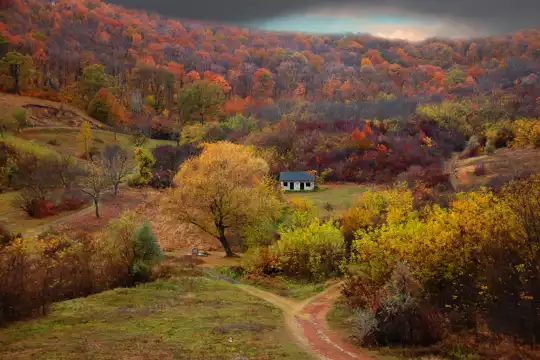
.jpg) Hi, I’m Johan (Netherlands 🇳🇱), the creator of TakeYourBackpack. Over the past decade, I’ve backpacked through 80+ countries across six continents, gaining extensive experience with independent travel, long-term trips, and overland routes.
Hi, I’m Johan (Netherlands 🇳🇱), the creator of TakeYourBackpack. Over the past decade, I’ve backpacked through 80+ countries across six continents, gaining extensive experience with independent travel, long-term trips, and overland routes.