v2.webp)
The Forest Approach
Forget the Instagram shots of golden domes floating in a sea of green. The real magic starts before you even see the monastery. The drive (or hike, if you’re ambitious) winds through the Codrii forest, Moldova’s lungs. It’s not a manicured park—think wild, tangled woods, birds you won’t hear in Chisinau, and that earthy, loamy smell that city air can’t fake. If you’re lucky, you’ll catch the morning mist clinging to the trees. This isn’t just scenery; it’s a mood-setter. The isolation is real. You feel it in your bones before you ever hear a bell.
The Main Cathedral
Yes, it’s photogenic, but don’t stop at the façade. Step inside and you’ll get a full sensory hit: beeswax candles, the echo of chanting, and walls covered in iconography that’s more raw and expressive than the … read more 👉
Forget the Instagram shots of golden domes floating in a sea of green. The real magic starts before you even see the monastery. The drive (or hike, if you’re ambitious) winds through the Codrii forest, Moldova’s lungs. It’s not a manicured park—think wild, tangled woods, birds you won’t hear in Chisinau, and that earthy, loamy smell that city air can’t fake. If you’re lucky, you’ll catch the morning mist clinging to the trees. This isn’t just scenery; it’s a mood-setter. The isolation is real. You feel it in your bones before you ever hear a bell.
The Main Cathedral
Yes, it’s photogenic, but don’t stop at the façade. Step inside and you’ll get a full sensory hit: beeswax candles, the echo of chanting, and walls covered in iconography that’s more raw and expressive than the … read more 👉
The Forest Approach
Forget the Instagram shots of golden domes floating in a sea of green. The real magic starts before you even see the monastery. The drive (or hike, if you’re ambitious) winds through the Codrii forest, Moldova’s lungs. It’s not a manicured park—think wild, tangled woods, birds you won’t hear in Chisinau, and that earthy, loamy smell that city air can’t fake. If you’re lucky, you’ll catch the morning mist clinging to the trees. This isn’t just scenery; it’s a mood-setter. The isolation is real. You feel it in your bones before you ever hear a bell.
The Main Cathedral
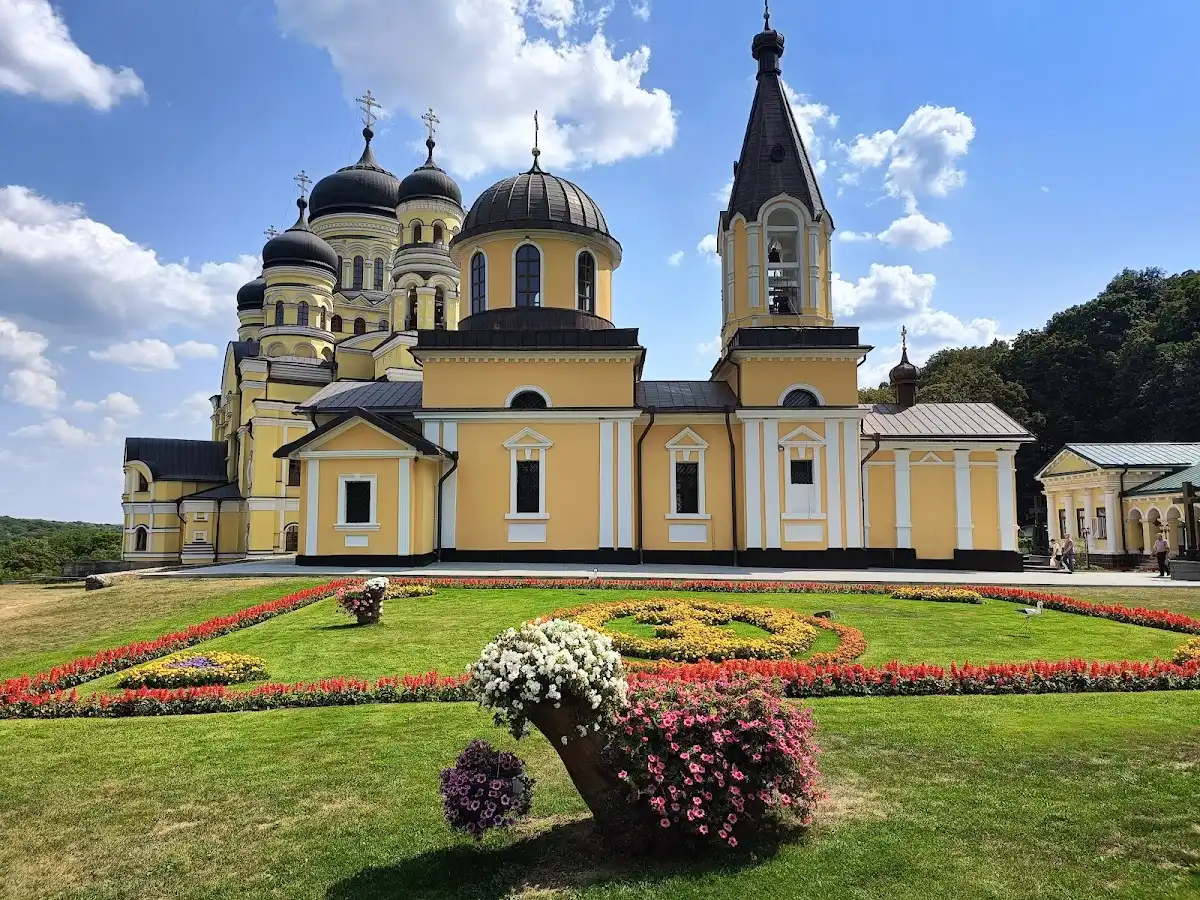
Yes, it’s photogenic, but don’t stop at the façade. Step inside and you’ll get a full sensory hit: beeswax candles, the echo of chanting, and walls covered in iconography that’s more raw and expressive than the polished stuff you’ll see in big-city churches. The cathedral isn’t ancient (rebuilt in the 1990s after Soviet destruction), but the energy is old. Locals come here to pray, not pose. If you’re lucky enough to catch a service, the singing will rattle your ribcage.
The Spring of Hancu
This isn’t a tourist trap with a gift shop and a turnstile. The spring is a short walk from the main complex, tucked into the woods. Pilgrims come for the water, which is rumored to have healing properties. You’ll see people filling plastic bottles, splashing their faces, or just sitting quietly. The vibe is humble, not commercial. If you’re skeptical, fine—just dip your hands in and feel the chill. It’s a ritual that connects you to centuries of hope and hardship.
The Nuns’ Daily Routine
This is a working monastery, not a museum. The nuns aren’t actors—they’re busy. You’ll see them tending gardens, baking bread, or moving purposefully between buildings. There’s a quiet discipline here that’s almost hypnotic. If you’re respectful, you might get a nod or a smile, but don’t expect a guided tour. The authenticity is in the background details: the clang of a bucket, the scent of fresh bread, the sound of laughter behind a wall.
The Cemetery
It’s not on most tourist checklists, but the small cemetery behind the monastery is worth a detour. The graves are simple, marked with wooden crosses and wildflowers. Some date back to the 18th century. It’s a place for reflection, not selfies. If you want to understand the soul of Hancu, spend a few quiet minutes here. The silence is thick, and the sense of continuity—of lives lived and lost in this remote valley—hits harder than any postcard view.
Forget the Instagram shots of golden domes floating in a sea of green. The real magic starts before you even see the monastery. The drive (or hike, if you’re ambitious) winds through the Codrii forest, Moldova’s lungs. It’s not a manicured park—think wild, tangled woods, birds you won’t hear in Chisinau, and that earthy, loamy smell that city air can’t fake. If you’re lucky, you’ll catch the morning mist clinging to the trees. This isn’t just scenery; it’s a mood-setter. The isolation is real. You feel it in your bones before you ever hear a bell.
The Main Cathedral
Yes, it’s photogenic, but don’t stop at the façade. Step inside and you’ll get a full sensory hit: beeswax candles, the echo of chanting, and walls covered in iconography that’s more raw and expressive than the polished stuff you’ll see in big-city churches. The cathedral isn’t ancient (rebuilt in the 1990s after Soviet destruction), but the energy is old. Locals come here to pray, not pose. If you’re lucky enough to catch a service, the singing will rattle your ribcage.
The Spring of Hancu
This isn’t a tourist trap with a gift shop and a turnstile. The spring is a short walk from the main complex, tucked into the woods. Pilgrims come for the water, which is rumored to have healing properties. You’ll see people filling plastic bottles, splashing their faces, or just sitting quietly. The vibe is humble, not commercial. If you’re skeptical, fine—just dip your hands in and feel the chill. It’s a ritual that connects you to centuries of hope and hardship.
The Nuns’ Daily Routine
This is a working monastery, not a museum. The nuns aren’t actors—they’re busy. You’ll see them tending gardens, baking bread, or moving purposefully between buildings. There’s a quiet discipline here that’s almost hypnotic. If you’re respectful, you might get a nod or a smile, but don’t expect a guided tour. The authenticity is in the background details: the clang of a bucket, the scent of fresh bread, the sound of laughter behind a wall.
The Cemetery
It’s not on most tourist checklists, but the small cemetery behind the monastery is worth a detour. The graves are simple, marked with wooden crosses and wildflowers. Some date back to the 18th century. It’s a place for reflection, not selfies. If you want to understand the soul of Hancu, spend a few quiet minutes here. The silence is thick, and the sense of continuity—of lives lived and lost in this remote valley—hits harder than any postcard view.
Spotted a mistake or missing something? Contact us.

Transnistria Back in the USSR Tour

Authentic Moldova - Excursion to Orhei Vechi

1 Day: Old Orhei, Curchi monastery and Cricova Winery (optional)

Private Transfer to or from Chisinau Airport

Discover Full TRANSNISTRIA from Chisinau

Old Orhei and Butuceni breakfast+sunset

Full-Day Hiking Trip to Tipova Cave Monastery and Lalova Village

Visit Milestii Mici the Largest Wine Cellar in the World

Visit the Largest Winery in the World and Manuc Bei Mansion



 Best Backpacking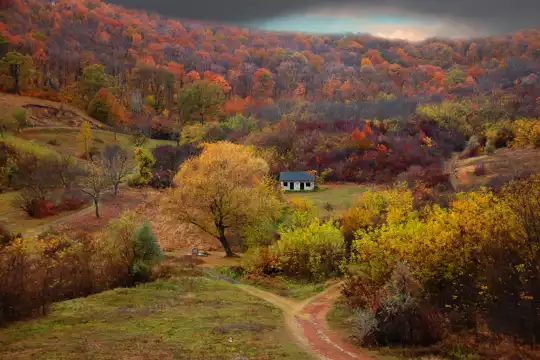
.jpg) Hi, I’m Johan (Netherlands 🇳🇱), the creator of TakeYourBackpack. Over the past decade, I’ve backpacked through 80+ countries across six continents, gaining extensive experience with independent travel, long-term trips, and overland routes.
Hi, I’m Johan (Netherlands 🇳🇱), the creator of TakeYourBackpack. Over the past decade, I’ve backpacked through 80+ countries across six continents, gaining extensive experience with independent travel, long-term trips, and overland routes.