v2.webp)
The Diorama Hall
Forget the dusty glass cases you expect from old-school museums. The Diorama Hall is a time capsule and a fever dream rolled into one. Giant, immersive displays drop you into Moldovan forests, wetlands, and steppe—complete with taxidermied wolves, wild boar, and birds frozen mid-hunt. It’s not subtle, but it’s wildly effective. Kids gawk, adults get nostalgic, and everyone leaves with a sharper sense of what actually lives in Moldova’s wild corners. It’s the closest you’ll get to a safari in Chisinau, minus the mosquito bites.
The Megalithic Stones
You don’t expect to find ancient standing stones in a city museum, but here they are: hulking, mysterious, and older than most European countries. These aren’t just rocks—they’re prehistoric markers, dragged here from Moldova’s countryside. … read more 👉
Forget the dusty glass cases you expect from old-school museums. The Diorama Hall is a time capsule and a fever dream rolled into one. Giant, immersive displays drop you into Moldovan forests, wetlands, and steppe—complete with taxidermied wolves, wild boar, and birds frozen mid-hunt. It’s not subtle, but it’s wildly effective. Kids gawk, adults get nostalgic, and everyone leaves with a sharper sense of what actually lives in Moldova’s wild corners. It’s the closest you’ll get to a safari in Chisinau, minus the mosquito bites.
The Megalithic Stones
You don’t expect to find ancient standing stones in a city museum, but here they are: hulking, mysterious, and older than most European countries. These aren’t just rocks—they’re prehistoric markers, dragged here from Moldova’s countryside. … read more 👉
The Diorama Hall
Forget the dusty glass cases you expect from old-school museums. The Diorama Hall is a time capsule and a fever dream rolled into one. Giant, immersive displays drop you into Moldovan forests, wetlands, and steppe—complete with taxidermied wolves, wild boar, and birds frozen mid-hunt. It’s not subtle, but it’s wildly effective. Kids gawk, adults get nostalgic, and everyone leaves with a sharper sense of what actually lives in Moldova’s wild corners. It’s the closest you’ll get to a safari in Chisinau, minus the mosquito bites.
The Megalithic Stones
You don’t expect to find ancient standing stones in a city museum, but here they are: hulking, mysterious, and older than most European countries. These aren’t just rocks—they’re prehistoric markers, dragged here from Moldova’s countryside. The museum doesn’t over-explain them, which is a blessing. You’re left to imagine the ceremonies, the ancient hands, the sheer effort it took to move these monoliths. It’s a rare, tactile connection to the region’s deep past, and you can get close enough to feel the grooves worn by centuries.
The Moldovan Village Model
This isn’t your average scale model. It’s a sprawling, hand-built recreation of a traditional Moldovan village, complete with tiny thatched houses, barns, and even miniature villagers going about their day. The detail is obsessive. You’ll spot everything from grape presses to chicken coops. It’s a crash course in rural Moldovan life—no translation needed. If you want to understand the country beyond Chisinau’s city blocks, start here.
The Soviet-Era Taxidermy Collection
This is where the museum’s age shows, and it’s glorious. Some of these taxidermied animals have been here since the Brezhnev era, and it’s obvious. Expect faded fur, glassy eyes, and a whiff of mothballs. But there’s a weird charm to it all. The collection is massive—lynx, storks, even a bear or two. It’s a living (well, not living) record of Moldova’s biodiversity, and a reminder of how museums used to do things: big, bold, and a little bit bonkers.
The Ethnographic Costume Displays
If you think folk costumes are just for postcards, think again. The museum’s collection is a riot of embroidery, color, and texture. Each region of Moldova is represented, from the intricate beadwork of the north to the heavy woolen coats of the south. These aren’t costumes—they’re wearable history, and the craftsmanship is next-level. You’ll leave with a new respect for the skill (and patience) it takes to make a shirt by hand.
The Fossil Room
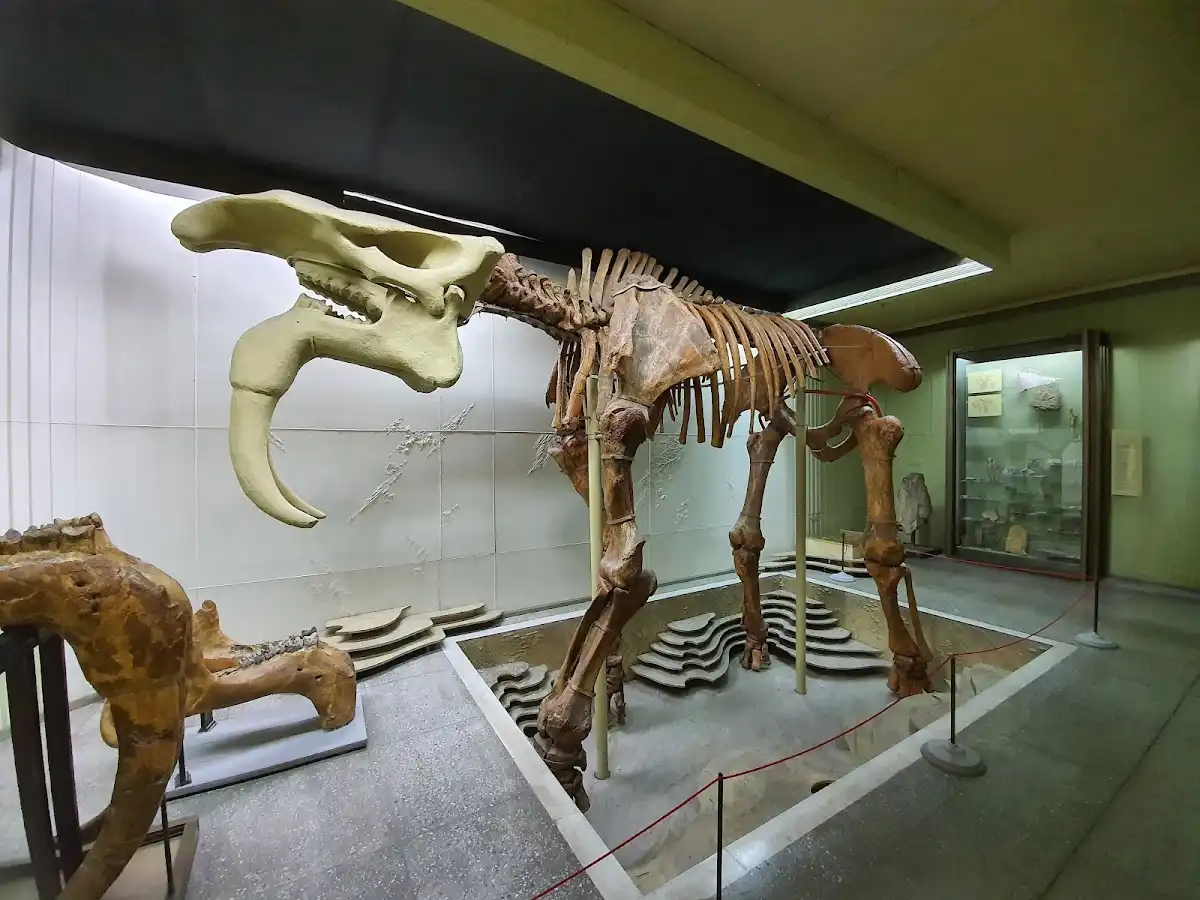
Dinosaurs in Moldova? Not quite, but the fossil room is still a showstopper. Giant mammoth bones, ancient fish, and petrified wood line the walls. It’s a reminder that this patch of land has been home to some wild creatures over the millennia. The displays are old-school, but the sense of discovery is real. If you’re traveling with kids—or just want to feel like one again—don’t skip it.
Forget the dusty glass cases you expect from old-school museums. The Diorama Hall is a time capsule and a fever dream rolled into one. Giant, immersive displays drop you into Moldovan forests, wetlands, and steppe—complete with taxidermied wolves, wild boar, and birds frozen mid-hunt. It’s not subtle, but it’s wildly effective. Kids gawk, adults get nostalgic, and everyone leaves with a sharper sense of what actually lives in Moldova’s wild corners. It’s the closest you’ll get to a safari in Chisinau, minus the mosquito bites.
The Megalithic Stones
You don’t expect to find ancient standing stones in a city museum, but here they are: hulking, mysterious, and older than most European countries. These aren’t just rocks—they’re prehistoric markers, dragged here from Moldova’s countryside. The museum doesn’t over-explain them, which is a blessing. You’re left to imagine the ceremonies, the ancient hands, the sheer effort it took to move these monoliths. It’s a rare, tactile connection to the region’s deep past, and you can get close enough to feel the grooves worn by centuries.
The Moldovan Village Model
This isn’t your average scale model. It’s a sprawling, hand-built recreation of a traditional Moldovan village, complete with tiny thatched houses, barns, and even miniature villagers going about their day. The detail is obsessive. You’ll spot everything from grape presses to chicken coops. It’s a crash course in rural Moldovan life—no translation needed. If you want to understand the country beyond Chisinau’s city blocks, start here.
The Soviet-Era Taxidermy Collection
This is where the museum’s age shows, and it’s glorious. Some of these taxidermied animals have been here since the Brezhnev era, and it’s obvious. Expect faded fur, glassy eyes, and a whiff of mothballs. But there’s a weird charm to it all. The collection is massive—lynx, storks, even a bear or two. It’s a living (well, not living) record of Moldova’s biodiversity, and a reminder of how museums used to do things: big, bold, and a little bit bonkers.
The Ethnographic Costume Displays
If you think folk costumes are just for postcards, think again. The museum’s collection is a riot of embroidery, color, and texture. Each region of Moldova is represented, from the intricate beadwork of the north to the heavy woolen coats of the south. These aren’t costumes—they’re wearable history, and the craftsmanship is next-level. You’ll leave with a new respect for the skill (and patience) it takes to make a shirt by hand.
The Fossil Room
Dinosaurs in Moldova? Not quite, but the fossil room is still a showstopper. Giant mammoth bones, ancient fish, and petrified wood line the walls. It’s a reminder that this patch of land has been home to some wild creatures over the millennia. The displays are old-school, but the sense of discovery is real. If you’re traveling with kids—or just want to feel like one again—don’t skip it.
Spotted a mistake or missing something? Contact us.

Transnistria Back in the USSR Tour

Authentic Moldova - Excursion to Orhei Vechi

1 Day: Old Orhei, Curchi monastery and Cricova Winery (optional)

Discover Full TRANSNISTRIA from Chisinau

Private Transfer to or from Chisinau Airport

Old Orhei and Butuceni breakfast+sunset

Visit Milestii Mici the Largest Wine Cellar in the World

Full-Day Hiking Trip to Tipova Cave Monastery and Lalova Village

Private Cherry Liqueur Tour from Chisinau




 Best Backpacking
.jpg) Hi, I’m Johan (Netherlands 🇳🇱), the creator of TakeYourBackpack. Over the past decade, I’ve backpacked through 80+ countries across six continents, gaining extensive experience with independent travel, long-term trips, and overland routes.
Hi, I’m Johan (Netherlands 🇳🇱), the creator of TakeYourBackpack. Over the past decade, I’ve backpacked through 80+ countries across six continents, gaining extensive experience with independent travel, long-term trips, and overland routes.