v2.webp)
The Descent to the Dniester
Forget the Instagram drone shots—getting to Tipova Cave Monastery is a workout. The real adventure starts with the hike down the steep, rocky path that snakes from the plateau to the riverbank. You’ll sweat, you’ll slip, and you’ll curse your backpack’s weight, but the payoff is a sense of arrival that no air-conditioned tour bus can fake. The Dniester River sprawls below, and the silence is so thick you can hear your own heartbeat. This isn’t a place you just “pop by”—you earn it, and that’s half the magic.
The Cave Churches
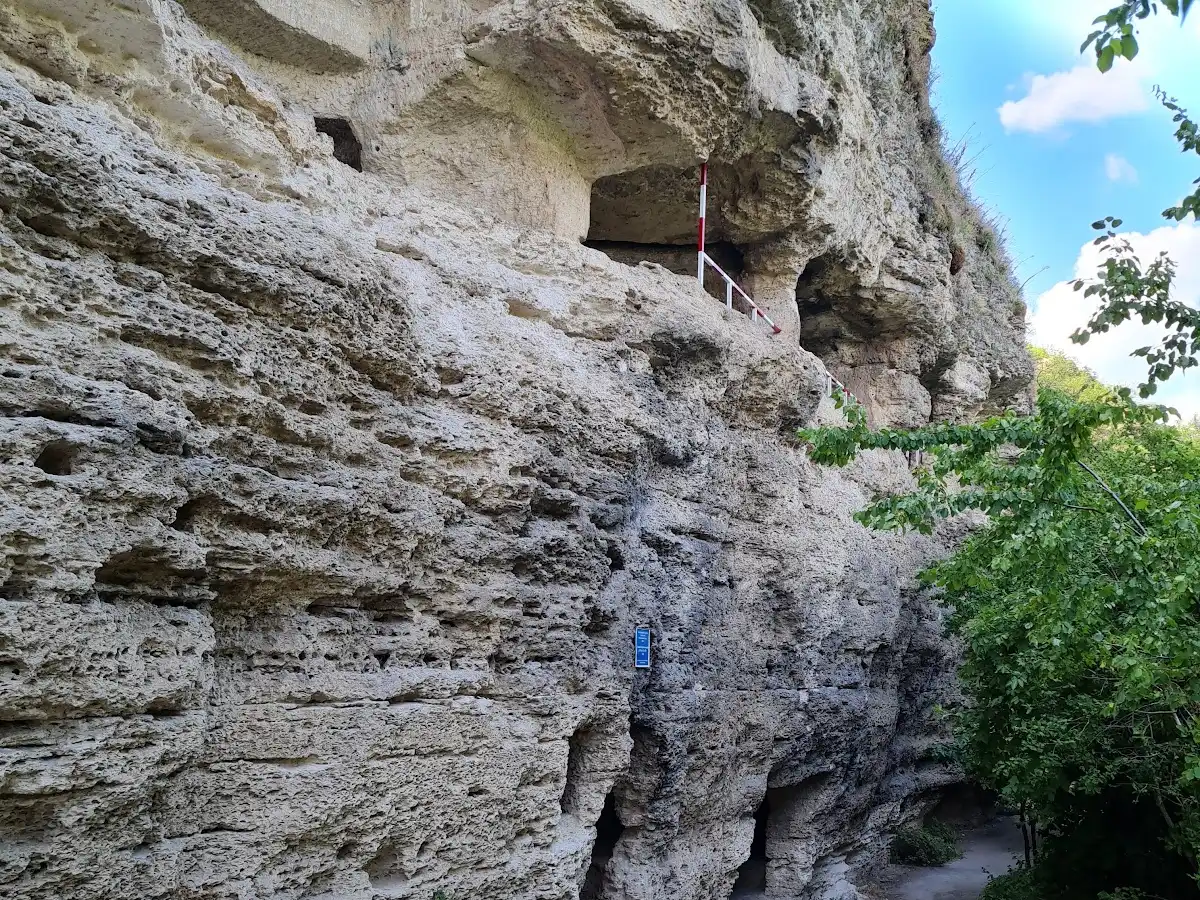
Tipova isn’t a single cave—it’s a honeycomb of hand-carved chapels, cells, and corridors gouged into the limestone cliff. Some date back to the 11th century, and you can still see the soot stains from centuries of candle smoke. The main church, … read more 👉
Forget the Instagram drone shots—getting to Tipova Cave Monastery is a workout. The real adventure starts with the hike down the steep, rocky path that snakes from the plateau to the riverbank. You’ll sweat, you’ll slip, and you’ll curse your backpack’s weight, but the payoff is a sense of arrival that no air-conditioned tour bus can fake. The Dniester River sprawls below, and the silence is so thick you can hear your own heartbeat. This isn’t a place you just “pop by”—you earn it, and that’s half the magic.
The Cave Churches
Tipova isn’t a single cave—it’s a honeycomb of hand-carved chapels, cells, and corridors gouged into the limestone cliff. Some date back to the 11th century, and you can still see the soot stains from centuries of candle smoke. The main church, … read more 👉
The Descent to the Dniester
Forget the Instagram drone shots—getting to Tipova Cave Monastery is a workout. The real adventure starts with the hike down the steep, rocky path that snakes from the plateau to the riverbank. You’ll sweat, you’ll slip, and you’ll curse your backpack’s weight, but the payoff is a sense of arrival that no air-conditioned tour bus can fake. The Dniester River sprawls below, and the silence is so thick you can hear your own heartbeat. This isn’t a place you just “pop by”—you earn it, and that’s half the magic.
The Cave Churches
Tipova isn’t a single cave—it’s a honeycomb of hand-carved chapels, cells, and corridors gouged into the limestone cliff. Some date back to the 11th century, and you can still see the soot stains from centuries of candle smoke. The main church, with its rough-hewn altar and faded frescoes, feels more like a secret than a monument. There’s no velvet rope, no glass barrier—just you, the stone, and the ghosts of monks who once hid here from invaders and empires. It’s raw, it’s real, and it’s the opposite of a sanitized museum.
The Waterfall
Most people come for the monastery, but the waterfall is the wild card. It’s not Niagara, but after a rain, the cascade tumbles over the cliffs in a white roar, feeding the lush micro-jungle below. In summer, it’s a cool misty oasis; in spring, it’s a muddy, thundering beast. Stand close enough and you’ll get soaked—no filters, no crowds, just the rush of water and the smell of wet earth.
The Hermit Cells
Wander off the main path and you’ll find tiny, windowless cells chipped into the rock. These weren’t built for show—they were survival bunkers for monks dodging everything from Ottoman raids to Soviet suspicion. Crawl inside (if you’re not claustrophobic) and you’ll get a taste of the isolation that shaped centuries of faith and folklore here. It’s humbling, a little eerie, and absolutely unforgettable.
The Cliffside Vistas
Tipova’s best views aren’t marked on any map. Scramble up the side trails and you’ll find ledges where the Dniester bends in lazy loops below, and the cliffs glow gold at sunset. No crowds, no selfie sticks—just wind, river, and the kind of silence that makes you feel like you’ve slipped out of time. This is where you realize why monks chose this place: not just for hiding, but for the kind of beauty that makes you believe in something bigger.
The Pagan Echoes
Long before Christianity, these caves were sacred to pre-Christian cults. Look for the odd carvings and niches that don’t fit the Orthodox mold—evidence of rituals older than the monastery itself. This layering of faiths gives Tipova a depth you won’t find in most European monasteries. It’s not just a relic; it’s a palimpsest of belief, survival, and stubborn hope.
Forget the Instagram drone shots—getting to Tipova Cave Monastery is a workout. The real adventure starts with the hike down the steep, rocky path that snakes from the plateau to the riverbank. You’ll sweat, you’ll slip, and you’ll curse your backpack’s weight, but the payoff is a sense of arrival that no air-conditioned tour bus can fake. The Dniester River sprawls below, and the silence is so thick you can hear your own heartbeat. This isn’t a place you just “pop by”—you earn it, and that’s half the magic.
The Cave Churches
Tipova isn’t a single cave—it’s a honeycomb of hand-carved chapels, cells, and corridors gouged into the limestone cliff. Some date back to the 11th century, and you can still see the soot stains from centuries of candle smoke. The main church, with its rough-hewn altar and faded frescoes, feels more like a secret than a monument. There’s no velvet rope, no glass barrier—just you, the stone, and the ghosts of monks who once hid here from invaders and empires. It’s raw, it’s real, and it’s the opposite of a sanitized museum.
The Waterfall
Most people come for the monastery, but the waterfall is the wild card. It’s not Niagara, but after a rain, the cascade tumbles over the cliffs in a white roar, feeding the lush micro-jungle below. In summer, it’s a cool misty oasis; in spring, it’s a muddy, thundering beast. Stand close enough and you’ll get soaked—no filters, no crowds, just the rush of water and the smell of wet earth.
The Hermit Cells
Wander off the main path and you’ll find tiny, windowless cells chipped into the rock. These weren’t built for show—they were survival bunkers for monks dodging everything from Ottoman raids to Soviet suspicion. Crawl inside (if you’re not claustrophobic) and you’ll get a taste of the isolation that shaped centuries of faith and folklore here. It’s humbling, a little eerie, and absolutely unforgettable.
The Cliffside Vistas
Tipova’s best views aren’t marked on any map. Scramble up the side trails and you’ll find ledges where the Dniester bends in lazy loops below, and the cliffs glow gold at sunset. No crowds, no selfie sticks—just wind, river, and the kind of silence that makes you feel like you’ve slipped out of time. This is where you realize why monks chose this place: not just for hiding, but for the kind of beauty that makes you believe in something bigger.
The Pagan Echoes
Long before Christianity, these caves were sacred to pre-Christian cults. Look for the odd carvings and niches that don’t fit the Orthodox mold—evidence of rituals older than the monastery itself. This layering of faiths gives Tipova a depth you won’t find in most European monasteries. It’s not just a relic; it’s a palimpsest of belief, survival, and stubborn hope.
Spotted a mistake or missing something? Contact us.

Transnistria Back in the USSR Tour

Authentic Moldova - Excursion to Orhei Vechi

1 Day: Old Orhei, Curchi monastery and Cricova Winery (optional)

Private Transfer to or from Chisinau Airport

Discover Full TRANSNISTRIA from Chisinau

Old Orhei and Butuceni breakfast+sunset

Full-Day Hiking Trip to Tipova Cave Monastery and Lalova Village

Visit Milestii Mici the Largest Wine Cellar in the World

Visit the Largest Winery in the World and Manuc Bei Mansion





 Best Backpacking
.jpg) Hi, I’m Johan (Netherlands 🇳🇱), the creator of TakeYourBackpack. Over the past decade, I’ve backpacked through 80+ countries across six continents, gaining extensive experience with independent travel, long-term trips, and overland routes.
Hi, I’m Johan (Netherlands 🇳🇱), the creator of TakeYourBackpack. Over the past decade, I’ve backpacked through 80+ countries across six continents, gaining extensive experience with independent travel, long-term trips, and overland routes.