v2.webp)
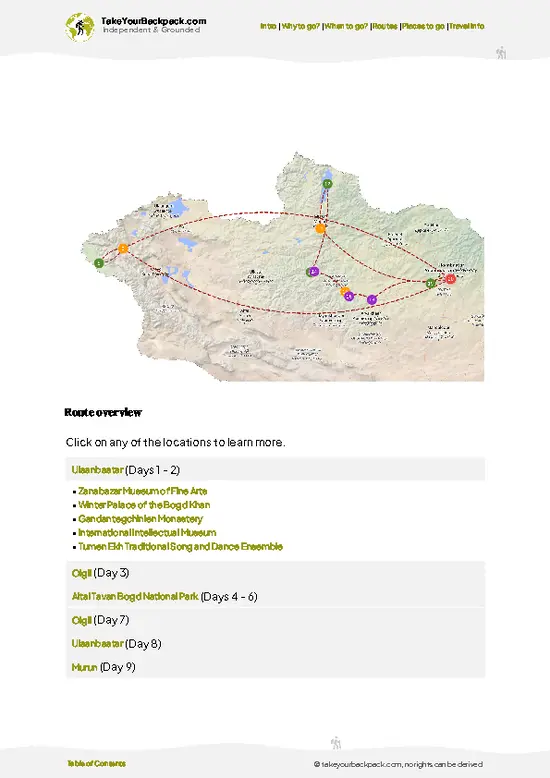
- Eagle-hunting demonstrations and competitions — Watching trained golden eagles work the Altai slopes is like stepping into a living history book. Handlers (often whole families) bring the birds in close, show traditional hunting signals and then let them loose across the steppe. The speed, the precision and the quiet between the beats make it unforgettable. (My personal favorite — nothing else at the festival hits you with that mix of skill, scent of leather and raw landscape.)
- Traditional Kazakh music and throat singing — Live khoomei (throat singing) and dombra-led songs float across the tents and hills, a low, haunting sound you don’t forget. It’s not a polished stage show so much as communal music: elders, youngsters and solo performers sharing epic poems and melodies that carry local
- Eagle-hunting demonstrations and competitions — Watching trained golden eagles work the Altai slopes is like stepping into a living history book. Handlers (often whole families) bring the birds in close, show traditional hunting signals and then let them loose across the steppe. The speed, the precision and the quiet between the beats make it unforgettable. (My personal favorite — nothing else at the festival hits you with that mix of skill, scent of leather and raw landscape.)
- Traditional Kazakh music and throat singing — Live khoomei (throat singing) and dombra-led songs float across the tents and hills, a low, haunting sound you don’t forget. It’s not a polished stage show so much as communal music: elders, youngsters and solo performers sharing epic poems and melodies that carry local history and mood.
- Mounted sports and horse races — Long-distance sprint races, trick riding and traditional mounted games give you the real nomadic adrenaline fix. Riders are often teenagers from nearby soums; the races are fast, dusty and raw, with a crowd that knows every turn. You’ll feel the importance of horses in Kazakh identity more clearly here than anywhere else.
- Yurt hospitality, food and everyday rituals — The festival is also about hanging inside gers, sampling kumys and steaming meat dishes, and accepting tea from hosts who are proud to share. Those small, mundane rituals — how guests are greeted, how food is served — are where the culture is most human and welcoming.
- Crafts, costumes and the parade of national dress — Expect silver jewelry, felt work, embroidered caps and bold, colorful costumes worn with real pride. The market stalls are excellent for close-up craft demos, and the costume parades highlight regional differences in a way photos can’t; you’ll want to ask about patterns and meanings.
Spotted a mistake or missing something? Contact us.
 Best Backpacking
.jpg) Hi, I’m Johan (Netherlands 🇳🇱), the creator of TakeYourBackpack. Over the past 3 decades, I’ve backpacked through 90+ countries across six continents, gaining extensive experience with independent travel, long-term trips, and overland routes.
Hi, I’m Johan (Netherlands 🇳🇱), the creator of TakeYourBackpack. Over the past 3 decades, I’ve backpacked through 90+ countries across six continents, gaining extensive experience with independent travel, long-term trips, and overland routes.