v2.webp)
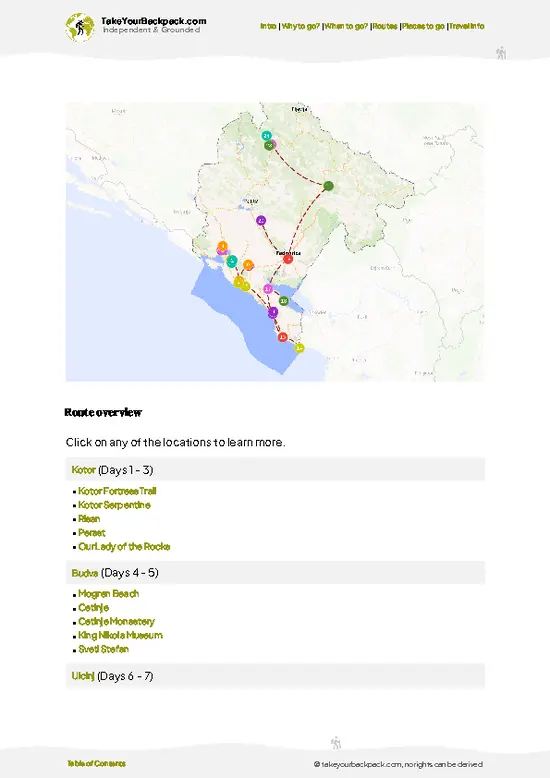
- Njeguši village main street and stone houses — The heartbeat of the place: narrow lanes, compact stone houses with slate roofs and drying hams hanging outside. Walking it gives a quick, honest sense of how people here live and how the architecture resists the mountain weather.
- Family smokehouses (pršut producers) — Small, working smokehouses run by locals where you can see traditional ham-curing up close and taste pršut in the spot it’s made. It’s both culinary and cultural: food, tools, and stories all bundled together.
- Local cheese cellars — Tiny dairies and cellars where Njeguški cheese is aged in stone nooks. Visiting one shows you the hands-on, slow-food side of mountain life and gives you the freshest cheese you’ll find anywhere nearby.
- Birthplace/family homesteads of the Njegoš
- Njeguši village main street and stone houses — The heartbeat of the place: narrow lanes, compact stone houses with slate roofs and drying hams hanging outside. Walking it gives a quick, honest sense of how people here live and how the architecture resists the mountain weather.
- Family smokehouses (pršut producers) — Small, working smokehouses run by locals where you can see traditional ham-curing up close and taste pršut in the spot it’s made. It’s both culinary and cultural: food, tools, and stories all bundled together.
- Local cheese cellars — Tiny dairies and cellars where Njeguški cheese is aged in stone nooks. Visiting one shows you the hands-on, slow-food side of mountain life and gives you the freshest cheese you’ll find anywhere nearby.
- Birthplace/family homesteads of the Njegoš clan (local memorials) — Small homesteads and plaques connected to the Njegoš family history; not a grand museum, but authentic spots that tie the village to Montenegro’s historic dynasty and local memory.
- Village church and graveyard — A modest Orthodox church and its surrounding family tombs where generations of villagers are remembered. It’s a quiet place to understand local faith, inscriptions, and clan ties.
- Local konoba (tavern) and tasting stops — Family-run taverns where you sit at the same table as villagers and eat Njeguški specialties. More than food — you get local hospitality, mountain dishes, and informal history from whoever’s serving.
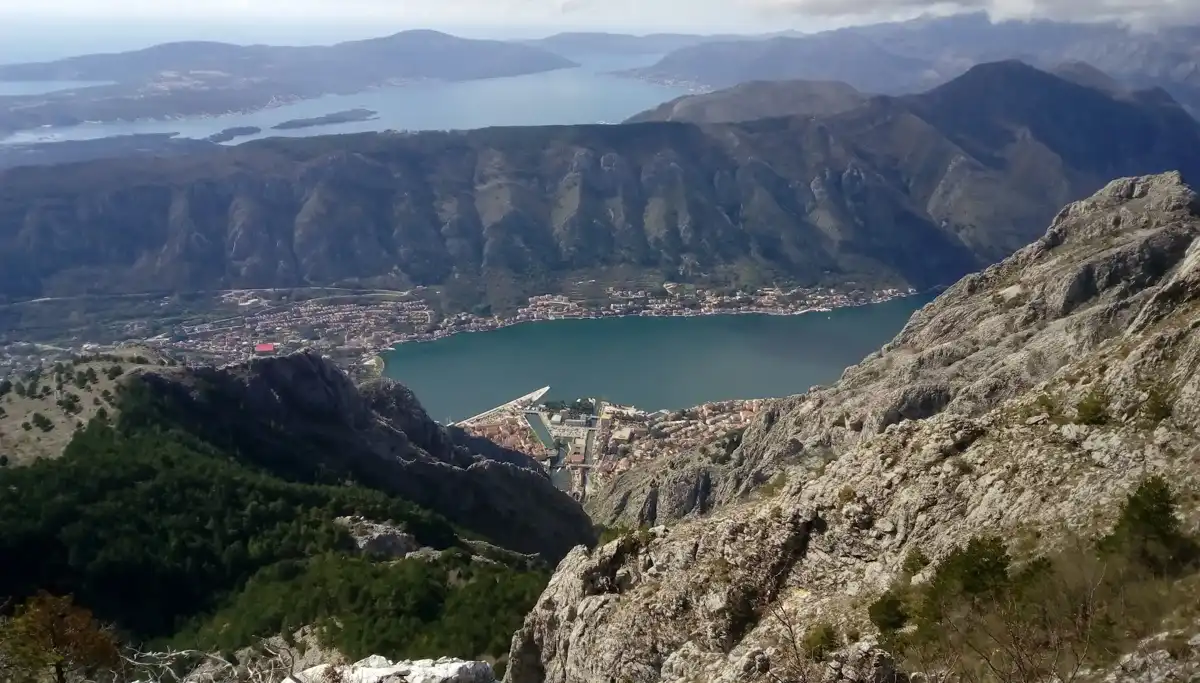
- Scenic village viewpoints — Several short footpaths from the houses open to dramatic drops and clear views toward Kotor Bay and the surrounding ridges. Best at sunrise or late afternoon when light sharpens the landscape.
- Old shepherd paths and stone steps — Walkable routes that cross the village and climb the slopes; they’re the historic arteries for local shepherding and still used by villagers and hikers. Good for a short, authentic mountain walk without crowds.
- Traditional agricultural plots and chestnut groves — Small terraces, chestnut trees, and beehives that show how villagers eke out food from tough terrain. Visiting in season (chestnut harvest, spring blooms) is especially rewarding.
- Small community exhibits and private ethnographic displays — Scattered displays in local houses or community rooms where tools, clothing, and photographs are kept. They’re informal and human—often shown by a proud local who’ll gladly explain what you’re looking at.
Spotted a mistake or missing something? Contact us.

Great Montenegro Tour-Lovcen NP,Mausoleum Lovcen,River of Crnojevic,Sveti Stefan

The Great Montenegro Tour from Kotor - Private tour

Private Montenegro tour-Podgorica/Budva, Cetinje, Lovcen

Montenegro Heritage and Local Tastes Full Day Tour

Cetinje Lovcen Njegusi Private Tour - Heartland of Montenegro Day Trip

Private Great Montenegro Tour-Lovcen NP, River of Crnojevic, Sveti Stefan

Cetinje & Njegusi Ham and Cheese Tasting Private Tour

 Best Backpacking
.jpg) Hi, I’m Johan (Netherlands 🇳🇱), the creator of TakeYourBackpack. Over the past 3 decades, I’ve backpacked through 90+ countries across six continents, gaining extensive experience with independent travel, long-term trips, and overland routes.
Hi, I’m Johan (Netherlands 🇳🇱), the creator of TakeYourBackpack. Over the past 3 decades, I’ve backpacked through 90+ countries across six continents, gaining extensive experience with independent travel, long-term trips, and overland routes.