v2.webp)
The Andalusian Garden
Let’s get the Instagram myth out of the way: you will not have this garden to yourself. But here’s the real deal—this isn’t some manicured, soulless patch of green. The Andalusian Garden at Dar Batha is a living, breathing oasis, thick with orange trees, fountains, and the kind of shade that feels like a blessing after the Fes medina’s chaos. Locals actually use it. You’ll see families, art students, and the occasional cat staking out their territory. The garden is the museum’s heart, and the best place to catch your breath, eavesdrop on snippets of Moroccan Arabic, and realize you’re in a city that’s been doing “indoor-outdoor living” for centuries before it was a Pinterest trend.
The Zellij Tilework
Skip the phone camera for a second and just stare. The zellij here … read more 👉
Let’s get the Instagram myth out of the way: you will not have this garden to yourself. But here’s the real deal—this isn’t some manicured, soulless patch of green. The Andalusian Garden at Dar Batha is a living, breathing oasis, thick with orange trees, fountains, and the kind of shade that feels like a blessing after the Fes medina’s chaos. Locals actually use it. You’ll see families, art students, and the occasional cat staking out their territory. The garden is the museum’s heart, and the best place to catch your breath, eavesdrop on snippets of Moroccan Arabic, and realize you’re in a city that’s been doing “indoor-outdoor living” for centuries before it was a Pinterest trend.
The Zellij Tilework
Skip the phone camera for a second and just stare. The zellij here … read more 👉
The Andalusian Garden
Let’s get the Instagram myth out of the way: you will not have this garden to yourself. But here’s the real deal—this isn’t some manicured, soulless patch of green. The Andalusian Garden at Dar Batha is a living, breathing oasis, thick with orange trees, fountains, and the kind of shade that feels like a blessing after the Fes medina’s chaos. Locals actually use it. You’ll see families, art students, and the occasional cat staking out their territory. The garden is the museum’s heart, and the best place to catch your breath, eavesdrop on snippets of Moroccan Arabic, and realize you’re in a city that’s been doing “indoor-outdoor living” for centuries before it was a Pinterest trend.
The Zellij Tilework
Skip the phone camera for a second and just stare. The zellij here isn’t just decorative—it’s a riot of geometry, color, and mathematical precision that makes you wonder if the artisans were part artist, part wizard. These tiles aren’t just on the walls; they’re woven into the bones of the building. If you want to understand Moroccan design, this is your crash course. And yes, you’ll see tourists posing, but the real magic is in the details: chipped corners, faded glazes, and the sense that these patterns have outlasted empires.
The Woodwork Collection
If you think “museum woodwork” sounds like a snooze, you haven’t seen the carved cedar ceilings and doors at Dar Batha. Some pieces are so intricate they look like lace. This is where you get a sense of the old Fassi obsession with craftsmanship—no shortcuts, no mass production, just obsessive detail. The best part? You can get close enough to see the tool marks. It’s tactile history, not just something to gawk at from behind glass.
The Ceramics Gallery
Fes is famous for its blue pottery, and Dar Batha’s collection is the real deal—no tourist-market knockoffs. The ceramics here are centuries old, and the blues are deep enough to make you rethink every “Moroccan-style” plate you’ve seen in a home goods store. Look for the subtle differences in glaze and form; each piece has its own personality. This is where you see the city’s artistic DNA, fired and glazed into permanence.
The Astrolabes and Scientific Instruments
Personal favorite. Tucked away in a side room, these brass beauties are a reminder that Morocco wasn’t just about art and religion—it was a scientific powerhouse. The astrolabes are small, but they pack a punch: intricate, mysterious, and proof that Fes was once a center of learning that rivaled anywhere in Europe. If you geek out on history, this is the spot that’ll make you want to time-travel.
The Temporary Exhibitions
Here’s the wildcard. Dar Batha rotates its special exhibits, and sometimes they’re forgettable, but when they hit, they hit hard. Think contemporary Moroccan artists, calligraphy, or textile showcases that pull you right into the present. If you catch a good one, you’ll leave with a sense that Moroccan culture isn’t just preserved—it’s alive and evolving.
Let’s get the Instagram myth out of the way: you will not have this garden to yourself. But here’s the real deal—this isn’t some manicured, soulless patch of green. The Andalusian Garden at Dar Batha is a living, breathing oasis, thick with orange trees, fountains, and the kind of shade that feels like a blessing after the Fes medina’s chaos. Locals actually use it. You’ll see families, art students, and the occasional cat staking out their territory. The garden is the museum’s heart, and the best place to catch your breath, eavesdrop on snippets of Moroccan Arabic, and realize you’re in a city that’s been doing “indoor-outdoor living” for centuries before it was a Pinterest trend.
The Zellij Tilework
Skip the phone camera for a second and just stare. The zellij here isn’t just decorative—it’s a riot of geometry, color, and mathematical precision that makes you wonder if the artisans were part artist, part wizard. These tiles aren’t just on the walls; they’re woven into the bones of the building. If you want to understand Moroccan design, this is your crash course. And yes, you’ll see tourists posing, but the real magic is in the details: chipped corners, faded glazes, and the sense that these patterns have outlasted empires.
The Woodwork Collection
If you think “museum woodwork” sounds like a snooze, you haven’t seen the carved cedar ceilings and doors at Dar Batha. Some pieces are so intricate they look like lace. This is where you get a sense of the old Fassi obsession with craftsmanship—no shortcuts, no mass production, just obsessive detail. The best part? You can get close enough to see the tool marks. It’s tactile history, not just something to gawk at from behind glass.
The Ceramics Gallery
Fes is famous for its blue pottery, and Dar Batha’s collection is the real deal—no tourist-market knockoffs. The ceramics here are centuries old, and the blues are deep enough to make you rethink every “Moroccan-style” plate you’ve seen in a home goods store. Look for the subtle differences in glaze and form; each piece has its own personality. This is where you see the city’s artistic DNA, fired and glazed into permanence.
The Astrolabes and Scientific Instruments
Personal favorite. Tucked away in a side room, these brass beauties are a reminder that Morocco wasn’t just about art and religion—it was a scientific powerhouse. The astrolabes are small, but they pack a punch: intricate, mysterious, and proof that Fes was once a center of learning that rivaled anywhere in Europe. If you geek out on history, this is the spot that’ll make you want to time-travel.
The Temporary Exhibitions
Here’s the wildcard. Dar Batha rotates its special exhibits, and sometimes they’re forgettable, but when they hit, they hit hard. Think contemporary Moroccan artists, calligraphy, or textile showcases that pull you right into the present. If you catch a good one, you’ll leave with a sense that Moroccan culture isn’t just preserved—it’s alive and evolving.
Spotted a mistake or missing something? Contact us.

Fes Medina Tour: Blue Gate, Artisans, Tanneries & Historic Souk

Fez Tour Experience

Fes Tour: Private Medina, Tannery, Artisans & Panoramic Views

Private Fez Medina Walking Tour with Professional Local Guide
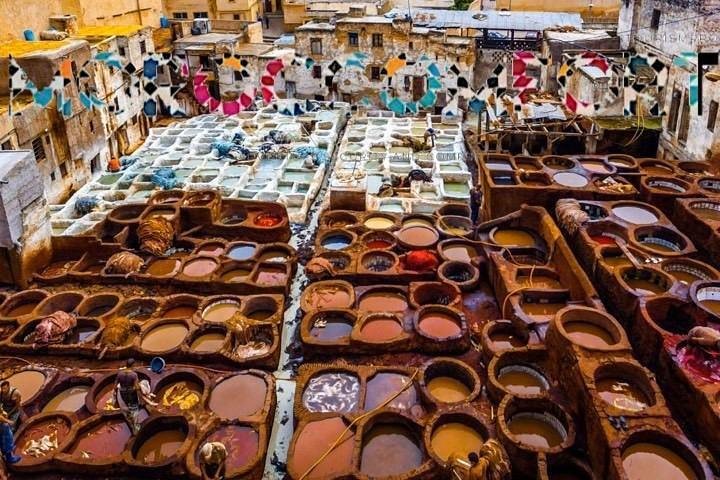
Fes Medina Circuit (All comfort)

Fez Guided Tour NO SHOPPING TOUR

Tour guide in the old city of Fez

fes guided tour

Full Day Fes Guided Tour and Pottery Workshop


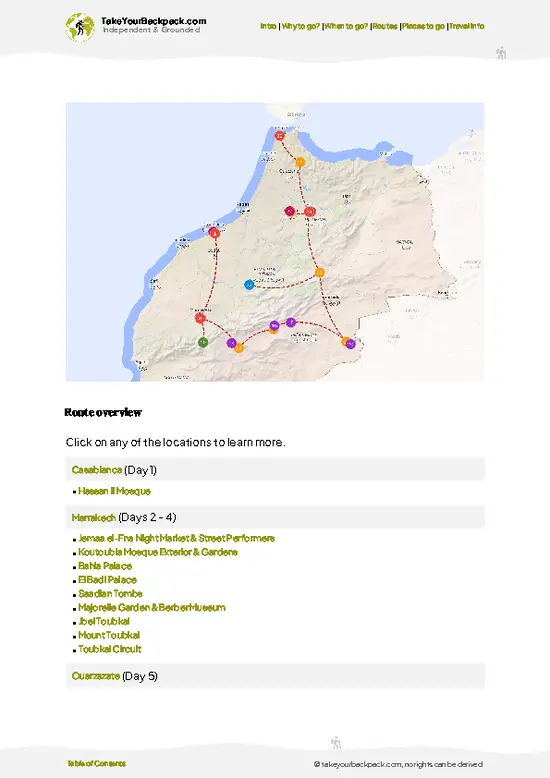
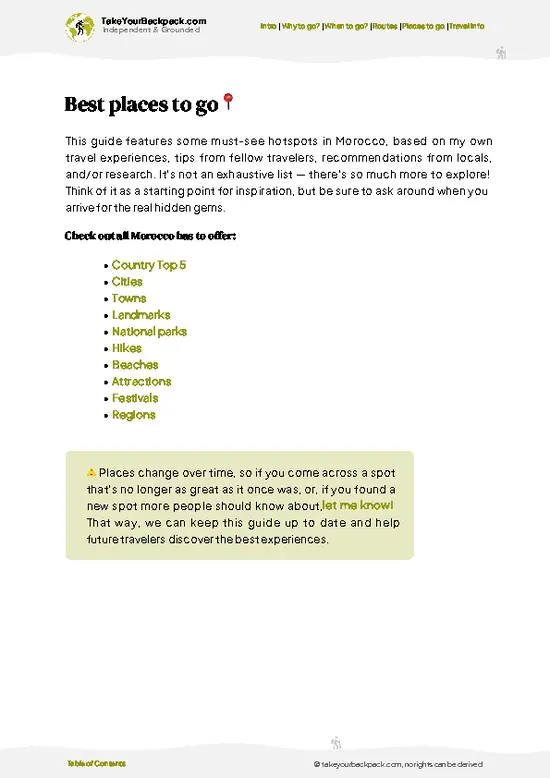
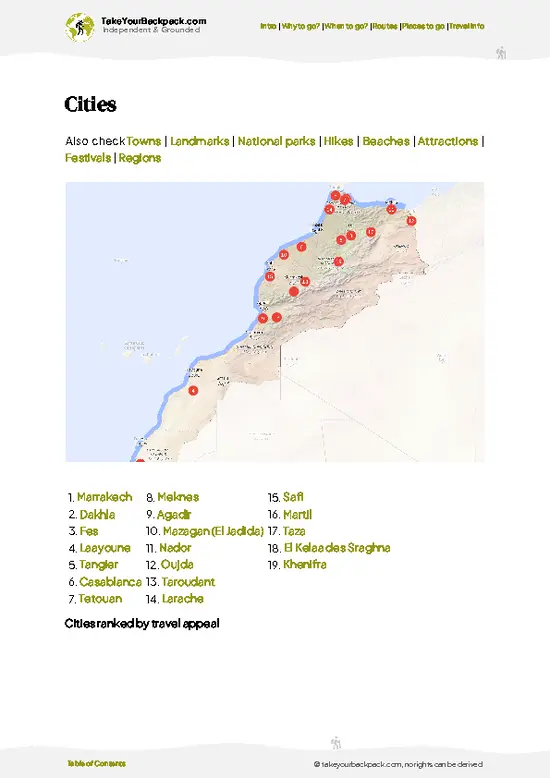
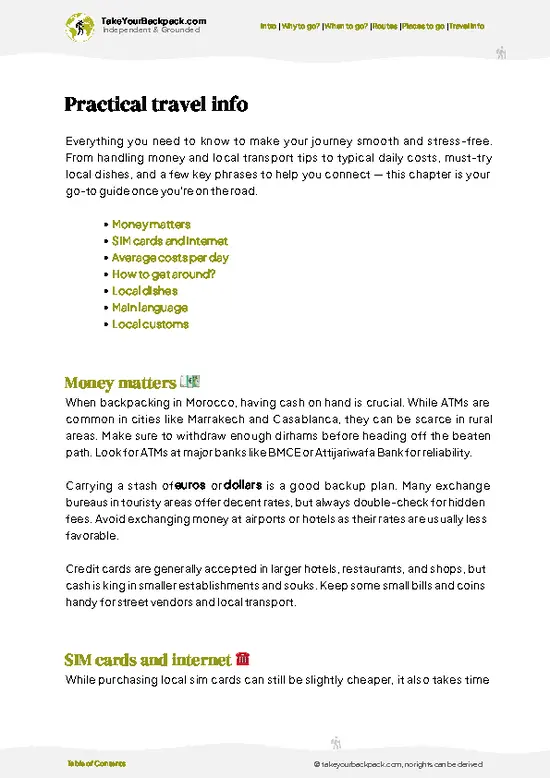

 Best Backpacking
.jpg) Hi, I’m Johan (Netherlands 🇳🇱), the creator of TakeYourBackpack. Over the past decade, I’ve backpacked through 80+ countries across six continents, gaining extensive experience with independent travel, long-term trips, and overland routes.
Hi, I’m Johan (Netherlands 🇳🇱), the creator of TakeYourBackpack. Over the past decade, I’ve backpacked through 80+ countries across six continents, gaining extensive experience with independent travel, long-term trips, and overland routes.