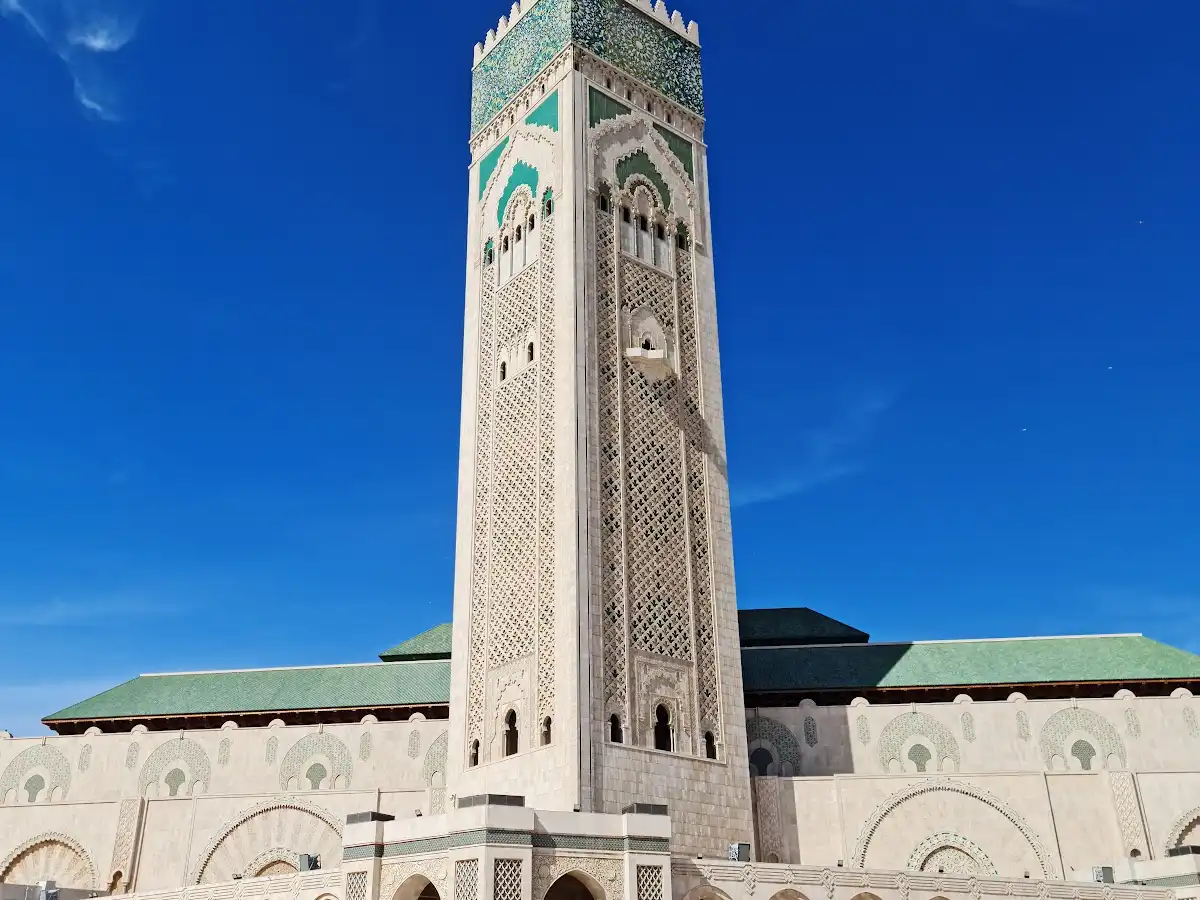
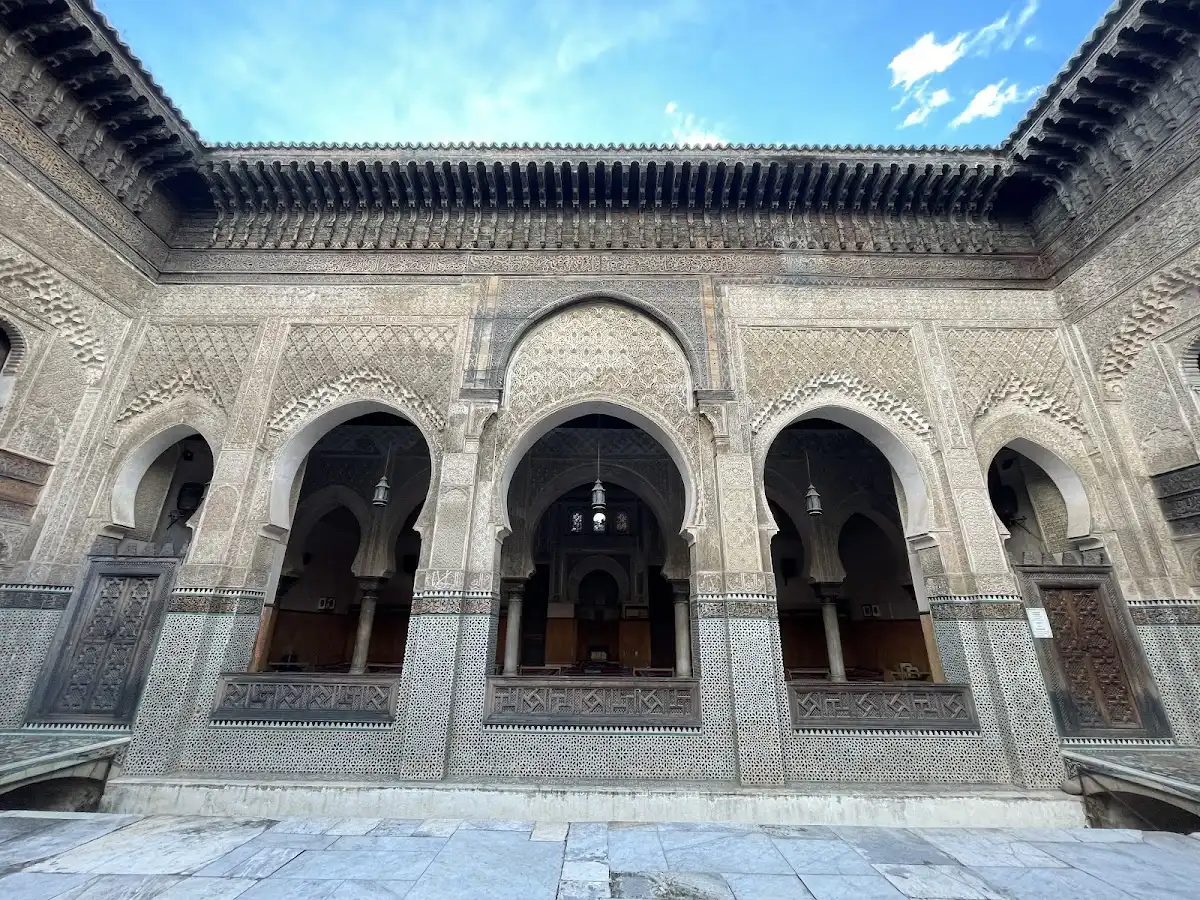
Morocco packs unusual variety into one compact country. Within a few hundred kilometers you cross Roman ruins, a medieval medina system, snowy 4,000 meter peaks, Atlantic surf towns and Saharan dunes. Few countries in Africa or Europe offer that spread at this price. The reason is geography and history. Berber, Arab, Andalusian and French influences left layered architecture, and the Atlas range splits the climate into green north, high mountains and dry south.
Infrastructure is the other advantage. The
Al Boraq high-speed train and the conventional rail network connect Tangier, Rabat, Casablanca, Marrakech and Fez cheaply, while CTM and Supratours buses reach most remaining towns. Beyond that grid, distances stretch and roads in the mountains are slow.
Travelers should know the costs of …
read more 👉Morocco packs unusual variety into one compact country. Within a few hundred kilometers you cross Roman ruins, a medieval medina system, snowy 4,000 meter peaks, Atlantic surf towns and Saharan dunes. Few countries in Africa or Europe offer that spread at this price. The reason is geography and history. Berber, Arab, Andalusian and French influences left layered architecture, and the Atlas range splits the climate into green north, high mountains and dry south.
Infrastructure is the other advantage. The Al Boraq high-speed train and the conventional rail network connect Tangier, Rabat, Casablanca, Marrakech and Fez cheaply, while CTM and Supratours buses reach most remaining towns. Beyond that grid, distances stretch and roads in the mountains are slow.
Travelers should know the costs of that variety. Hassle is real in the big medinas: unofficial guides, “the road is closed” lines and shop detours are routine, and a firm “no, thanks” works better than debate. Many sights are the streets themselves rather than ticketed monuments, which keeps costs low but means a guide adds value only in Fez. Most mosques are closed to non-Muslims, with a few exceptions. Prices are negotiable almost everywhere except fixed-rate tickets and trains. Pick Morocco for atmosphere and landscape, not for polished museums.
Our Approach to Ranking
The list of best attractions in Morocco is created based on cultural significance or entertainment value. If you feel a attraction is missing in this list, please let us know.
v2.webp)





 Best Backpacking
.jpg) Hi, I’m Johan (Netherlands 🇳🇱), the creator of TakeYourBackpack. Over the past 3 decades, I’ve backpacked through 90+ countries across six continents, gaining extensive experience with independent travel, long-term trips, and overland routes.
Hi, I’m Johan (Netherlands 🇳🇱), the creator of TakeYourBackpack. Over the past 3 decades, I’ve backpacked through 90+ countries across six continents, gaining extensive experience with independent travel, long-term trips, and overland routes.