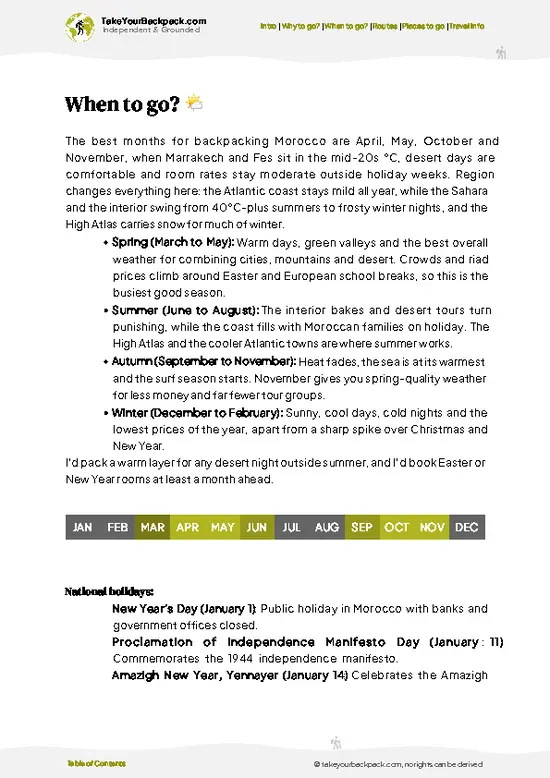
The Main Gate (Bab Oudaia)
Let’s start with the gate. Not just a doorway, but a slab of 12th-century intimidation. This isn’t some dainty arch for Instagram twirls—it’s a fortress statement: “You’re entering a stronghold.” The stonework is battered but proud, carved with Kufic script and geometric patterns that have survived centuries of salt air and siege. You’ll see people snapping photos, but the real thrill is running your hand along the ancient grooves and realizing how many armies and traders have done the same.
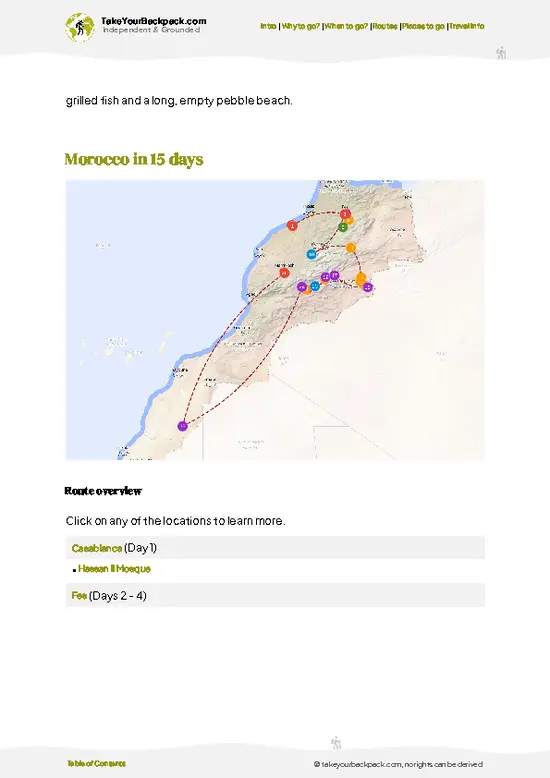
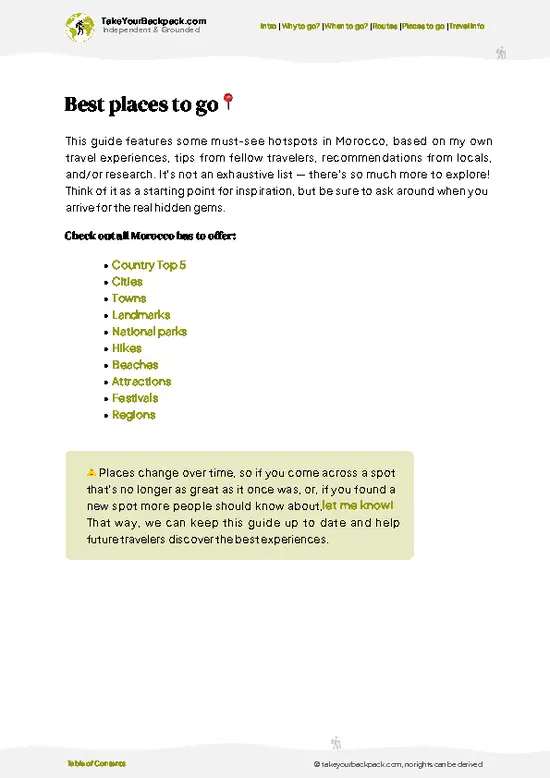
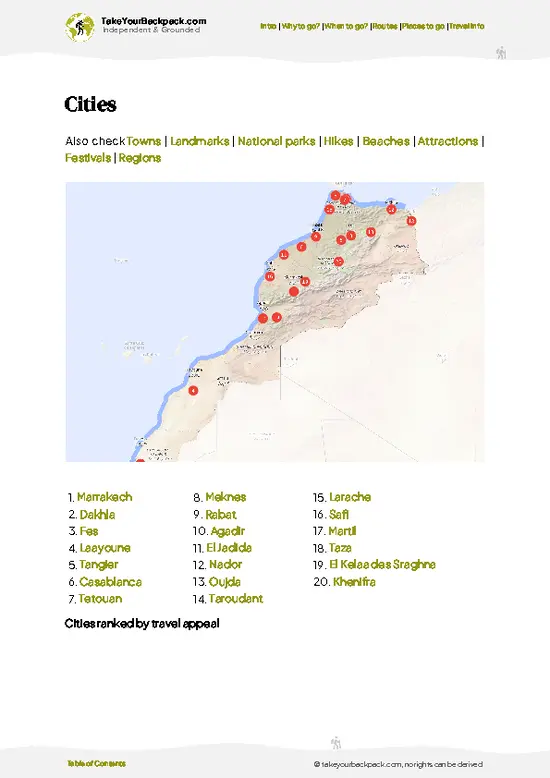
The Blue-and-White Streets
You’ve seen the photos—whitewashed walls, blue doors, cats lounging like they own the place. Here’s the truth: yes, it’s photogenic, but it’s also lived-in. Laundry flaps overhead. Kids play soccer in alleys. The blue isn’t just for show; it’s a tradition … read more 👉
Let’s start with the gate. Not just a doorway, but a slab of 12th-century intimidation. This isn’t some dainty arch for Instagram twirls—it’s a fortress statement: “You’re entering a stronghold.” The stonework is battered but proud, carved with Kufic script and geometric patterns that have survived centuries of salt air and siege. You’ll see people snapping photos, but the real thrill is running your hand along the ancient grooves and realizing how many armies and traders have done the same.
The Blue-and-White Streets
You’ve seen the photos—whitewashed walls, blue doors, cats lounging like they own the place. Here’s the truth: yes, it’s photogenic, but it’s also lived-in. Laundry flaps overhead. Kids play soccer in alleys. The blue isn’t just for show; it’s a tradition … read more 👉
The Main Gate (Bab Oudaia)
Let’s start with the gate. Not just a doorway, but a slab of 12th-century intimidation. This isn’t some dainty arch for Instagram twirls—it’s a fortress statement: “You’re entering a stronghold.” The stonework is battered but proud, carved with Kufic script and geometric patterns that have survived centuries of salt air and siege. You’ll see people snapping photos, but the real thrill is running your hand along the ancient grooves and realizing how many armies and traders have done the same.
The Blue-and-White Streets
You’ve seen the photos—whitewashed walls, blue doors, cats lounging like they own the place. Here’s the truth: yes, it’s photogenic, but it’s also lived-in. Laundry flaps overhead. Kids play soccer in alleys. The blue isn’t just for show; it’s a tradition that predates hashtags, meant to keep mosquitoes at bay and the summer heat manageable. Wander off the main drag and you’ll find yourself alone, the Atlantic breeze carrying the scent of salt and mint tea. This is where the Kasbah shrugs off its tourist skin and just breathes.
The Andalusian Gardens
If you need a break from the sun or the touts, duck into these gardens. They’re not Versailles, but that’s the point. Orange trees, jasmine, and the low hum of bees—this is where locals come to nap, flirt, or just escape the city’s racket. The gardens are a reminder that beauty doesn’t have to be grand to be memorable. Sit on a bench, watch the cats stalk butterflies, and let the world slow down.
The Platform Overlooking the Bou Regreg and the Atlantic
Here’s where the Kasbah cashes in its chips. The view from the ramparts is the real showstopper. Forget the filtered sunsets—this is raw, wind-whipped Morocco. You get the river snaking below, the Atlantic pounding the rocks, and the city of Salé glaring back across the water. It’s a spot for big thoughts and small victories. My personal favorite. I’ve watched storms roll in here, the sky turning bruised purple while fishermen haul in their nets below. No photo does it justice; you have to feel the salt on your lips and the wind in your hair.
Café Maure
Skip the overpriced rooftop joints in the medina. Café Maure is the real deal—plastic chairs, chipped tables, and a view that would bankrupt a Parisian bistro. Order mint tea and almond pastries. Watch old men play cards, teenagers flirt, and the city’s pulse slow to a lazy afternoon rhythm. It’s not fancy, but it’s honest. If you want to understand why Moroccans linger over tea, this is your classroom.
The Kasbah Mosque (Mosquée El Atiqa)
You can’t go inside unless you’re Muslim, but the exterior is worth a slow circuit. This is one of the oldest mosques in Rabat, with a squat minaret and weathered walls that have seen more history than most countries. The call to prayer echoes off the stone and through the alleys, grounding the Kasbah in something deeper than tourism. It’s a reminder that this is a living neighborhood, not a museum.
Let’s start with the gate. Not just a doorway, but a slab of 12th-century intimidation. This isn’t some dainty arch for Instagram twirls—it’s a fortress statement: “You’re entering a stronghold.” The stonework is battered but proud, carved with Kufic script and geometric patterns that have survived centuries of salt air and siege. You’ll see people snapping photos, but the real thrill is running your hand along the ancient grooves and realizing how many armies and traders have done the same.
The Blue-and-White Streets
You’ve seen the photos—whitewashed walls, blue doors, cats lounging like they own the place. Here’s the truth: yes, it’s photogenic, but it’s also lived-in. Laundry flaps overhead. Kids play soccer in alleys. The blue isn’t just for show; it’s a tradition that predates hashtags, meant to keep mosquitoes at bay and the summer heat manageable. Wander off the main drag and you’ll find yourself alone, the Atlantic breeze carrying the scent of salt and mint tea. This is where the Kasbah shrugs off its tourist skin and just breathes.
The Andalusian Gardens
If you need a break from the sun or the touts, duck into these gardens. They’re not Versailles, but that’s the point. Orange trees, jasmine, and the low hum of bees—this is where locals come to nap, flirt, or just escape the city’s racket. The gardens are a reminder that beauty doesn’t have to be grand to be memorable. Sit on a bench, watch the cats stalk butterflies, and let the world slow down.
The Platform Overlooking the Bou Regreg and the Atlantic
Here’s where the Kasbah cashes in its chips. The view from the ramparts is the real showstopper. Forget the filtered sunsets—this is raw, wind-whipped Morocco. You get the river snaking below, the Atlantic pounding the rocks, and the city of Salé glaring back across the water. It’s a spot for big thoughts and small victories. My personal favorite. I’ve watched storms roll in here, the sky turning bruised purple while fishermen haul in their nets below. No photo does it justice; you have to feel the salt on your lips and the wind in your hair.
Café Maure
Skip the overpriced rooftop joints in the medina. Café Maure is the real deal—plastic chairs, chipped tables, and a view that would bankrupt a Parisian bistro. Order mint tea and almond pastries. Watch old men play cards, teenagers flirt, and the city’s pulse slow to a lazy afternoon rhythm. It’s not fancy, but it’s honest. If you want to understand why Moroccans linger over tea, this is your classroom.
The Kasbah Mosque (Mosquée El Atiqa)
You can’t go inside unless you’re Muslim, but the exterior is worth a slow circuit. This is one of the oldest mosques in Rabat, with a squat minaret and weathered walls that have seen more history than most countries. The call to prayer echoes off the stone and through the alleys, grounding the Kasbah in something deeper than tourism. It’s a reminder that this is a living neighborhood, not a museum.
Spotted a mistake or missing something? Contact us.
v2.webp)


Best Backpacking
Hi, I’m Johan (Netherlands 🇳🇱), the creator of TakeYourBackpack. Over the past decade, I’ve backpacked through 80+ countries across six continents, gaining extensive experience with independent travel, long-term trips, and overland routes.