The Propaganda Posters Room
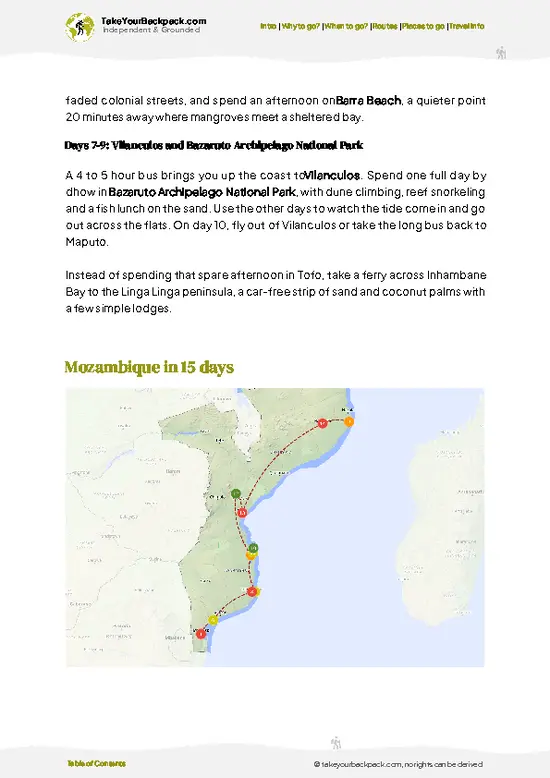
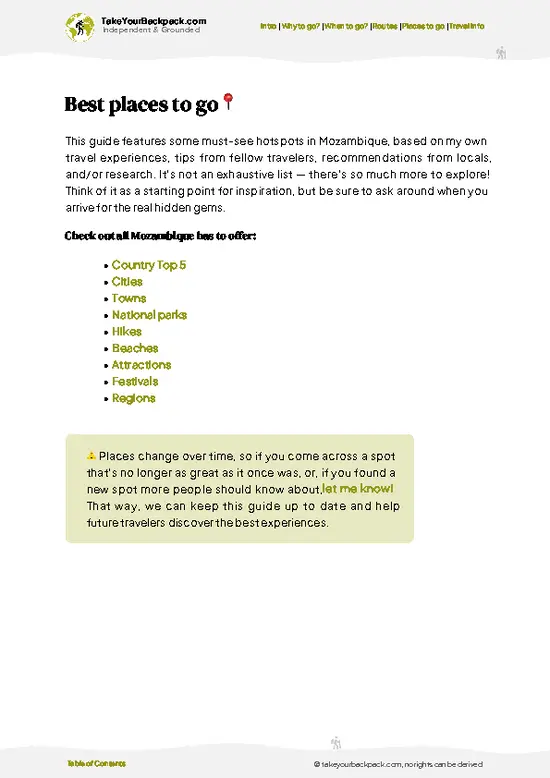
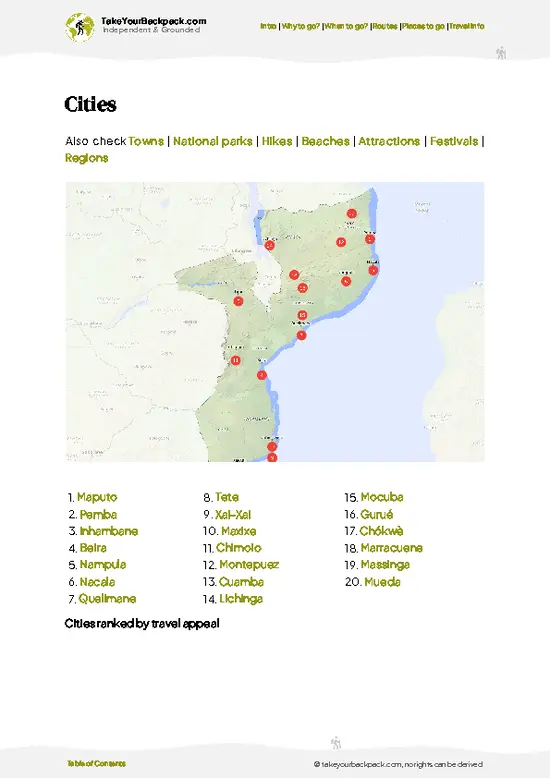
Forget the sanitized, sepia-toned nostalgia you see online. This room is a riot of color and contradiction—original posters from Mozambique’s independence struggle, splashed with slogans and revolutionary art. Some are hand-painted, some mass-produced, all unapologetically blunt. You’ll see the faces of FRELIMO leaders staring down at you, fists raised, promising a future that’s still being debated in the streets outside. It’s not just history; it’s a crash course in how a movement sells itself to its own people. The rawness here is electric—no Instagram filter can capture the urgency in these brushstrokes.
The AK-47s and Homemade Weapons Display
This isn’t your average glass-case military exhibit. Here, you’re face-to-face with the actual rifles, machetes, and … read more 👉
Forget the sanitized, sepia-toned nostalgia you see online. This room is a riot of color and contradiction—original posters from Mozambique’s independence struggle, splashed with slogans and revolutionary art. Some are hand-painted, some mass-produced, all unapologetically blunt. You’ll see the faces of FRELIMO leaders staring down at you, fists raised, promising a future that’s still being debated in the streets outside. It’s not just history; it’s a crash course in how a movement sells itself to its own people. The rawness here is electric—no Instagram filter can capture the urgency in these brushstrokes.
The AK-47s and Homemade Weapons Display
This isn’t your average glass-case military exhibit. Here, you’re face-to-face with the actual rifles, machetes, and … read more 👉
The Propaganda Posters Room
Forget the sanitized, sepia-toned nostalgia you see online. This room is a riot of color and contradiction—original posters from Mozambique’s independence struggle, splashed with slogans and revolutionary art. Some are hand-painted, some mass-produced, all unapologetically blunt. You’ll see the faces of FRELIMO leaders staring down at you, fists raised, promising a future that’s still being debated in the streets outside. It’s not just history; it’s a crash course in how a movement sells itself to its own people. The rawness here is electric—no Instagram filter can capture the urgency in these brushstrokes.
The AK-47s and Homemade Weapons Display
This isn’t your average glass-case military exhibit. Here, you’re face-to-face with the actual rifles, machetes, and improvised weapons wielded by guerrilla fighters. Some are battered, others almost ceremonial in their presentation. The AK-47s are a reminder that Mozambique’s revolution wasn’t won with speeches alone. There’s a visceral, almost uncomfortable honesty to seeing these tools up close. You can practically feel the weight of history—and the cost of freedom—hanging in the air.
The Independence Declaration Room
This is the museum’s emotional core. The original document declaring Mozambique’s independence is displayed with the kind of reverence usually reserved for religious relics. The room is dim, almost hushed, and you’ll see visitors—locals and foreigners alike—pausing longer here than anywhere else. It’s not just a piece of paper; it’s the moment a nation was born, with all the hope and chaos that entails. If you’re looking for the soul of Mozambique’s modern identity, this is where it lives.
The Guerrilla Camp Reconstruction
Step into a life-sized recreation of a FRELIMO guerrilla camp, complete with bunk beds, camouflage netting, and battered cooking pots. It’s immersive without being kitschy. You’ll smell the canvas, see the patched uniforms, and get a sense of the daily grind behind the slogans. This isn’t a theme park set—it’s a blunt reminder that revolutions are built on sleepless nights, bad food, and relentless determination. The authenticity here is what makes it stick with you long after you leave.
Photo Archive of Everyday Revolutionaries
Skip the heroic statues and look at the faces in these black-and-white photos: barefoot teenagers, market women, old men with rifles slung over their shoulders. The museum’s photo archive is a mosaic of ordinary Mozambicans swept up in extraordinary times. It’s messy, it’s moving, and it’s the antidote to the sanitized hero-worship you’ll find in so many other national museums. These images tell the real story—one that’s complicated, human, and still unfolding.
Forget the sanitized, sepia-toned nostalgia you see online. This room is a riot of color and contradiction—original posters from Mozambique’s independence struggle, splashed with slogans and revolutionary art. Some are hand-painted, some mass-produced, all unapologetically blunt. You’ll see the faces of FRELIMO leaders staring down at you, fists raised, promising a future that’s still being debated in the streets outside. It’s not just history; it’s a crash course in how a movement sells itself to its own people. The rawness here is electric—no Instagram filter can capture the urgency in these brushstrokes.
The AK-47s and Homemade Weapons Display
This isn’t your average glass-case military exhibit. Here, you’re face-to-face with the actual rifles, machetes, and improvised weapons wielded by guerrilla fighters. Some are battered, others almost ceremonial in their presentation. The AK-47s are a reminder that Mozambique’s revolution wasn’t won with speeches alone. There’s a visceral, almost uncomfortable honesty to seeing these tools up close. You can practically feel the weight of history—and the cost of freedom—hanging in the air.
The Independence Declaration Room
This is the museum’s emotional core. The original document declaring Mozambique’s independence is displayed with the kind of reverence usually reserved for religious relics. The room is dim, almost hushed, and you’ll see visitors—locals and foreigners alike—pausing longer here than anywhere else. It’s not just a piece of paper; it’s the moment a nation was born, with all the hope and chaos that entails. If you’re looking for the soul of Mozambique’s modern identity, this is where it lives.
The Guerrilla Camp Reconstruction
Step into a life-sized recreation of a FRELIMO guerrilla camp, complete with bunk beds, camouflage netting, and battered cooking pots. It’s immersive without being kitschy. You’ll smell the canvas, see the patched uniforms, and get a sense of the daily grind behind the slogans. This isn’t a theme park set—it’s a blunt reminder that revolutions are built on sleepless nights, bad food, and relentless determination. The authenticity here is what makes it stick with you long after you leave.
Photo Archive of Everyday Revolutionaries
Skip the heroic statues and look at the faces in these black-and-white photos: barefoot teenagers, market women, old men with rifles slung over their shoulders. The museum’s photo archive is a mosaic of ordinary Mozambicans swept up in extraordinary times. It’s messy, it’s moving, and it’s the antidote to the sanitized hero-worship you’ll find in so many other national museums. These images tell the real story—one that’s complicated, human, and still unfolding.
Spotted a mistake or missing something? Contact us.
v2.webp)


Best Backpacking
Hi, I’m Johan (Netherlands 🇳🇱), the creator of TakeYourBackpack. Over the past decade, I’ve backpacked through 80+ countries across six continents, gaining extensive experience with independent travel, long-term trips, and overland routes.